
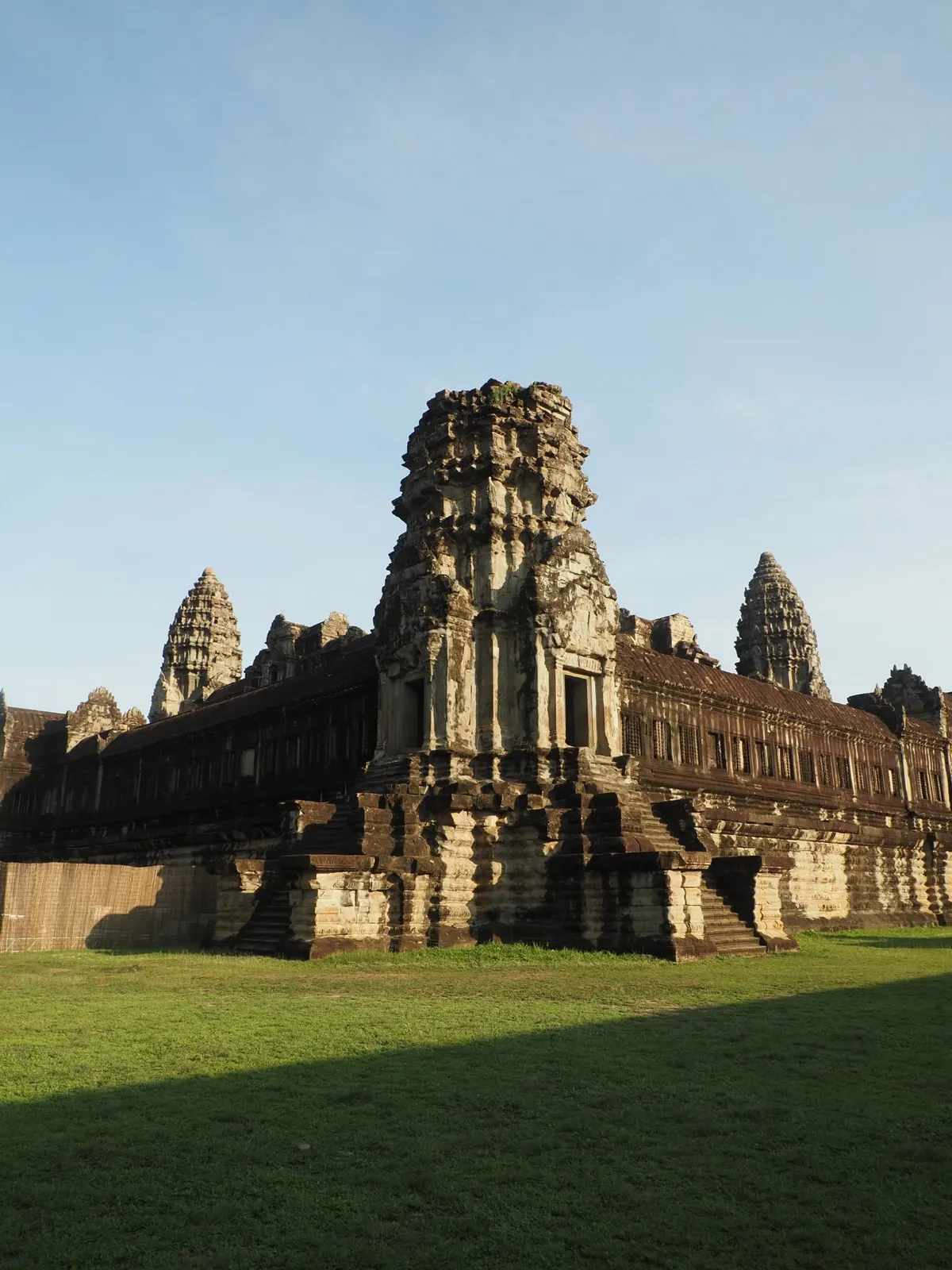
Siem Reap, Cambodia, serves as the gateway to the magnificent Angkor region, offering a diverse range of attractions that extend beyond its renowned ancient temples. Visitors can explore historical sites, engage with local culture, experience natural environments, and enjoy contemporary entertainment. This guide highlights key places and activities to consider for a comprehensive visit.
Exploring Ancient Wonders: The Angkor Complex
The Angkor complex, situated within the forests of Siem Reap province, represents an ancient city dating back 700 years. This expansive area, covering nearly 400 square kilometers, encompasses canals, temples, and tombs, showcasing the advanced construction skills of the Khmer people. It stands as a testament to a prosperous historical era, with intricate carvings and designs depicting past life.
Among its many structures, Angkor Wat is particularly notable. Originally constructed to honor the Hindu deity Vishnu, it is considered a symbolic representation of the Hindu universe. Many visitors find the temple's layout, with its five towers representing Mount Meru, especially striking. The site is frequently recommended for observing both sunrise and sunset, providing memorable views. For access to the Angkor Archaeological Park, a one-day admission ticket for foreigners is typically 37 USD, though the source specifically mentioned 38 USD for Angkor Wat's one-day entry. Prices are subject to change and should be verified upon planning your visit.
Another significant site within the Angkor complex is Ta Prohm, a temple known for its partially ruined state and the dramatic presence of giant tree roots intertwining with its stone structures. These roots, resembling large serpents, create a distinctive appearance as they extend over moss-covered walls. Reaching Ta Prohm is possible by bicycle, motorbike, or tuk-tuk. Admission to the entire Angkor Archaeological Park, which includes Ta Prohm, is available through multi-day passes: 37 USD for one day, 62 USD for three days, and 72 USD for seven days. These passes offer flexibility for exploring the extensive complex.
| Ticket Type | Duration | Price (USD) | Notes |
|---|---|---|---|
| Angkor Pass | 1 Day | 37 | Valid for Angkor Wat, Ta Prohm, and other temples in the complex. (Source also noted 38 USD for Angkor Wat specific one-day entry) |
| Angkor Pass | 3 Days | 62 | Valid for Angkor Wat, Ta Prohm, and other temples in the complex. |
| Angkor Pass | 7 Days | 72 | Valid for Angkor Wat, Ta Prohm, and other temples in the complex. |
Natural Landscapes and Conservation Efforts
Beyond the ancient structures, Siem Reap offers diverse natural environments, from expansive lakes to mountainous trails and dedicated conservation areas. These sites provide opportunities to connect with Cambodia's natural heritage and observe efforts to preserve its ecosystems.
Tonlé Sap Lake, located approximately 25 kilometers from central Siem Reap, holds the distinction of being Southeast Asia's largest freshwater lake and a globally recognized biosphere reserve. The rainy season, from May to October, is often considered the most suitable time for visits due to pleasant weather conditions. Boat tours on the lake allow visitors to observe the surrounding green forests and the unique floating communities. Staying in a local homestay offers a chance to experience life on the water and interact with residents. The residential areas around the lake, with their stilt houses and fishing boats, reflect a rustic simplicity, including essential facilities like hospitals and schools adapted to the aquatic environment.
The Angkor Centre for the Conservation of Biodiversity spans 25 hectares, showcasing a lowland green tropical forest ecosystem rich in diverse plant and animal life, including rare species. This nature reserve plays a role in forest protection and development for the region. Nearby, areas feature ancient geological formations, some over two million years old, alongside waterfalls, craters, and evidence of human habitation from millennia past.
For those seeking outdoor exploration, Kulen Nature Trails presents a mountainous region with steep terrain, clear skies, and abundant trees surrounding the notable Phnom Kulen Waterfall. The climate here remains consistently cool and refreshing throughout the year. Experienced travelers might enjoy driving along the winding roads, which offer views of rocky mountains and a gentle river below. Accommodation options, ranging from luxury hotels to secluded homestays, are available. The site is situated over 100 kilometers from Phnom Penh and accessible by various modes of transport.
Cultural Experiences and Local Life
Siem Reap provides numerous avenues for engaging with Cambodian culture, from observing traditional crafts to understanding historical challenges and enjoying contemporary performances.
The Banteay Srey Butterfly Centre, established in 2009 and located about 25 kilometers from Siem Reap, is recognized as Southeast Asia's largest open-air butterfly museum. Visitors can observe a variety of free-flying native butterflies within a large netted enclosure. The experience includes feeding butterflies and watching them interact with flowers, often landing on railings or even people. The center is open year-round, allowing guests to witness the beauty of these insects at any time.
The Cambodia Landmine Museum, situated south of Banteay Srey temple and within Angkor National Park, opened in 2007. It houses four galleries displaying bombs, guns, and other armaments used in past conflicts. Beyond its role as a museum, it functions as a Mine Action Exhibition Center, educating the public about the dangers of explosives and supporting humanitarian efforts for landmine victims. Many international guests report feeling a deep emotional connection to the stories of overcoming war's aftermath.
Les Chantiers Ecoles operates as a social enterprise, providing employment opportunities for individuals in rural areas. Its handicraft workshop showcases a range of unique products, including oil paintings, wood carvings, and artistic lanterns, all demonstrating skilled craftsmanship. Visitors can observe artisans at work, witnessing their dedication and precision firsthand. In some instances, guests may even participate in certain stages of the creation process under friendly guidance. Exploring traditional crafts like these offers insight into local artistry.
Kampong Pluk Floating Village, located in Prasat Bakong District approximately 15 kilometers north of the Vietnamese border, offers a distinctive glimpse into life on the water. The area features lotus fields and ponds, creating a serene environment. Many visitors come to explore the village, while others seek a peaceful connection with nature. For groups, overnight stays in the Melaleuca forest can be arranged, complete with barbecues, picnics, and campfires. Tents can be organized through the resort center. Those planning an overnight visit should remember to bring mosquito repellent and a bed net.
Nightlife, Shopping, and Entertainment
Siem Reap's offerings extend into the evening and provide opportunities for shopping and entertainment, catering to various preferences after a day of exploration.
Pub Street is a central hub for Siem Reap's nightlife, known for its energetic atmosphere and diverse selection of establishments. Visitors can choose from various pub styles, including cozier Country Pubs, often featuring live music and mini-game shows, typically with high stools at the bar or private spaces on a second floor. City Pubs, with their more contemporary style, usually have a ground-floor bar serving alcoholic beverages like wine and cocktails, alongside small group seating. The second floor often provides larger seating arrangements for groups, as well as snooker and foosball tables. These venues frequently host musicians performing a range of genres, and bartenders craft creative cocktails.
Psar Chaa, known as The Old Market, is situated amidst Siem Reap's older streets and hosts nearly 4000 stalls. It offers a wide array of items, from clothing and toys to souvenirs and handicrafts, generally at reasonable prices. The market's atmosphere is often described as lively, especially during holidays when bright lights enhance the display of goods. The market also functions as a dining destination, presenting a selection of Cambodian, Asian, and European dishes at accessible prices, drawing both locals and tourists. Additionally, the market provides a venue for folk culture performances by local musicians, aiming to preserve and share traditional art forms with international visitors. For those interested in Cambodian cuisine, the market offers a good starting point.
Phare, the Cambodian Circus, is a long-standing entertainment institution in Siem Reap, presenting large-scale, colorful performances by skilled artists. The shows combine circus acts with comedic elements, often receiving high recommendations. Performances incorporate acrobatics, magic, and animal training, meticulously choreographed and enhanced with modern lighting and sound technology. A unique highlight mentioned is the motorcycle circus, performed in a stage that accommodates about a hundred people, where three artists on motorcycles navigate a sound wall, creating a dynamic aerial display.
For an adventurous perspective, Flight of the Gibbon offers an eco-tour experience within the historical setting of the Khmer Empire. Experienced guides lead participants on a ziplining journey through the jungle, providing views of the forest canopy. Guides also share information about the park's history, local medicinal herbs, and environmental conservation efforts. Following the zipline course, a scenic walk through the park continues the exploration, offering a different vantage point of the extensive temple complex from above.
Practical Information for Visitors
When planning a trip to Siem Reap, considering a few practical aspects can enhance the experience. The best time to visit Tonlé Sap Lake, for instance, is during the rainy season (May to October) for optimal sightseeing conditions. For those staying overnight at Kampong Pluk Floating Village, it is advisable to bring mosquito repellent and a bed net. Transport options for exploring the Angkor complex, such as bicycles, motorbikes, or tuk-tuks, are readily available. It is always recommended to verify current admission prices and operating hours for all attractions, as these can change.
Frequently Asked Questions
What is the best time of year to visit Siem Reap?
While Siem Reap is accessible year-round, the rainy season from May to October is often suggested for visiting Tonlé Sap Lake, as the climate is typically pleasant for sightseeing tours. For temple visits, the cooler, drier months from November to April are generally preferred by many travelers.
How much does it cost to enter the Angkor temple complex?
Admission to the Angkor Archaeological Park, which includes major sites like Angkor Wat and Ta Prohm, typically costs 37 USD for a one-day pass, 62 USD for a three-day pass, and 72 USD for a seven-day pass. The source specifically noted 38 USD for a one-day Angkor Wat ticket. It is advisable to check current prices before your visit.
Are there activities in Siem Reap beyond the temples?
Yes, Siem Reap offers a wide range of activities beyond the Angkor temples. These include exploring Tonlé Sap Lake and its floating villages, visiting the Banteay Srey Butterfly Centre, learning about history at the Cambodia Landmine Museum, experiencing local crafts at Les Chantiers Ecoles, enjoying the nightlife on Pub Street, shopping at Psar Chaa (The Old Market), and watching performances at Phare, the Cambodian Circus.
What are the transport options for exploring Siem Reap?
Common transport methods for exploring Siem Reap and its surrounding attractions include renting bicycles or motorbikes for independent travel, or hiring tuk-tuks, which are a popular and convenient option for navigating between sites, especially within the Angkor complex.
Can I experience local culture in Siem Reap?
Absolutely. Siem Reap provides numerous opportunities to engage with local culture. You can visit Kampong Pluk Floating Village to observe daily life on the water, explore Psar Chaa (The Old Market) for local goods and food, or witness traditional crafts being made at Les Chantiers Ecoles. The Phare Cambodian Circus also offers insight into Cambodian storytelling through performance art.








