
Da Nang, a significant city in Central Vietnam, serves as a crucial hub for tourism, economic activity, and trade. Recognized for its contemporary and welcoming atmosphere, this coastal destination draws millions of visitors annually. For those planning a trip, understanding the key points of interest is essential for a fulfilling experience. This guide outlines prominent locations to consider during your visit to Da Nang.
Coastal Beauty and Mountainous Landscapes
Da Nang's geographical position offers a unique combination of expansive coastlines and dramatic mountain ranges, providing diverse opportunities for exploration and relaxation.
My Khe Beach, situated east of the city center, extends for over 10 kilometers. It features clear waters, soft white sand, and a tranquil environment. The beach area is also characterized by extensive casuarina forests along its shores and provides a wide array of tourist amenities. Due to its popularity, securing accommodation well in advance of your travel dates is advisable to potentially avoid higher prices.
Son Tra Mountain, also known as Son Tra Peninsula, is often referred to as the 'green lung' of the city. It maintains a pleasant climate throughout the year and is home to numerous beaches, lush forests, and a rich variety of plant and animal life. This makes it a compelling destination for both tourists and researchers. The mountain is known for its monkey population, offering opportunities for wildlife observation. Visitors can combine forest exploration with seaside relaxation, including activities like snorkeling to observe colorful coral reefs. For an exhilarating experience, paragliding from an altitude of approximately 600 meters allows for expansive views of the area, combining excitement with a sense of freedom.
The Hai Van Pass, a mountain passage connecting Thua Thien Hue province with Da Nang, is celebrated as one of the world's most impressive coastal routes. It presents a striking natural panorama, with towering mountains on one side and the vast ocean stretching into the distance. Traveling this pass by motorbike is a popular choice, allowing adventurers to fully appreciate the challenging terrain and the rewarding vistas. For those without their own vehicle, motorbike rental services are readily available in Da Nang.
Cultural Heritage and Historical Sites
Da Nang and its surrounding areas are rich in history and cultural significance, offering insights into Vietnam's past and the ancient Cham civilization.
Perched atop Bai But mountain on the Son Tra Peninsula, Linh Ung Pagoda is easily visible from many parts of Da Nang, identifiable by its prominent Buddhist statue. The path leading to the temple is gently paved, offering scenic views of the mountain and sea. While locals often visit for spiritual blessings, travelers typically seek the pagoda for its peaceful atmosphere and cultural significance. The spacious interior provides a sense of calm and quiet reflection. Visitors are reminded to dress respectfully, choosing modest attire, and to maintain a quiet demeanor within the temple grounds to honor local customs.
The Fifth Military Division Museum of Da Nang, located on Duy Tan Street, preserves a significant collection of historical artifacts from the Central and Central Highlands regions of Vietnam. This institution is part of a larger network of museums dedicated to President Ho Chi Minh. Its outdoor display area features large military equipment, including aircraft, tanks, and artillery pieces from the French and American conflicts. Inside, galleries house thousands of images, documents, and objects detailing the origins, campaigns, and triumphs of the Fifth Military Division's armed forces, particularly highlighting the ingenuity and effectiveness of guerrilla warfare strategies during the resistance movements.
The Cham Museum houses the world's most extensive collection of Cham artifacts, making it a key cultural attraction in Da Nang. The process of collecting these sculptures from the Champa kingdom began in the late 19th century, spearheaded by archaeologists from the Far East School in France, in collaboration with Vietnamese enthusiasts of archaeology.
Approximately 69 kilometers from Da Nang, My Son Sanctuary is a renowned historical site. This sacred valley, spanning about 2 square kilometers and encircled by hills, contains numerous Champa temples. It once served as a ceremonial ground for the Champa dynasty and a burial site for kings and princes. My Son Sanctuary is recognized as a principal center of Hinduism in Southeast Asia and stands as Vietnam's sole heritage site of its kind. Many towers exhibit intricate and impressive architectural designs, adorned with depictions of deities and various decorative motifs. While many structures show signs of age, remnants of sculptures still bear witness to the legacy of the Cham dynasties. The primary temples at My Son are dedicated to a lingam or an effigy of Lord Shiva, who was revered as the patron deity of the Cham monarchs. For those wishing to explore independently, renting a motorbike is a common and budget-friendly option to reach the sanctuary, allowing for flexible travel and interaction with local vendors.
Modern Wonders and Family Entertainment
Da Nang also offers contemporary attractions and recreational facilities that cater to diverse interests, from architectural marvels to theme parks.
The Dragon Bridge has become an architectural emblem of Da Nang, featuring a distinctive design that mimics a dragon coiling over the Han River, facing the East Sea. This bridge serves as a primary east-west artery for the city, linking Da Nang International Airport with upscale coastal tourist areas. On weekends, the bridge hosts a fire and water display, utilizing advanced technology and an integrated lighting system to create a spectacular and colorful show. There is no admission fee to observe this display, making it a popular spot for photographs and public enjoyment. To learn more about managing your finances while visiting, consider reading our guide on banking services in Da Nang.
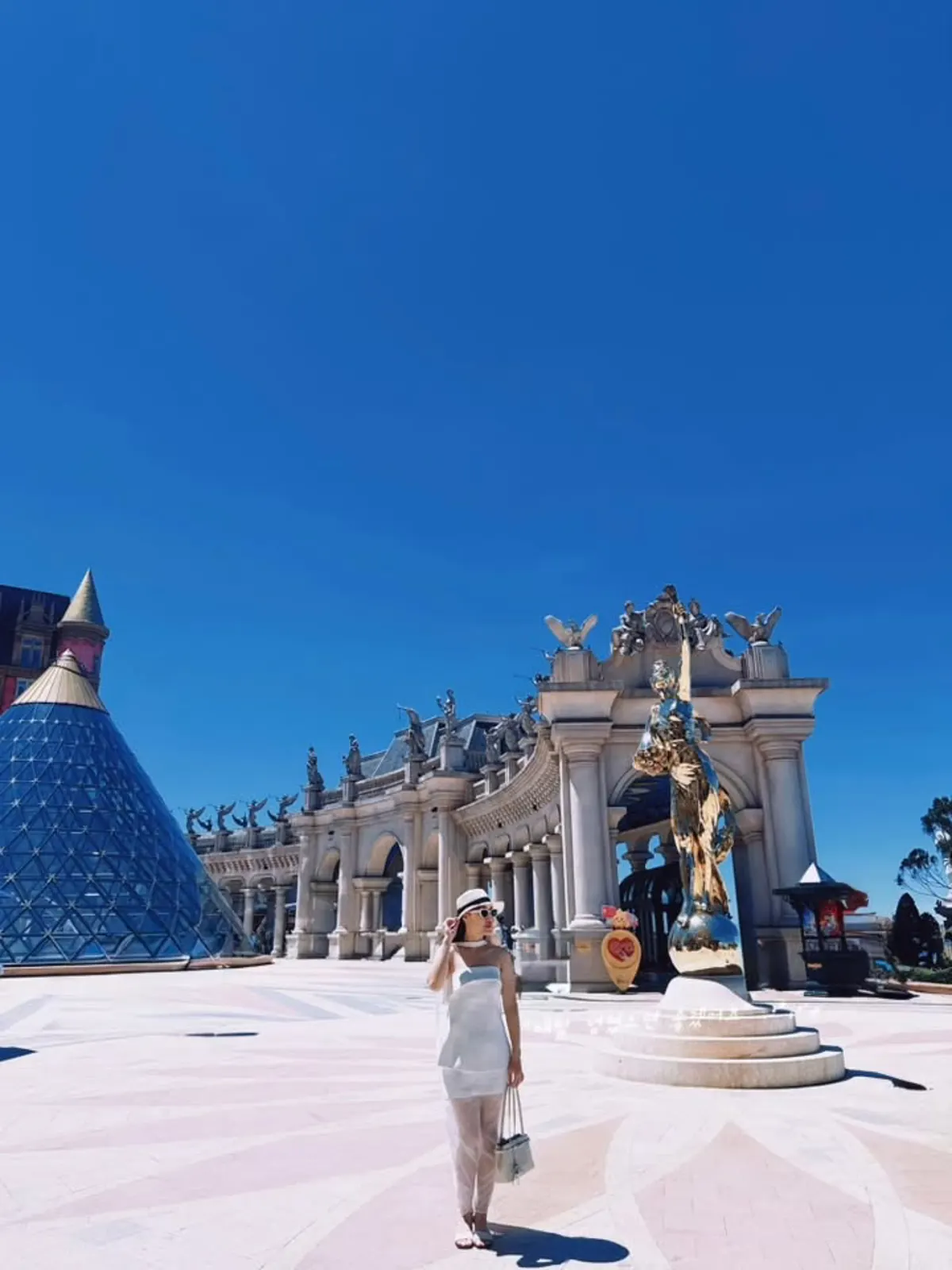
Located about 25 kilometers southwest of Da Nang, Ba Na Hills is often described as a European-inspired resort destination, attracting a significant number of international visitors. Situated at an elevation of 1487 meters above sea level, it features one of the world's longest and highest cable car systems. The complex includes several notable attractions: the French Village, an architectural recreation reminiscent of a European city with its towers and castles; Fantasy Park, recognized as Vietnam's largest indoor amusement park; and various annual festivals that create a lively atmosphere with performances by professional dancers. During the autumn months, visitors to Ba Na Hills may have the opportunity to participate in whiskey production activities. While outside food and beverages are not permitted within the tourist area, numerous dining options are available at reasonable prices.
Practical Tips for Your Da Nang Visit
To enhance your travel experience in Da Nang, consider these practical recommendations.
- Accommodation: Especially during peak seasons, booking your hotel or resort in advance is highly recommended to secure preferred rates and availability.
- Transportation: Motorbikes are a popular mode of transport for exploring the region, particularly for scenic routes like Hai Van Pass. Rental services are widely available. Taxis and ride-sharing apps also provide convenient options within the city.
- Cultural Respect: When visiting religious sites such as Linh Ung Pagoda, it is customary to dress modestly, covering shoulders and knees. Maintaining a quiet and respectful demeanor is also appreciated.
- Shopping: For unique souvenirs, places like the handicraft village near Marble Mountain offer locally made items. Remember that bargaining is often expected and can lead to better prices, especially when purchasing traditional crafts and souvenirs.
- Dining: Da Nang offers a wide range of culinary experiences, from local street food to international cuisine. Do not hesitate to explore local eateries for authentic flavors.
Frequently Asked Questions
What is the best time of year to visit Da Nang?
The optimal time to visit Da Nang is generally from March to May or from September to October. During these periods, the weather is typically pleasant with less rain and comfortable temperatures, making it ideal for beach activities and sightseeing.
Are there any day trips recommended from Da Nang?
Yes, several excellent day trips are available from Da Nang. Popular choices include My Son Sanctuary for its ancient Champa ruins, Hoi An Ancient Town for its historical charm and lantern-lit streets, and the Ba Na Hills for its theme park and mountain resort experience.
Is Da Nang suitable for family travel?
Da Nang is highly suitable for family travel, offering a variety of attractions that cater to all ages. My Khe Beach provides a safe environment for swimming, Ba Na Hills offers amusement park rides and entertainment, and the Dragon Bridge's weekend fire and water show is a highlight for children.
What local dishes should I try in Da Nang?
When in Da Nang, visitors should try local specialties such as My Quang (Quang noodles), Bun Cha Ca (fish cake noodle soup), Banh Xeo (sizzling savory pancakes), and various fresh seafood dishes available along the coast.
How can I get around Da Nang city?
Within Da Nang, travelers can use taxis, ride-sharing services, or rent motorbikes for independent exploration. Public buses are also an option for reaching various parts of the city, though they may be less convenient for tourists.
| Attraction | Type | Key Feature | Distance from City Center (Approx.) |
|---|---|---|---|
| My Khe Beach | Natural Beach | White sand, clear water, diverse services | East of city center |
| Ba Na Hills | Mountain Resort/Theme Park | Longest cable car, French Village, Fantasy Park | 25 km Southwest |
| Marble Mountain | Natural/Cultural Site | Limestone peaks, caves, handicraft village | South of city center |
| Dragon Bridge | Architectural Landmark | Dragon design, weekend fire/water show | Central Da Nang (Han River) |
| Hai Van Pass | Scenic Mountain Pass | Coastal views, connecting Hue & Da Nang | North of Da Nang |
| Son Tra Mountain | Nature Reserve/Peninsula | Cool climate, beaches, wildlife (monkeys) | Northeast of city center |
| Linh Ung Pagoda | Religious Site | Prominent Buddhist statue, tranquil setting | Son Tra Peninsula |
| Fifth Military Division Museum | Historical Museum | Military artifacts, Ho Chi Minh memorabilia | Duy Tan Street |
| Cham Museum | Archaeological Museum | Largest collection of Cham artifacts | Central Da Nang |
| My Son Sanctuary | Ancient Ruins/UNESCO Site | Champa temples, Hindu heritage | 69 km Southwest |








