
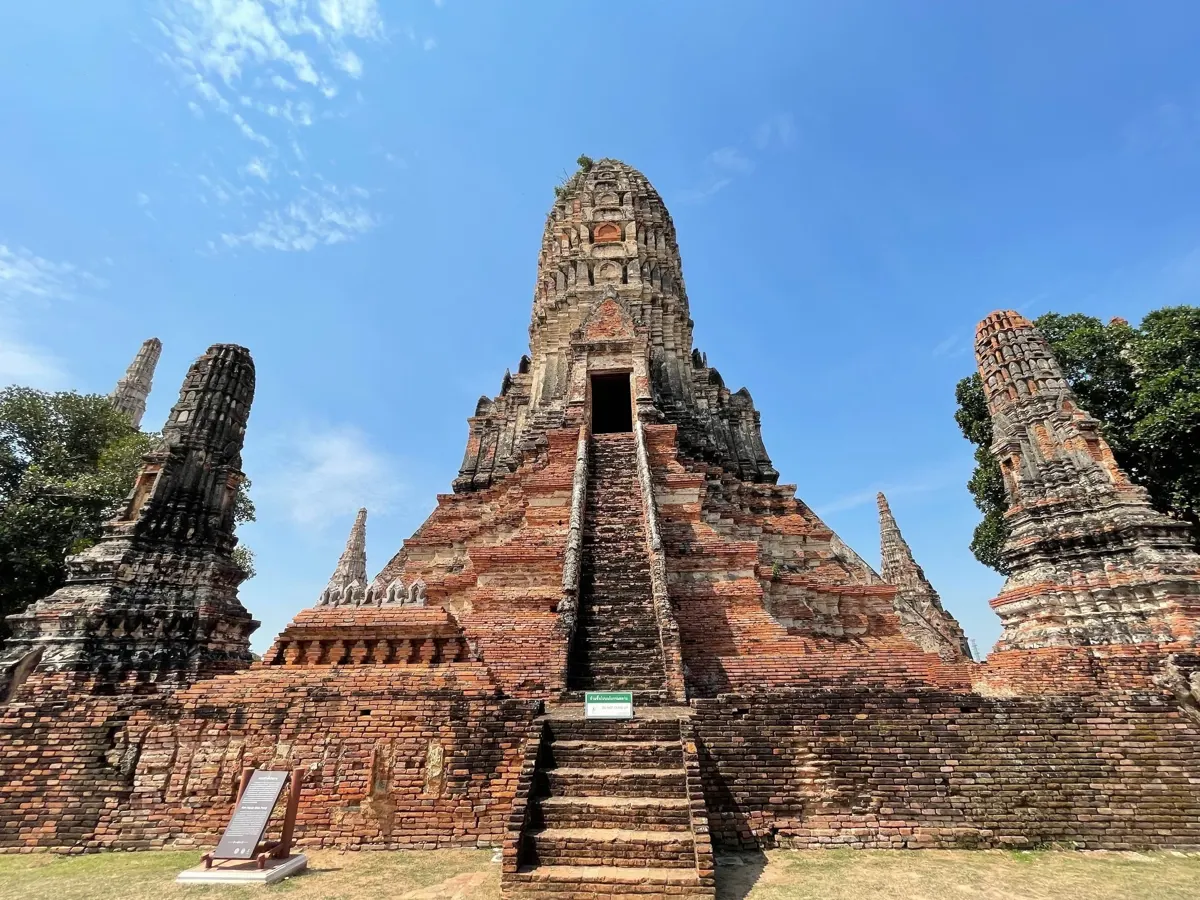
Chiang Mai, a significant city in Northern Thailand, consistently ranks among the country's most appealing travel destinations. This region seamlessly combines historical depth with contemporary life, showcasing both venerable temples and modern structures. Visitors to Chiang Mai can encounter diverse hill tribe cultures, explore mist-shrouded mountains, and gain insight into traditional Thai customs.
Ancient Spiritual Sites of Chiang Mai
Chiang Mai is renowned for its numerous Buddhist temples, each offering a distinct architectural style and historical narrative. These sacred places provide a window into the spiritual heritage of the Lanna Kingdom and remain active centers for devotion today.
Wat Phrathat Doi Suthep
Often referred to simply as "Doi Suthep," Wat Phrathat Doi Suthep is a Theravada Buddhist temple located in Chiang Mai Province. Local sentiment suggests that one has not truly experienced Chiang Mai without witnessing the panoramic city views from this elevated site. The temple provides expansive vistas of downtown Chiang Mai. Adjacent to the temple lies a National Park, which incorporates the Mae Sa Valley, offering a variety of natural attractions. In its northern section, the Mok Fa area features a cave, a waterfall, and pathways for nature walks.
Wat Phra Singh
Among Chiang Mai's most captivating historical temples is Wat Phra Singh, which dates back to the 14th century, a period when Chiang Mai served as the capital of the Lanna Kingdom. Known as the "Temple of the Lion Buddha," this site is a functioning monastery, housing numerous monks and novices. Guests can observe a range of traditional Lanna-style buildings. The oldest structure on the premises is the main chedi, constructed in 1345 with a circular form atop a square base. A notable example of Lanna architecture is the Viharn Lai Kham. Originally named Wat Li Chiang Phra, the temple was renamed in 1367 following the arrival of the Phra Singh Buddha image. During the Songkran festival on April 13th, local residents participate in a tradition of sprinkling water over the Buddha image as a sign of respect.
Wat Chedi Luang
Wat Chedi Luang was erected between 1385 and 1402 during the Mengrai dynasty. Its grounds encompass several significant elements, including the city pillar and a large gum tree. According to ancient Lanna beliefs, the city pillar was established at the geographical heart of the city to symbolize the Lanna Kingdom as the universe's center. A gum tree was planted at the temple's entrance for protective purposes, with the belief that its fall would portend a major disaster. Visitors during Buddhist holidays may observe many devotees gathering in the evening for a candle procession. Prayers and offerings can be placed at the chedi at any time of day. This temple stands as one of Chiang Mai's tallest structures and is conveniently situated on Phra Pok Klao Road.
Wat Phra That Doi Kham
Situated to the southwest of Chiang Mai, Wat Phra That Doi Kham, or the "Golden Temple," rests atop a hill. From its elevated position, visitors can survey both the undulating mountain ranges and the urban landscape. This temple primarily draws local worshippers who come to venerate its golden Buddha image. Accessing the temple requires ascending over 300 steps. The temple grounds are open daily from 6:00 AM to 5:00 PM, after which they close.
Wat U Mong
Positioned against the backdrop of the Doi Suthep mountains, this 700-year-old Buddhist temple offers a tranquil environment, complemented by a small animal enclosure located behind it. Wat U Mong features a network of tunnels. The grounds are often filled with the sounds of monks chanting. Its setting, surrounded by forests and a nearby natural lake, makes it suitable for meditation. Visitors interested in spiritual practices may attend Dhamma talks or meditation classes.
Cultural Immersion and Entertainment
Beyond its spiritual sites, Chiang Mai provides avenues for understanding its rich history and engaging with contemporary art. These venues offer educational insights and interactive experiences suitable for various interests.
Chiang Mai National Museum
For those interested in the historical progression of Chiang Mai, the National Museum is a key destination. It is dedicated to preserving the cultural heritage and artistic traditions of Northern Thailand. As a significant educational institution in the city, it presents various exhibitions illustrating how Chiang Mai has evolved over time.
Art in Paradise
Opened in July 2013, Art in Paradise provides an engaging experience for families and friends. It is recognized as one of the world's largest 3D art museums. Visitors can view 130 three-dimensional paintings distributed across eight themed zones, including Lanna, Zoo, Dinosaur, Egyptian, Aqua, Thai, Classic Art, and Surrealism. These creatively designed artworks offer opportunities for capturing memorable photographs. The museum caters to both adults and children.
Shopping and Local Market Experiences
Chiang Mai's markets are central to its local culture, offering everything from everyday goods to unique crafts and culinary delights. These locations provide opportunities to interact with local vendors and experience the city's commercial energy.
Night Bazaar
The Night Bazaar in Chiang Mai features numerous vendor stalls offering a wide array of products, such as wallets, clothing, media (CDs, DVDs), luggage, home furnishings, jewelry, and silk items, all along the street. Patrons are often advised to negotiate prices to secure better deals. For those who become hungry during their shopping, several bars and restaurants are available in the surrounding area, offering a range of culinary choices similar to the diverse dining options found in other Southeast Asian cities.
Sunday Night Market
Another prominent shopping opportunity is the Sunday Night Market walking street. In addition to a diverse selection of music, art, food, and handmade goods, similar to unique purchases found across Southeast Asia, it hosts various local events for visitors. This walking street operates every Sunday from 4:00 PM until midnight, during which time the road is closed to vehicle traffic, allowing pedestrians to fully enjoy the atmosphere.
Ethical Wildlife Encounters
Chiang Mai is also a destination where visitors can engage with wildlife in a responsible manner, particularly with elephants that have been rescued from various challenging circumstances.
Elephant Rescue Park
The Elephant Rescue Park is dedicated to providing sanctuary for elephants saved from industries such as logging, circuses, accidental injuries, strenuous labor sites, and situations of mistreatment. Visitors to the park can participate in activities such as walking alongside the elephants, feeding them, interacting with them, offering gentle physical contact, and bathing with them. Through these interactions, guests can learn more about these animals and the importance of treating them with dignity and respect.
Planning Your Visit to Chiang Mai's Attractions
To assist with planning an itinerary, here is a summary of the mentioned attractions in Chiang Mai, including key details.
| Attraction Name | Type | Key Feature | Operating Hours (Verify Locally) | Location Hint |
|---|---|---|---|---|
| Wat Phrathat Doi Suthep | Temple | Panoramic city views | Typically daylight hours | On Doi Suthep mountain |
| Wat Phra Singh | Temple | Lanna architecture, Lion Buddha image | Active monastery, generally open daylight hours | Old City, Chiang Mai |
| Wat Chedi Luang | Temple | Tallest structure, city pillar | Generally open daylight hours | Phra Pok Klao Road |
| Wat Phra That Doi Kham | Temple | Golden Buddha, hilltop views | 6:00 AM - 5:00 PM daily | Southwest of Chiang Mai, on a hill |
| Wat U Mong | Temple | Tunnels, meditation center | Generally open daylight hours | Against Doi Suthep mountains |
| Chiang Mai National Museum | Museum | Northern Thai history and art | Typically standard museum hours | Chiang Mai city area |
| Art in Paradise | Museum | 3D art installations | Typically standard museum hours | Chiang Mai city area |
| Night Bazaar | Market | Evening shopping, diverse goods | Evening (daily) | Changklan Road area |
| Sunday Night Market | Market | Pedestrian street, crafts, food | Sundays, 4:00 PM - Midnight | Ratchadamnoen Road (Old City) |
| Elephant Rescue Park | Wildlife Sanctuary | Ethical elephant interactions | Check for specific tour times/booking | Outside city center (transport usually arranged) |
It is always advisable for travelers to verify current operating hours and any admission fees directly with each venue before their visit, as details can change seasonally or due to local events.
Frequently Asked Questions
What is the best way to get around Chiang Mai to see these attractions?
Visitors to Chiang Mai have several transportation options, including red songthaews (shared taxis), tuk-tuks, taxis, and ride-hailing services. For destinations outside the city center, such as Doi Suthep or the Elephant Rescue Park, arranging private transport or joining a tour might be more convenient. Many central attractions are also accessible by walking or renting a scooter for experienced riders.
Are there any cultural etiquette tips for visiting temples in Chiang Mai?
When visiting temples in Chiang Mai, it is important to dress respectfully. This typically means covering shoulders and knees. Footwear should be removed before entering temple buildings. Speaking softly and being mindful of worshippers are also appropriate behaviors. Photography is generally permitted, but always be respectful of individuals praying or meditating.
What kind of food can I expect to find at the night markets?
Chiang Mai's night markets, including the Night Bazaar and Sunday Night Market, offer a wide variety of local Thai street food. Expect to find dishes like Khao Soi (Northern Thai curry noodle soup), Pad Thai, various curries, grilled meats, fresh fruit shakes, and an assortment of local desserts. Many vendors also offer vegetarian and vegan options.
Is Chiang Mai suitable for family travel with children?
Yes, Chiang Mai is generally considered a family-friendly destination. Attractions like Art in Paradise and the Elephant Rescue Park are particularly popular with children. The city also offers various parks, cooking classes, and cultural shows that can appeal to younger visitors. The relaxed pace compared to larger cities often makes it a comfortable choice for families.
When is the ideal time of year to visit Chiang Mai?
The cooler, dry season, from November to February, is often considered the most pleasant time to visit Chiang Mai, with comfortable temperatures and clear skies. However, this is also peak tourist season. The hot season runs from March to May, and the rainy season from June to October. Each season offers a different experience, with fewer crowds during the off-peak months.








