
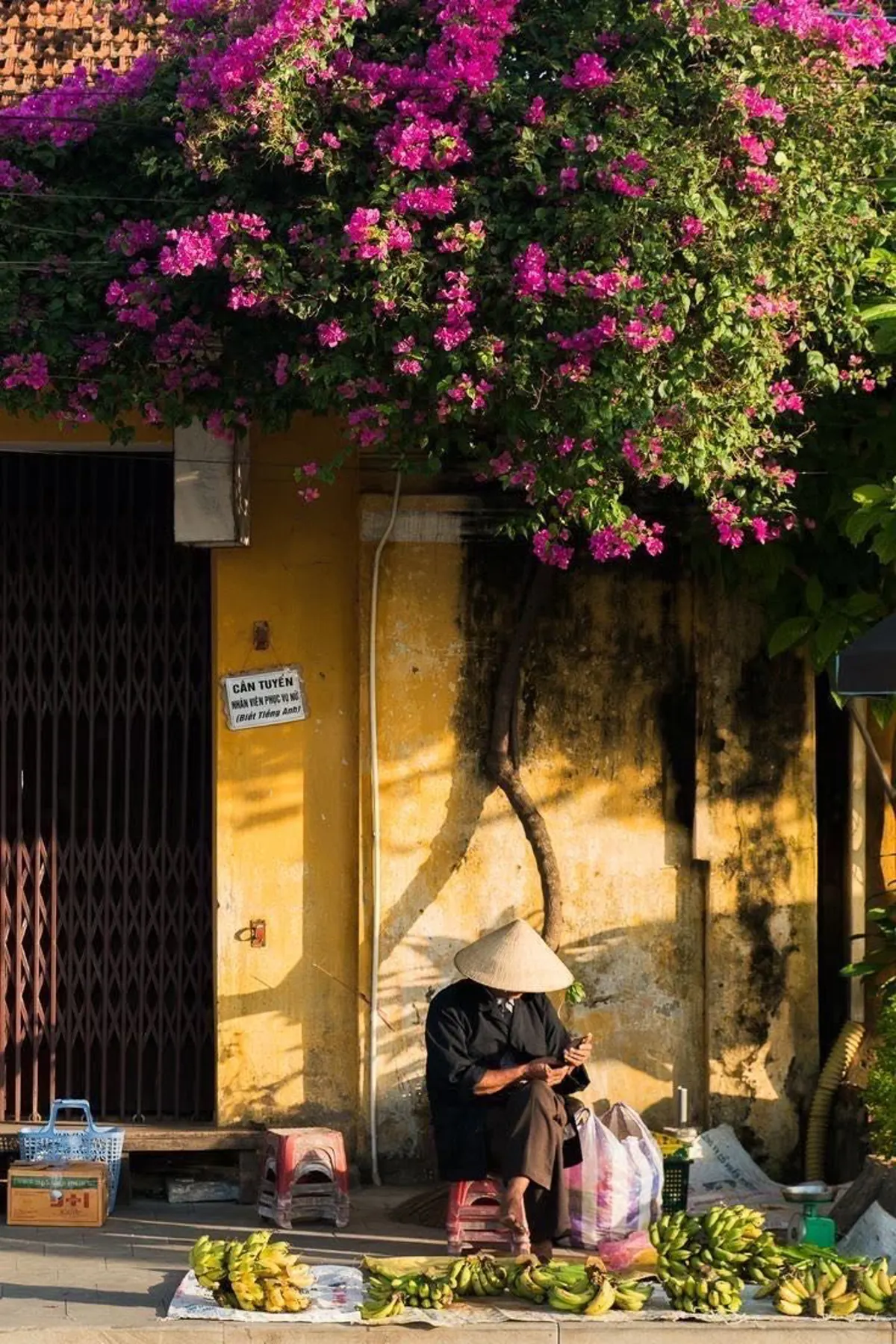
Hanoi's Old Quarter stands as a central point for those seeking authentic Vietnamese cuisine and diverse dining options. This historic district presents a wide selection of establishments, ranging from long-standing local favorites serving classic dishes to modern restaurants offering contemporary interpretations of regional flavors. Visitors can find everything from quick, affordable street food to elegant, upscale dining experiences, making it a focal point for any food-focused exploration of the city.
Understanding the local culinary landscape helps travelers make informed choices, ensuring they experience the best of what Hanoi has to offer. Whether the preference is for a bowl of traditional noodle soup, a plate of grilled fish, or an innovative fusion meal, the Old Quarter provides numerous choices to satisfy various palates and budgets.
Exploring Traditional Vietnamese Flavors
The Old Quarter is particularly renowned for its traditional Vietnamese dishes, many of which have been perfected over generations. These establishments often focus on a few signature items, ensuring high quality and authentic taste. Dining at these locations offers a genuine insight into local eating habits and culinary heritage.
One such institution is Bun Cha Huong Lien, located at No. 24 Le Van Huu Street, Hai Ba Trung District, Hanoi. This eatery gained international recognition when former U.S. President Barack Obama dined there in 2016, leading to its affectionate nickname, "Bun Cha Obama." The restaurant maintains traditional cooking methods, grilling pork over charcoal to achieve a smoky aroma that combines with lemongrass and marinated onions. The tender, juicy pork is served with rice noodles and a sweet, sour, and spicy fish sauce. A complete meal here typically costs between US $2 and US $4. For an enhanced experience, patrons often add a side of Nem Cua Be (Crab spring rolls). The phone number for inquiries is 024 394 4106, and it operates from 08:00 to 20:30.
For a taste of Hanoi's iconic noodle soup, Pho Thin at No. 61 Dinh Tien Hoang Street, Hoan Kiem District, Hanoi, has been a local favorite for over 70 years. Praised for its flavorful broth and tender beef, marinated with pepper, ginger, garlic, and a hint of fish sauce, it offers a rich and aromatic experience. Signature options include Pho Tai (Rare beef), Pho Nam (Brisket), and Pho Gau (Beef flank). Prices generally range from US $2 to US $3. The restaurant is open from 06:00 to 14:00 and again from 17:30 to 22:00. The phone number is 0339 253 464. While the main shop is in a smaller alley, a nearby café offers a lake view and the option to order Pho from Pho Thin.
Another prominent pho destination is Pho Ly Quoc Su, situated at No. 10 Ly Quoc Su Street, Hoan Kiem District, Hanoi. Easily identifiable by its bright orange sign, this establishment is known for its clear, robust broth, prepared by simmering bone marrow, knuckles, and beef bones without the use of MSG. The beef is carefully selected, and spices are balanced to appeal to various preferences. Beyond traditional Pho Tai and Pho Chin (Well-done beef), they also offer stir-fried pho and noodles. Meals typically cost between US $2 and US $6. Adding a squeeze of lime or chili slices can enhance the flavor. The restaurant operates from 06:00 to 22:00, and its phone number is 0847 225 586.
Cha Ca Thang Long, located at No. 6B Duong Thanh Street, Hoan Kiem District, Hanoi, specializes in Cha Ca, a renowned Hanoi dish featuring turmeric-grilled fish served with rice noodles. This restaurant consistently receives positive feedback for its preparation of the specialty. The fish is cut into neat squares, retaining its thick skin, and when fried, it develops a brown color. The resulting texture is sweet and chewy from the skin, while the fish remains soft and moist. Prices range from US $6 to US $8. It is open from 10:00 to 22:00, and the phone number is 024 3828 6007. Dining in groups is recommended to share the experience, and ordering extra rice noodles is a common practice.
For those seeking affordable, classic Vietnamese dishes, Hoang’s Restaurant at No. 54 Hang Buom Street, Hoan Kiem District, Hanoi, is a popular choice among travelers. Despite its unassuming appearance, it is highly rated for serving familiar Hanoian and Vietnamese meals without a high price tag. They offer set menus that include traditional foods like Bun Cha, spring rolls, vegetarian options, seafood, and fish. Prices range from US $5 to US $15. The restaurant is open from 10:00 to 22:30, and the phone number is 094 981 48 05. Arriving early for lunch or dinner is advisable to avoid peak hour waits.
Fusion and Upscale Dining Experiences
Hanoi's culinary scene also caters to those looking for a more refined atmosphere or innovative dishes that blend Vietnamese traditions with international influences. These establishments often feature sophisticated decor, extensive menus, and attentive service.
La Badiane, at No. 10 Nam Ngu Street, Hoan Kiem District, Hanoi, offers an elegant French-Vietnamese dining experience. Housed in a white colonial villa with a tranquil courtyard, this restaurant, established in 2008 and renovated in 2015, integrates traditional French cooking with Vietnamese herbs and spices. The menu includes dishes like mushroom risotto, goose steak, and beef carpaccio. With two floors providing both private and relaxed dining spaces, it creates a calm and refined ambiance. Prices typically range from US $30 to US $50. Reservations are recommended, especially for special occasions or date nights. The restaurant operates from 11:30 to 13:30 and 18:00 to 21:30, and its phone number is 024 3942 4509.
Le Beaulieu Restaurant, situated within the Sofitel Legend Metropole Hanoi Hotel at No. 15 Trang Tien Street, Hoan Kiem District, Hanoi, has been a purveyor of authentic French cuisine since 1901. As the city's first French restaurant, it has garnered awards for its exquisite flavors and artistic presentation. The menu is crafted by Chef Refael Kinmo, known for his extensive culinary background. Guests can choose between an elegant indoor dining room or an outdoor seating area. Prices are on the higher end, ranging from US $30 to US $120. The restaurant is open from 06:30 to 14:30 and 18:00 to 22:30. Their Sunday Brunch, featuring fresh seafood, foie gras, and lobster bisque, is a notable offering. The phone number is 024 3826 6919.
For a unique fusion experience, Duong Restaurant at No. 27 Ngo Huyen Street, Hoan Kiem District, Hanoi, combines traditional Vietnamese cuisine with French influences. Chef Hoang Duong, a recognized figure from shows like Top Chef Vietnam and Ironchef Vietnam, emphasizes fresh, seasonal ingredients. The restaurant's signature dish is La Vong-style grilled fish. A set menu is often recommended for variety and value. Prices range from US $10 to US $20. The restaurant operates from 11:00 to 22:00, and the phone number is 024 36364567.
Red Bean Restaurant, located at No. 94 Ma May Street, Hoan Kiem District, Hanoi, offers a contemporary Vietnamese dining experience. Opened in 2014, it features a warm, brown color scheme and soft lighting, blending classic and traditional Southeast Asian design elements. The menu includes authentic Vietnamese dishes such as pho rolls, Hanoi-style grilled fish, and braised pork in a clay pot. Prices range from US $15 to US $30. Special set menus are available during holidays, making reservations a good idea. The restaurant is open from 06:30 to 10:00 and 11:30 to 21:45. Contact them at 024 3926 3641 or 024 3926 3642.
Spices Villa, found at No. 73 Ly Nam De Street, Cua Dong, Hoan Kiem, presents an opulent setting with Indochina-inspired design and contemporary luxury. With seating for approximately 180 guests across two floors, it aims to provide a refined dining atmosphere. The cuisine focuses on Vietnamese fusion, blending local culinary traditions with international twists. Every dish is crafted with attention to presentation and flavor balance. The restaurant operates from 09:00 to 21:00, and the phone number is 093 626 00 99. Price range is not supplied by source, typically higher for fine dining.
Gia Ngu Restaurant, located at No. 27 - 29 Gia Ngư Street, Hoan Kiem District, Hanoi, has been offering a refined Vietnamese dining experience since the early 2000s. It was considered a pioneer in Hanoi's boutique dining scene, focusing on detailed service and high-quality ingredients. The menu harmonizes traditional flavors with modern presentation, featuring dishes like Hanoi grilled fish, fresh spring rolls, and crispy spring rolls. The inviting ambiance and attentive service contribute to a memorable meal. Prices range from US $10 to US $30. It is open from 06:30 to 10:00 and 11:30 to 21:45. Contact numbers are 024 37 169 333 or 0904 853 523. It is a suitable choice for both casual dining and special gatherings.
Casual Bites and Local Hangouts
Beyond formal dining, Hanoi's Old Quarter excels in providing casual eateries and street food experiences that are integral to the local culture. These spots are perfect for quick meals, snacks, or experiencing the city's lively atmosphere.
Xoi Yen Restaurant, at No. 35B Nguyen Huu Huan Street, Hoan Kiem District, Hanoi, is an iconic spot for sticky rice dishes, a versatile meal enjoyed throughout the day. Established in 1997, it offers plain, corn, and mung bean sticky rice with a wide array of toppings, including chicken stir-fried with mushrooms, braised pork, sausages, fried eggs, and Vietnamese pork ham, complemented by mashed green beans and crispy fried onions. Prices are very affordable, typically ranging from US $1 to US $3. The restaurant is open from 05:30 to 23:00, and the phone number is 024 6259 3818. Arriving early is suggested to avoid crowds and enjoy the freshest servings.
Quan Goc Da, found at No. 52 Ly Quoc Su Street, Hoan Kiem District, Hanoi, is a local favorite for Banh Goi (Fried dumplings) and other street snacks. Positioned near St. Joseph's Cathedral under an old banyan tree, it is easily recognizable. The fried pillow-shaped cakes offer a delightful combination of crispiness and flavor from wood ear mushrooms, shiitake, Chinese sausage, and pepper. Other offerings include Nem Chua Ran (Fried fermented pork) and Pho Cuon (Pho rolls), alongside refreshing drinks. Prices typically range from US $4 to US $8. The shop operates from 08:00 to 21:30, and the phone number is 094 665 6056. Adding fresh herbs is recommended to enhance the dish's flavor.
For a lively evening experience, Huy Beer Tay on No. 31 Ta Hien Street, Hoan Kiem District, Hanoi, is a popular craft beer spot. It offers a selection of local beers alongside classic Vietnamese snacks that locals enjoy with their drinks. The energetic nighttime atmosphere makes it suitable for social gatherings. This venue recently hosted Prime Minister Pham Minh Chinh and Nvidia CEO Jensen Huang, who enjoyed Nem Chua Ran, Chan Ga Rut Xuong (Boneless chicken feet), and Muc Nuong (Grilled dried squid) with draft beer. Prices range from US $2 to US $8. Huy Beer Tay is open from 17:00 to 03:00, and the phone number is 0377742393. Staff can provide recommendations for those new to craft beer.
The Gourmet Corner Restaurant, located on the 9th floor at No. 22 Ta Hien Street, Hoan Kiem District, Hanoi, provides a modern and luxurious setting with panoramic views of the Old Quarter. Its Indochine-inspired design incorporates black, white, cream, and blue tones. The menu features a selection of signature dishes from Vietnam's northern, central, and southern regions, as well as international options, including Oriental seafood soup, fried shrimp rolls, and beef on hot stones. Prices range from US $4.5 to US $29.5. The restaurant is accessible by stairs or two elevators and operates from 06:30 to 10:00 and 11:30 to 21:45. For the best seats with a view, early arrival is highly recommended. The phone number is 0985 682 220.
Cau Go Vietnamese Cuisine, at No. 73 Cau Go Street, Hoan Kiem District, Hanoi, is a rooftop restaurant known for its hotpot and Vietnamese specialties, offering views of Hoan Kiem Lake. It aims to provide a welcoming dining experience that highlights local ingredients and traditional cooking methods. The restaurant is suitable for family meals or dinners, delivering both delicious dishes and a memorable setting. Prices typically range from US $20 to US $50. Reserving a table in advance is advisable, especially for lakeside views during sunset or dinner. The restaurant is open from 10:00 to 22:00, and the phone number is 0243 926 0808.
Practical Dining Advice for Hanoi Visitors
Navigating the dining scene in Hanoi's Old Quarter can be an enriching experience with a few practical considerations. Understanding local customs and logistical details can enhance your culinary journey.
When planning your meals, consider the typical operating hours of restaurants. Many local eateries have specific times for breakfast, lunch, and dinner, sometimes closing in between. Upscale establishments often have distinct lunch and dinner services. To avoid peak crowds, especially at popular spots, consider dining slightly earlier for lunch (around 11:00) or dinner (between 15:00 and 17:00). This can also improve service speed and seating availability.
For popular and fine-dining restaurants, making a reservation is highly recommended, particularly on weekends or during holidays. While smaller street food stalls generally do not require reservations, securing a table at more established venues can prevent long waits. Regarding payment, most mid-range and upscale restaurants accept credit cards. However, smaller local eateries and street food vendors predominantly prefer cash. It's always wise to carry some local currency for convenience. For managing your finances while exploring the city, you might find our guide on banking services in Hanoi useful.
Tipping is not mandatory in Vietnam, and many restaurants do not include a service charge. If you are satisfied with the service, leaving a tip of around 5-10% is considered a thoughtful gesture. For street food vendors or very casual eateries, tipping is less common, but rounding up the bill or leaving a small amount of change is a polite way to show appreciation. Exploring the Old Quarter also presents opportunities to find unique local products, adding another dimension to your visit.
Comparison of Selected Hanoi Old Quarter Restaurants
| Restaurant Name | Cuisine Type | Price Range (US$) | Atmosphere / Specialty |
|---|---|---|---|
| Bun Cha Huong Lien | Traditional Vietnamese | $2 - $4 | Casual, famous for Obama's visit |
| Xoi Yen Restaurant | Sticky Rice (Xoi) | $1 - $3 | Casual, iconic breakfast/all-day spot |
| Pho Thin | Traditional Pho Bo | $2 - $3 | Traditional, long-standing, flavorful broth |
| Quan Goc Da | Street Snacks (Banh Goi) | $4 - $8 | Casual, under banyan tree, near cathedral |
| Cha Ca Thang Long | Cha Ca (Turmeric Fish) | $6 - $8 | Specialty, excellent reviews for Cha Ca |
| Hoang’s Restaurant | Classic Vietnamese | $5 - $15 | Affordable, highly-rated for traditional dishes |
| Duong Restaurant | Vietnamese Fusion | $10 - $20 | Chef-led, traditional with French influences |
| Red Bean Restaurant | Contemporary Vietnamese | $15 - $30 | Modern, authentic dishes, elegant design |
| Cau Go Vietnamese Cuisine | Vietnamese Specialties, Hotpot | $20 - $50 | Rooftop, Hoan Kiem Lake views |
| Gia Ngu Restaurant | Sophisticated Vietnamese | $10 - $30 | Refined, traditional flavors with modern presentation |
| La Badiane | French-Vietnamese Fine Dining | $30 - $50 | Elegant, colonial villa, peaceful courtyard |
| Le Beaulieu Restaurant | Luxurious French | $30 - $120 | Historic, inside Sofitel Metropole, extensive wine list |
Frequently Asked Questions
What are the essential dishes to try in Hanoi Old Quarter?
The Hanoi Old Quarter is a central point for iconic Vietnamese cuisine. Key dishes include Bun Cha, which is grilled pork served with vermicelli, fresh herbs, and a tangy dipping sauce. Pho, the renowned Vietnamese noodle soup, is available in beef or chicken varieties, characterized by its fragrant broth. Additionally, Cha Ca La Vong, a turmeric-grilled fish with dill and spices, often prepared tableside, offers an interactive dining experience.
Are there specific restaurants known for traditional Hanoi dishes?
Yes, several establishments are recognized for their authentic local specialties. Pho Thin and Pho 10 Ly Quoc Su are celebrated for their rich, flavorful Pho. Bun Cha Huong Lien is well-known for its grilled pork and noodle dish, famously enjoyed by a former U.S. President. Quan Goc Da is a popular choice for crispy spring rolls and other traditional street snacks.
What is the typical cost for dining in the Hanoi Old Quarter?
Dining costs vary significantly based on the type of establishment. Street food and casual eateries generally range from US $5 to US $10 per person. For more upscale or fine-dining restaurants, prices can typically range from US $20 to US $50 per person.
Is it necessary to make reservations for restaurants in the Old Quarter?
For popular and fine-dining restaurants in Hanoi, making a reservation is strongly advised. This is particularly true during weekends or holidays when these establishments tend to be busy, ensuring you secure a table without a long wait.
What are the optimal times to visit restaurants in the Old Quarter to avoid large crowds?
To avoid the busiest periods, it is best to visit during early lunch hours, typically around 11:00, or early dinner hours, between 15:00 and 17:00. Many popular locations experience significant crowds during standard peak dining times.
Are credit cards commonly accepted in Old Quarter restaurants?
Most mid-range and upscale restaurants readily accept credit cards. However, smaller local eateries and street food stalls generally prefer cash payments. It is always prudent to carry some local currency for convenience, especially when exploring smaller, traditional venues. For broader insights into regional culinary scenes, consider our dining guide to Phnom Penh.








