
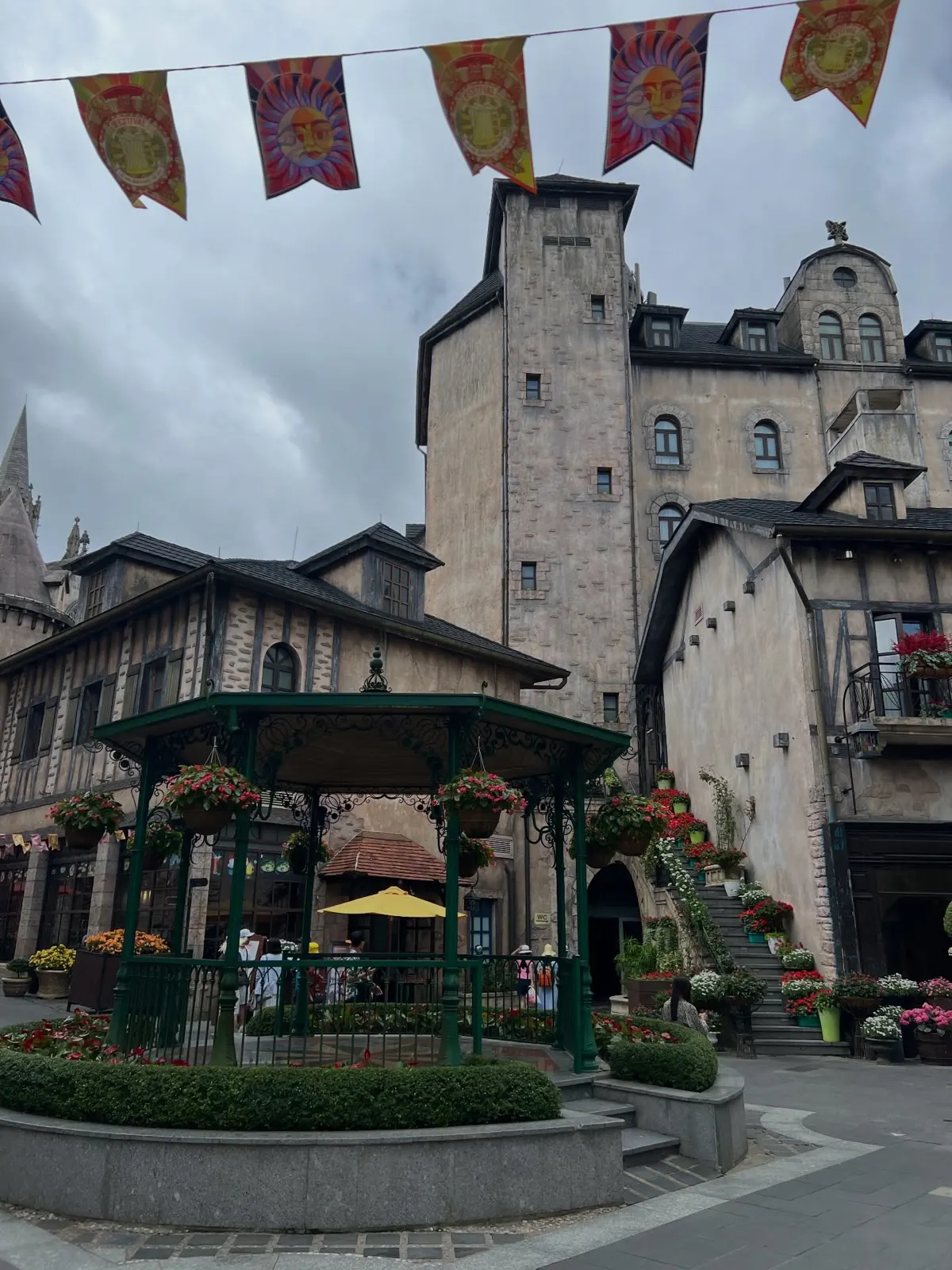
Da Nang, a prominent city in Central Vietnam, presents a compelling mix of rapid urban development and a relaxed coastal atmosphere. Recognized as a significant hub, it serves as an excellent destination for travelers seeking both leisure and adventure. Visitors to Da Nang will find a wide array of activities, ranging from serene beach days and mountain excursions to cultural explorations and lively evening entertainment.
Coastal Beauty and Water Activities
The coastline of Da Nang is famous for its extensive sandy stretches, offering ample opportunities for relaxation and aquatic pursuits. My Khe Beach, extending approximately 20 miles along the city's eastern shore, is known for its clean environment, inviting golden sands, and clear waters. It provides an ideal setting for sunbathing, swimming, or engaging in various water sports. The atmosphere here is typically refreshing and less crowded, allowing for a peaceful day by the sea.
For those interested in exploring marine life, Cham Island, located about an hour from the city center, is a popular choice for a day trip. This island boasts clear blue waters and diverse coral reefs, making it a prime location for snorkeling. Even individuals who are not confident swimmers can participate, as guided tours typically provide clear instructions, safety equipment, and support. Many operators also offer photo and video services for a fee, allowing visitors to capture their underwater experiences.
Mountainous Landscapes and Architectural Wonders
Da Nang's surrounding areas feature impressive natural landscapes and unique architectural sites. Ba Na Hills, situated approximately 25 kilometers from the city center, is a mountain resort renowned for its European-inspired design and the iconic Golden Bridge. This bridge, positioned 1414 meters above sea level and stretching about 150 meters, offers a distinctive pathway connecting a cable car station to elaborate gardens, providing panoramic views.
The Hai Van Pass, a 20-kilometer coastal road connecting Da Nang with Hue, ascends to 500 meters above sea level. Part of the Bach Ma Range, this pass is enveloped by clouds and offers expansive vistas, particularly favored for watching sunrise or sunset due to its dramatic scenery. It is a popular route for motorbike journeys, allowing travelers to pause and appreciate the surroundings. Another notable natural attraction, the Marble Mountains, lies about 8 kilometers from central Da Nang. These five distinct hills, composed of limestone and marble, house ancient temples and pagodas, making them a significant spiritual and recreational site for those who enjoy outdoor exploration.
Further enhancing the region's natural appeal is the Son Tra Peninsula, located just 10 kilometers from the city. Accessible by car, taxi, or motorbike, it hosts attractions like Linh Ung Pagoda and Ban Co Peak. The peninsula is unique for its primeval forest, which merges with a marine ecosystem, offering a cool climate suitable for various activities and providing a tranquil escape with remarkable views.
Cultural Immersion and Historical Insights
Da Nang and its vicinity offer rich opportunities for cultural and historical discovery. My Son Sanctuary, a UNESCO World Heritage Site, consists of a collection of ancient ruins that formed the heart of the Champa Kingdom. Visitors can observe architectural masterpieces and intricate carvings that have endured for eight centuries, providing a window into ancient Cham culture and history.
For a deeper understanding of more recent history, the Fifth Military Division Museum of Da Nang provides a detailed look into the Vietnam War. The museum is organized into four main sections, displaying significant artifacts such as letters and photographs from soldiers. These exhibits offer compelling narratives and insights into the conflict's impact. Additionally, Da Nang is home to several significant spiritual sites, including Linh Ung Pagoda, Phap Lam Pagoda, and Cao Dai Temple. These locations are not only places of worship but also showcase sophisticated and culturally rich architecture, inviting visitors to appreciate their design and learn about local traditions.
Local Flavors and Evening Experiences
Exploring Da Nang's local markets and culinary scene is an integral part of the travel experience. Con Market, located in the central Hai Chau District, is a prominent local marketplace with over 2,000 stalls. It offers a wide variety of goods, from household items and fashion to local handicrafts and an extensive selection of street food. This market provides an excellent opportunity to sample authentic local dishes and find unique souvenirs. For those interested in unique purchases, local markets are often the best source.
Trying local cuisine is an effective way to connect with Da Nang's culture. While some dishes, like Balut (fertilized duck egg), might seem unusual to international visitors, many who try them report a surprisingly distinct flavor. Snail dishes are another local specialty, prepared in numerous ways that highlight their juiciness and taste. These culinary experiences are readily available in local restaurants, street stalls, and markets throughout the city.
Evenings in Da Nang offer their own attractions. The Dragon Bridge, a 666-meter-long structure designed in the shape of a dragon, is a central landmark. On Saturday and Sunday evenings, typically around 9:00 PM, the bridge hosts a captivating lighting show that includes the dragon appearing to breathe fire and water. Walking along the waterfront during this display is a popular activity. For those seeking nightlife, Sky 36, situated atop the Novotel Premier Da Nang Han River, is recognized as Vietnam's highest sky bar. It offers luxurious ambiance, professional service, and trendy music, all complemented by expansive views of the city lights.
Practical Travel Information and Recommendations
Navigating Da Nang and its surroundings can be an adventure in itself. Renting a motorbike is a popular option for travelers who wish to explore at their own pace, particularly for scenic routes like the Hai Van Pass. This mode of transport allows for spontaneous stops to enjoy the views and fresh air.
For visitors managing finances during their trip, understanding local banking services is important. Da Nang provides various options for international visitors to handle transactions and access funds. More information on banking services in Da Nang can assist travelers in planning their financial needs.
Key Venues and Details
| Venue | Description | Location | Operating Hours/Notes |
|---|---|---|---|
| Con Market | Extensive local market with over 2,000 stalls selling goods, handicrafts, and street food. | Hai Chau District, Central Da Nang | Typically open daily (verify current hours locally) |
| Sky 36 | Vietnam's highest sky bar, offering luxury ambiance and city views. | Novotel Premier Da Nang Han River | Evenings (verify current hours locally) |
| Dragon Bridge Show | Fire and water show from the dragon-shaped bridge. | Along the Han River | Saturdays & Sundays, approximately 9:00 PM (verify current schedule) |
Frequently Asked Questions
What are the primary attractions in Da Nang?
Da Nang's main attractions include My Khe Beach for relaxation, Ba Na Hills with the Golden Bridge for unique architecture and views, the historical My Son Sanctuary, and the scenic Hai Van Pass. The city also offers cultural sites like the Marble Mountains and various pagodas.
Is Da Nang suitable for family travel?
Yes, Da Nang is well-suited for families. It offers clean beaches for swimming and water sports, engaging cultural sites, and attractions like Ba Na Hills with its entertainment complex. The city's relatively calm atmosphere and diverse activities cater to different age groups.
What is the ideal time of year to visit Da Nang?
The dry season, typically from January to July, is generally considered the best time to visit Da Nang, offering sunny weather and calm seas. For surfing, the period from November to March is often recommended, though surfing is possible year-round.
How can visitors navigate Da Nang?
Visitors can get around Da Nang using taxis, ride-hailing services, or by renting motorbikes for more independent exploration. Public buses are also available for certain routes. For trips to nearby attractions like Ba Na Hills or Son Tra Peninsula, cars or motorbikes are common choices.
What local dishes should I try in Da Nang?
When in Da Nang, consider trying local specialties such as various snail dishes, which are prepared with diverse flavors. For adventurous eaters, Balut (fertilized duck egg) is a unique local experience. Street food at markets like Con Market provides a wide range of authentic options.








