
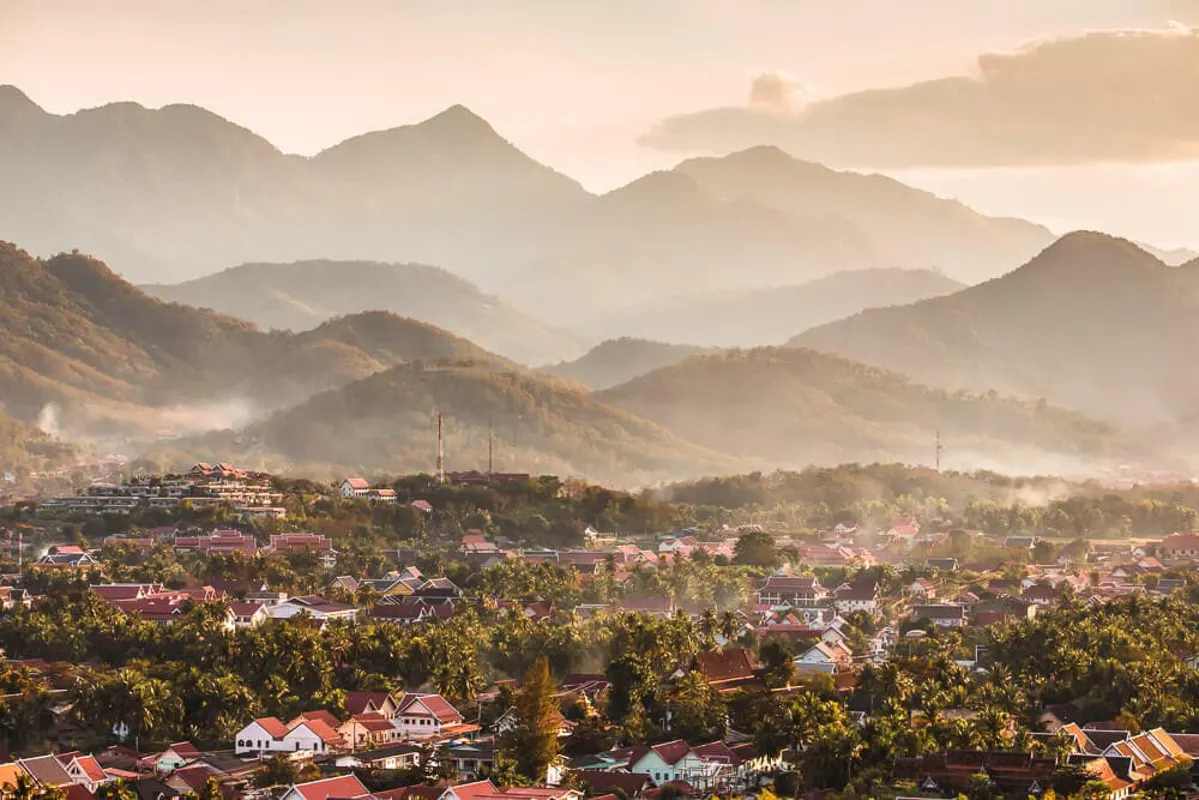
Luang Prabang, recognized as a UNESCO World Heritage Site, presents visitors with a distinctive blend of historical French colonial architecture and profound Buddhist traditions. The city invites a relaxed pace, allowing individuals to explore its narrow streets, appreciate the surroundings, and adapt to the calm local rhythm. This guide outlines numerous activities and experiences available in this unique Lao destination.
Exploring Cultural Heritage and Sacred Sites
Luang Prabang boasts a significant collection of ancient Buddhist temples and structures influenced by French colonial design, lining its pathways. A city tour can provide an overview of these highlights. A notable site is Wat Xieng Thong, situated at the northern tip of the old town peninsula, historically significant as a location for royal coronations. This complex is known for its elaborate gold leaf and detailed mosaic decorations, offering insights into Buddhist practices.
One of Laos's most revered traditions, the Morning Alms-Giving ceremony, known as Tak Bat, is particularly prominent in Luang Prabang. Starting around 5:30 AM, hundreds of monks, dressed in saffron robes, walk silently through the streets to receive food offerings from local residents. Devotees typically kneel, presenting items like rice, fresh fruit, and traditional sweets. Visitors wishing to participate should dress respectfully and maintain silence throughout the ceremony.
For those with limited time, a walking tour of the old quarter provides an excellent way to experience the city's numerous temples, learn about Buddhist culture, and visit the old royal palace. Starting early in the morning is often recommended. When visiting temple complexes, monks may be open to conversation if not engaged in duties, often appreciating the chance to practice English. These walks can be tailored to focus on temples, shopping, cultural exploration, or street food.
Mount Phousi, a hill approximately 100 meters high, stands centrally in Luang Prabang and is a popular spot for observing the sunset over the Mekong River. From its summit, visitors can enjoy expansive views of the city and the distant mountains. Along the ascent, several small temples offer opportunities for prayer and making offerings. Flowers and caged birds are available for purchase; local belief suggests releasing a bird brings good fortune.
Experiencing Nature and Adventure
The Kuang Si Waterfalls, a series of cascades, rank among Luang Prabang's most sought-after natural attractions. At the base of the falls, numerous pools of clear, turquoise water and smaller drops (ranging from 3 to 5 meters high) invite visitors. Most pools are suitable for swimming, though one area is designated as sacred and closed. The surrounding park provides shaded areas and picnic spots, making it ideal for a relaxed family outing. Transportation to the falls can be arranged via tuk-tuk rental or private car with a driver.
The Mekong River, a vital waterway for Laos, supports the daily life of many rural communities through transport and fishing. A boat excursion offers a perspective on this region. A popular short trip from the city leads to the Pak Ou Buddha Caves, located about 25 kilometers north of Luang Prabang at the confluence of the Mekong and Nam Ou rivers. These caves, Tham Ting and Tham Phoum, have a history spanning thousands of years and house numerous antique Buddha statues. Nearby is Ban Xang Hai Village, known for its traditional wine production, making it a suitable combined visit. Luxury riverboats also operate on the Mekong between Luang Prabang and Huay Xai.
For those seeking engagement with local wildlife, the Elephant Park Project Area, situated about 15 kilometers outside of town amidst mountainous terrain, offers activities such as elephant riding. These rides typically last an hour, traversing jungle and plantation areas, as well as parts of the Nam Khan River. The experience can be combined with other activities like trekking, kayaking, mountain biking, or homestay programs, with multi-day tours providing opportunities for village stays.
Luang Prabang provides diverse trekking opportunities suitable for various fitness levels. These excursions offer a different perspective on the country and its local communities. Several companies organize treks to areas accessible only by foot, including routes to Tad Sae Waterfall or Kuang Si Falls, and visits to H'Mong and Khmu hill tribe villages. Green Discovery and Luang Prabang Fair Trek are among the operators offering trips ranging from one day to several days, available year-round. Luang Prabang Fair Trek also features a hiking adventure to the Elephant Park Project, which includes a visit to the Tad Sae Waterfalls.
The region is also suitable for rafting and kayaking, often integrated into trekking tours. Options include trips starting north of Luang Prabang, passing through Khmu and Hmong villages before an overnight stay with a H'Mong family in Pha Peung. More energetic kayaking trips allow observation of local river life and navigating intermediate rapids. Two-day kayaking adventures may include cliff jumping into the Nam Xeuang River and an overnight stay in a Khmu village. For a gentler pace, half or full-day kayaking trips are available on the Nam Khan River.
Golf enthusiasts can find an 18-hole championship course with views of the Mekong River and surrounding mountains. The course is located approximately a 10-minute drive from the town center and 15 minutes from the airport, in Ban Houiphai, Khet Sangkhalok. Facilities include a pro-shop, a driving range, and a restaurant serving Lao cuisine.
Culinary Delights and Local Markets
Luang Prabang offers a wide array of dining options, featuring traditional Lao and Luang Prabang-style dishes, alongside Thai, Indian, Chinese, and European cuisines. Local specialties to consider include 'aur lam,' a thick stew made with a forest herb; 'mai sakhan,' featuring meat and eggplant; 'jeow bong,' a chili and buffalo skin sauce; and 'khai pan,' dried river weed fried with sesame seeds and garlic. The city's street food scene, particularly at the night market, provides a diverse selection of savory options from numerous stalls, where vendors are generally welcoming and unpressured.
For those interested in learning local cooking techniques, Luang Prabang is an excellent location for Laotian cookery classes. Several restaurants and hotels offer these courses. Day classes typically commence with a visit to a fresh market to learn about essential Lao herbs and spices. Participants then prepare four to six dishes and receive printed recipes to take home. Shopping for local products is also a key experience.
The most prominent shopping opportunity in Luang Prabang is the Night Market on Sisavangvong Road, where women from nearby villages sell handmade and natural local products. Look for the “Luang Prabang Handicraft Label” to ensure authenticity. Various gift shops throughout the town offer textiles and household items. For fresh produce, including meat, vegetables, and herbs, Phousi Market is the place to visit.
Relaxation and Evening Activities
Numerous spas are available in Luang Prabang, offering services at various price points, from approximately 5 USD to 100 USD, depending on the desired level of comfort. Available treatments often include traditional Lao massage, Thai massage, body massage, head or foot massage, oil massage, and aromatherapy, sometimes combined with pedicure, manicure, and steam baths. Visitors concerned about hygiene may consider bringing their own towel and sarong.
Biking provides a convenient method for exploring the town's side streets and many temples, especially when walking long distances in warm weather might be uncomfortable. The roads are generally safe due to limited car traffic, allowing access to various parts of the town. Many hotels offer bicycles free of charge; otherwise, rental rates are typically around 1.5 to 3 USD per day. Cycling enthusiasts might also consider a full-day biking tour to experience the Luang Prabang countryside, crossing rivers to reach remote villages.
While Luang Prabang is not primarily known for its nightlife, a few smaller establishments remain open past midnight, providing spaces for conversation and drinks. These include Icon Klub, Dao Fah Night Club, Red Bul Bar, and Utopia Bar.
Recommended Local Venues and Services
For visitors seeking specific services or activities, Luang Prabang offers several named establishments. Please note that specific addresses, phone numbers, and detailed operating hours were not provided in the source material for these venues. It is advisable to verify current details directly with the establishments or through local inquiry.
- Cooking Schools: Tamarind Garden Lakeside Cooking School, Tum Tum Cheng Cooking School, Tamnak Lao Restaurant and Cooking School. These schools typically offer day classes that include market visits and hands-on preparation of Lao dishes.
- Nightlife Venues: Icon Klub, Dao Fah Night Club, Red Bul Bar, Utopia Bar. These are among the limited options for evening entertainment in the city.
- Trekking and Tour Operators: Green Discovery, Luang Prabang Fair Trek. These companies organize various trekking and adventure tours, including visits to waterfalls and ethnic villages.
- Golf Course: Luang Prabang Golf Club. Located in Ban Houiphai, Khet Sangkhalok, approximately 10 minutes from the town center and 15 minutes from the airport. Offers an 18-hole course, pro-shop, driving range, and restaurant.
Frequently Asked Questions
What are the must-see cultural attractions in Luang Prabang?
Key cultural attractions include Wat Xieng Thong, a historically significant temple for royal coronations, and the Royal Palace Museum. Observing the Morning Alms-Giving ceremony (Tak Bat) is also a profound cultural experience. Climbing Mount Phousi offers both spiritual significance and panoramic views of the city.
Are there opportunities for outdoor activities and nature exploration?
Yes, Luang Prabang provides numerous outdoor activities. The Kuang Si Waterfalls are popular for swimming and picnics. River cruises on the Mekong, particularly to the Pak Ou Buddha Caves, offer scenic views and historical insights. Trekking, kayaking, rafting, and even golf are also available for those seeking adventure or relaxation in nature.What local dishes should visitors try in Luang Prabang?
Visitors should sample local specialties such as 'aur lam' (a thick stew), 'mai sakhan' (meat and eggplant dish), 'jeow bong' (a spicy chili sauce), and 'khai pan' (fried river weed). The night market is an excellent place to explore a wide variety of street food options.Can I learn to cook Laotian food in Luang Prabang?
Absolutely. Luang Prabang is a recognized destination for Laotian cooking classes. Several restaurants and dedicated cooking schools offer courses that often begin with a market visit to learn about local ingredients, followed by hands-on preparation of multiple traditional dishes.
What are the transportation options for getting around Luang Prabang and to nearby attractions?
Within the town, biking is a popular and convenient option, with many hotels offering free bicycles or rentals available for a small daily fee (around 1.5 to 3 USD). For longer distances or trips to attractions like Kuang Si Waterfalls, visitors can rent tuk-tuks or private cars with drivers. Riverboats are used for excursions on the Mekong, such as to the Pak Ou Caves.








