
Thailand presents a wide array of activities for those exploring its landscapes and cultural offerings. From historical sites to modern entertainment and natural wonders, visitors can find many engaging experiences. This guide outlines some of the most popular activities available across the country, providing insights into various ways to engage with Thai culture and scenery.
Nightlife and Entertainment Experiences
Thailand is recognized for its distinctive approach to nighttime entertainment, with certain districts operating under government allowance. These areas offer a variety of performances and venues that attract many visitors seeking novel experiences after dark. Expect to find lively bars, unique shows, and various forms of entertainment.
As evening arrives, these entertainment zones become animated with lights and activity. Streets may feature pole dancing, karaoke establishments, and other performances. It is advisable for first-time visitors to research specific services beforehand to ensure a comfortable and expected experience.
Another prominent aspect of Thai entertainment is its cabaret shows. These productions often feature performers known for their elaborate costumes and captivating presentations. These shows contribute significantly to the country's appeal for many international guests.
Some cabaret performances are also referred to as "sex shows" and typically include various themed acts. The source mentions four specific 90-minute shows: the White Show, Black Show, Russian Show, and the Big Eyes Show, which is highlighted as the main attraction. These performances generally run daily from 6 p.m. to 11 p.m. While tickets are usually easy to acquire, patrons might experience waiting times before entry.
Shopping and Market Exploration
Thailand maintains an active atmosphere throughout the day and night, with its evening markets being a notable characteristic. After daytime sightseeing, exploring these local and night markets offers opportunities for both retail therapy and culinary discovery.
Visitors can often find fashionable goods at competitive prices and sample a wide selection of local foods. Engaging with these markets provides an authentic glimpse into local commerce and daily life.
Some well-known night and local markets include:
- Train Night Market - Ratchada (Talad Rot Fai)
- Talad Neon Night Market
- Chang Chui Bangkok Plane Market
- Artbox Container Night Market
- Bangkok Night Market Asiatique the Riverfront
- Siam Square Night Market
- Khaosan Road
- Chinatown
Beyond the night markets, Thailand is also famous for its floating markets, which offer a unique shopping and dining experience. Here, vendors conduct business directly from boats, creating a colorful and dynamic scene. These markets cater to both tourists and local residents, providing a natural and authentic setting for trade.
Prominent floating markets to consider visiting include Amphawa, Damnoen Saduak, and Khlong Lat Mayom. These locations are considered essential stops for many travelers seeking a distinctive Thai experience.
Cultural Celebrations: The Songkran Festival
The Songkran Festival, Thailand's renowned water festival, takes place annually from April 13th to 15th. This event marks the traditional Thai New Year and carries significant cultural meaning. The act of splashing water on others is believed to wash away misfortunes from the past year and invite good luck for the year ahead.
Historically, fragrant water was used during this holiday. Over time, the water-splashing activities have evolved into larger public celebrations, attracting both domestic and international participants. Engaging in the water festivities is seen as a way to bestow good wishes upon others for the New Year.
Major cities such as Bangkok, Ayutthaya, Khon Kaen, Phuket, and Chiang Mai host Songkran celebrations. Chiang Mai is particularly recommended for those interested in experiencing more traditional aspects of the festival, including processions and ceremonial bathing of Buddha images.
A Culinary Journey Through Thai Street Food
Sampling Thai street food in Bangkok is considered a highlight for many visitors. Thai cuisine is celebrated for its intricate balance of fresh ingredients, herbs, and spices. Dishes frequently feature a complex interplay of spicy, sour, sweet, and savory notes, creating distinct and memorable tastes. This culinary artistry is particularly evident in the country's street food offerings.
When exploring Thai street food, several dishes are frequently recommended:
| Dish Name | Key Ingredients | Flavor Profile |
|---|---|---|
| Prata | Pancake, condensed milk, chocolate syrup (optional: banana) | Sweet, aromatic |
| Tom Yum Goong | Lemongrass, chili, galangal, lime leaves, seafood | Sour, spicy, sweet, savory |
| Pad Thai | Rice noodles, eggs, tofu, tamarind, fish sauce, jaggery, peanuts, shrimp | Sweet, sour, savory, slightly spicy |
Prata is a straightforward pancake often served with condensed milk and chocolate syrup for a sweet and fragrant treat. Banana-flavored Prata is also a widely enjoyed variation, commonly found at numerous street stalls across Bangkok.
Tom Yum Goong is a quintessential Thai soup, characterized by its seasoning with ingredients like lemongrass, chili, galangal, and lime leaves. This combination results in a seafood soup with a distinctive sour, spicy, and sweet taste.
Pad Thai, or stir-fried noodles, is a traditional and familiar dish. It typically consists of stir-fried rice noodles combined with eggs, tofu, a touch of red chili, tamarind powder, fish sauce, and palm sugar. After preparation, it is often mixed with roasted peanuts, fresh or dried shrimp, and garlic or shallots. A squeeze of lemon juice can be added for an extra sour note. Beyond the classic recipe, chefs may also incorporate other ingredients such as bean sprouts, turnips, crab, squid, or chicken.
Historical Sites and Outdoor Adventures
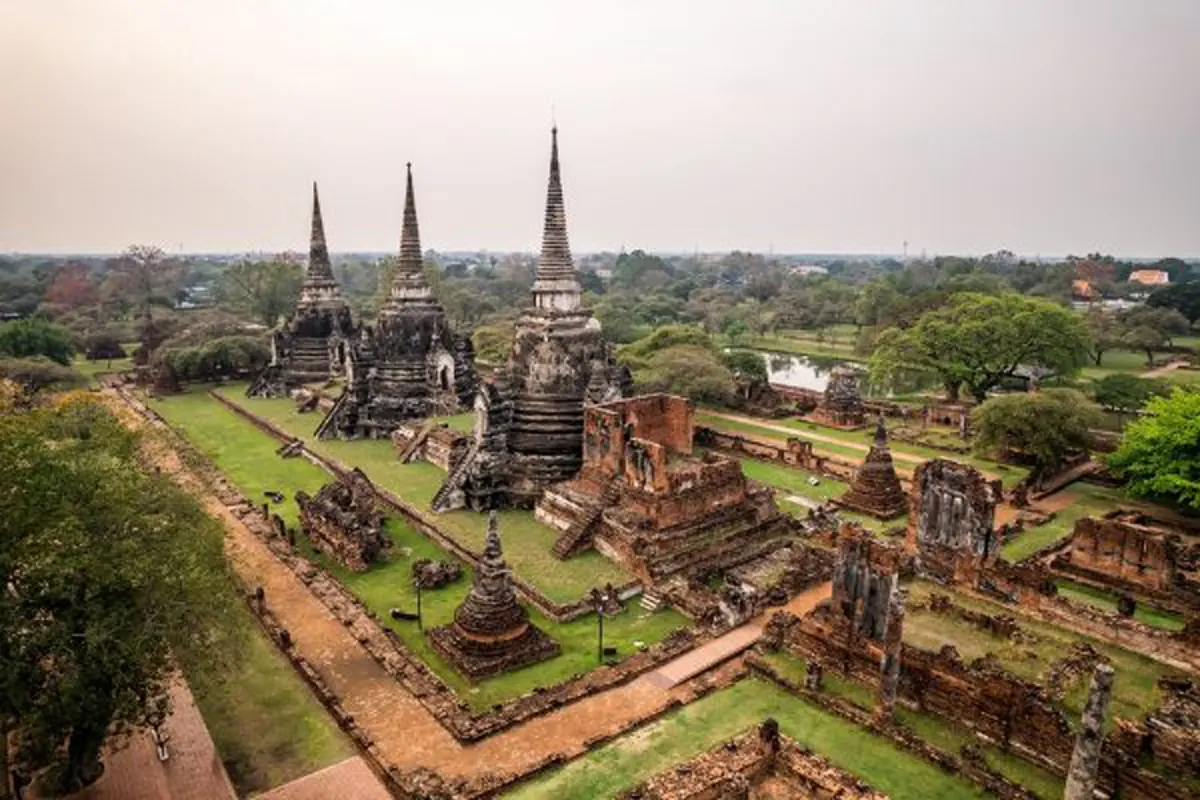
Beyond its contemporary attractions, Thailand is home to significant historical sites and opportunities for outdoor activities. The ancient city of Ayutthaya, for instance, served as the capital of Thailand for four centuries and was designated a UNESCO World Intangible Cultural Heritage site in 1991. Its historical structures attract numerous visitors.
Key historical sites within Ayutthaya include Wat Phra Mahathat, Wat Ratchaburana, Wat Phra Si Sanphet, Wat Chaiwatthanaram, and Wat Lokaya Sutha, each offering a glimpse into the region's past.
For those seeking adventure, ziplining in Chiang Mai offers an exhilarating experience. This northern region is known for its mountainous terrain and dense forests, providing an ideal setting for aerial excursions. Ziplining courses allow participants to glide through the forest canopy, offering elevated views of valleys and rock formations, transforming initial apprehension into excitement.
Chiang Mai is also recognized for its numerous elephant sanctuaries. These conservation areas provide a natural habitat for elephants, allowing visitors to observe and interact with these animals in an ethical environment. While elephants are not uncommon in the region, the unique approach of these sanctuaries draws considerable interest from travelers.
Coastal Relaxation and Beach Escapes
After exploring Thailand's cultural and adventurous offerings, many visitors seek relaxation on its renowned beaches. The country boasts many beautiful coastal areas perfect for unwinding. Popular beach destinations include Phuket Island, Koh Samui, Hua Hin, Krabi, and Pattaya.
Spending time by the sea, whether swimming in the ocean or enjoying the sun on the sand, provides a refreshing conclusion to a Thai itinerary. For those interested in similar coastal experiences in other Southeast Asian destinations, exploring Halong Bay's best beaches offers another excellent option for seaside tranquility.
Frequently Asked Questions
What are some unique cultural experiences available in Thailand?
Thailand offers several distinctive cultural experiences, including attending traditional cabaret performances, exploring the unique floating markets where goods are traded from boats, and participating in the annual Songkran water festival, which celebrates the Thai New Year with symbolic water splashing.
Where can I find good shopping opportunities in Thailand?
For shopping, Thailand is well-known for its extensive night markets and local markets, particularly in cities like Bangkok. These markets offer a wide range of products from fashion items to local crafts, often at competitive prices. Floating markets also provide a unique setting for purchasing goods and local produce.
What traditional dishes should I prioritize trying in Bangkok?
In Bangkok, visitors are encouraged to sample iconic street food dishes such as Prata, a sweet pancake often served with condensed milk; Tom Yum Goong, a sour, spicy, and sweet seafood soup; and Pad Thai, a classic stir-fried noodle dish with a balance of flavors.
Is Thailand suitable for adventure activities?
Yes, Thailand provides various adventure opportunities. Chiang Mai, in particular, is a popular destination for activities like ziplining through forest canopies, offering exhilarating views. The region also hosts numerous elephant sanctuaries where visitors can engage with elephants in a natural setting.
What historical sites are important to visit in Thailand?
The ancient city of Ayutthaya is a significant historical site, recognized as a UNESCO World Intangible Cultural Heritage. It served as Thailand's capital for 400 years and features impressive ruins of temples and palaces, including Wat Phra Mahathat and Wat Chaiwatthanaram.








