
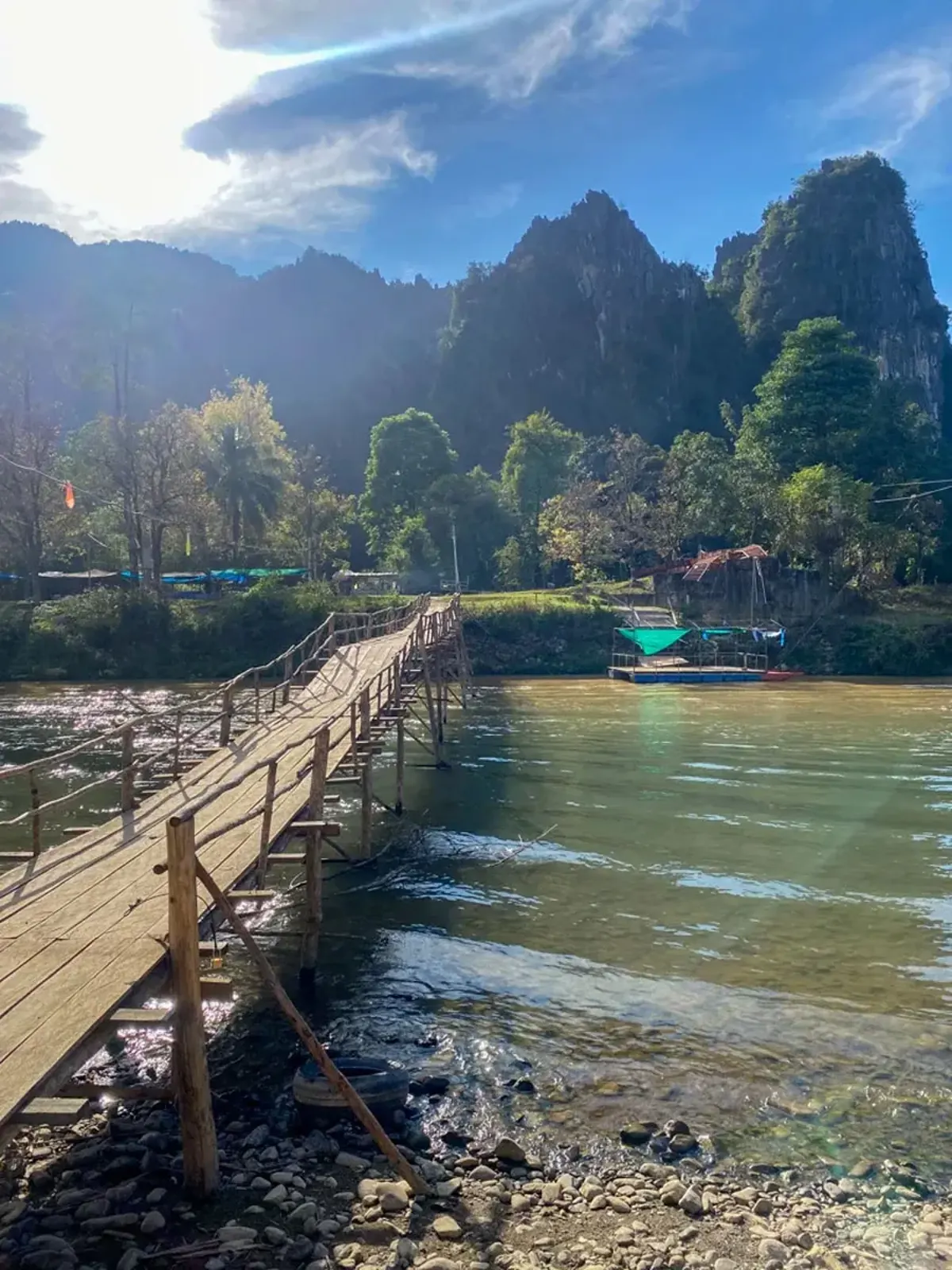
Laos, a landlocked nation in Southeast Asia, provides a compelling alternative for travelers interested in active outdoor pursuits rather than coastal relaxation. Its interior is characterized by extensive mountain ranges and dense rainforests, presenting numerous opportunities for hiking and multi-day treks. For those seeking to experience the country's untouched wilderness and local cultures on foot, Laos offers a variety of trails suitable for different levels of experience.
The country's undeveloped regions and slower pace of life make it an appealing destination for adventurers. These recommended trekking areas promise engaging and rewarding experiences for individuals eager to explore Laos' natural environment.
Notable Trekking Routes Across Laos
Laos features a range of trekking experiences, from gentle walks through rural communities to demanding expeditions deep within protected areas. Each route offers a distinct perspective on the country's diverse ecosystems and ethnic heritage.
For visitors planning a trekking trip, understanding the specific characteristics of each area can help in selecting the most suitable adventure. The trails often lead through varied terrain, including forests, rice paddies, and alongside rivers, providing both physical challenge and cultural immersion.
Tad Lo Village Trekking
The tranquil settlement of Tad Lo, situated in Salavan Province approximately 85 kilometers from Pakse, serves as a relaxed base for short backpacking excursions. Trekkers can spend a few days exploring the surroundings and enjoying the peaceful village atmosphere.
A well-trodden path through the jungle leads to a series of three waterfalls within a 10-kilometer radius of Tad Lo. Tad Hang is the initial and most accessible waterfall, often considered suitable for swimming and enjoying a cool beverage. Approximately 1.5 kilometers upstream lies Tad Lo waterfall, followed by Tad Soung, located about 8 kilometers further upstream. Visitors considering climbing or jumping from the top of a waterfall should verify local conditions, as water levels can rise significantly around 4 PM daily due to dam releases.
Beyond the trails, interactions with local Katu and Alak tribal communities offer cultural insights. For unique experiences, some visitors opt for elephant rides near the falls or participate in elephant bathing activities, often available at Tad Lo Lodge in the afternoons.
Bokeo Nature Reserve Exploration
Established in 2004 in northwestern Laos, Bokeo Nature Reserve spans 123,000 hectares of primary rainforest. This reserve is a habitat for a wide array of wildlife, including various rare animal species such as tigers, bears, elephants, and chimpanzees, alongside numerous bird and insect species.
Exploring the reserve provides an opportunity to engage with nature through authentic trekking paths within the dense tropical forest. The area is also known for its monkey bridges and zip-lining activities, which add an adventurous element to the experience. Many consider an overnight stay at the Gibbon Experience essential for a complete visit to Bokeo Nature Reserve. This distinctive treehouse accommodation offers an exceptional vantage point over the forest canopy.
It is important to note that the difficulty of the trails generally increases with deeper penetration into the reserve. While the forest scenery is often considered rewarding, trekkers should ensure they possess adequate physical fitness to manage the jungle's challenges.
Nam Ha National Protected Area Trails
The Nam Ha National Protected Area, located near Luang Namtha, is a popular destination for international adventurers seeking authentic trekking experiences in the Indochina region. Northern Laos is recognized for its unspoiled landscapes and impressive trails that showcase wildlife and jungle environments.
This protected area features a blend of deciduous forest and mountain ranges extending towards the Chinese border. Due to the lush conditions, trekking is generally recommended during the dry season. Some sections may lack defined paths, requiring trekkers to follow natural watercourses. Three major rivers—Nam Tha, Nam Fa, and Nam Long—flow southward through the area towards the Mekong. Exploring this region on foot offers both opportunities for nature observation and cultural understanding.
Kuang Si Falls Trek
Luang Prabang is a well-regarded area known for its natural beauty, ethnic villages, rich cultural heritage, and diverse wildlife, all conducive to memorable treks. Among its attractions, Kuang Si Falls stands out as a particularly striking natural formation that enhances any trekking experience.
Kuang Si Waterfall presents a harmonious blend of clear blue water and verdant jungle, creating a visually appealing landscape with natural pools. A trek through this scenic environment allows visitors to appreciate the turquoise waters and the trails winding through the tropical forest. Local stories often add a mystical dimension to the experience. After ascending to the top of the waterfall, visitors can enjoy swimming in the refreshing waters.
In addition to Kuang Si Falls, exploring nearby attractions in Luang Prabang is often suggested. Treks through rice paddies, agricultural lands, jungle forests, and local villages provide a peaceful way to gain insight into rural life and the diverse cultures of the area's ethnic minority groups.
The 100 Waterfalls Hike
The 100 Waterfalls trail in northern Laos comprises a series of cascading falls and has historically served as a direct route connecting various villages within the Nam Ou valley. The starting point for this hike is approximately 10 kilometers downriver from Nong Khiaw, near Don Khoun Village.
This hike involves navigating multiple levels of interconnected waterfalls, presenting challenging trekking sections and watery terrain. While the exact count of one hundred waterfalls may be symbolic, the route is known for its thrilling elements, including grappling ropes, streams to wade through, and rocks to climb. It attracts experienced trekkers seeking an engaging physical challenge.
Attapeu Region Expeditions
Attapeu, located in southern Laos, offers one of the less-traveled trekking routes, appealing to those who seek untamed nature and unique ethnic cultures. These less-explored trails provide an escape from urban environments into rugged mountains, scenic valleys, and tranquil rivers.
Points of interest in the region include dense jungle, the captivating Tad Phok and Tad Phaphong Waterfalls, Xe Pian National Protected Area, Ban Mai Village, and other ethnic communities. The cultural diversity in Attapeu has drawn international travelers interested in learning about different traditions and engaging in inspiring trekking experiences. An overnight stay in Attapeu can satisfy trekkers with an adventurous spirit. For homestay opportunities, Ban Mai Village, situated near the Xe Pian National Protected Area, is a common recommendation.
Phongsali Wilderness Treks
Phongsali is recognized as one of Laos' most remote and adventurous destinations for wilderness trekking. This elevated town is characterized by its mystical waterfalls, concealed caves, jungle paths, challenging mountains, and local hill-tribe settlements.
Trekking routes in Phongsali have received positive feedback from many international trekkers. These journeys often combine physical activity with cultural education. Numerous visitors have interacted with Khmu, Hmong, and other minority groups, finding inspiration in their narratives. Spending a few days staying with local families can offer a deeper understanding of daily life in these communities.
Choosing Your Laos Trekking Adventure
When selecting a trekking route in Laos, consider the duration of your trip, your fitness level, and the type of experience you seek. Some routes are suitable for day trips, while others require multi-day expeditions with overnight stays. Researching local conditions and engaging with reputable local guides can enhance safety and enjoyment.
| Trekking Route | Location | Key Features | Experience Level (General) |
|---|---|---|---|
| Tad Lo Village | Salavan Province (near Pakse) | Waterfalls (Tad Hang, Tad Lo, Tad Soung), Katu and Alak tribes, elephant activities | Easy to Moderate |
| Bokeo Nature Reserve | Northwestern Laos | Primary rainforest, diverse wildlife, monkey bridges, zip-lining, Gibbon Experience treehouses | Moderate to Challenging |
| Nam Ha National Protected Area | Luang Namtha (Northern Laos) | Deciduous forest, mountain ranges, Nam Tha, Nam Fa, Nam Long rivers, cultural immersion | Moderate |
| Kuang Si Falls | Luang Prabang | Turquoise waterfalls, natural pools, lush jungle, nearby ethnic villages, rice paddies | Easy to Moderate |
| The 100 Waterfalls | Nam Ou Valley (near Nong Khiaw) | Series of cascading waterfalls, challenging water crossings, ropes, climbing rocks | Challenging |
| Attapeu | Southern Laos | Untamed nature, Tad Phok & Tad Phaphong Waterfalls, Xe Pian NPA, ethnic communities (Ban Mai Village) | Moderate to Challenging |
| Phongsali | Northern Laos (high-altitude town) | Remote wilderness, waterfalls, caves, jungle trails, rugged mountains, Khmu & Hmong villages | Challenging |
Practical Advice for Trekkers in Laos
Preparing adequately for a trekking trip in Laos can significantly improve the experience. Understanding the local climate, packing essentials, and respecting cultural norms are important considerations for any outdoor adventure in the region.
Best Time for Trekking
The dry season, typically from October to April, is generally considered the most favorable period for trekking in Laos. During these months, rainfall is minimal, and trails are less muddy, making conditions more manageable. The wet season, from May to September, can bring heavy rains, leading to slippery paths and swollen rivers, which may increase the difficulty and potential hazards of some routes.
Essential Packing List
- Footwear: Sturdy hiking boots or shoes with good grip are crucial, especially for uneven or wet terrain.
- Clothing: Lightweight, breathable, and quick-drying clothing is recommended. Long sleeves and trousers can offer protection from insects and sun.
- Rain Gear: A waterproof jacket or poncho is advisable, even during the dry season, for unexpected showers.
- Insect Repellent: Essential for protection against mosquitoes and other insects, particularly in jungle areas.
- Sun Protection: Hat, sunglasses, and sunscreen are important for prolonged sun exposure.
- Water Bottle/Hydration Pack: Staying hydrated is vital; consider water purification tablets or a filter.
- First-Aid Kit: Include basic medical supplies, blister treatment, and any personal medications.
- Headlamp/Flashlight: Useful for early morning starts, late finishes, or overnight stays.
- Small Backpack: For day treks, carrying essentials. For multi-day treks, a larger, comfortable pack is needed.
Cultural Considerations
When visiting ethnic villages, it is respectful to dress modestly, especially when entering homes or religious sites. Always ask for permission before taking photographs of people. Offering small gifts or purchasing local handicrafts can be a way to support the communities. Learning a few basic Lao phrases, such as greetings, can also enhance interactions with local residents.
Frequently Asked Questions
Is it necessary to hire a guide for trekking in Laos?
For many routes, especially those in national protected areas or remote regions, hiring a local guide is highly recommended or even required. Guides possess invaluable knowledge of the terrain, local wildlife, and cultural nuances, and they can ensure safety while supporting local economies. Some trails may be unmarked or difficult to navigate without assistance.
What is the typical duration of a trek in Laos?
Trekking durations vary widely. Some popular routes, like portions of the Kuang Si Falls trek, can be completed as half-day or full-day excursions. Other more extensive adventures, such as those in Bokeo Nature Reserve or Phongsali, often involve multi-day expeditions with overnight stays in villages or designated accommodations.
Are there options for beginners or less experienced trekkers?
Yes, Laos offers treks suitable for various fitness levels. Routes like the initial sections around Tad Lo Village or the well-trodden paths to Kuang Si Falls are generally considered less strenuous and more accessible for beginners. It is advisable to research the specific trail's difficulty before planning a trip.
What kind of wildlife might I encounter while trekking?
Laos' protected areas are home to diverse wildlife, though sightings can be rare and often depend on luck and quiet observation. Common encounters might include various bird species, monkeys, and a wide array of insects. Larger mammals like elephants, bears, or even tigers (in areas like Bokeo Nature Reserve) are present but are typically elusive.
How can I minimize my environmental impact during a trek?
To minimize environmental impact, trekkers should always follow the








