
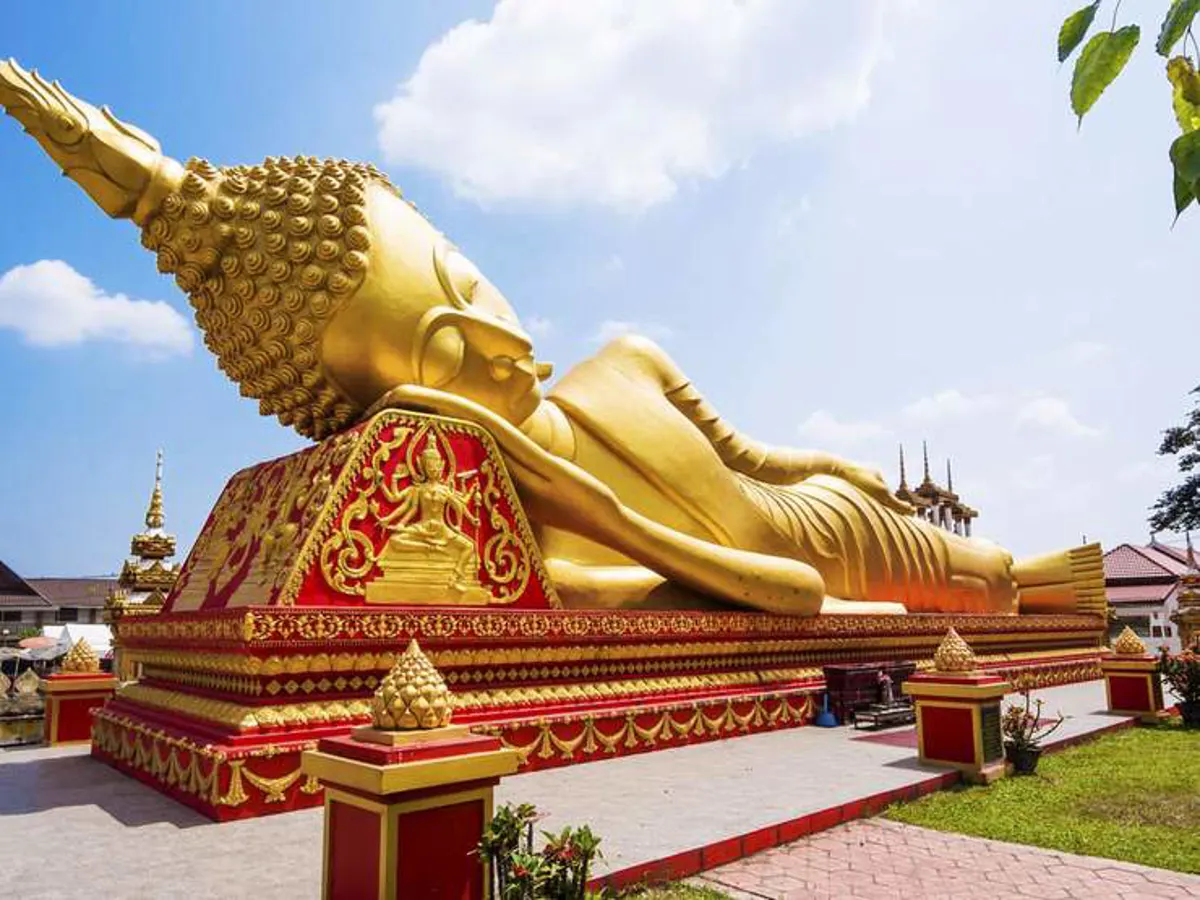
The artistic traditions of Laos are deeply rooted in its cultural and religious landscape, primarily shaped by Theravada Buddhism. This influence is evident across various creative forms, including visual arts, literature, performing arts, and architecture, offering a window into the nation's rich heritage.
The Foundations of Laotian Artistic Expression
Theravada Buddhism profoundly shapes Laotian culture, manifesting in its linguistic expressions, artistic creations, literary works, and performing arts. A substantial portion of Laos's enduring artistic tradition consists of Buddhist sculptures and paintings, which serve as central elements in religious sites and cultural narratives.
While the country maintains strong traditional roots, Laotian art is also undergoing a gradual evolution. As Laos continues to open up to external influences, artists are responding to new stimuli, leading to a slow but steady adaptation of existing forms and the emergence of fresh perspectives. Nevertheless, the nation's rich cultural heritage, with religious art and architecture, remains the cornerstone of its artistic identity.
Traditional Craftsmanship and Visual Arts
The physical artistic heritage of Laos encompasses a wide array of expressions, from ancient archaeological sites and significant religious monuments to well-preserved cultural landscapes and traditional settlements. Beyond these larger structures, a variety of highly developed crafts showcase the ingenuity and skill of Laotian artisans.
For centuries, the people of Laos have been self-sufficient, producing their own food, clothing, shelters, tools, and household items. The expertise required for these skills has been meticulously transmitted from one generation to the next, ensuring the preservation of traditional methods. The baskets, woven fabrics, and other handmade articles created were not only practical but also aesthetically pleasing, embodying the concept of traditional art forms where utility and beauty converge.
- Textile Weaving: Known for intricate patterns and natural dyes, reflecting regional and ethnic identities.
- Wood Carving: Often adorns temples, homes, and religious artifacts, depicting Buddhist stories or mythical creatures.
- Basket-Weaving: Essential for daily life, producing items from rice containers to fishing traps, often with decorative elements.
Performing Arts and Oral Literary Traditions
Laos possesses a rich tradition of oral literature, which includes a diverse collection of folk tales, stories for children, proverbs, parables, and poetic works. These narratives have been passed down verbally, preserving cultural wisdom and entertainment across generations.
In the realm of performing arts, two major traditions stand out. The first is the extensive and varied folk heritage of the 'lam' or 'khap' call-and-response folk song, along with its theatrical adaptation known as 'lam luang'. The second tradition involves the graceful classical music and dance, referred to as 'natasinh', which originated from the former royal courts. Laotian folk music is widely popular throughout the country, characterized by its spontaneous nature as it is typically played from memory rather than written scores. The primary instrument in this genre is the 'khean', a wind instrument constructed with a double row of bamboo-like reeds fitted into a hardwood sound box. The national folk dance is the 'lam vong', a social circle dance where participants move in concentric patterns.
Significant Architectural Heritage
Laos boasts a substantial architectural legacy, with several structures holding deep cultural and historical importance. One of the most renowned buildings is the Great Stupa of That Luang, located in Vientiane. This impressive monument is widely regarded as a national symbol, representing the country's spiritual and national identity.
Additionally, the temples situated in Luang Prabang have received international recognition, being designated a World Heritage Site. These sacred structures are distinguished by their graceful, sweeping roofs that extend low towards the ground, a characteristic feature of traditional Laotian architectural style. This unique design contributes to the serene and contemplative atmosphere of the temple complexes, reflecting centuries of religious devotion and craftsmanship.
External Influences on Laotian Artistic Development
Apart from contemporary visual arts, the traditional artistic expressions of Laos primarily evolved in response to religious beliefs and the political and social conditions that shaped the lives of its various ethnic groups. Many of these traditions, particularly in the fields of sculpture, music, and classical dance, demonstrate strong influences from the neighboring Khmer, Vietnamese, and Thai civilizations.
These interactions have led to a fascinating blend of regional styles and indigenous Laotian characteristics, creating a unique artistic identity that, while distinct, also shares common threads with its Southeast Asian neighbors. The exchange of ideas and techniques over centuries has enriched the artistic landscape of Laos, showcasing a dynamic cultural dialogue.
Frequently Asked Questions
What is the primary influence on Laotian art?
Theravada Buddhism is the most significant influence, shaping themes, forms, and expressions across various artistic disciplines in Laos.
What are some examples of traditional Laotian crafts?
Key traditional crafts include intricate textiles, detailed wood carvings, and practical basket-weaving, often with skills passed down through generations.
Is there a national instrument in Laos?
The 'khean,' a wind instrument made of bamboo-like reeds, is central to Laotian folk music and is widely considered the national instrument.
What is the significance of That Luang?
The Great Stupa of That Luang in Vientiane is a revered national symbol of Laos, representing its religious and cultural identity.
How have neighboring cultures impacted Laotian art?
Cultures from the Khmer Empire, Vietnam, and Thailand have contributed to the evolution of Laotian artistic forms, particularly in areas like sculpture, music, and classical dance.








