
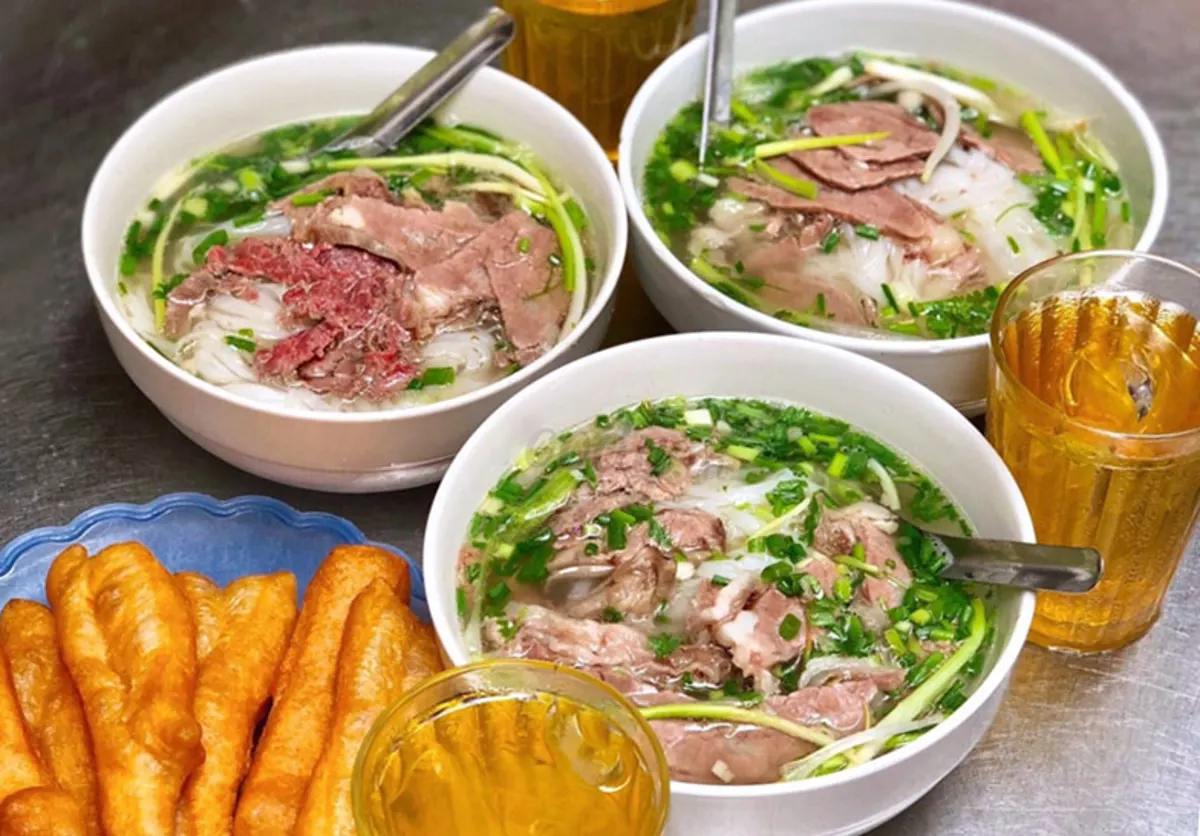
Vietnam's culinary landscape is widely recognized for its diverse and flavorful noodle preparations, which form a cornerstone of daily meals across the country. From hearty breakfast soups to intricate regional specialties, these dishes offer a comprehensive taste of Vietnamese gastronomy. Travelers exploring Vietnam will encounter a wide array of noodle options, each presenting unique ingredients, textures, and aromatic profiles that reflect the nation's rich food heritage.
The Significance of Noodles in Vietnamese Cuisine
Rice, a fundamental crop in Vietnam, serves as the primary ingredient for countless culinary creations, with noodles being a prominent example. The versatility of rice flour allows for the production of various noodle types, characterized by their distinct chewiness and often translucent appearance. These noodles are integral to Vietnamese dining, appearing in dishes consumed from morning until night.
The preparation of Vietnamese noodle dishes frequently involves slow-cooked broths, fresh herbs, and a balance of savory, sour, spicy, and sweet elements. This culinary approach highlights the country's agricultural traditions and its emphasis on fresh, locally sourced components. Understanding the role of rice and its derivatives provides insight into the depth and variety found within Vietnamese noodle culture.
Iconic Noodle Soups for Travelers
Among Vietnam's most celebrated noodle dishes, Phở stands out as a globally recognized symbol of the nation's cuisine. This warming soup features delicate rice noodles served in a clear, aromatic broth, traditionally prepared with either beef or chicken. The broth's depth of flavor is achieved through hours of simmering with dried spices such as cinnamon, star anise, cloves, cardamom, and coriander.
A typical bowl of Phở is completed with thin slices of beef or chicken, fresh lime wedges, and a selection of herbs including cilantro, basil, and mint. Many Vietnamese people traditionally consume Phở as their first meal of the day, appreciating its comforting and nourishing qualities. Another significant noodle soup is Bún Bò Huế, originating from the former imperial capital of Hue in Central Vietnam. This dish is known for its robust and intricate flavor profile, built upon a broth made from pork and beef bones, infused with lemongrass, shrimp paste, and lime juice. Bún Bò Huế is distinctly spicy, often incorporating vermicelli noodles and various additions like sliced brisket or crab meat balls, reflecting the city's royal culinary legacy.
Regional Noodle Specialties Across Vietnam
Beyond the widely known Phở and Bún Bò Huế, Vietnam offers a wealth of regional noodle dishes, each telling a story of its local culture and ingredients. In Hanoi, Bún chả presents a different kind of noodle experience. This dish combines fragrant, grilled pork patties and slices with soft vermicelli noodles, an assortment of fresh herbs like mint and coriander, and a savory dipping sauce known as nước chấm. Bún chả is deeply embedded in Hanoi's street food identity and communal dining customs. Visitors often pair it with Nem cua bể, crispy fried spring rolls filled with white crab meat, which complement the dish's flavors and textures. Hanoi's culinary scene offers a rich array of flavors.
Moving to Central Vietnam, specifically the Quang Nam province, Mì Quảng is a distinctive noodle bowl. It features flat yellow or white rice noodles served with a minimal amount of flavorful meat broth, accompanied by an array of fresh vegetables and herbs such as banana blossoms, lettuce, cilantro, scallions, and Vietnamese coriander. Mì Quảng is highly adaptable, commonly topped with ingredients like pork belly, chicken, shrimp, fish, boiled eggs, and roasted peanuts, providing a diverse textural and taste experience.
In Southern Vietnam, particularly in Ho Chi Minh City, Bánh canh is a popular choice. This thick noodle soup is characterized by its substantial noodles, made from tapioca or rice flour, and a broth that is notably thicker than other Vietnamese noodle soups, often resembling a gravy. The soup base is typically prepared from pork bones or sometimes chicken, and the dish comes in several variations, including Bánh canh giò heo (with pork trotters), Bánh canh cá lóc (with snakehead fish), or Bánh canh cua (with crab). This dish is widely available as a snack throughout Ho Chi Minh City, reflecting the city's diverse culinary landscape.
Other Notable Noodle Creations
Vietnam's noodle repertoire extends further to include several other regional specialties that offer unique flavors and preparations. From the ancient town of Hoi An, Cao Lau is a dish known for its distinct noodles, which are said to derive their unique texture and color from local well water and ash. This dish typically combines these special noodles with sliced pork, fresh greens, and crispy croutons, served with a small amount of broth.
Another notable dish is Bún mắm, a fermented fish noodle soup primarily found in the Mekong Delta region. It is recognized for its pungent aroma and rich, savory flavor, often including seafood, pork, and various vegetables. On Phu Quoc Island, Bún quậy, or "shaking noodles," offers a fresh and interactive dining experience. This dish features noodles made to order, combined with a broth and various seafood or meat ingredients, mixed vigorously before serving. Phu Quoc's Bun Quay Noodle is a distinctive dish.
Navigating Vietnam's Noodle Scene
Exploring Vietnam's noodle offerings is a rewarding aspect of any visit to the country. The sheer variety ensures that there is a dish to suit nearly every palate, from those seeking mild and comforting flavors to adventurers desiring spicy and complex tastes. Travelers are encouraged to sample different regional specialties to appreciate the full spectrum of Vietnamese culinary artistry.
For those looking for specific dining recommendations, resources such as the Michelin Guide 2023 can provide insights into establishments recognized for their quality and authenticity across Vietnam. Whether enjoying a simple bowl from a street vendor or a meal in a more formal setting, Vietnamese noodles offer an authentic and satisfying gastronomic experience. A comprehensive guide to Vietnam's essential dishes often highlights the importance of these noodle preparations.
Comparing Key Vietnamese Noodle Dishes
| Noodle Dish | Primary Region | Noodle Type | Broth Characteristics | Key Toppings/Ingredients |
|---|---|---|---|---|
| Phở | National (Northern origin) | Flat rice noodles | Clear, aromatic beef or chicken broth, simmered with spices (cinnamon, star anise) | Beef or chicken slices, lime, cilantro, basil, mint |
| Bún chả | Hanoi (Northern) | Vermicelli rice noodles | Savory dipping sauce (nước chấm) served separately, not a soup broth | Grilled pork patties/slices, fresh herbs (mint, coriander), often with crab spring rolls |
| Mì Quảng | Central Vietnam (Quang Nam) | Flat yellow or white rice noodles | Small amount of flavorful meat broth | Pork belly, chicken, shrimp, fish, boiled eggs, roasted peanuts, fresh vegetables |
| Bún Bò Huế | Hue (Central) | Vermicelli rice noodles | Spicy, rich, complex pork and beef bone broth with lemongrass and shrimp paste | Sliced brisket, crab meat balls, various herbs |
| Bánh canh | Southern Vietnam (Ho Chi Minh City) | Thick noodles (tapioca or rice flour) | Thick, gravy-like consistency, typically from pork bones or chicken | Pork trotters, snakehead fish, or crab |
Frequently Asked Questions
What distinguishes Vietnamese noodles from other Asian noodle dishes?
Vietnamese noodles are often made from rice flour, contributing to their characteristic transparency and chewy texture. The dishes frequently feature clear, aromatic broths simmered for many hours, combined with a generous array of fresh herbs, spices, and a balance of flavors that are both subtle and complex.
Are Vietnamese noodle dishes typically spicy?
While some Vietnamese noodle dishes, like Bún Bò Huế, are known for their distinct spiciness, many others, such as Phở, are generally mild. Most establishments provide chili, chili sauce, or fresh chilies on the side, allowing diners to adjust the level of heat according to their preference.
What is the best time of day to enjoy Phở?
Phở is traditionally consumed as a breakfast meal in Vietnam, offering a warm and nourishing start to the day. However, it is widely available throughout the day and evening, making it a popular choice for any meal.
How do regional noodle dishes differ across Vietnam?
Noodle dishes vary significantly by region due to local ingredients, historical influences, and culinary traditions. Northern dishes like Phở often feature clearer, more balanced broths. Central Vietnamese dishes, such as Mì Quảng and Bún Bò Huế, tend to be richer, spicier, and may use less broth. Southern dishes like Bánh canh often have thicker noodles and gravy-like soups, reflecting a preference for sweeter and richer flavors.








