
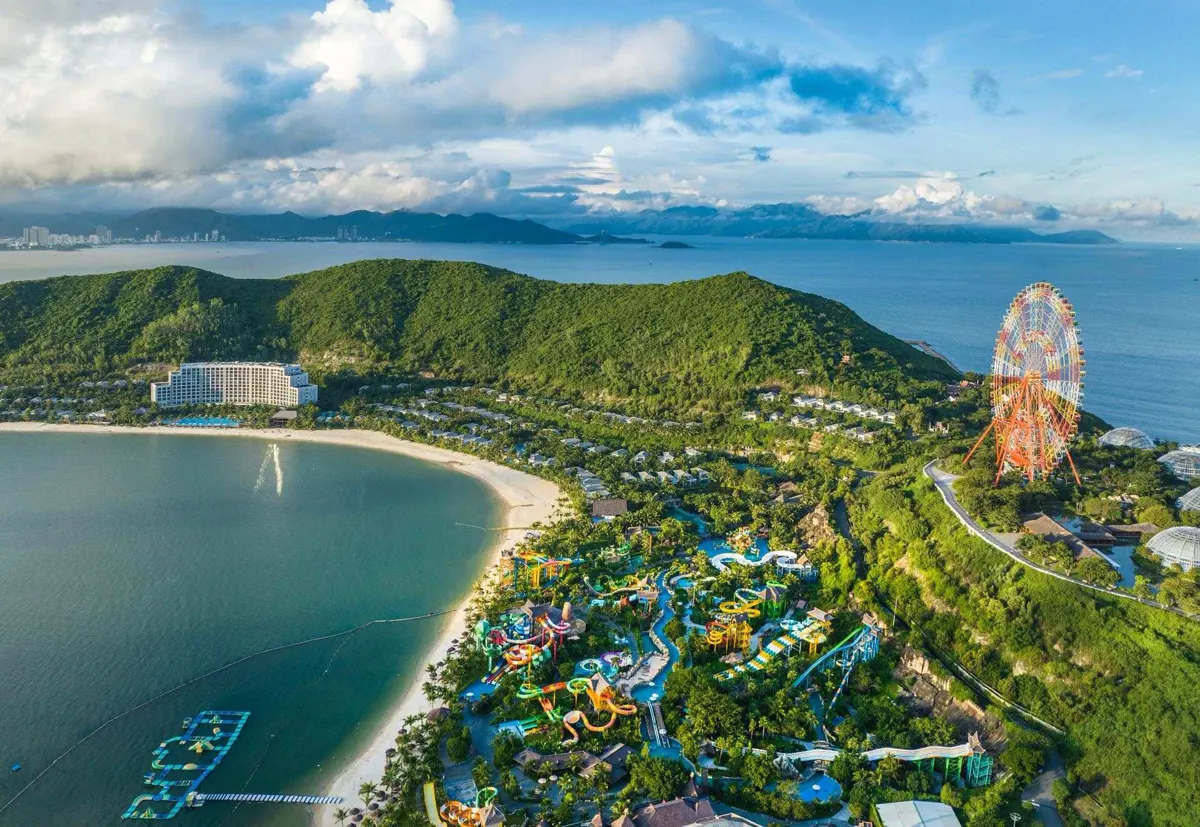
Nha Trang, a coastal city in Vietnam, offers a wide array of water sports for visitors seeking both relaxation and adventure. Its clear waters and diverse marine environment make it an ideal destination for various aquatic activities, from serene swimming to exhilarating diving and paddling experiences. The city's natural setting provides a perfect backdrop for engaging with the ocean.
Nha Trang: A Hub for Aquatic Recreation
Nha Trang's geographical features, including its extensive coastline, numerous beautiful bays, and freshwater rivers, create optimal conditions for a variety of water-based activities. Beyond its well-known beaches and culinary scene, the city is recognized for its opportunities in sea sports. The combination of varied topography, favorable climate, and hydrological conditions supports a thriving environment for aquatic recreation, making it a popular choice for those interested in active water pursuits.
The city's commitment to tourism means many water sports are supported by local operators who provide equipment and guidance. This accessibility ensures that individuals with varying skill levels, from complete beginners to experienced enthusiasts, can participate safely and enjoyably. The natural beauty of the area enhances the experience, offering scenic views both above and below the water's surface.
Underwater Exploration: Diving and Snorkeling in Nha Trang
Exploring the underwater world is a highlight for many visitors to Nha Trang, with both scuba diving and snorkeling offering unique perspectives on marine life.
Scuba Diving
Scuba diving in Nha Trang is an activity designed to be accessible, even for those who do not know how to swim, are overweight, or have vision impairments. Professional instructors are available to provide support and guidance throughout the experience. Participants receive essential gear, including a diving suit, mask, snorkel, and air tank. Before descending, divers learn fundamental movements and communication signals for use underwater. It is advisable to perform a thorough warm-up before entering the water. Many visitors opt to hire an additional person to capture photographs, preserving memories of colorful coral formations and schools of fish.
Snorkeling
Snorkeling in Nha Trang involves swimming near the water's surface while wearing goggles to observe the coral reefs below. For individuals who are not confident swimmers, wearing a life jacket allows them to float comfortably while still enjoying the view. Those proficient in swimming can dive deeper for a closer look at the marine environment. It is crucial to avoid touching or breaking coral, as many species are delicate and can be easily damaged by direct contact. Hon Mun is a particularly recognized location for snorkeling activities.
Surface Water Activities: Paddling, Rafting, and Kayaking
For those who prefer to stay on the water's surface, Nha Trang offers several engaging activities, from tranquil paddling to adventurous rafting.
Stand-up Paddling (SUP)
Compared to traditional surfing, stand-up paddleboarding is generally considered simpler to learn, with many beginners able to master the basics within a few hours. The use of a paddle allows participants to cover greater distances and enjoy the sport on various calm water bodies, such as bays, tranquil lakes, and even some river canyons. This activity provides a relaxing way to experience the water, offering opportunities to enjoy sunsets and fresh air while balancing on the board. Engaging in stand-up paddling can also contribute to physical well-being.
Kayaking
Kayaking is a popular activity that promotes physical fitness and endurance, gaining increasing favor among marine sports enthusiasts in Nha Trang. Paddling through the expansive sea and sky offers moments of peaceful relaxation amidst the gentle rhythm of the waves. Kayaking also helps develop composure, persistence, and resilience in unexpected situations. While paddling, visitors might observe schools of fish swimming in creeks or colorful coral reefs near seaweed beds.
Rafting
Rafting in Nha Trang is an adventure tourism option for those seeking excitement and a challenge against natural elements. These excursions typically occur on rivers characterized by steep inclines and numerous rapids, which participants navigate with their team. Safety is a priority, with technical teams providing comprehensive equipment and ensuring player security on the raft. Professional photographers are often present to capture dynamic moments throughout the journey.
Leisurely Pursuits: Swimming and Fishing
Beyond high-energy activities, Nha Trang also provides opportunities for more relaxed aquatic enjoyment.
Swimming
With its extensive and inviting beaches, Nha Trang presents a broad natural setting perfect for swimming. Visitors can enjoy the clear blue waters and soft sand, take leisurely strolls along the shore, or simply recline on the beach to listen to the waves. The area also offers splendid views of sunrise and sunset. Engaging in activities like building sandcastles or playing beach volleyball can further enhance these relaxing moments. The presence of lush green trees and mountain slopes alongside the clear sea adds to the scenic appeal of swimming in Nha Trang.
Fishing
For those interested in a calmer water activity, fishing excursions are available where guides provide rods and bait. The local waters host a variety of fish species, promising a relaxing experience and potentially a fresh catch. Areas with rocky shores connected to the mainland or offshore, known as rapids, are often ideal fishing spots due to their fast currents and strong, continuous waves, which tend to attract fish. Before heading out to sea for fishing, ensuring good health through adequate sleep and rest is recommended for an enjoyable trip. Additionally, preparing essentials such as sunscreen and anti-seasickness medication, and checking the weather forecast, is advisable.
Preparing for Your Water Sports Adventure
To ensure a safe and enjoyable experience with Nha Trang's water sports, some preparation and awareness are beneficial. Always prioritize safety by listening to instructions from guides and wearing appropriate safety gear, such as life jackets for snorkeling or rafting. Respecting the marine environment is also crucial; avoid touching or disturbing coral reefs and other marine life. Many activities are beginner-friendly, offering professional guidance and equipment.
For activities like fishing, personal health and comfort are key. Adequate rest, sun protection, and motion sickness remedies can significantly improve the experience. Checking local weather forecasts before any water excursion is also a wise practice. Should any medical assistance be required during your visit, information on healthcare services in Nha Trang is available.
| Activity | Description | Skill Level | Key Feature |
|---|---|---|---|
| Swimming | Enjoying the clear waters and sandy beaches. | Beginner | Relaxation, scenic views |
| Scuba Diving | Exploring underwater ecosystems with professional guidance. | Beginner (with support) | Coral reefs, diverse fish |
| Snorkeling | Viewing marine life from the water's surface. | Beginner (with life jacket) | Accessible underwater views |
| Rafting | Navigating rivers with rapids in a team. | Intermediate/Advanced | Adventure, thrill-seeking |
| Stand-up Paddling | Paddling on a board across calm water bodies. | Beginner | Relaxing, easy to learn |
| Kayaking | Propelling a small boat through the sea. | Beginner/Intermediate | Physical activity, close to nature |
| Fishing | Attempting to catch fish from the sea. | Beginner | Leisurely, potential fresh catch |
Frequently Asked Questions
Is Nha Trang suitable for beginners in water sports?
Yes, Nha Trang is highly suitable for beginners. Many water sports, including scuba diving and snorkeling, offer professional instructors and necessary equipment to ensure a safe and guided experience for those new to the activities.
Do I need to know how to swim for all water activities?
No, not all water activities require swimming proficiency. Scuba diving can be done with professional support even if you can't swim, and snorkeling is accessible for non-swimmers by wearing a life jacket.
What should I bring for a day of water sports?
It is advisable to bring swimwear, sunscreen, a hat, sunglasses, plenty of water, and potentially anti-seasickness medication if you are prone to motion sickness. A waterproof bag for personal items can also be useful.
Is it safe to touch coral while snorkeling or diving?
No, it is not safe or recommended to touch coral. Coral reefs are delicate living organisms that can be easily damaged or killed by human contact. Touching them can also pose a risk to divers, as some corals have sharp edges or can cause skin irritation.
When is the best time of year for water sports in Nha Trang?
The dry season, typically from January to August, generally offers the most favorable conditions for water sports in Nha Trang, with sunny weather and calmer seas. However, specific conditions can vary, so checking the local forecast is always a good idea.








