
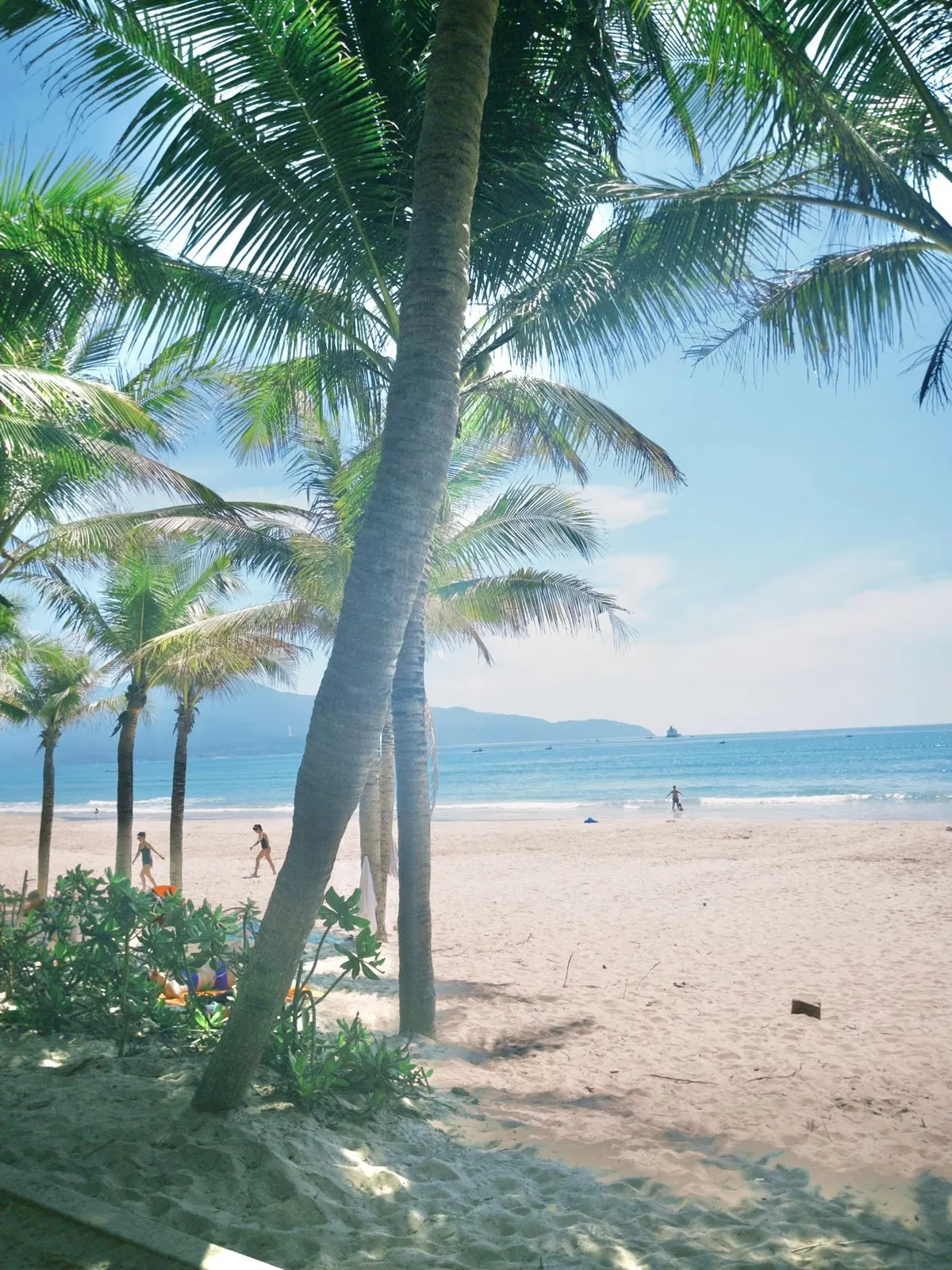
Da Nang cuisine brings together seafood from the nearby coast and culinary traditions from Central Vietnam; this guide explains what to eat in Da Nang and which dishes locals and visitors most often seek out. Below you will find a concise overview of 20 commonly recommended foods, notes on why they matter, and practical guidance for trying them safely.
What Da Nang cuisine is and where it comes from
Da Nang’s food reflects its position on Vietnam’s central coastline and its proximity to culinary centres such as Hue and Quang Nam. The city’s plates commonly feature seafood, rice-based noodles, fresh herbs and fermented condiments that create layered flavors rather than heavy seasonings.
Many recipes served in Da Nang have regional roots: some dishes trace back to Hue’s imperial and street traditions, while others come from nearby Quang Nam villages or are local adaptations created to use abundant coastal produce. Visitors report that the city offers a wide range of options, from street stalls to small family-run eateries.
Key items commonly listed by local guides include the following 20 dishes:
- Lemongrass pork skewers (Nem lui)
- Pork barbecue vermicelli (Bun thit nuong)
- Thick rice-noodle soup (Banh canh)
- Sizzling beef with eggs (Bo ne)
- Fermented pork roll (Tre)
- Vietnamese baguette sandwiches (Banh mi)
- Avocado ice cream
- Durian sweet soup (Che sau)
- Butter cakes (Banh bo)
- Beef jerky (Bo kho)
- Quang-style turmeric noodles (Mi Quang)
- Grilled fish-cake noodles (Bun cha ca)
- Noodle salad with fermented fish (Bun mam)
- Vietnamese sizzling pancake (Banh xeo)
- Cao lau
- Fresh seafood dishes
- Pork rolled with rice paper (Banh trang cuon thit heo)
- Sweet soups and puddings (Che)
- Crab noodle soup (Bun rieu)
- Chicken rice (Com ga)
Key dishes and what you should know
Some dishes are essential introductions to Central Vietnamese taste profiles. Nem lui are minced pork mixed with seasonings, threaded on lemongrass stalks and charcoal-grilled; they are often eaten wrapped in rice paper with herbs and a dipping sauce. Bun thit nuong pairs chilled vermicelli with grilled pork, pickled vegetables and crushed peanuts, with fish sauce-based dressing offered on the side.
Banh canh is a thick rice-noodle soup served with various proteins—fish cakes, shrimp or pork—while Mi Quang is a regional noodle dish featuring a small amount of savory broth and an array of fresh herbs and crunchy toppings. Cao lau presents chewier rice noodles, slices of pork and fried croutons, typically finished with local greens.
Many desserts are street-food staples in Da Nang: avocado ice cream, variations of che (sweet soup) and durian-based sweet soups are widely available from small vendors. For meat-forward snacks, Tre (fermented pork roll) and Bo kho (dried, spiced beef) are popular in markets and specialty shops.
Practical tips for tasting Da Nang food
When sampling street food, look for stalls with steady local patronage and recently prepared items. Visitors report that busy vendors often rotate ingredients more quickly, which can reduce the chance of encountering stale food. If you have sensitivities, ask about preparation methods—many dishes can be adjusted or served with less spice.
Prices vary widely by dish and vendor. For example, Banh Mi vendors often charge under 20,000 VND while some specialty items such as boxed Bo kho can be priced per kilogram at higher amounts; a handful of the recommended noodle shops list bowls in the 15,000–50,000 VND range. Street snacks and desserts frequently sit at the lower end of the spectrum.
If you plan a day trip outside the city to nearby attractions, consider timed meal breaks: many people combine sightseeing with local eating at stops along the way. For guidance about transport and timings for nearby mountain attractions, consult advice about Da Nang to Ba Na Hills travel options.
- Carry small bills and coins for street vendors.
- Bring hand sanitizer and wet wipes for on-the-go meals.
- Try small portions first if you’re sampling multiple dishes in one outing.
Cultural context and regional influences
Food culture in Da Nang sits at the crossroads of Central Vietnamese traditions. Many preparations balance sour, salty and umami notes and make heavy use of fresh herbs and seafood. Dishes such as Mi Quang and Nem lui carry clear connections to nearby Quang Nam and Hue culinary practices.
Visiting traditional eateries provides not just a meal but a glimpse of local habits: communal seating at noodle shops, baskets of raw herbs brought to the table, and sauces prepared to family or vendor recipes. If you want deeper context on regional cuisine, resources on restaurants in Hue can help you compare how neighboring cities present similar recipes.
- Expect to be served plates of fresh greens with many noodle dishes.
- Fermented condiments are common—ask for mild versions if you prefer.
Who Da Nang food suits and dietary notes
Da Nang’s culinary scene accommodates a broad range of eaters. Seafood lovers will find many made-to-order options; meat eaters have access to grilled, braised and cured choices; and budget travellers can eat well at street stalls. Families often opt for milder noodle soups or rice plates that appeal to children.
Vegetarians and vegans may need to be selective: many broths and sauces are fish- or pork-based. However, rice-paper rolls, vegetable-led versions of banh xeo, fruit-based desserts and some noodle preparations can be adapted upon request. Always confirm whether broths or dipping sauces contain fish sauce, shrimp paste or meat stock before ordering.
Comparisons and alternatives
To help choose, here is a compact comparison of four commonly recommended items, with typical serving times, main components and price ranges as reported by local establishments.
| Dish | Typical serving time | Main ingredients | Price range (typical) | Sample place |
|---|---|---|---|---|
| Banh Mi | All day | Baguette, pate, meats, pickles, herbs | 7,000–20,000 VND | Ba Lan — 62 Trung Nu Vuong |
| Bun Thit Nuong | Lunch or dinner | Vermicelli, grilled pork, pickles, fish sauce | 15,000–50,000 VND | Nam Hien — 46 Phan Thanh |
| Cao Lau | Lunch | Chewier rice noodles, pork, greens, croutons | 5,000–30,000 VND | Thinh — 19 Loseby, Son Tra |
| Banh Xeo | Lunch or dinner | Rice batter, pork, shrimp, bean sprouts | 10,000–55,000 VND | Ba Duong — 280/23 Hoang Dieu |
Frequently Asked Questions
Is Da Nang food very spicy?
Spice levels vary by dish and vendor. Visitors report that some central specialties use chilies or pepper prominently, but many stalls will serve milder versions on request or provide chilies and sauces on the side so you can control heat.
Where can I find fresh seafood in Da Nang?
Seafood is widely available across markets and restaurant strips near the coast. Several established seafood restaurants and beachfront venues list made-to-order options; diners often choose steaming, grilling or frying based on preference.
Can I find vegetarian options?
Vegetarian choices are present but sometimes limited by broth- or sauce-based preparations. Look for vegetable paper rolls, tofu-based dishes and sweet soups; always confirm whether broths contain fish or meat stock.
Are street stalls safe to eat from?
Many visitors eat at busy street stalls without issue, and local patronage is a useful indicator of turnover and freshness. Still, if you have a sensitive stomach, opt for cooked dishes served hot and choose vendors with visible cleanliness practices.
When is the best time to sample Da Nang street food?
Morning and early evening are popular for noodle soups and shared plates; dessert stalls often operate throughout the afternoon and into the evening. Peak hours vary by vendor, so arriving earlier can mean shorter lines.








