
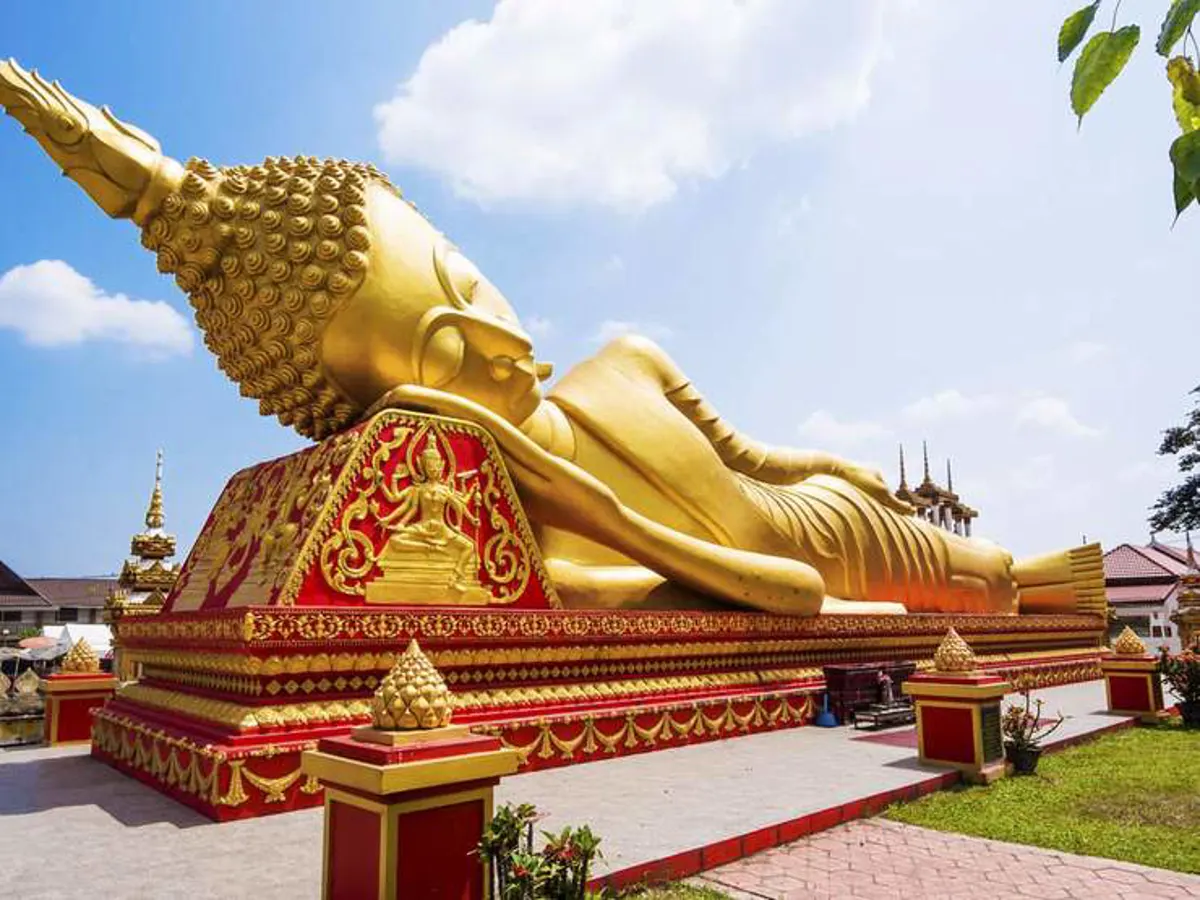
When preparing for a journey to Laos, travelers should consider the specific season, geographical areas they plan to visit, and the types of activities they intend to pursue. A well-organized luggage strategy ensures comfort and readiness for the diverse experiences the country offers. This guide outlines key items to include, helping visitors prepare effectively.
Fundamental Travel Necessities for Laos
Beginning your packing process with a structured list helps prevent overlooking crucial items. This includes fundamental apparel, undergarments, footwear, essential personal identification and travel documents, photographic equipment, power adapters and charging cables, a personal hygiene kit, a basic medical supply kit, and reading material for transit periods. Securing your belongings is also important; a padlock for luggage is a practical addition.
Managing finances while traveling through Laos requires planning. The local currency is the Lao Kip, but small denominations of US dollars and Thai Baht are also widely accepted. While ATMs are available, their presence is limited primarily to major tourist centers such as Luang Prabang, Vientiane, Houayxay, and Vang Vieng. For carrying larger sums, traveler's cheques offer a secure alternative. It is advisable to use a money belt for safeguarding cash, credit cards, passports, and airline tickets.
Financial Preparations
Accessing banking services can vary by region. While major cities offer more options, it's wise to carry a mix of payment methods. For those planning extended stays or visits to more remote areas, understanding the availability of ATMs and currency exchange points is key. Banking services in larger cities like Vientiane are more developed, but outside these hubs, cash remains king. Similarly, travelers exploring other Southeast Asian destinations might find financial services in neighboring countries offer similar considerations, making it beneficial to research options like managing finances in various locations.
Appropriate Attire for the Lao Climate and Culture
Clothing selections should align with both the seasonal weather and local customs. During the cooler months, lighter warm clothing is beneficial, while the warmer periods necessitate light, breathable garments. A separate plastic bag for soiled clothing helps keep luggage organized. To demonstrate respect for local traditions, particularly when visiting religious sites like temples, choose clothing that covers the knees and shoulders. This includes knee-length shorts, longer skirts, and tops with sleeves and modest necklines.
The rainy season, typically from June to October, makes a lightweight raincoat an essential item for your daypack. For swimming activities, swimwear is appropriate. While local residents often wear T-shirts and shorts, tourists using swimwear for recreational swimming is generally accepted.
Footwear choices depend on planned activities. Comfortable walking shoes or sneakers paired with socks are suitable for general exploration. Sandals are also a good option for casual wear. If your itinerary involves more demanding activities, such as trekking or adventure tours, robust hiking boots are recommended.
Health, Hygiene, and Personal Protection
Protecting yourself from the elements and maintaining personal hygiene are important aspects of travel preparation. Items for sun protection, such as sunglasses, high-SPF sun cream, a wide-brimmed hat, or a compact umbrella, are crucial for shielding against strong sunlight.
Insect repellents or bug sprays are highly advisable to guard against mosquitoes and other biting insects. A small container of anti-bacterial hand gel is useful for maintaining hand hygiene when soap and water are not readily available. Additionally, baby powder can be effective for absorbing moisture and preventing chafing in humid conditions, particularly on the face and neck. A basic medicine kit with any personal prescriptions and common remedies is also vital.
Documentation, Navigation, and Capturing Memories
Beyond personal items, certain practical tools enhance the travel experience. Carrying a map of Laos, either digitally on a smartphone or as a physical printout, is highly recommended for navigation.
For documenting your journey, a camera or camcorder with ample storage capacity is essential, as Laos offers numerous scenic locations and cultural experiences worthy of photography. If observing wildlife is an interest, compact binoculars can enhance your viewing opportunities.
Travel insurance is a relatively inexpensive investment that can provide significant peace of mind. It offers protection in unforeseen circumstances, such as medical emergencies, facilitating access to necessary care or arrangements for returning home if required.
Respecting Local Customs and Safeguarding Belongings
When traveling in Laos, it is considered respectful to avoid displaying overtly expensive items. Refraining from bringing valuable jewelry or designer watches not only reduces the risk of theft but also aligns with local sensibilities, where ostentatious displays of wealth are generally not customary.
Prioritizing safety for your possessions is always wise. Utilizing a money belt for critical documents and currency, as mentioned earlier, is a good practice. Being mindful of your surroundings and taking simple precautions can contribute to a more secure and enjoyable trip.
Packing Considerations by Season and Activity
| Category | Dry Season (October - April) | Rainy Season (May - September) | Adventure Activities | Cultural Visits |
|---|---|---|---|---|
| Clothing | Light, breathable fabrics; light warm layer for evenings | Lightweight, quick-drying; waterproof jacket/poncho | Durable, moisture-wicking; long sleeves/pants for protection | Modest attire (knees/shoulders covered); easy to remove shoes |
| Footwear | Sandals, comfortable walking shoes | Waterproof sandals, sturdy shoes that can get wet | Hiking boots with good grip, extra socks | Slip-on sandals or comfortable walking shoes |
| Protection | Sunscreen, hat, sunglasses | Insect repellent, umbrella | Insect repellent, first-aid kit, sun protection | Sunscreen, hat |
| Other | Reusable water bottle | Dry bags for electronics, plastic bags for wet clothes | Headlamp, small backpack, water purification tablets | Small daypack, camera |
Frequently Asked Questions
What is the best way to carry money in Laos?
It is advisable to carry a combination of Lao Kip, small US dollar bills, and Thai Baht. For larger amounts, traveler's cheques are considered safe. ATMs are limited to major cities like Luang Prabang and Vientiane, so a money belt for cash, cards, and important documents is recommended.
What kind of clothing should I pack for visiting temples?
When visiting religious sites, it is important to dress modestly to show respect. This means selecting clothing that covers your knees and shoulders, such as knee-length shorts or long skirts, and tops with sleeves and modest necklines.
Is travel insurance necessary for Laos?
Yes, travel insurance is strongly recommended. It provides crucial support for medical emergencies, potential repatriation, and other unexpected travel disruptions, offering significant peace of mind for a relatively low cost.
Are there many ATMs in Laos?
ATMs are not widespread across Laos. They are primarily found in key tourist destinations and larger cities such as Luang Prabang, Vientiane, Houayxay, and Vang Vieng. Planning to carry sufficient cash is advisable, especially when venturing into more rural areas.
What should I do about insect protection?
Packing insect repellent or bug spray is highly recommended to protect against mosquitoes and other insects, particularly during the rainy season or when visiting natural areas.








