
Vietnam consistently attracts travelers who prioritize economical exploration while desiring profound cultural and scenic encounters. The nation provides a compelling alternative to more expensive global destinations, offering a wealth of experiences that are accessible to those managing their travel finances carefully. Its combination of low daily costs, varied culinary traditions, historical landmarks, natural beauty, and welcoming local communities makes it a prime choice for backpackers and budget-minded adventurers.
Budget-Friendly Travel in Vietnam
One of Vietnam's most significant draws for backpackers is its remarkable affordability. Daily expenses for accommodation, meals, and local transportation are considerably lower than in many Western countries, allowing travel funds to stretch further. For instance, securing a private room in various regions, including major urban centers, often costs around $10 per night. These rooms typically include essential amenities such as a television, a small refrigerator, a bed, internet access, and air conditioning, providing comfortable lodging without a high price tag.
Dining in Vietnam is also exceptionally economical. A budget of $10-15 can cover breakfast, lunch, dinner, and even snacks for an entire day. This affordability extends to local excursions; participating in daily tours to explore large cities like Ho Chi Minh City, Hanoi, and Da Nang generally does not incur substantial costs. For those planning a more extensive trip, consider a comprehensive Vietnam tour that covers many highlights efficiently. When exploring large cities like Ho Chi Minh City, visitors often find that local transport and attraction entry fees remain modest, contributing to an overall inexpensive travel experience.
A Culinary Journey Through Vietnamese Flavors
Vietnam's culinary landscape is another compelling reason for its popularity among travelers. The country offers an extensive array of traditional dishes and fascinating street food that is both delicious and affordable. Visitors frequently find it challenging to resist the diverse flavors available.
Popular Vietnamese dishes include:
- Pho: A classic noodle soup served with either beef or chicken.
- Goi Cuon: Fresh spring rolls, typically filled with shrimp, pork, vegetables, and vermicelli.
- Com Tam: Broken rice, often served with grilled pork, a fried egg, and pickled vegetables.
- Bot Chien: Vietnamese fried rice flour cake, usually stir-fried with egg and green onions.
- Banh Trang Tron: A flavorful rice paper salad.
- Goi Kho Bo: Green papaya salad topped with beef jerky.
- Sup Cua: Vietnamese crab soup.
- Banh Mi: A popular Vietnamese sandwich, often filled with various meats, pâté, and fresh herbs.
The distinctive tastes and artistic presentation of these dishes leave a lasting impression on many visitors, making the culinary experience a highlight of any trip to Vietnam.
Exploring Vietnam's Diverse Landscapes and Heritage
Vietnam presents a rich tapestry of natural beauty and historical significance, offering diverse attractions for every interest. The country is home to numerous impressive beaches, providing opportunities for relaxation and water activities.
Coastal destinations renowned for their shores include:
These locations invite visitors to enjoy the clear waters, gentle waves, or simply unwind on the sand with a refreshing drink, appreciating the serene coastal scenery.
Beyond its coastlines, Vietnam also boasts a wealth of historical sites that provide insight into its past. Notable heritage locations include My Son Sanctuary, an ancient complex of Hindu temples; the Hue Monuments, encompassing the former imperial capital; and Hoi An Ancient Town, a well-preserved trading port. These sites allow travelers to connect with Vietnam's rich history and cultural legacy.
Rich Cultural Experiences and Local Hospitality
Vietnam's cultural depth is significant, shaped by its 54 distinct ethnic communities, each contributing unique traditions, languages, lifestyles, customs, and beliefs. Exploring this cultural diversity offers a broad perspective on the nation's heritage, from its southern regions to the northern highlands and coastal areas.
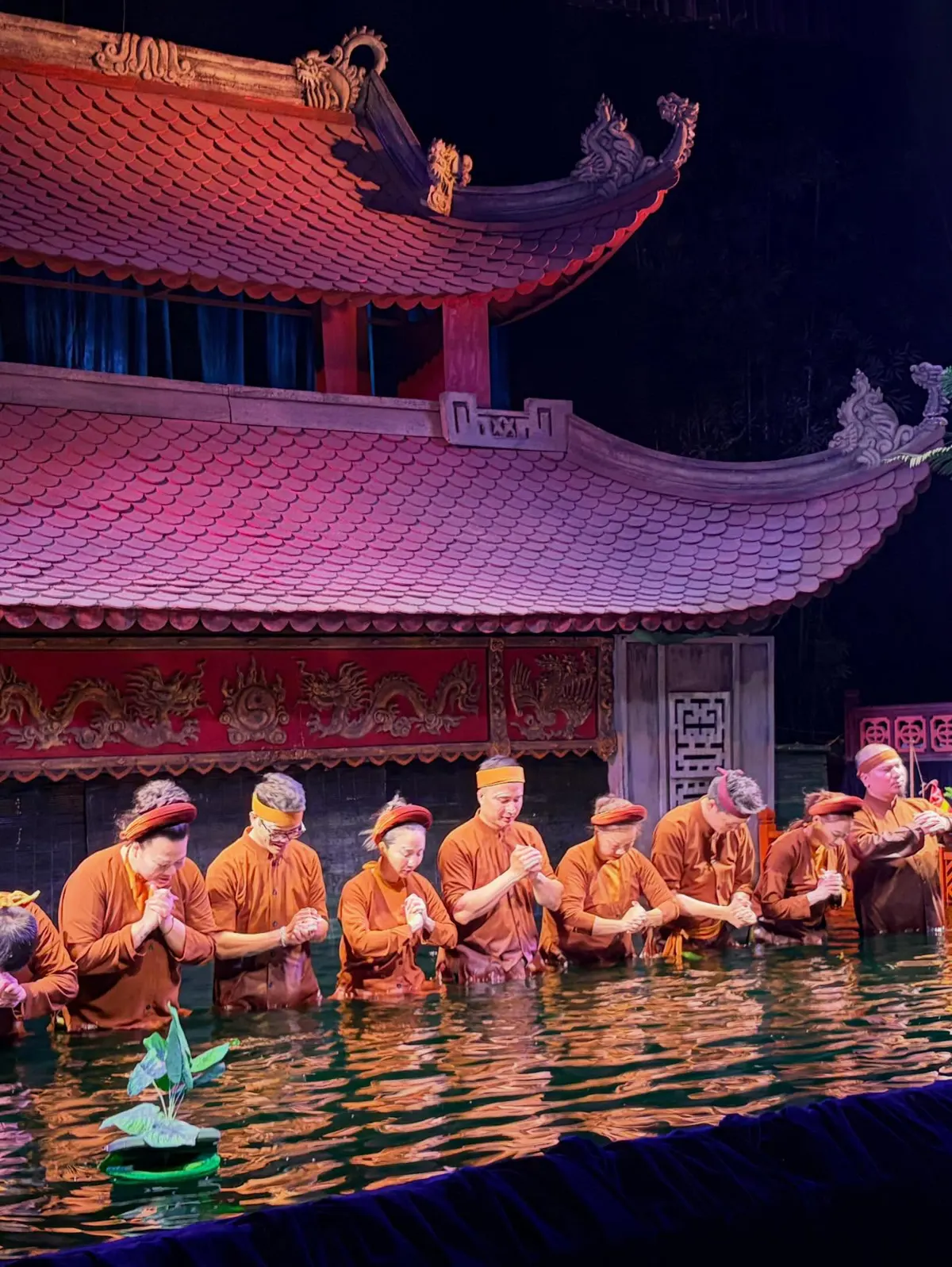
Cultural activities, such as traditional water puppet shows, are widely available and offer a glimpse into Vietnamese folklore and artistic expression. Engaging with local traditions can be a particularly enriching aspect of a visit. Vietnamese people are often described as friendly and welcoming, known for their warm smiles and generous demeanor.
During the Tet holiday (Lunar New Year), visitors in rural areas may experience exceptional hospitality, with locals often inviting guests into their homes for meals and offering tours of their villages. This direct interaction provides a genuine understanding of Vietnamese daily life and community spirit.
Practical Tips for Backpacking Vietnam
Planning a backpacking trip to Vietnam involves considering several practical aspects to maximize the experience while maintaining a budget. The country's extensive public transport network, including buses and trains, offers an affordable way to travel between cities and regions. For shorter distances within cities, ride-hailing apps or local motorbike taxis (xe ôm) are readily available and inexpensive.
To fully appreciate the local culture, travelers should consider trying street food from reputable vendors, which is not only cost-effective but also provides an authentic taste of Vietnamese cuisine. Learning a few basic Vietnamese phrases can also enhance interactions with locals and often leads to more enriching experiences. While English is spoken in tourist areas, efforts to communicate in the local language are often appreciated.
Below is a table summarizing key backpacking destinations and their primary attractions:
| Destination | Primary Appeal for Backpackers |
|---|---|
| Hanoi | Historical sites, Old Quarter, street food, cultural performances |
| Ho Chi Minh City | Modern city life, war history, diverse cuisine, Mekong Delta access |
| Hoi An | Ancient town charm, tailor shops, cooking classes, nearby beaches |
| Hue | Imperial history, ancient tombs, Perfume River cruises |
| Da Nang | Modern city amenities, coastal resorts, Marble Mountains |
| Nha Trang | Beach relaxation, island hopping, diving |
| Phu Quoc | Island escape, pristine beaches, national park |
Frequently Asked Questions
What is the typical daily budget for a backpacker in Vietnam?
A backpacker can generally expect to spend between $20 to $30 per day, covering basic accommodation, three meals, and local transportation. This estimate can vary based on individual spending habits and chosen activities.
Is it safe for solo backpackers to travel in Vietnam?
Vietnam is widely considered safe for solo travelers, including backpackers. Common precautions like safeguarding belongings and being aware of surroundings are advisable, as in any travel destination. Local people are generally helpful and welcoming.
What is the best way to travel between cities in Vietnam?
For inter-city travel, overnight sleeper buses and trains are popular and cost-effective options. Domestic flights are also available for longer distances, offering quicker travel times, though at a higher cost. Local buses and taxis serve within urban areas.
What local currency is used in Vietnam and how should I manage money?
The official currency of Vietnam is the Vietnamese Dong (VND). It is advisable to carry small denominations of VND for daily purchases, especially at local markets and street food stalls. ATMs are widely available in cities, and credit cards are accepted in larger establishments.
What are some essential items to pack for a backpacking trip to Vietnam?
Key items to pack include lightweight clothing suitable for a tropical climate, comfortable walking shoes, a reusable water bottle, sunscreen, insect repellent, a universal travel adapter, and a basic first-aid kit. A rain jacket or umbrella is also recommended, especially during the monsoon season.








