EnjoyVietnamTravel
Hotels Contact
Country Guide

Laos Travel Guide: Slow Travel, Nature and Heritage

Published Mar 10, 2026 Updated Jul 30, 2026 16 min read 54 views

Laos at a Glance

Laos is a landlocked Southeast Asian country shaped by the Mekong River, forested mountains, Buddhist traditions and a relaxed rhythm of life. It is best experienced slowly. Rather than collecting many destinations, allow time for dawn markets, temple courtyards, village walks, river sunsets and conversations with local hosts.

Quick planning facts: Vientiane is the capital, the currency is the Lao kip (LAK), Lao is the national language, and the time zone is UTC+7. Thai baht and US dollars may be accepted in some tourism settings, but kip is the normal currency for everyday purchases.

One week works for Luang Prabang plus one additional stop. Ten to fourteen days allows a rewarding north or north-to-south route. Travelers interested in trekking, river journeys and the southern islands should consider two to three weeks.

Best Time to Visit Laos

November to February is generally the most comfortable period, with drier weather and cooler evenings. March and April become very hot, and seasonal haze can affect northern views and air quality. May to October brings the green season: landscapes are lush, waterfalls are powerful and visitor numbers may be lower, but heavy rain can disrupt road and river travel.

PeriodConditionsBest for
November–FebruaryCooler and drierGeneral touring, temples, trekking
March–AprilVery hot; possible hazeWater festival period, travelers comfortable with heat
May–OctoberHumid with regular rainGreen scenery, waterfalls, slower travel

Mountain nights can feel surprisingly cool in December and January. River levels and boat schedules vary seasonally, so reconfirm plans shortly before travel.

Where to Go in Laos

Luang Prabang

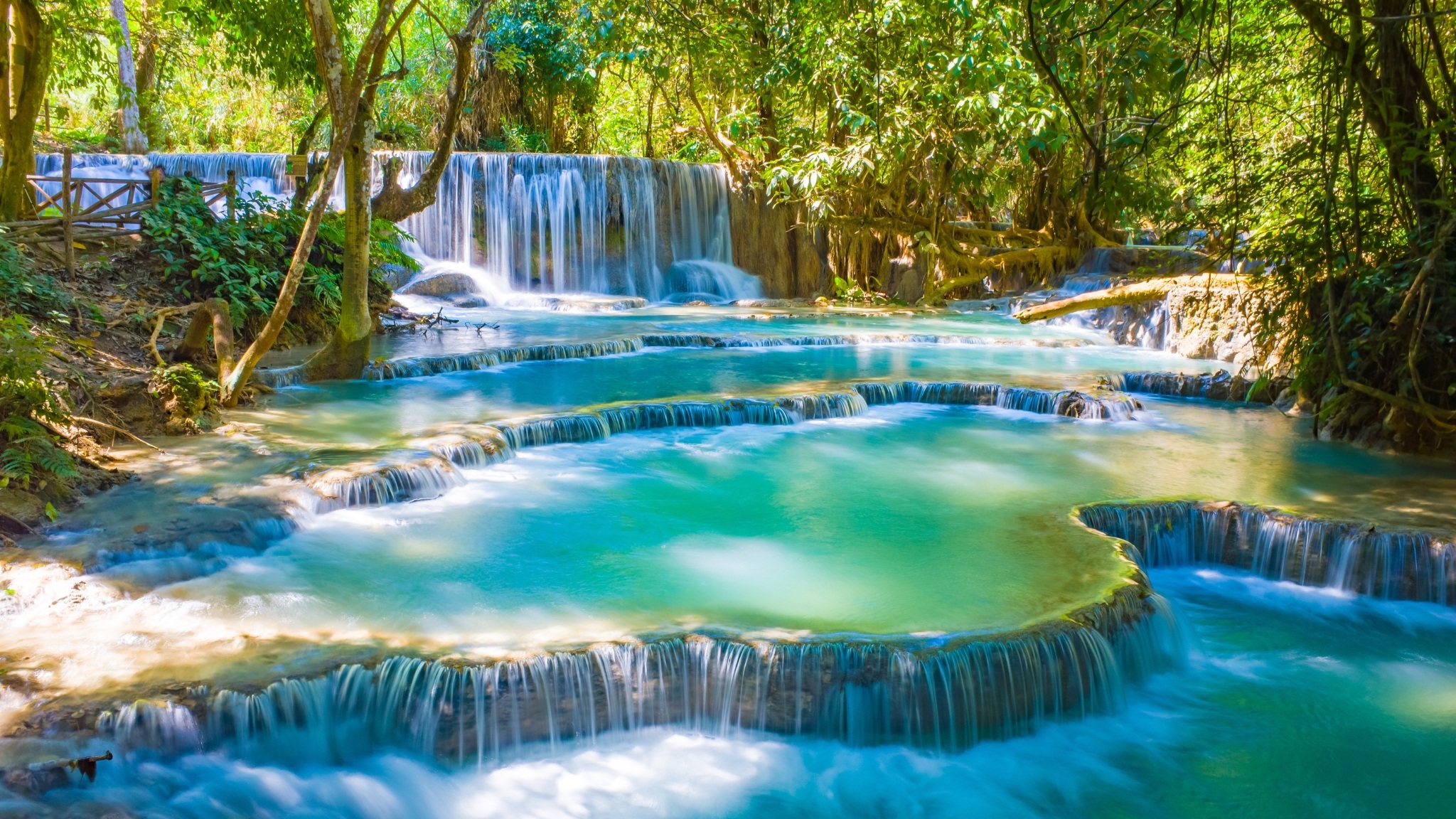
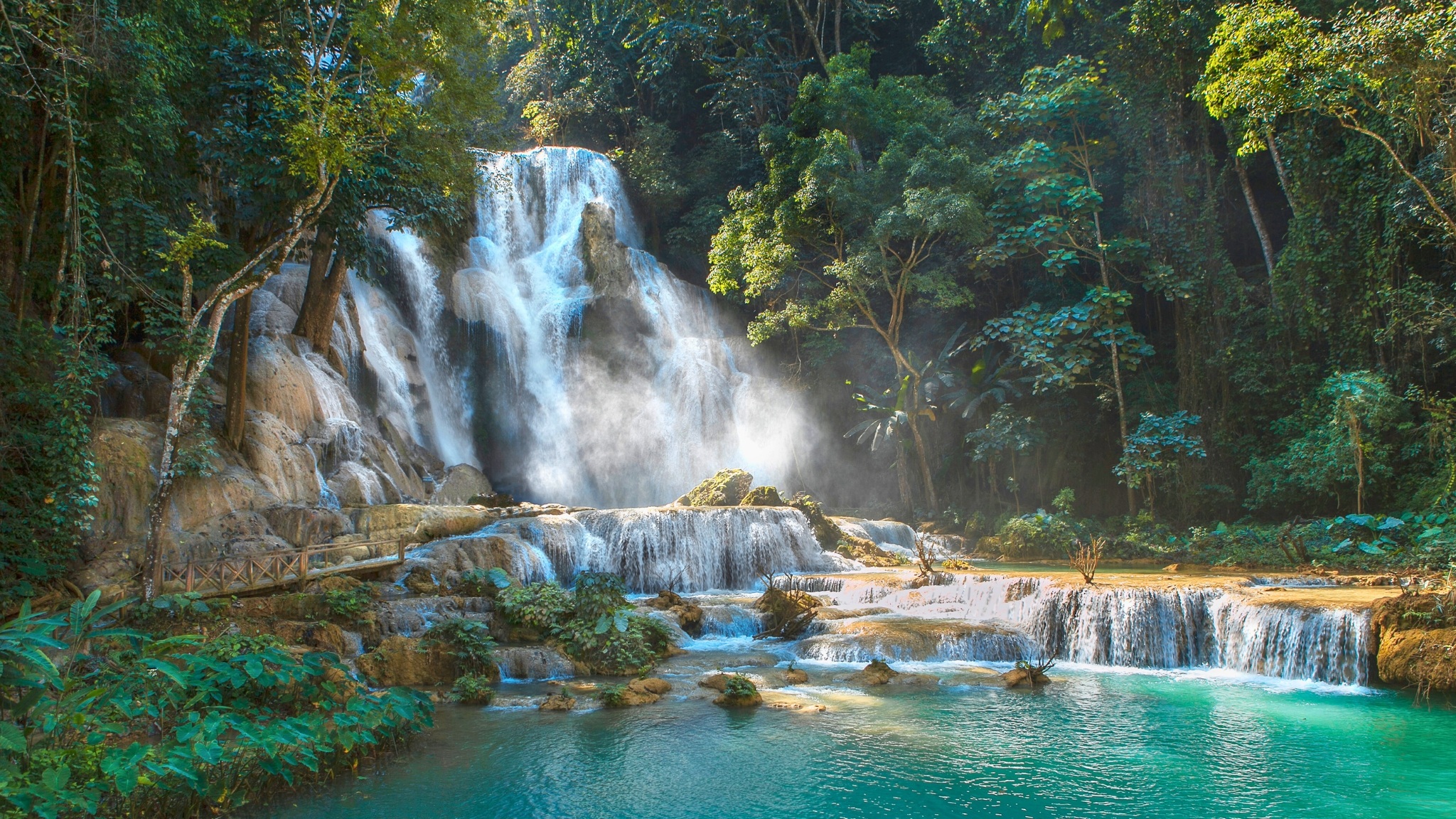
The former royal capital is Laos’s cultural highlight, with historic temples, traditional houses, river views and an excellent food scene. Visit Kuang Si Falls, explore villages respectfully and observe the morning alms tradition from a distance without obstructing monks or turning it into a photo shoot.

Nong Khiaw and Northern Laos

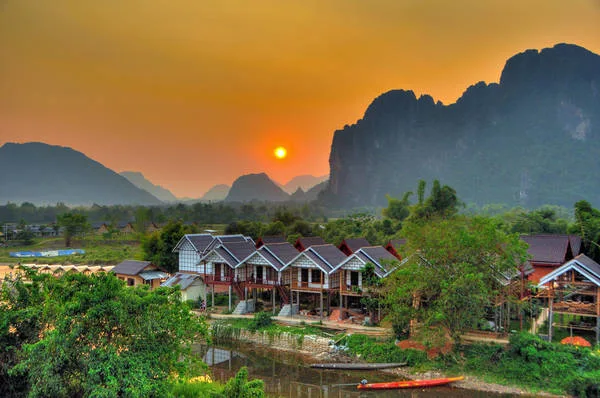
Nong Khiaw sits among limestone peaks beside the Nam Ou River and makes a strong base for viewpoints, village walks and boat excursions. Muang Ngoi offers an even quieter riverside stay. More remote northern provinces appeal to experienced trekkers seeking community-based tourism.

Vang Vieng and Vientiane

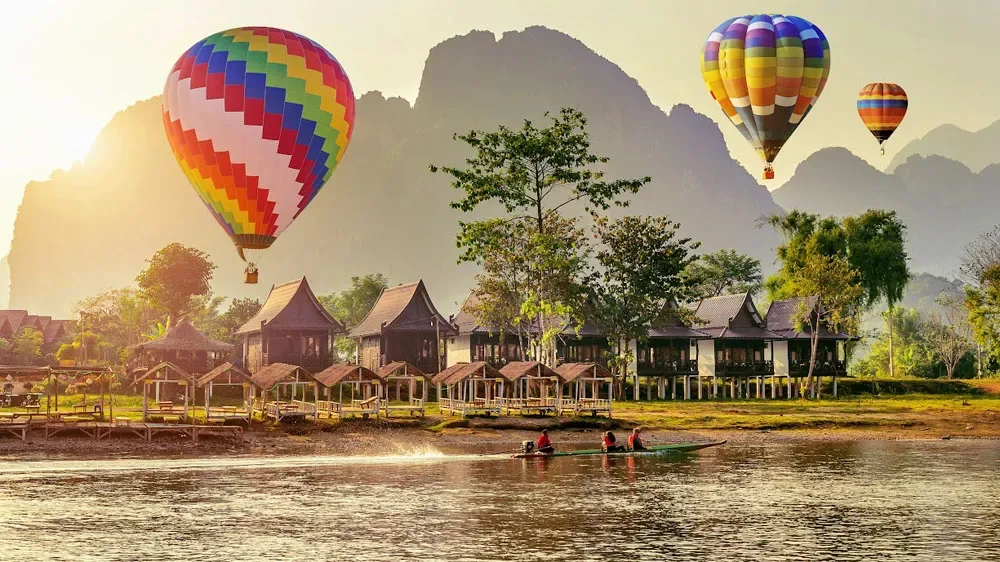
Vang Vieng has matured into a nature destination for lagoons, caves, viewpoints, kayaking and ballooning. Vientiane is understated but worthwhile for temples, museums, Mekong sunsets and an introduction to modern Lao life.

Central and Southern Laos

The Thakhek Loop combines caves, karst scenery and rural roads; use an experienced driver if you are not properly licensed for motorbikes. The Bolaven Plateau offers coffee farms and waterfalls. Wat Phou adds Khmer-era heritage, while Si Phan Don—“Four Thousand Islands”—is ideal for a gentle Mekong finale.

Suggested Laos Itineraries

7 days: Northern highlights

  1. Luang Prabang for three nights.
  2. Travel to Nong Khiaw for two nights.
  3. Return to Luang Prabang or connect onward by rail.

10 days: Culture and landscapes

Combine Luang Prabang, Nong Khiaw, Vang Vieng and Vientiane. Use the railway for efficient north–south sectors and private transport for rural side trips.

14–18 days: North to south

Start in Luang Prabang, continue to Vang Vieng and Vientiane, fly or travel overland to Pakse, then explore the Bolaven Plateau, Wat Phou and Si Phan Don. Add buffer time because weather and road conditions can affect transfers.

Entry Requirements and Visas

Visa requirements vary by nationality. Eligible travelers may use the official Lao eVisa system or another permitted entry arrangement. At the guide’s July 2026 review, the official Lao eVisa FAQ states that the tourist eVisa is single entry, the approval letter is valid for up to 60 days, and the stay permit is 30 days from arrival. It also requires an ordinary passport valid for more than 180 days on arrival.

Confirm that your chosen checkpoint accepts the eVisa, use the same passport used in the application and carry a printed approval letter. Rules and eligible ports can change; verify directly with official Lao authorities before booking a non-refundable route.

Getting Around Laos

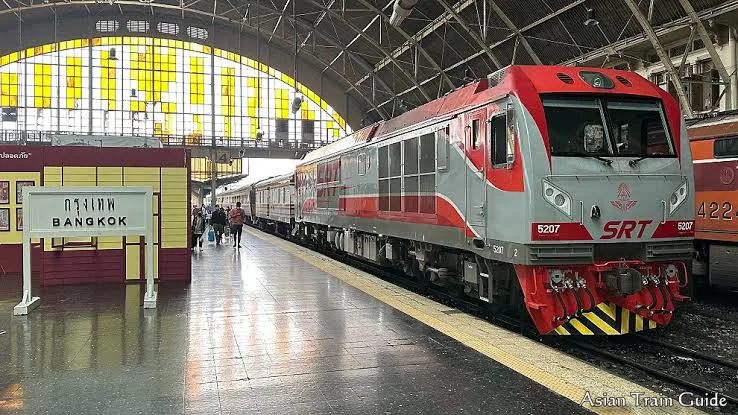
  • Rail: the modern railway links key northern destinations and is the fastest option between Luang Prabang, Vang Vieng and Vientiane. Tickets can sell out; names and passport details must match.
  • Private vehicle: best for flexible sightseeing, families and remote areas.
  • Buses and minivans: economical but journey times may be longer than maps suggest.
  • Boats: scenic and culturally rewarding where services operate, but comfort and schedules vary.
  • Local transport: tuk-tuks and songthaews are common; agree on price and destination before departure.

Road conditions change quickly in the wet season. Avoid riding motorbikes without the correct license, insurance, protective equipment and substantial experience.

Budget, Money and Connectivity

Laos can be affordable, though imported goods, remote lodges, private transport and high-standard hotels cost more than many first-time visitors expect. Carry enough kip outside main centers; ATMs and card acceptance are less reliable in remote districts. Keep small notes and do not depend on one bank card.

Local SIM cards are inexpensive in major towns, but coverage weakens in mountainous regions. Download maps, tickets and hotel details before remote journeys. Build a cash buffer for transport changes and unexpected overnight stops.

Lao Food and Drink

Lao meals are often communal and built around sticky rice. Essential dishes include larb, tam mak hoong (green papaya salad), grilled river fish, jeow dipping sauces, or lam stew and fresh herbs. Khao piak sen is a comforting noodle soup, while Luang Prabang has distinctive sausages and local specialties.

Ask about spice levels and allergens. Vegetarian travelers should clarify fish sauce, fermented fish and meat stock. Drink sealed or properly treated water. Lao coffee, particularly from the Bolaven Plateau, is a highlight; Beerlao is widely available, while strong rice spirits should be approached cautiously.

Culture and Responsible Etiquette

  • Cover shoulders and knees at temples; remove shoes when required.
  • Do not touch anyone’s head or point feet toward people, monks or sacred objects.
  • Women should avoid physical contact with monks; follow local guidance when giving offerings.
  • Ask before photographing people, ceremonies and villages.
  • Do not pressure children to sell souvenirs or give money directly in ways that encourage school absence.
  • Use qualified local guides and community-run services so tourism income remains in the destination.

Health and Safety

Most visits are trouble-free, but infrastructure and medical care outside major centers can be limited. Comprehensive insurance with medical evacuation is important. Take extra care on roads, near rivers, at waterfalls and during outdoor activities. Choose operators with proper equipment and clear safety procedures.

Unexploded ordnance remains a serious danger in parts of Laos. Never leave marked paths in affected rural areas, touch metal objects or enter fields without local guidance. Use mosquito protection, consult a travel-health professional, stay hydrated and avoid contact with unfamiliar animals.

What to Pack

  • Light modest clothing and a temple-ready layer.
  • Warm layer for northern winter mornings and air-conditioned trains.
  • Rain shell, dry bag and quick-drying shoes in green season.
  • Sun protection, insect repellent and personal medication.
  • Power bank, universal adapter and offline copies of documents.
  • Reusable bottle and small daypack for village walks.

Laos Travel FAQ

How long should I spend in Laos?

Ten days is a good first trip. Seven days suits Luang Prabang and one nearby region; two weeks allows a more relaxed multi-stop route.

Is Laos suitable for families?

Yes, especially Luang Prabang, Vang Vieng and quality Mekong lodges. Use private transfers, avoid overlong road days and verify safety standards for water activities.

Can I combine Laos with neighboring countries?

Yes. Air, rail and land connections make combinations with Vietnam, Cambodia and Thailand practical, but visa and checkpoint rules must be checked for the exact route.

Do I need cash?

Yes. Cards are useful at larger properties, but cash is essential for markets, rural transport, small restaurants and remote areas.
Destinations in Laos

Explore the cities and regions that can shape your Laos itinerary.

View all destinations
Panoramic view of Luang Prabang, Laos, with the Mekong River, ancient temples, and lush mountains at sunset.
Laos destination

Luang Prabang

Welcome to Luang Prabang: Laos's Enchanting UNESCO Gem Nestled in the heart of Laos, where the mighty Mekong and Nam Khan rivers converge, Luang Prabang stands as a timeless testament to spiritual tranquility and rich cultural heritage. This captivating city, with a population of approximately 56,000, is not just a destination; it's an experience that transports you to a bygone era. Recognized as a UNESCO World Heritage site, Luang Prabang offers international travelers a unique blend of ancient temples, French colonial architecture, lush landscapes, and profound spiritual practices. From the moment you arrive at Luang Prabang International Airport (LPQ), you'll feel the city's serene embrace, inviting you to slow down and immerse yourself in its gentle rhythm. Prepare to discover a destination where every sunrise brings the quiet beauty of saffron-robed monks collecting alms, and every sunset paints the Mekong in hues of gold. Why Visit Luang Prabang? UNESCO World Heritage Status: Explore a city meticulously preserved, offering a glimpse into traditional Lao urbanism. Spiritual Serenity: Witness ancient Buddhist traditions, including the daily alms giving ceremony, and visit numerous ornate temples. Natural Beauty: Be mesmerized by the confluence of two rivers, the majestic Kuang Si Falls, and verdant surrounding mountains. Rich Culture and History: Delve into the history of the Lao monarchy at the Royal Palace Museum and appreciate the unique blend of Lao and French influences. Authentic Experiences: Engage with friendly locals, savor traditional Lao cuisine, and discover unique handicrafts at vibrant markets. Best Time to Visit Luang Prabang Luang Prabang experiences a tropical climate with distinct dry and wet seasons. Choosing the right time can significantly enhance your trip: Dry Season (October to April): This is generally considered the best time to visit. Temperatures are cooler and less humid, making it ideal for exploring the city and enjoying outdoor activities. Expect clear skies and pleasant evenings. Wet Season (May to September): While characterized by higher humidity and occasional heavy rainfall, the wet season transforms the landscape into a lush, vibrant green. Waterfalls are at their most spectacular, and there are fewer tourists, offering a more tranquil experience. Highlights of Luang Prabang Prepare to be enchanted by Luang Prabang's iconic landmarks and natural wonders: Mount Phousi: Climb the 328 steps to the summit for breathtaking panoramic views of the city, the Mekong, and Nam Khan rivers, especially at sunrise or sunset. Royal Palace Museum (Haw Kham): Once the residence of the Lao royal family, this museum showcases a fascinating collection of artifacts, including the revered Phra Bang Buddha image. Wat Xieng Thong: Considered one of the most beautiful temples in Laos, its ornate architecture, intricate mosaics, and gilded carvings are a testament to 16th-century Lao craftsmanship. Kuang Si Falls: A multi-tiered waterfall with stunning turquoise pools perfect for swimming. Don't miss the nearby bear sanctuary, home to rescued Asiatic black bears. Pak Ou Caves: Accessible by a scenic boat trip up the Mekong River, these sacred caves house thousands of miniature Buddha statues, left by pilgrims over centuries. Luang Prabang Night Market: A vibrant evening spectacle offering a vast array of handmade textiles, local crafts, jewelry, and delicious street food. Unforgettable Experiences in Luang Prabang Participate in the Alms Giving Ceremony (Tak Bat): Observe this ancient tradition at dawn, where saffron-robed monks walk silently through the streets collecting sticky rice from devotees. Maintain respectful distance and silence. Mekong River Cruise: Embark on a serene boat journey along the Mekong, perhaps a sunset cruise, to witness local life along the riverbanks and enjoy the tranquil scenery. Lao Cooking Class: Immerse yourself in the local culinary traditions by learning to prepare authentic Lao dishes, often including a visit to a local market. Traditional Lao Massage: Indulge in a relaxing and therapeutic traditional Lao massage, a perfect way to unwind after a day of exploration. Cycling Around Town: Rent a bicycle and leisurely explore the charming streets, discovering hidden temples and local neighborhoods at your own pace. Getting Around Luang Prabang Navigating Luang Prabang is part of its charm. The town center is compact and easily explored: Walking: The most enjoyable way to discover the historic peninsula, allowing you to soak in the atmosphere. Bicycles: Widely available for rent, cycling is a popular and eco-friendly way to get around the town and its immediate surroundings. Tuk-tuks: Convenient for longer distances, such as trips to the airport or Kuang Si Falls. Negotiate the fare before starting your journey. Boats: Essential for river excursions, particularly to the Pak Ou Caves. Accommodation in Luang Prabang Luang Prabang offers a diverse range of accommodation options to suit every budget and preference, from charming guesthouses to luxurious boutique hotels. Many establishments are housed in beautifully restored colonial buildings or traditional Lao houses, often featuring serene gardens and riverside views. Consider staying near the Mekong River or the main street for easy access to attractions and dining. Savoring Luang Prabang's Cuisine Lao cuisine is a delightful blend of fresh ingredients, aromatic herbs, and unique flavors. Don't leave Luang Prabang without trying: Khao Niao (Sticky Rice): The staple of Lao meals, often eaten with hands. Laap: A flavorful minced meat salad (chicken, beef, duck, or fish) mixed with herbs, lime juice, and chili. Or Lam: A hearty and spicy Luang Prabang stew, typically made with eggplant, beans, wood ear mushrooms, and buffalo meat. Mekong Fish: Freshly grilled or steamed fish from the river, often served with a spicy dipping sauce. French-influenced Delights: Due to its colonial past, you'll find excellent baguettes, pastries, and strong Lao coffee. Night Market Food Stalls: A fantastic place to sample a variety of affordable local dishes, including fresh fruit shakes, grilled meats, and noodle soups. Essential Travel Tips for Luang Prabang Respect Local Culture: Dress modestly, especially when visiting temples. Shoulders and knees should be covered. Remove your shoes before entering temples and homes. Alms Giving Etiquette: If observing the alms giving, do so from a respectful distance, do not interrupt the monks, and avoid flash photography. If participating, ensure you understand the local customs. Currency: The local currency is the Lao Kip (LAK). While major hotels and some restaurants accept credit cards, cash is preferred for markets and smaller establishments. Language: Lao is the official language. English is widely spoken in tourist areas, hotels, and restaurants. Health and Safety: Drink only bottled or filtered water. Use insect repellent, especially during the wet season. Be mindful of your belongings in crowded areas. Visa Requirements: Check visa requirements for Laos well in advance of your trip, as they vary by nationality. Visa-on-arrival is available for many countries at LPQ. Luang Prabang promises an enriching journey into the heart of Lao culture and spirituality. Its gentle charm and captivating beauty will undoubtedly leave you with lasting memories.

Discover Luang Prabang
Panoramic view of Patuxai Monument in Vientiane, Laos, with lush green trees and clear blue sky, capturing the city's blend o
Laos destination

Vientiane

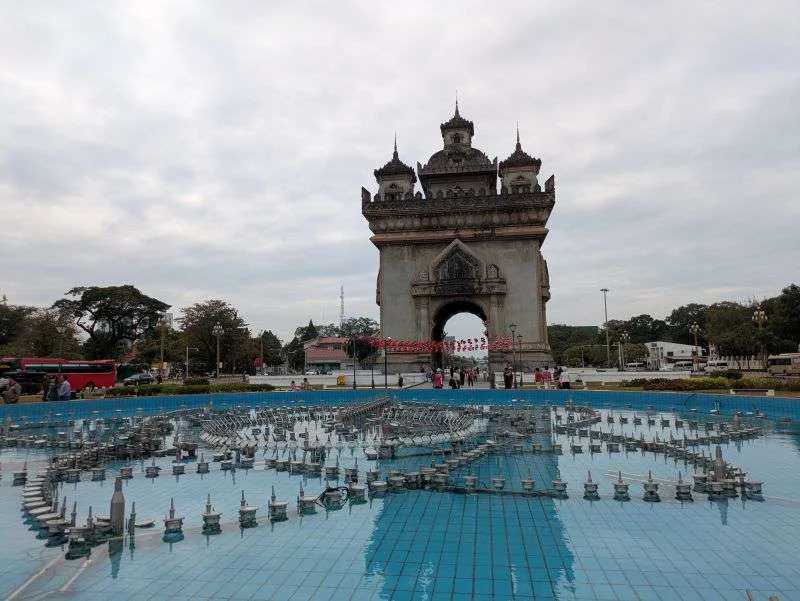
Discover Vientiane: Laos' Tranquil Capital on the Mekong Welcome to Vientiane, the charming and serene capital of Laos. Nestled on the banks of the mighty Mekong River, Vientiane offers a unique blend of ancient Lao traditions and remnants of French colonial influence. Unlike the bustling capitals of its Southeast Asian neighbors, Vientiane exudes a peaceful, laid-back atmosphere, making it a perfect destination for travelers seeking cultural immersion, historical exploration, and a slower pace of life. With a population of approximately 820,000, Vientiane (Vientiane Region) serves as the cultural, economic, and political heart of Laos, yet retains its small-town charm. Why Visit Vientiane? Cultural Richness: Explore magnificent temples, golden stupas, and historical monuments that tell tales of Laos' rich past. Tranquil Atmosphere: Escape the crowds and enjoy the relaxed pace of life, perfect for unwinding. Mekong Riverside Charm: Experience stunning sunsets over the Mekong, enjoy evening strolls, and savor delicious street food. Delicious Cuisine: Indulge in authentic Lao dishes, from spicy salads to comforting noodle soups, often with a French twist. Friendly Locals: Experience the genuine warmth and hospitality of the Lao people. Gateway to Laos: Vientiane's Wattay International Airport (VTE) makes it an accessible entry point for further exploration of Laos. Best Time to Visit Vientiane The ideal time to visit Vientiane is during the dry season, from October to April . During these months, the weather is generally pleasant with cooler temperatures and less humidity, making it comfortable for sightseeing and outdoor activities. The hot season (March to May) can be very warm, while the rainy season (May to September) brings lush green landscapes but also higher humidity and occasional heavy downpours. Highlights of Vientiane Pha That Luang The most important national monument in Laos, Pha That Luang is a magnificent gold-covered stupa that serves as a symbol of Lao sovereignty and Buddhist faith. Its impressive architecture and shimmering gold make it a must-see. Patuxai (Victory Gate) Often referred to as the "Arc de Triomphe of Vientiane," Patuxai is a war monument offering panoramic views of the city from its upper levels. Its unique Lao-style decorations are a blend of traditional and French influences. Wat Si Saket Dating back to 1818, Wat Si Saket is Vientiane's oldest surviving temple. It is renowned for its cloister wall housing thousands of tiny Buddha images and hundreds of larger statues, creating a truly spiritual atmosphere. Haw Phra Kaew Once a royal temple that housed the Emerald Buddha, Haw Phra Kaew is now a museum displaying a collection of religious art and artifacts. The temple's beautiful grounds and intricate carvings are captivating. Buddha Park (Xieng Khuan) Located just outside the city, Buddha Park is a unique sculpture park featuring over 200 Hindu and Buddhist statues, including a massive reclining Buddha. It's an intriguing blend of art, religion, and folklore. Mekong Riverside Park The perfect spot for evening relaxation, the Mekong Riverside Park comes alive at sunset. Enjoy a leisurely stroll, join locals for exercise, or browse the bustling night market for souvenirs and street food. Unforgettable Experiences in Vientiane Temple Hopping: Dedicate time to explore the city's numerous wats, each with its own history and architectural beauty. Sunset Cruise on the Mekong: Take a relaxing boat trip along the Mekong River as the sun dips below the horizon, painting the sky with vibrant colors. Explore the Night Market: Immerse yourself in the vibrant atmosphere of the riverside night market, perfect for souvenir shopping and tasting local delicacies. Learn Lao Cuisine: Join a cooking class to discover the secrets of Lao culinary arts and prepare your own traditional dishes. Indulge in a Traditional Lao Massage: Rejuvenate your body and mind with a soothing traditional Lao massage. Savor French Colonial Charm: Wander through tree-lined streets, admire colonial architecture, and enjoy a coffee or pastry at a charming cafe. Getting Around Vientiane Vientiane is relatively easy to navigate. The city center is compact enough for walking or cycling. For longer distances, you can rely on: Tuk-tuks: A popular and convenient mode of transport for short to medium distances. Negotiate the fare before starting your journey. Jumbos: Larger versions of tuk-tuks, often used for groups or slightly longer trips. Taxis: Available, especially from the airport (Wattay International Airport - VTE) and major hotels, though less common for street hails. Bicycles: Many guesthouses and shops offer bicycle rentals, a great way to explore at your own pace. Accommodation in Vientiane Vientiane offers a wide range of accommodation options to suit every budget and preference. From charming boutique hotels housed in colonial buildings to modern international chains and cozy guesthouses, you'll find comfortable stays primarily concentrated around the city center and along the Mekong Riverside, offering easy access to attractions and dining. Vientiane Cuisine: A Culinary Journey Lao cuisine is a delightful fusion of flavors, often characterized by fresh herbs, spicy chilies, and sticky rice. Vientiane is the perfect place to embark on a culinary adventure: Larb: Laos' national dish, a savory minced meat salad (chicken, beef, pork, or fish) mixed with herbs, lime juice, and chili. Tam Mak Hoong (Lao Papaya Salad): A spicier and more pungent version of its Thai cousin, often made with fermented fish sauce. Khao Piak Sen: A comforting and hearty Lao noodle soup, typically with pork or chicken. Sticky Rice (Khao Niao): The staple food, often eaten with hands and accompanying most meals. French Influences: Don't miss the opportunity to enjoy freshly baked baguettes, croissants, and strong Lao coffee, a legacy of French colonialism. Street Food: Explore the night markets and street stalls for an array of affordable and delicious local snacks and meals. Essential Travel Tips for Vientiane Visa Requirements: Check the latest visa regulations for Laos based on your nationality well in advance of your trip. Currency: The official currency is the Lao Kip (LAK). US Dollars are also widely accepted in tourist areas, but it's good to have Kip for smaller purchases. Language: Lao is the official language. English is spoken in tourist establishments, hotels, and by many younger people. Dress Code: When visiting temples and religious sites, dress modestly. Shoulders and knees should be covered. Respect Local Customs: Always show respect for local traditions and Buddhist culture. For instance, avoid touching people's heads and point with your whole hand, not just a finger. Stay Hydrated: The climate can be warm, so drink plenty of bottled water. Transportation from Airport: From Wattay International Airport (VTE), taxis and tuk-tuks are readily available to take you to the city center. Vientiane offers a truly authentic and enriching experience for travelers. Its gentle pace, profound cultural heritage, and warm hospitality make it a memorable destination. Prepare to be enchanted by the quiet charm of Laos' capital.

Discover Vientiane
Panoramic view of Vang Vieng, Laos, featuring the Nam Song River winding through lush green rice fields and towering limeston
Laos destination

Vang Vieng

Welcome to Vang Vieng, a captivating town nestled amidst the dramatic limestone karsts and the serene Nam Song River in Laos. Once known primarily for its vibrant party scene, Vang Vieng has beautifully transformed into a premier destination for eco-tourism and adventure, attracting travelers seeking both thrilling outdoor activities and tranquil natural beauty. With a population of approximately 25,000, this charming town in the Vang Vieng Region offers a unique blend of adrenaline-pumping experiences and opportunities for peaceful relaxation. Our comprehensive guide, crafted with 30 years of travel content expertise, provides you with reliable and useful information to plan your unforgettable journey to Vang Vieng, ensuring a truly enriching experience. Why Visit Vang Vieng? Vang Vieng beckons travelers with its breathtaking natural landscapes and a plethora of activities. Imagine kayaking down a gentle river surrounded by towering cliffs, exploring ancient caves, or witnessing a spectacular sunrise from a hot air balloon. It's a place where adventure meets tranquility, offering something for every type of traveler, from backpackers to families seeking a unique getaway. Best Time to Visit Choosing the right time can significantly enhance your Vang Vieng experience: Dry Season (November to February): This is arguably the best time to visit. The weather is cooler and dry, making it ideal for outdoor activities like hiking, caving, and hot air ballooning. The river levels are also suitable for kayaking and tubing. Shoulder Seasons (March to May & September to October): These months offer a good balance. March to May can be quite hot, while September and October mark the transition from wet to dry, with lush landscapes and fewer crowds. Wet Season (June to August): While the landscape is incredibly green and vibrant, heavy rainfall can sometimes disrupt outdoor plans and make some roads muddy. However, waterfalls are at their most impressive during this period. Top Attractions Vang Vieng is home to several natural wonders: Blue Lagoon 1 & 3: These popular spots offer refreshing turquoise waters perfect for swimming, rope swings, and relaxing amidst nature. Blue Lagoon 1 is the most famous, while Blue Lagoon 3 offers a slightly more secluded experience. Tham Phu Kham Cave (Golden Crab Cave): This sacred cave houses a reclining Buddha statue and leads to a beautiful natural pool, offering both spiritual and natural exploration. Pha Ngern Viewpoint: A challenging but rewarding hike leads to this viewpoint, offering panoramic vistas of the karsts, river, and surrounding countryside, especially stunning at sunrise or sunset. Nam Song River: The lifeblood of Vang Vieng, this river is central to many activities and offers picturesque views throughout the town. Kaeng Nyui Waterfall: A scenic waterfall located a short distance from town, particularly impressive after rainfall. Things to Do in Vang Vieng Vang Vieng is an adventurer's playground: Kayaking or Tubing on the Nam Song River: A quintessential Vang Vieng experience, offering a relaxing or adventurous journey down the river, surrounded by stunning scenery. Hot Air Balloon Ride: Experience breathtaking sunrise or sunset views over the karsts and river from a unique perspective. Caving: Explore the numerous limestone caves such as Tham Chang, Tham None, and Tham Phu Kham, each offering unique geological formations and experiences. Rock Climbing: For the more adventurous, Vang Vieng offers various climbing routes with professional guides. Hiking and Trekking: Discover hidden viewpoints, local villages, and lush rice paddies on foot. Cycling: Rent a bicycle and explore the flat plains and dirt tracks around the town, visiting local farms and villages. Swimming in Natural Lagoons: Beyond the Blue Lagoons, there are other natural pools perfect for a refreshing dip. Getting There Vang Vieng is accessible primarily by road: From Vientiane: The capital city is approximately 3-4 hours away by bus or minivan. From Luang Prabang: Travel from the northern heritage city takes around 5-7 hours by bus or minivan, offering scenic views along the way. Vang Vieng Airport (VNG): While Vang Vieng has an airport, ground transportation from Vientiane or Luang Prabang remains the most common and practical way for tourists to arrive. Accommodation Vang Vieng offers a wide range of accommodation options to suit every budget and preference: Guesthouses and Bungalows: Affordable and often family-run, providing a local charm. Mid-range Hotels: Comfortable options with amenities like swimming pools and restaurants. Resorts: For those seeking more luxury and facilities, often located slightly outside the town center with stunning views. It is advisable to book your accommodation in advance, especially during the peak dry season, to secure your preferred choice. Food and Drink Vang Vieng's culinary scene offers a delightful mix of local Lao flavors and international dishes: Lao Cuisine: Don't miss out on traditional dishes like sticky rice, laap (minced meat salad), and tam mak hoong (spicy papaya salad). Street Food: Explore the vibrant night markets and street stalls for quick, delicious, and affordable snacks and meals. Cafes and Restaurants: Many establishments serve Western food, fresh fruit shakes, and local coffee, often with riverside views. Travel Tips for Vang Vieng Respect Local Culture: Laos is a conservative country. Dress modestly, especially when visiting temples or local villages. Stay Hydrated and Protected: The climate can be hot and humid. Drink plenty of water and use sun protection (hat, sunscreen). Insect Repellent: Essential, particularly during the wet season and when exploring natural areas. Safety First: When participating in adventure activities, always choose reputable operators and follow their safety guidelines. Currency: The local currency is the Lao Kip (LAK). ATMs are available in town. Connectivity: Wi-Fi is generally available in guesthouses, hotels, and cafes. Sustainable Tourism: Support local businesses, minimize your environmental footprint, and dispose of waste responsibly to help preserve Vang Vieng's natural beauty.

Discover Vang Vieng
Panoramic view of Pakse city and the Mekong River at sunset, with traditional Lao boats and lush green hills
Laos destination

Pakse

Discover Pakse: Southern Laos' Enchanting Gateway Nestled at the confluence of the Mekong and Xe Don rivers, Pakse stands as the vibrant capital of Champasak Province and the primary economic hub of Southern Laos. With a population of approximately 100,000, this bustling city serves as an essential gateway for travelers eager to explore the region's rich history, stunning natural landscapes, and authentic Lao culture. Home to Pakse International Airport (PKZ), it offers convenient access to some of Laos' most captivating destinations. Why Pakse Should Be Your Next Destination Gateway to Adventure: Pakse is the perfect starting point for exploring the majestic Bolaven Plateau, the ancient wonders of Wat Phou, and the serene 4000 Islands (Si Phan Don). Cultural Immersion: Experience a blend of Lao, Thai, and Vietnamese influences, evident in its architecture, cuisine, and daily life. Natural Beauty: Enjoy breathtaking river views, lush countryside, and spectacular waterfalls just a short journey from the city. Authentic Lao Experience: Unlike more heavily touristed areas, Pakse offers a more laid-back and genuine insight into Lao life. When to Visit Pakse The best time to visit Pakse is during the dry season, which typically runs from October to April . During these months, the weather is generally sunny and pleasant with lower humidity, making it ideal for outdoor activities and exploring. The wet season (May to September) brings lush green landscapes and full waterfalls, but also higher humidity and occasional heavy rainfall. Top Attractions and Experiences in Pakse Cultural and Historical Gems Wat Phou (UNESCO World Heritage Site): A magnificent ancient Khmer temple complex predating Angkor Wat, located just a short drive from Pakse. It offers a profound glimpse into the region's spiritual past. Champasak Historical Heritage Museum: Discover artifacts, documents, and photographs that tell the story of Champasak Province and its royal history. Wat Luang: One of Pakse's oldest and most revered temples, featuring beautiful architecture and serene grounds. Dao Heuang Market (Pakse Market): A bustling local market where you can find everything from fresh produce and local crafts to textiles and street food. It's a fantastic place for people-watching and experiencing daily Lao life. Nature and Adventure Bolaven Plateau Loop: Rent a motorbike or hire a driver to embark on a multi-day journey through the Bolaven Plateau, famous for its cool climate, coffee plantations, and stunning waterfalls like Tad Fane, Tad Gneuang, and Tad Lo. Mekong River Cruises: Enjoy a relaxing boat trip on the Mekong River, offering picturesque views of the city and surrounding countryside, especially at sunset. Don Kho Island: A tranquil island known for its traditional silk weaving village, accessible by a short boat ride. Local Life and Flavors Coffee Tasting: Indulge in the rich flavors of Lao coffee, particularly from the Bolaven Plateau, at local cafes. Street Food Exploration: Sample delicious Lao street food, from noodle soups to grilled meats and fresh fruit shakes. Getting Around Pakse and Beyond Within Pakse, tuk-tuks and motorbikes are the most common modes of transport. Bicycles are also a pleasant way to explore the city's flatter areas. For excursions to the Bolaven Plateau or onward travel to the 4000 Islands, minivans and local buses are readily available from the main bus station. Accommodation in Pakse Pakse offers a range of accommodation options to suit various budgets, from charming guesthouses and budget-friendly hostels to comfortable mid-range hotels. Many establishments are located near the riverfront or in the city center, providing easy access to attractions and dining. Savoring Pakse's Cuisine Lao cuisine in Pakse is a delightful blend of spicy, sour, sweet, and savory flavors. Don't miss trying Khao Piak Sen (Lao noodle soup), Laap (minced meat salad), and fresh Mekong fish dishes. The local coffee is a must-try, often served strong and sweet with condensed milk. Explore the night markets for an authentic street food experience. Essential Travel Tips for Pakse Currency: The official currency is the Lao Kip (LAK). Thai Baht (THB) and US Dollars (USD) are also widely accepted in larger establishments. Visa: Check visa requirements for Laos in advance. Visa-on-arrival is available for many nationalities at Pakse International Airport and border crossings. Respect Local Customs: Dress modestly when visiting temples, remove your shoes before entering homes or temples, and always show respect to monks. Stay Hydrated: The climate can be hot and humid; drink plenty of bottled water. Sun Protection: Use sunscreen, wear a hat, and sunglasses, especially during outdoor activities. Insect Repellent: Essential, particularly during dawn and dusk. Conclusion Pakse, with its strategic location, rich cultural tapestry, and proximity to natural wonders, offers a compelling experience for any traveler to Southern Laos. Whether you're seeking ancient history, thrilling adventures, or simply a taste of authentic Lao life, Pakse provides a memorable and enriching journey.

Discover Pakse

Top Attractions in Laos

Landmarks, heritage sites and experiences linked to this country guide.

Browse all attractions
UNESCO
Luang Prabang

Wat Xieng Thong Luang Prabang

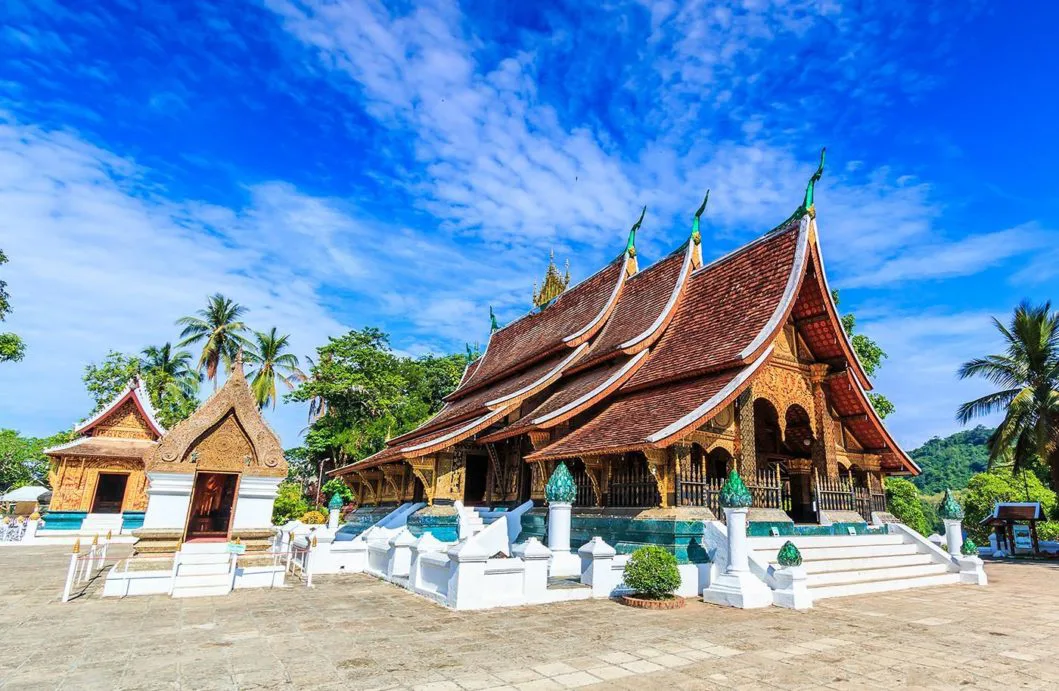
Wat Xieng Thong, also known as the Temple of the Golden City, stands as Luang Prabang's most revered and historically significant monastery. Built in 1560, it showcases exquisite traditional Lao architecture with its elegant sweeping roofs, intricate glass mosaic walls, and a rare reclining Buddha statue. Located at the tip of the Luang Prabang peninsula, it offers a profound glimpse into the spiritual and artistic heritage of Laos.

4.9 View details
UNESCO
Vientiane

That Luang Stupa Vientiane

Pha That Luang, also known as the Great Stupa, stands as Laos' most revered monument and national symbol in Vientiane. This spectacular golden Buddhist stupa, originally built in the 3rd century and significantly rebuilt in the 16th century, embodies the nation's spiritual heart and architectural grandeur. It's an essential visit for understanding Lao culture and history.

4.7 View details
UNESCO
Pakse

Wat Phu Temple Complex Pakse

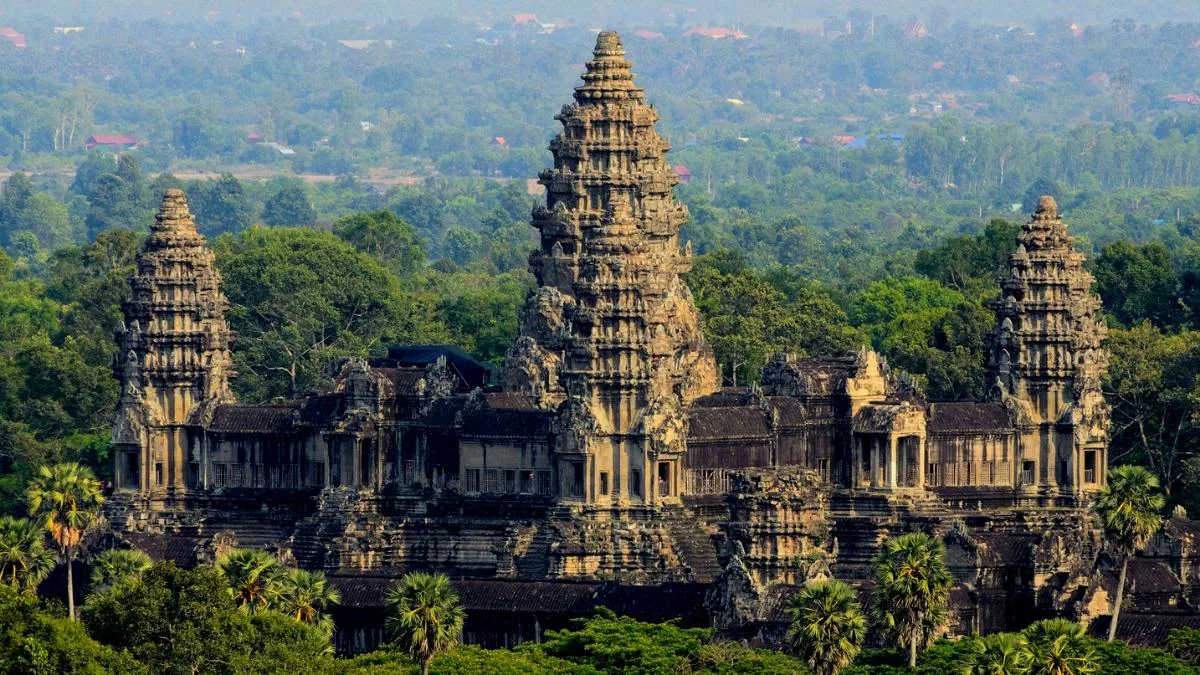
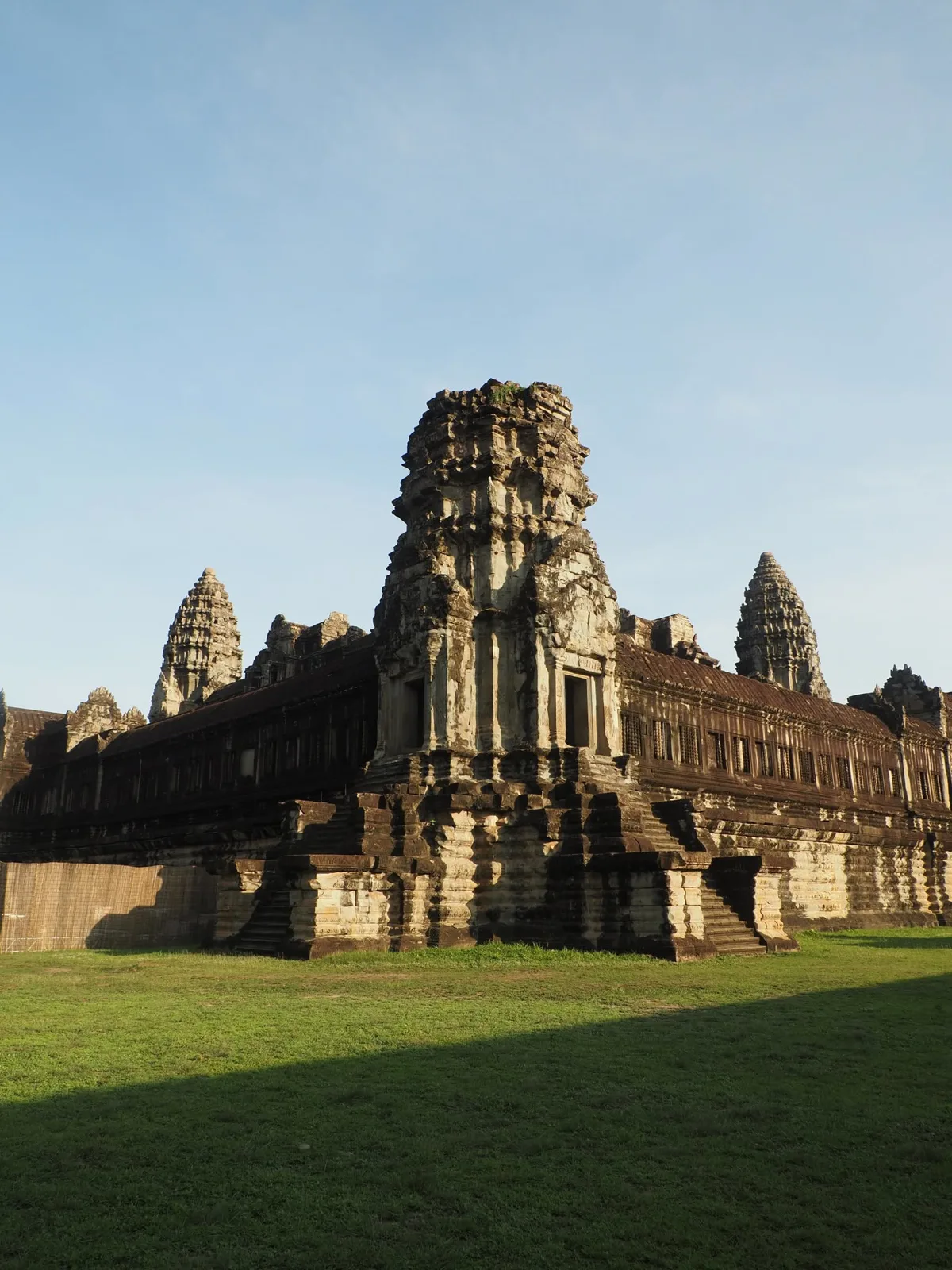
Wat Phu is a revered UNESCO World Heritage Khmer temple complex, majestically situated on a sacred forested mountain above Champasak. This ancient site predates Cambodia's Angkor Wat by over a century, offering visitors profound historical insights and superb panoramic views of the Mekong River.

4.7 View details
Kuang Si Falls turquoise waterfall Luang Prabang Laos
Luang Prabang

Kuang Si Falls

Kuang Si Falls is Luang Prabang's most spectacular natural attraction, a three-tiered turquoise waterfall with emerald pools perfect for swimming. Located just 29 km south of the city, it offers a refreshing escape into nature. Visitors can enjoy the stunning cascades, relax by the pools, and explore the surrounding lush forest.

4.8 View details
Vang Vieng

Nam Xay Viewpoint Vang Vieng

Nam Xay Viewpoint is Vang Vieng's finest vantage point, offering unparalleled panoramas. A rewarding 30-minute hike through lush jungle leads to stunning views over the karst-studded valley and the winding Nam Song River. It's an essential experience for nature lovers and adventurers visiting Laos.

4.8 View details
Luang Prabang

Mekong River Sunset Cruise Luang Prabang

A Mekong River sunset cruise is one of Luang Prabang's most unforgettable experiences, offering breathtaking views as you drift past golden temples, serene rural villages, and dramatic limestone hills. Witness the magical transformation of the landscape under the setting sun, creating memories that will last a lifetime.

4.8 View details
Luang Prabang

Alms Giving Ceremony Luang Prabang

The Alms Giving Ceremony, or Tak Bat, in Luang Prabang is a deeply spiritual daily ritual where hundreds of saffron-robed Buddhist monks silently collect alms from devout locals and visitors. This ancient tradition offers a profound glimpse into Laos's rich cultural and religious heritage, unfolding gracefully at dawn each day.

4.8 View details
Pakse

Bolaven Plateau Pakse

The Bolaven Plateau, a high-altitude volcanic region near Pakse, is a true hidden gem of Southern Laos. Renowned for its breathtaking waterfalls, lush coffee plantations, and vibrant ethnic minority villages, it offers a unique blend of natural beauty and cultural immersion.

4.7 View details
Vang Vieng

Tham Phu Kham Cave & Blue Lagoon

Tham Phu Kham is a captivating limestone cave housing a revered reclining Buddha statue. Located near a gorgeous turquoise Blue Lagoon, it stands as one of Vang Vieng's most popular and beautiful natural attractions. Visitors can explore the cave's chambers before cooling off in the refreshing waters of the lagoon.

4.7 View details
Pakse

Khone Phapheng Falls Pakse

Khone Phapheng Falls, often hailed as the widest waterfall in Asia, is a spectacular natural wonder on the Mekong River. This immense cataract, located near the Cambodian border, creates a thunderous roar and dramatic spray, offering a truly awe-inspiring spectacle for visitors. It's a must-see for nature enthusiasts exploring the Pakse region of Laos.

4.7 View details
Luang Prabang

Mount Phousi Luang Prabang

Mount Phousi is a prominent 100-meter hill centrally located in Luang Prabang, crowned by a beautiful gilded stupa. Ascending its 329 steps offers visitors unparalleled panoramic views of the Mekong River, Nam Khan River, and the surrounding city, especially captivating at sunset. This sacred site provides both spiritual reflection and stunning photographic opportunities.

4.7 View details
Luang Prabang

Royal Palace Museum Luang Prabang

The Royal Palace Museum, formerly the official residence of the Lao royal family until 1975, offers a fascinating journey into the nation's regal past. Visitors can explore a rich collection of royal artifacts, including the revered Phra Bang Buddha image, ornate gold thrones, and historic royal vehicles. This museum provides a unique insight into Laos' cultural and historical heritage.

4.6 View details

Recommended Laos Tours

Published itineraries visiting destinations featured in this country guide.

Browse all tours
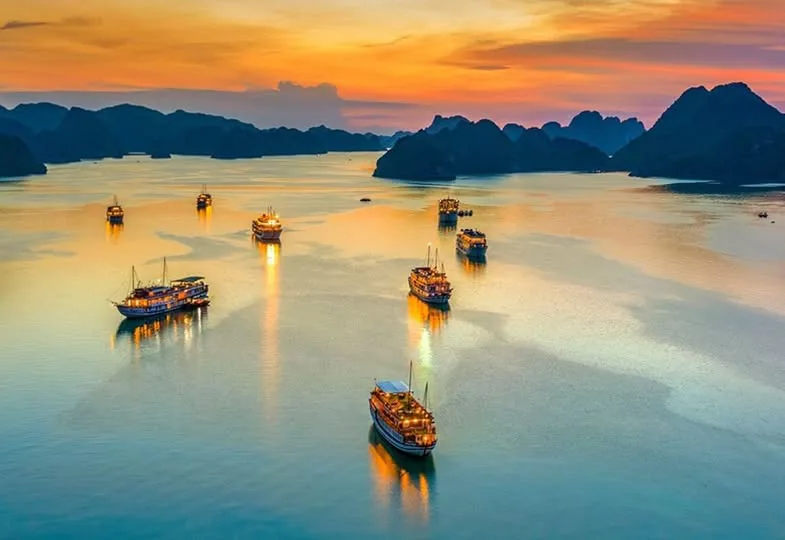
Panoramic view of Halong Bay limestone karsts with a traditional junk boat
Vietnam Highlight Tours

Vietnam & Laos Grand Cultural Expedition: Ho Chi Minh to Luang Prabang – 14 Days

14 days Group

Explore the vibrant cultures and historical landscapes of Vietnam and Laos on a 14-day journey. From the bustling streets of Ho Chi Minh City and the serene Mekong Delta, through imperial Hue and charming Hoi An, to the natural wonder of Halong Bay and the spiritual tranquility of Luang Prabang, this tour offers a deep dive into Southeast Asia's rich heritage.

USD 2,129 from / person View tour
Panoramic view of Ha Long Bay with limestone karsts and a traditional junk boat
Vietnam Adventure Tours

Northern Vietnam & Laos Cultural Journey – 14 Days

14 days Private

Explore the rich heritage and diverse landscapes of Northern Vietnam and Laos on this 14-day private tour, venturing from the bustling streets of Hanoi to the serene temples of Luang Prabang and the historic Plain of Jars.

USD 3,039 from / person View tour
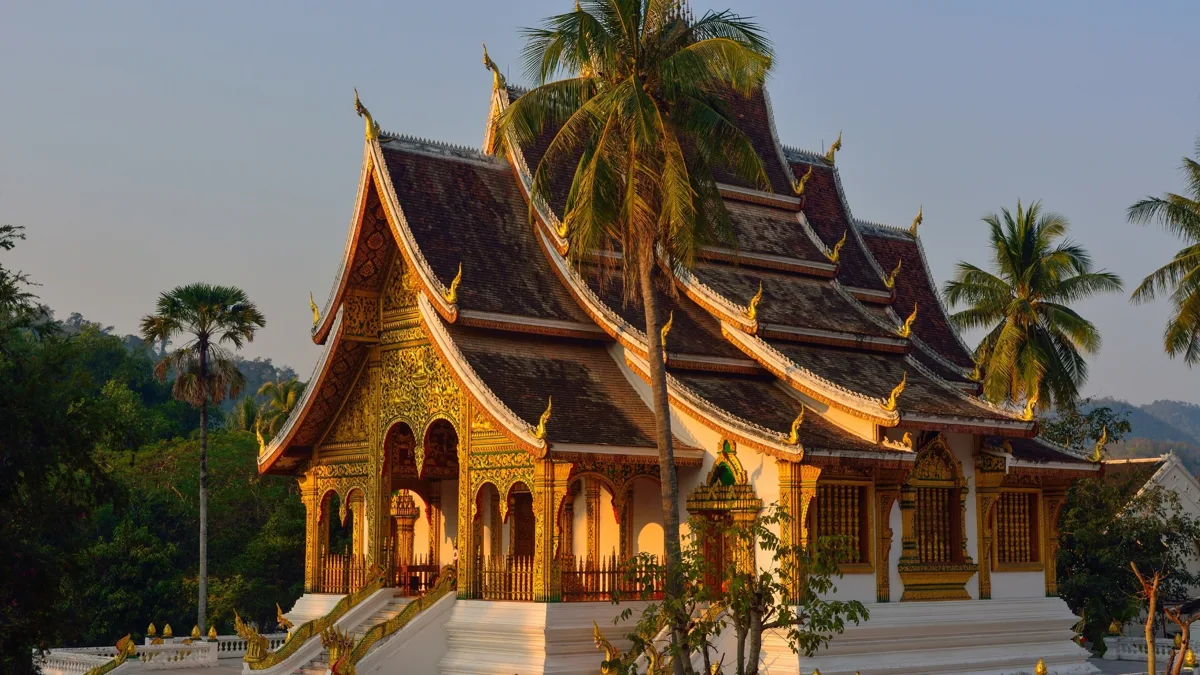
Scenic view of a temple in Laos at sunset, highlighting the country's cultural and natural beauty.
Family Tours

Laos Cultural & Nature Journey: Vientiane to Luang Prabang – 6 Days

6 days Private

Discover the highlights of Laos on a 6-day private tour, traveling from the capital Vientiane to the natural beauty of Vang Vieng and the cultural richness of Luang Prabang. Experience historic temples, stunning karst scenery, and local traditions.

USD 906 from / person View tour
Kuang Si Waterfall Laos
Classic Tours

Luang Prabang & Vientiane Cultural Journey – 4 Days

4 days Private

Explore the serene landscapes and rich heritage of Laos over four days. This tour connects the spiritual center of Luang Prabang, renowned for its ancient temples and natural beauty, with the relaxed capital of Vientiane, offering insights into Lao history and modern life.

USD 320 from / person View tour
Laos attraction
Classic Tours

Laos Cultural Capitals & Plain of Jars Expedition – 5 Days

5 days Private

This five-day journey through Laos unveils its rich history and stunning landscapes. Begin in Vientiane, exploring its spiritual landmarks, then fly to Xiengkhuang to witness the enigmatic Plain of Jars. Conclude in the UNESCO-listed Luang Prabang, renowned for its golden temples and serene Mekong River life.

USD 390 from / person View tour
Pak Ou Cave with thousands of Buddha statues, Luang Prabang, Laos
Classic Tours

Vientiane & Luang Prabang: Laos Cultural Discovery – 5 Days

5 days Private

This five-day, four-night journey unveils the cultural treasures of Laos, traversing from the modern capital of Vientiane to the ancient royal city of Luang Prabang, a UNESCO World Heritage site. Experience sacred temples, vibrant markets, and stunning natural landscapes.

USD 491 from / person View tour
Laos Heritage & Mekong Cruise: Vientiane to Houai Xai – 7 Days
Classic Tours

Laos Heritage & Mekong Cruise: Vientiane to Houai Xai – 7 Days

7 days Private

Explore Laos on a 7-day adventure from the capital, Vientiane, to the northern border town of Houai Xai. Discover ancient sites, vibrant markets, and serene temples before embarking on a two-day Mekong River cruise.

USD 779 from / person View tour
Panoramic view of Halong Bay limestone karsts with a traditional junk boat
Vietnam Cambodia Thailand

Indochina Grand Tour: Laos, Vietnam, Cambodia, Thailand – 21 Days

21 days Private

A comprehensive 21-day private tour through Southeast Asia, exploring the cultural and natural wonders of Laos, Vietnam, Cambodia, and Thailand. Discover ancient temples, vibrant cities, and stunning landscapes from Luang Prabang to Chiang Mai.

USD 3,899 from / person View tour

Laos Travel Stories & Advice

Detailed articles connected to destinations and attractions in Laos.

Visit the travel blog

Related Guides

Chat Support
We typically reply in minutes
Start a conversation

Enter your email to begin chatting with our support team.

Please enter a valid email.