Thailand at a Glance
Thailand combines one of Asia’s most dynamic capitals with historic temple cities, mountain communities, national parks and an enormous choice of beaches and islands. Its tourism infrastructure makes independent travel straightforward, but the best trips go beyond convenience: early-morning markets, regional cooking, community guides and less hurried stays reveal far more than a checklist route.
Seven days suits Bangkok plus the north or one beach area. Ten to fourteen days allows a balanced city–culture–coast itinerary. Three weeks provides time for a second northern destination, a national park or slower island travel.
Best Time to Visit Thailand
November to February is generally cooler and drier across much of the country and therefore the busiest season. March to May is hot. Rain patterns differ between the Andaman coast and the Gulf of Thailand, so choose islands according to regional weather rather than a single national forecast.
| Area | Typical favorable period | Notes |
|---|---|---|
| Bangkok and central Thailand | November–February | Lower humidity, busiest visitor period. |
| Northern Thailand | November–February | Cooler nights; seasonal smoke can affect air quality later in the dry season. |
| Andaman coast | Approximately November–April | Often calmer seas for Phuket, Krabi, Khao Lak and Trang islands. |
| Lower Gulf islands | Season differs from Andaman | Check local forecasts for Koh Samui, Koh Phangan and Koh Tao. |
Songkran in April is joyful and extremely busy. Loy Krathong dates vary by lunar calendar. Reserve early around festivals, Christmas/New Year and peak island weekends.
Where to Go in Thailand
Bangkok
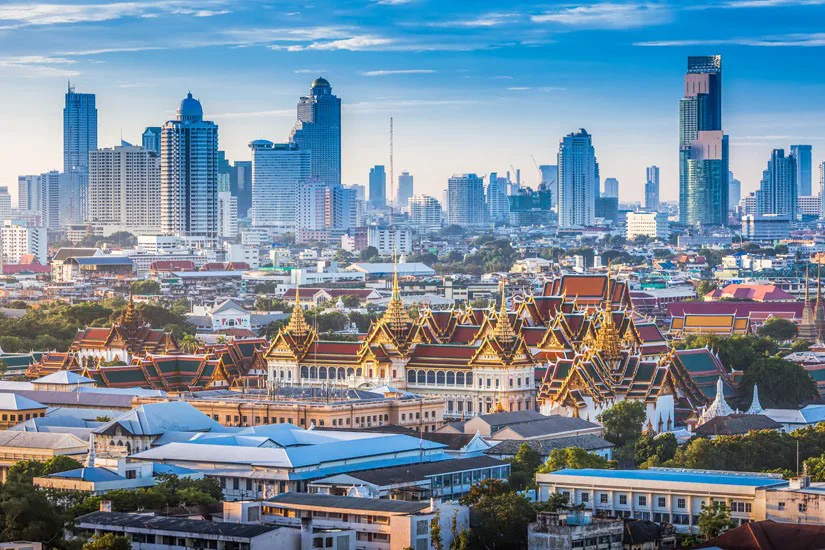
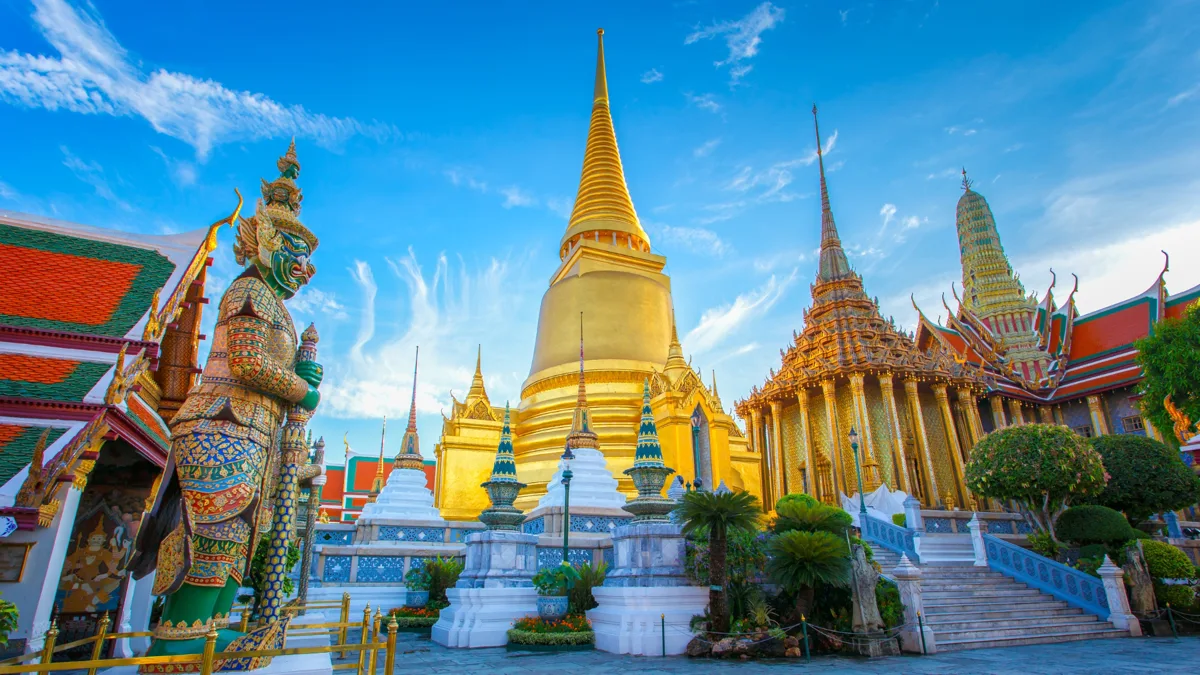
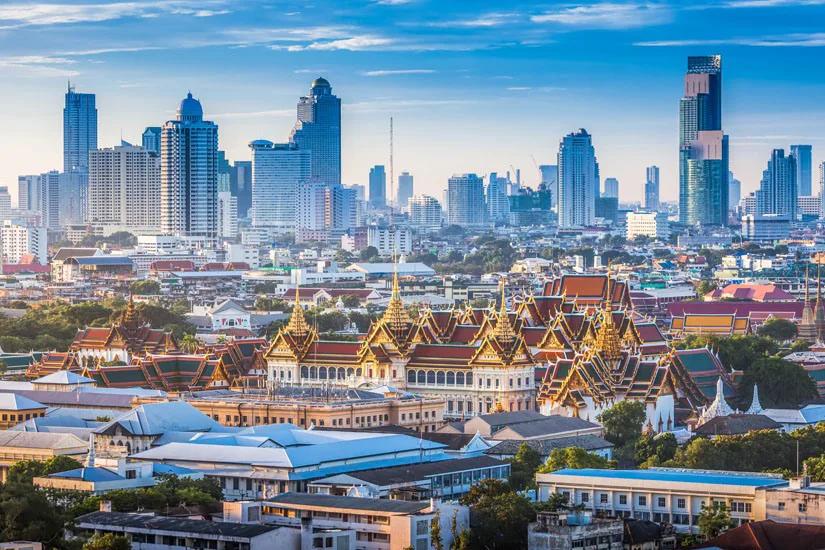
Bangkok deserves at least three nights. Combine the Grand Palace and major temples with canal neighborhoods, local markets, contemporary art, rooftop views and a guided food experience. Use river boats and urban rail to avoid road congestion where possible.
Ayutthaya and Kanchanaburi
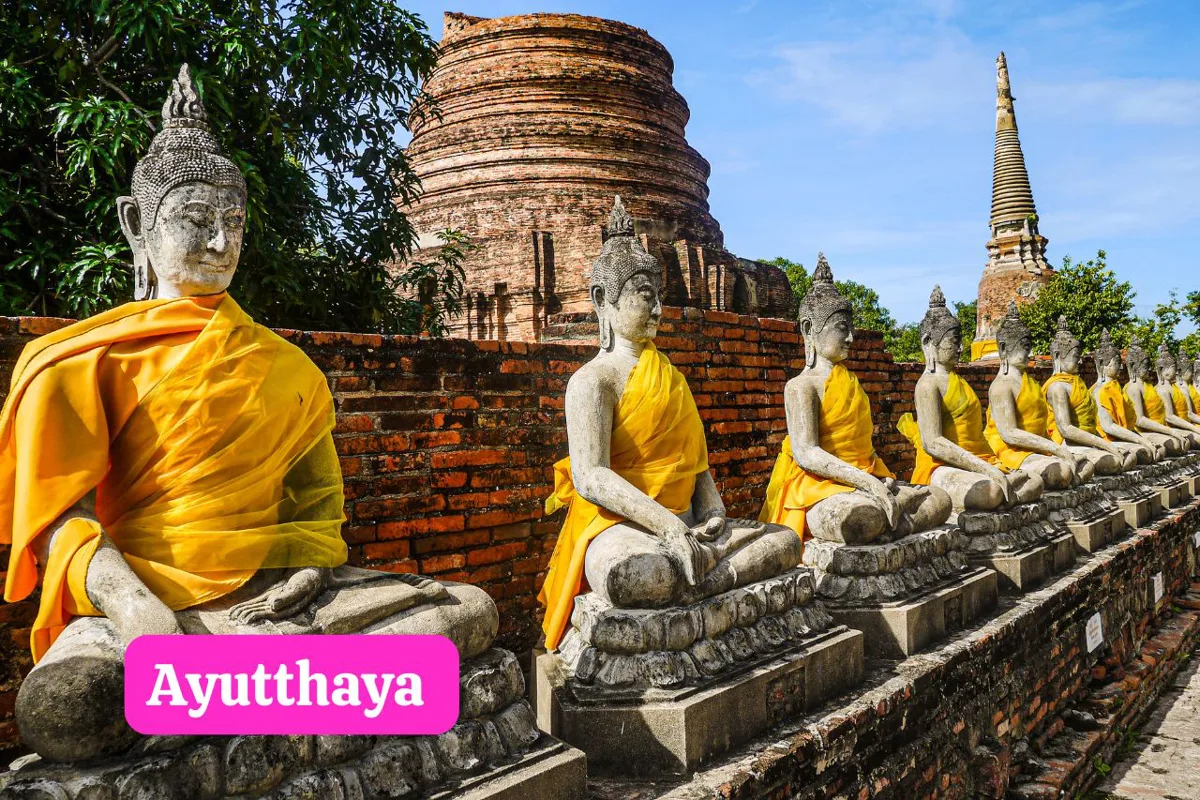
Ayutthaya’s temple ruins can be visited from Bangkok or enjoyed overnight after day-trippers leave. Kanchanaburi combines difficult wartime history with river landscapes, waterfalls and countryside stays; visit memorial sites respectfully and with context.
Chiang Mai and the North
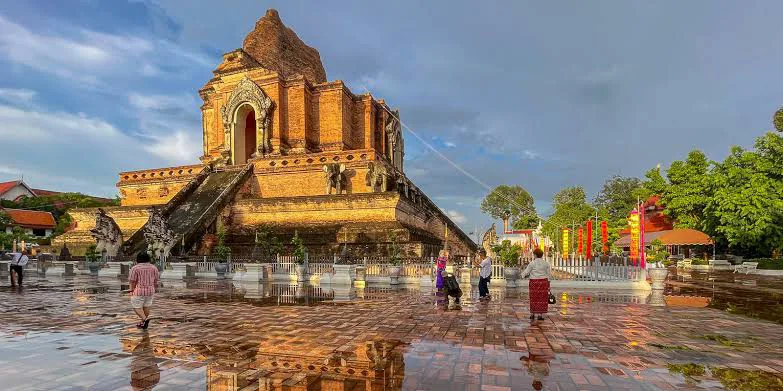
Chiang Mai is a base for historic temples, food, crafts and mountain excursions. Chiang Rai adds distinctive contemporary temples and access to the far north. Pai appeals to travelers seeking a small mountain town, though its winding road is not comfortable for everyone.
National Parks and Nature
Khao Sok offers limestone scenery, rainforest and lake stays. Khao Yai is accessible from Bangkok and known for forest walks and wildlife observation. Choose licensed guides and never feed wildlife.
How to Choose a Thai Beach or Island
- Phuket: widest choice of flights, hotels, restaurants and activities; select the beach area carefully.
- Krabi: dramatic limestone coast, Railay access and island excursions.
- Khao Lak: relaxed resorts and a useful base for seasonal marine trips.
- Koh Lanta: slower atmosphere, long beaches and family-friendly stays.
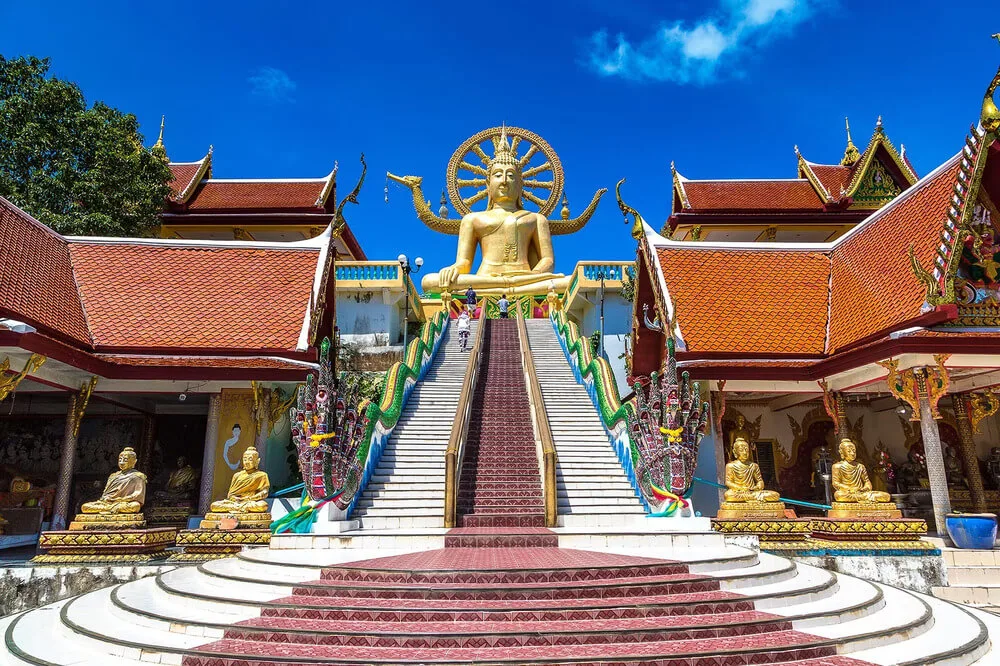
- Koh Samui: airport convenience, broad resort range and access to Gulf islands.
- Koh Tao: popular for diving; evaluate operator safety and certification standards.
- Trat islands: Koh Chang, Koh Mak and Koh Kood offer different balances of facilities and quiet.
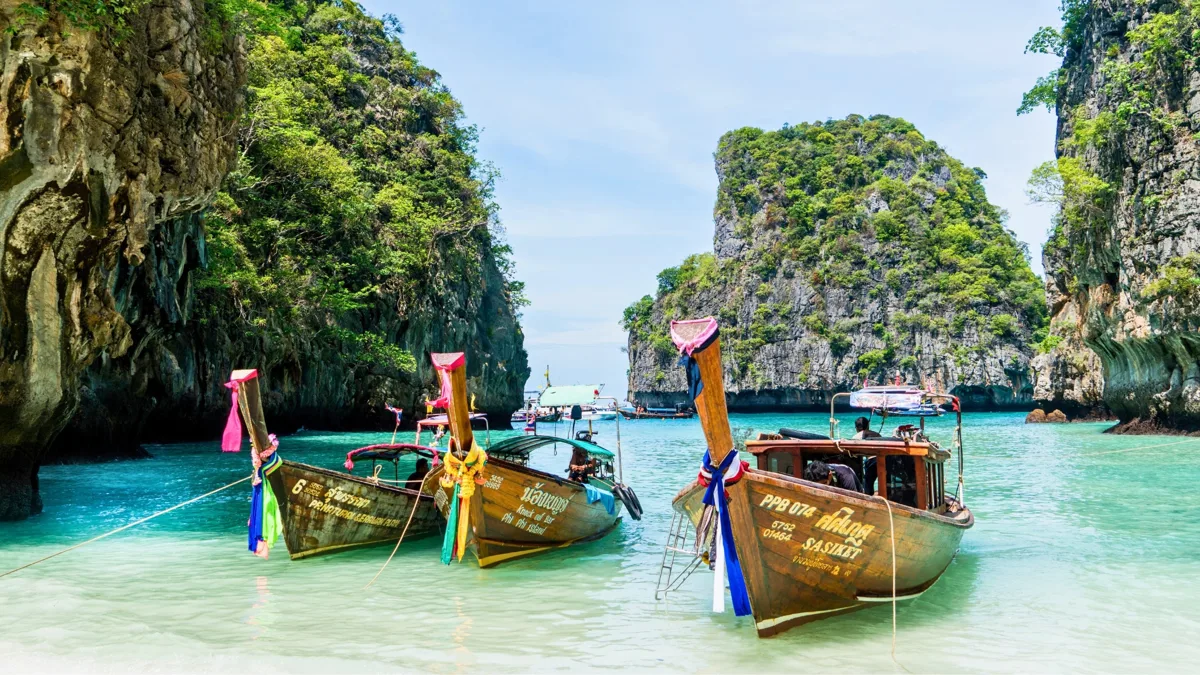
Do not select an island from photos alone. Compare travel time, sea conditions, nightlife, medical access, road safety, beach season and whether restaurants remain open during low season.
Suggested Thailand Itineraries
7 days: Bangkok and one region
Spend three nights in Bangkok, then choose Chiang Mai, Khao Sok or a beach area with a direct connection.
14 days: Classic Thailand
- Bangkok for three nights.
- Ayutthaya or Kanchanaburi for one or two nights.
- Chiang Mai for four nights.
- Fly south for four or five beach nights.
21 days: Thailand in depth
Add Chiang Rai, Sukhothai, a national park, a second island or slower rural stays. Avoid changing beaches every night; ferry and hotel transfers consume more time than maps suggest.
Entry Requirements and Visas
Thailand’s visa requirements and permitted stays depend on passport, residence, purpose and trip length. Some nationalities qualify for visa exemption, while others need a visa or may use the official Thai eVisa process. The official Ministry of Foreign Affairs portal provides a nationality and intended-stay checker and notes that approved eVisa documents are delivered by email.
Use only official Thai government or embassy sources, ensure the application location rules apply to where you are physically resident, and carry the approval document when required. Entry policies, arrival forms and exemption periods can change. Verify shortly before departure and maintain at least six months’ passport validity as a prudent baseline.
Getting Around Thailand
- Domestic flights: efficient for Bangkok–north–south combinations; include airport transfer time.
- Trains: useful for Ayutthaya, northern sleeper routes and selected southern journeys; reserve popular berths.
- Buses: extensive and economical; established VIP services are more comfortable for long routes.
- Private transfers: ideal for families, national parks and routes with multiple stops.
- Urban transport: Bangkok’s BTS, MRT and river boats are valuable; app-based taxis help with transparent routing.
- Ferries: schedules change with weather and season. Leave a buffer before international flights.
Motorbike crashes are a major traveler risk. Do not ride without the correct license, insurance, experience and helmet. On islands, steep roads and sand make conditions more difficult than they appear.
Budget, Money and Connectivity
Thailand covers every budget, from local guesthouses to private-pool resorts. Bangkok and major islands can cost considerably more than northern towns. Build a realistic budget around hotel location, domestic flights, island transfers, park fees, guides and whether quoted hotel rates include tax and service.
- Use bank-affiliated ATMs and account for fixed withdrawal fees.
- Carry baht for markets, taxis and local businesses; cards are common at larger establishments.
- Keep emergency funds on a separate card.
- Local SIM/eSIM service is fast and widely available; register with your passport through an authorized provider.
Thai Food and Drink
Thai cuisine changes dramatically by region. Bangkok offers everything from street stalls to fine dining. Northern specialties include khao soi, sai ua and nam prik. Isan food features grilled meats, sticky rice, som tam and larb. Southern cooking often uses seafood, turmeric, coconut and assertive spice.
Do not judge Thai food only by pad thai. Visit fresh markets, take a responsible cooking class and ask local guides about seasonal dishes. For allergies, carry a translated card and remember that fish sauce, oyster sauce, shrimp paste and peanuts are common. Choose busy stalls, drink sealed or treated water and approach ice from reputable businesses.
Culture and Responsible Etiquette
- Dress modestly at temples and the Grand Palace; remove shoes where required.
- Do not touch people’s heads or point feet toward people or Buddha images.
- Treat monks respectfully; women should follow local guidance regarding physical contact and offerings.
- The monarchy is deeply respected and protected by strict laws. Avoid disrespectful comments or gestures.
- Keep disagreements calm and avoid public loss of temper.
- Reject elephant riding, wildlife selfies and animal performances. Choose observation-focused, independently assessed welfare programs.
- Reduce plastic, protect coral, use reef-conscious behavior and never stand on marine life.
Health and Safety
Thailand is well established for tourism, but road accidents, heat, alcohol-related incidents, ocean conditions and petty theft remain practical risks. Use licensed transport, wear seat belts, watch drinks, secure valuables and follow lifeguard flags. Never swim during red-flag conditions.
Travel insurance should cover medical treatment, evacuation, scooters only if legally licensed, diving and other planned activities. Consult a travel-health professional, protect against mosquitoes, stay hydrated and avoid touching monkeys or dogs. Private hospitals are strong in major centers but remote islands may require evacuation.
Thailand Travel FAQ
How many days do I need?
Ten to fourteen days is ideal for Bangkok, northern culture and one beach region. With seven days, choose Bangkok plus either north or coast.
Which coast should I choose?
Compare the exact month, sea conditions, flight route and desired atmosphere. The Andaman and Gulf coasts have different weather patterns.
Is Thailand suitable for families?
Very much so. Choose short transfers, family-oriented beaches, reputable animal experiences and hotels near food and medical services.
Can I combine Thailand with Laos, Cambodia or Vietnam?
Yes. Bangkok is a major regional hub and land connections are possible. Check the visa and operating status of the exact border crossing before committing to overland plans.