Discover the Iconic Japanese Covered Bridge in Hoi An Ancient Town
The Japanese Covered Bridge (Lai Vien Kieu) is Hoi An's enduring symbol, a magnificent 16th-century arched bridge. Built by Japanese traders, it historically connected the Japanese and Chinese quarters of the ancient port town. This iconic landmark offers a unique glimpse into Hoi An's rich multicultural heritage.
About This Attraction
Overview of the Japanese Covered Bridge (Chua Cau)
The Japanese Covered Bridge, known locally as Chua Cau or Lai Vien Kieu, stands as the undisputed emblem of Hoi An Ancient Town. This architectural masterpiece, dating back to the 16th century, is more than just a crossing; it's a profound symbol of Hoi An's rich multicultural history and its enduring legacy as a vibrant trading port. Connecting what were once the Japanese and Chinese quarters, the bridge offers visitors a tangible link to the city's past, inviting them to step back in time and explore the intricate tapestry of cultures that shaped this UNESCO World Heritage site.
Historical Significance and Origins
The construction of the Japanese Covered Bridge is attributed to the Japanese merchant community thriving in Hoi An during the 16th and 17th centuries. At its peak, Hoi An was a bustling international trading port, attracting merchants from Japan, China, and various European nations. The Japanese community, seeking to create a physical and symbolic link between their quarter and the Chinese quarter across the stream, embarked on building this unique bridge around the 1590s. Legend has it that the bridge was built to subdue a mythical monster, Namazu, whose head was in India, tail in Japan, and body in Vietnam, causing earthquakes. The bridge was believed to pin down the monster's body, bringing peace to the region.
Over the centuries, the bridge has undergone several renovations, most notably in 1719, 1817, 1875, 1910, and 1986. Despite these changes, its fundamental structure and aesthetic appeal have been meticulously preserved, allowing it to retain its original charm and historical integrity. The bridge's resilience through time is a testament to the skilled craftsmanship of its builders and the dedication of the local community to preserve their heritage.
Architectural Marvel and Unique Features
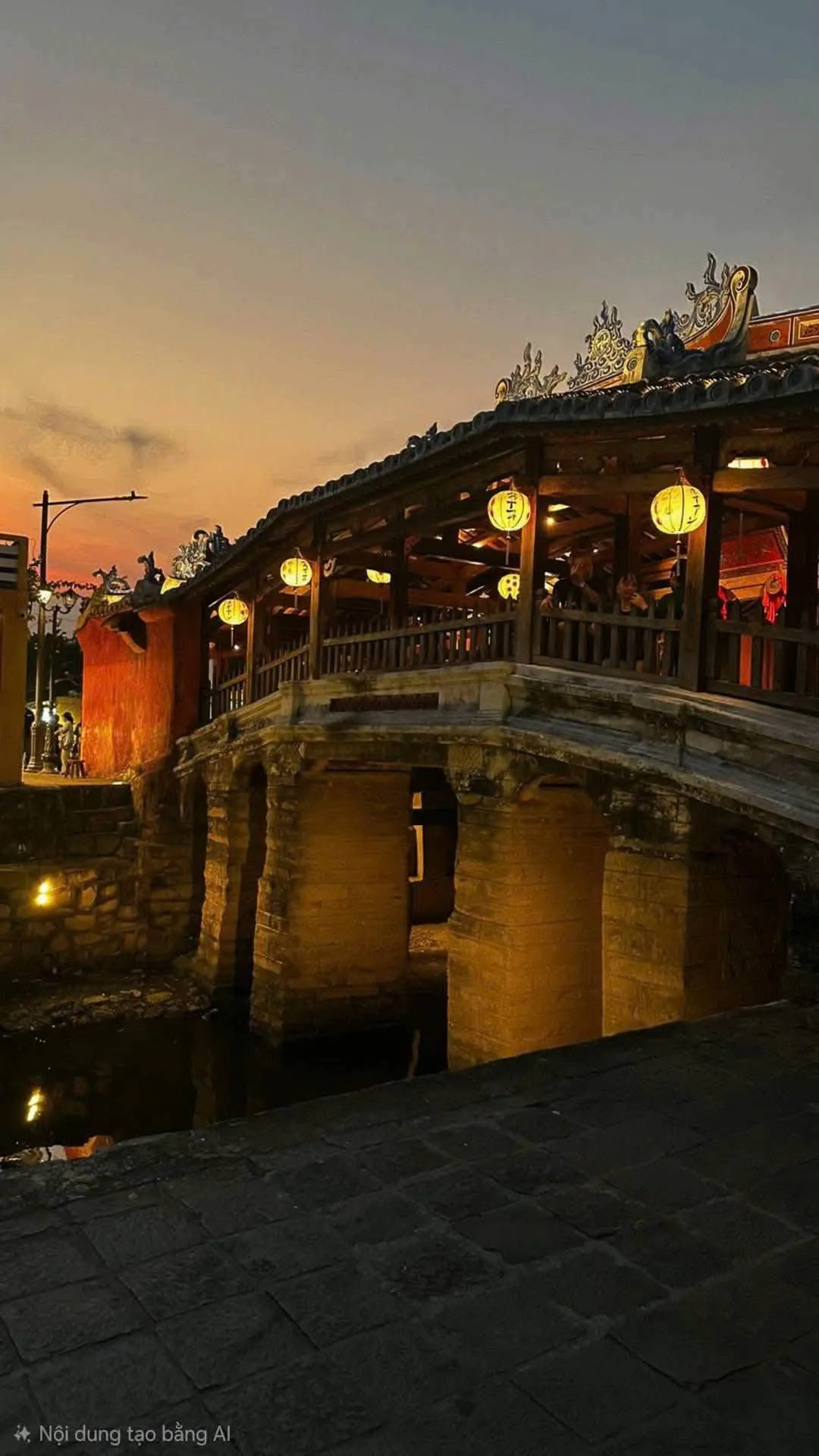
The Japanese Covered Bridge is celebrated for its distinctive architectural style, which beautifully blends Japanese, Vietnamese, and Chinese influences. It is a sturdy, arched wooden bridge, topped with a traditional tile roof, providing shelter from both sun and rain. What makes it particularly unique is the small temple nestled within the bridge itself, dedicated to Bac De, the God of Weather. This temple, added later, gives the bridge its local name, Chua Cau, meaning "Pagoda Bridge."
At either end of the bridge, visitors will find statues guarding the entrance. On one side stand two monkey statues, and on the other, two dog statues. Local lore suggests that construction began in the year of the monkey and was completed in the year of the dog, or that these animals are sacred to the Japanese. These animal guardians add to the bridge's mystical aura and are popular photo spots.
The bridge's wooden structure features intricate carvings and details, showcasing the artistry of its time. The interior is dimly lit, creating a serene atmosphere as you walk across, with wooden benches offering a place to rest and soak in the history.
The Visitor Experience
Visiting the Japanese Covered Bridge is an essential part of any trip to Hoi An Ancient Town. As you approach, its elegant silhouette against the backdrop of ancient houses and the Thu Bon River immediately captivates. Walking across the bridge is a journey through history, offering a quiet moment of reflection amidst the bustling town.
While crossing, take time to observe the intricate wooden beams, the tiled roof, and the small temple inside. Many visitors pause to light incense or offer prayers at the shrine. The bridge is a prime location for photography, especially during the early morning or late afternoon when the light is soft, or at night when the bridge is beautifully illuminated by lanterns.
Access to the bridge itself is typically part of the Hoi An Ancient Town entrance ticket, which grants access to several heritage sites within the old town. Even if you don't have a ticket, you can still admire its exterior and walk along the riverbanks nearby.
Highlights of the Japanese Covered Bridge
- Iconic Symbol: Recognised worldwide as the definitive image of Hoi An.
- Architectural Fusion: A rare example of Japanese, Vietnamese, and Chinese architectural styles harmoniously blended.
- Ancient Temple: Houses a small temple dedicated to the God of Weather, adding to its spiritual significance.
- Animal Guardians: Statues of monkeys and dogs at each end, steeped in local legend.
- Photographic Opportunity: Offers stunning views and is a popular spot for capturing memorable images of Hoi An.
Practical Tips for Visiting
- Best Time to Visit: Early morning (before 9 AM) or late afternoon (after 4 PM) are ideal to avoid crowds and enjoy cooler temperatures. The bridge is also enchanting at night when lit by lanterns.
- Footwear: Wear comfortable shoes as you'll be walking extensively through the ancient town.
- Respectful Conduct: When inside the temple area, be mindful of others, speak softly, and dress modestly.
- Tickets: Access to walk across the bridge's interior is usually included with the Hoi An Ancient Town entrance ticket. These tickets can be purchased at various entry points around the old town.
- Photography: Be prepared for many other tourists, especially during peak hours. Patience will help you get the best shots.
Nearby Places to Explore
The Japanese Covered Bridge is centrally located within Hoi An Ancient Town, making it an excellent starting point for exploring other attractions:
- Hoi An Ancient Town: The entire old town is a UNESCO World Heritage site, filled with ancient houses, temples, pagodas, and vibrant markets. Wander through its narrow streets to discover hidden gems.
- Phung Hung Ancient House: Just a short walk from the bridge, this 18th-century merchant house showcases a blend of Vietnamese, Chinese, and Japanese architectural styles.
- Tan Ky Old House: Another well-preserved merchant house, famous for its exquisite wooden carvings and historical artifacts.
- Hoi An Night Market: Located across the bridge on An Hoi Islet, this bustling market comes alive in the evenings, offering street food, souvenirs, and traditional crafts.
- Assembly Hall of the Fujian Chinese Congregation: A beautiful and ornate temple dedicated to Thien Hau, the Goddess of the Sea, showcasing impressive architecture and intricate decorations.
- Thu Bon River: Enjoy a boat ride along the river, especially at sunset, to see the town from a different perspective and witness the lantern-lit beauty of Hoi An.
The Japanese Covered Bridge is not just a landmark; it's a living piece of history that continues to tell the story of Hoi An's past as a melting pot of cultures. Its enduring beauty and historical significance make it an unforgettable stop on any journey through Vietnam.
Location
Plan Your Visit
Ready to experience Japanese Covered Bridge Hoi An? Book a guided tour or get expert travel advice.
Enquire Now Browse Tours Including This Site