
Spending 3 days in Ho Chi Minh City gives you enough time to see the main historic sites, sample lively market life and take at least one memorable day trip outside the metropolis. This guide lays out a balanced, easy-to-follow plan with practical notes so visitors can move between attractions efficiently.
What a 3 days in Ho Chi Minh City looks like
A three-day stay in Ho Chi Minh City typically focuses on a compact central loop of heritage sites, markets and cafés on the first day, a day trip north or south on the second, and a river or countryside experience on the third. Many travellers use District 1 as a base because it places museums, colonial-era buildings and major markets within short taxi or walking distance.
Visitors report that pacing matters: it’s usually best to mix indoor museums and monuments with outdoor market time and a relaxing meal break to cope with traffic and tropical heat. For practical transport information, consider the city’s taxi services and ride options before you move between areas.
- Base yourself in District 1 to reduce transit time.
- Plan outdoor activities for morning or late afternoon to avoid peak sun.
- Reserve one full day for a nearby day trip such as the Cu Chi tunnels or the Mekong Delta.
Top sights and highlights to include
Central Ho Chi Minh City contains several landmarks that help explain the country’s modern history and colonial past. Key stops commonly included on short itineraries are the former presidential residence now preserved from the 1970s era, a museum documenting wartime history, and distinctive French-built landmarks such as the city cathedral and main post office.
Markets and street-food areas are another core part of the experience. Ben Thanh Market anchors the central market scene by day, and a night market area to its side opens in the evenings with food stalls and souvenir vendors. For a different perspective on urban life, there are converted apartment buildings where each floor hosts cafés and small shops.
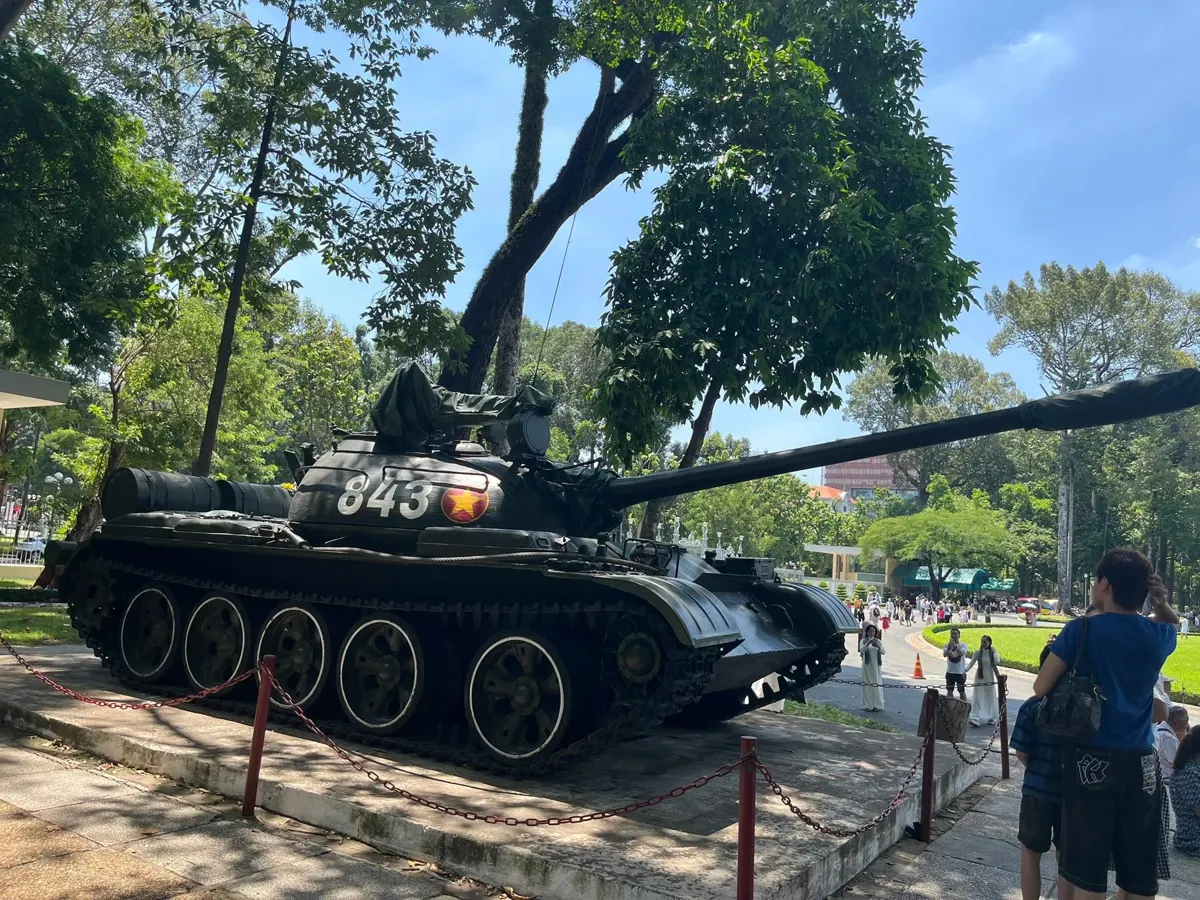
- Reunification Palace (former presidential building) — photo opportunities and period rooms.
- War Remnants Museum — visitors report this provides important context for the conflict’s legacy, though some displays are graphic.
- Notre-Dame Cathedral and Saigon Central Post Office — colonial-era architecture close to each other.
- Ben Thanh Market and the adjacent night market — for food and shopping.
- Emperor Jade Pagoda — one of the city’s older temples; note the opening times.
Practical opening notes carried over from local schedules: Emperor Jade Pagoda is generally open from 7:00 to 18:00 on most days and from about 5:00 to 19:00 on the 1st and 15th days of the lunar month. Several major shopping centres around District 1 operate long hours: Vincom Center (Vincom Center A at 171 Dong Khoi and Vincom Center B at 72 Le Thanh Ton) typically open from around 09:00 to 22:00; Takashimaya is usually 09:30 to 21:30; and Parkson Plaza commonly opens 09:30 to 22:00.
Practical tips for a three-day visit
Getting around: short trips within the city are often quickest by taxi or ride-hailing services. For more detailed guidance on taxi choices and how to avoid common pitfalls, consult a local taxi guide before you travel. Carry small bills and exact change for market purchases—many stallholders do not accept cards.
Packing and timing: lightweight, breathable clothing and a modest cover-up for religious sites work well in the city’s climate. Visitors often aim to see open-air markets either first thing in the morning or after 18:00, when evening stalls and street-food vendors form the night market scene near Ben Thanh.
- Bring cash for market haggling and small food stalls.
- Keep copies of your hotel address in Vietnamese for taxi drivers.
- Check museum displays if you are travelling with children; some material may be graphic.
For park-based breaks, Ho Chi Minh City offers several public green spaces where locals exercise and relax—useful when you need a calm pause between museum visits. See a local parks guide for suggestions on where to rest and stretch your legs.
Note: taxi options and safety tips are useful for first-time users of metered cars in the city.
Cultural context and visitor etiquette
Ho Chi Minh City blends remnants of colonial-era influences with Vietnamese cultural practices. Religious sites may have strict dress expectations—shoulders and knees covered are commonly requested—and visitors should remove shoes before entering certain temple spaces. When taking photographs in religious or private spaces, ask permission first.
Market interactions are typically friendly but businesslike; bargaining is a normal practice in many local markets, though fixed-price retail outlets and shopping centres usually do not negotiate. Showing respect for vendors and remaining patient goes a long way toward positive exchanges.
- Remove hats and sunglasses when entering temples or pagodas if requested.
- Speak softly in places of worship and step back before taking portraits of people.
- Use polite phrases or a few Vietnamese words; local sellers appreciate the effort.
If you want to unwind away from the main tourist loop, consider checking city green spaces; they are popular local gathering places and can provide a quieter environment between busy sightseeing stops. For a list of recommended locations, see our guide to public parks.
Who this itinerary suits and alternative options
This three-day plan fits travellers who want a compact sample of the city’s history, flavour and nearby landscapes without committing to extended travel. It suits first-time visitors and those with limited time who still want to include a major day trip such as a tunnel complex or a river delta exploration.
If you prefer a different focus, alternatives include spending one of the three days entirely on food and café culture, devoting more time to contemporary art spaces and boutique shopping, or combining the city stay with a short coastal or forest side trip. For travellers who have visited before, swapping a museum morning for a longer culinary tour or a nearby nature reserve can refresh the schedule.
- History-focused: add extra museum time and guided tours.
- Food-focused: carve out a full day for street-food and market tastings.
- Nature-focused: replace one day with a visit to nearby mangroves or national parks.
| Attraction | Type | Typical visit length | Notes |
|---|---|---|---|
| Reunification Palace | Historic building | 1–2 hours (visitors typically report) | Preserved interiors and period vehicles; central location |
| War Remnants Museum | Museum | 1–3 hours (visitors typically report) | Displays can be graphic; good for historical context |
| Cu Chi Tunnels | Day trip / historic site | Half to full day | Includes tunnel network and wartime relics; some sections narrow |
| Mekong Delta | Day trip / rural river system | Full day | Boat rides and village visits; photographic river scenery |
Frequently Asked Questions
How should I split three days to see the main sights?
Many visitors allocate day one to central, walkable landmarks and markets; day two for an outward day trip such as the Cu Chi tunnels; and day three for a Mekong Delta-style river or village visit or to explore local neighbourhoods and markets more slowly.
Is three days enough to get a feel for the city?
Three days provides a solid introduction to major monuments, museums and market life, and allows for at least one day trip. It won’t cover every neighbourhood, but it gives a representative snapshot of the city’s history and everyday rhythms.
Are tours necessary for the Cu Chi tunnels or the Mekong Delta?
Tours are a common way to visit these places because they handle transport and itinerary logistics. Independent travel is possible, but arranging transport and local guides in advance makes the day more efficient for most visitors.
What are sensible safety and health precautions?
Use reputable metered taxis or ride-hailing apps, carry bottled water, and guard personal items in crowded markets. For any outdoor excursions, protect against sun and bring insect repellent as needed.
When is the best time of year to visit?
Climate varies seasonally: many travellers choose the relatively drier months for easier walking and boat trips, while the rainy season can still offer lower prices and fewer crowds. Check seasonal weather patterns before booking tight day-trip schedules.








