
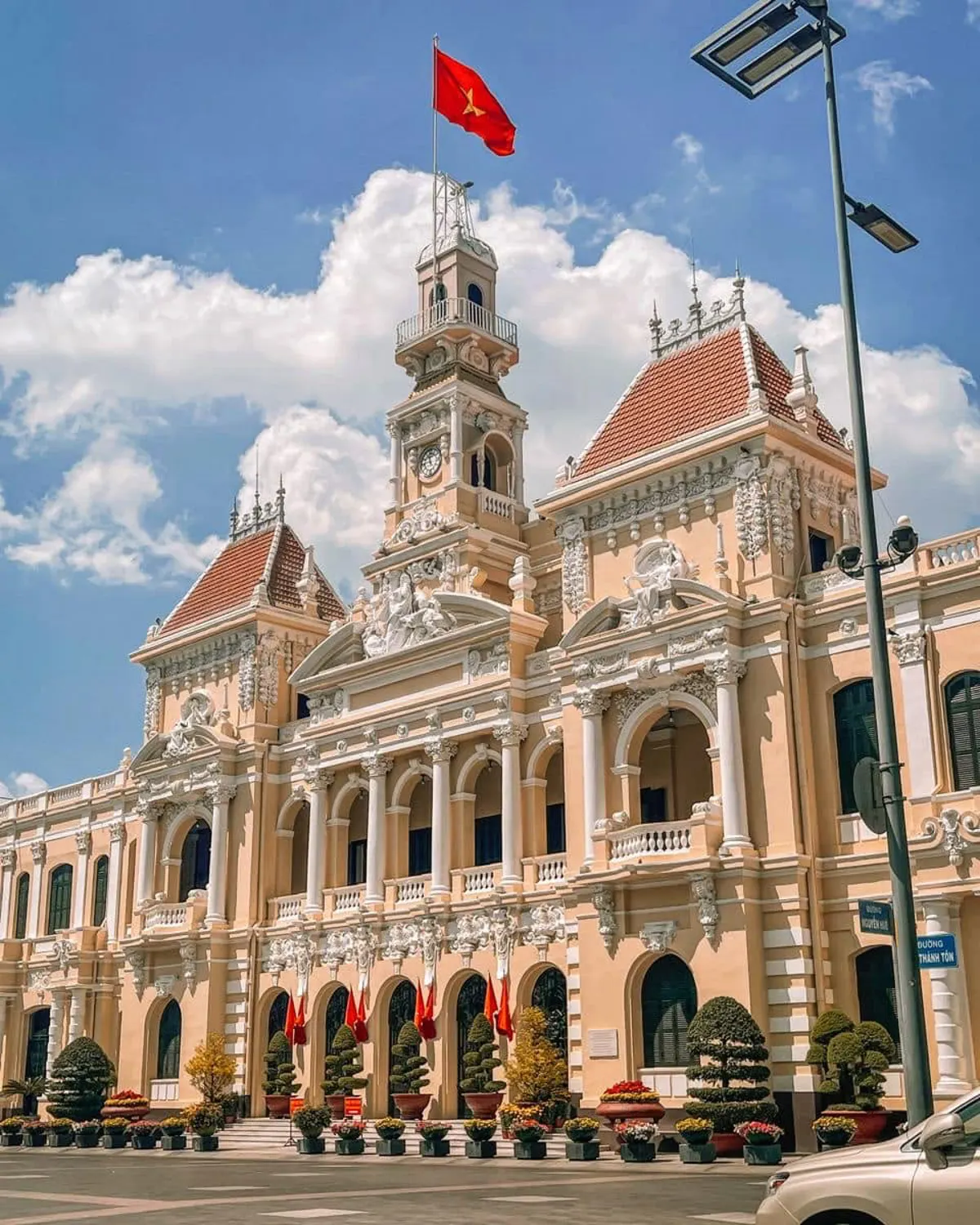
For visitors exploring Ho Chi Minh City, utilizing a taxi service offers a convenient way to travel between destinations. Given the city's active traffic, choosing a reputable taxi company can significantly enhance the comfort and safety of your movements. This guide provides an overview of prominent taxi providers in Ho Chi Minh City, detailing their operational aspects and fare information to assist travelers in making informed decisions.
Understanding Taxi Travel in Ho Chi Minh City
Ho Chi Minh City's roadways are known for their constant activity, which can appear overwhelming to those unfamiliar with the local driving conditions. Opting for a taxi allows travelers to relax and observe the surroundings without the stress of navigating dense traffic. While taxi rides represent a higher cost compared to some other local transport options, selecting a well-regarded service ensures a more predictable and pleasant journey.
The city features several established taxi companies that cater to both residents and visitors. These operators generally maintain fleets of modern vehicles and employ professional drivers. Knowing which companies are widely recognized for their reliability can help prevent potential issues and ensure fair pricing during your stay.
Key Taxi Providers in Ho Chi Minh City
Several taxi companies have built strong reputations for service quality and reliability within Ho Chi Minh City. These operators are often distinguishable by their vehicle colors and branding, making them easier to spot on the streets or identify when booking through an application. Below are details on some of the most frequently recommended services.
Mai Linh Taxi
Mai Linh Taxi, part of the Mai Linh Group Joint Stock Company, has been a significant presence in Vietnam's transportation sector since its establishment in 1993. It holds the distinction of being the first taxi enterprise in Vietnam to receive the "ISO Road Traffic Management System" certification. Mai Linh's extensive network covers all 63 provinces and four island towns across the country, demonstrating its broad reach.
The company is known for maintaining consistent pricing, even during peak travel times, and offers customer service around the clock. Travelers can hail a Mai Linh taxi directly from the street or use the dedicated Mai Linh taxi application for booking, which can reduce waiting times. As of November 2020, the initial fare for the first 0.3 km was 5,000 VND (approximately $0.2), with subsequent kilometers priced higher initially before decreasing for longer distances. The hotline number for Mai Linh Taxi in Ho Chi Minh City is 028 38 38 38 38.
VinaSun Taxi
VinaSun Taxi operates a substantial fleet of over 4,500 vehicles nationwide, primarily using Toyota models such as Innova J, Innova G, and Vios. The company aims to provide a high standard of service with modern vehicles and a focus on discreet, professional operation. VinaSun emphasizes swift and professional service delivery for its customers.
Regarding fares, as of November 2020, the starting price for the first 0.5 km was 11,000 VND (approximately $0.47). While subsequent kilometers might be slightly higher, the per-kilometer rate typically decreases as the journey length increases.
Vina Taxi
Established in 1992 through a collaboration between TRACODI and TECOBEST Company, Vina Taxi underwent a significant change in 2003 when it became part of ComfortDelGro, a leading Singaporean road transport group. Five years later, in 2008, Vina Taxi integrated a GPS navigation system into its fleet to enhance service efficiency and customer experience. The company has received recognition for its improvements in transportation services within Ho Chi Minh City and across Vietnam.
As of November 2020, the fare for the first 0.5 km with Vina Taxi was 8,000 VND (approximately $0.34). For instances where a driver is required to wait, an hourly fee of 45,000 VND (approximately $1.94) applied.
Saigon Airport Taxi
Saigon Airport Taxi primarily serves Ho Chi Minh City and its surrounding provinces. The company operates under the principle of "Safe and economize," prioritizing customer satisfaction. Drivers are described as professional, and the customer care team is prepared to assist with any issues that may arise.
Fares for Saigon Airport Taxi, as of November 2020, began at 12,000 VND (approximately $0.52) for the first 0.7 km. The next kilometer was priced at 16,500 VND (approximately $0.71), and for journeys extending beyond 30 km, the rate reverted to 12,000 VND (approximately $0.52) per kilometer.
Taxi Hoang Long
Taxi Hoang Long has been operating for over a decade and provides services in Ho Chi Minh City and nearby areas. Its fleet includes both four-seat and seven-seat vehicles, such as Toyota Vios, Toyota Innova, and Fiat models. The company offers various service types, including taxi coupons, airport transfers, and inter-provincial travel.
Generally, Taxi Hoang Long is noted for its comparatively lower fares in Ho Chi Minh City. As of November 2020, the initial 0.7 km cost approximately 10,000 VND (approximately $0.43), with subsequent kilometers priced around 14,200 VND (approximately $0.61). However, securing a Hoang Long taxi during peak hours may be more challenging.
| Taxi Brand | Initial Fare (as of Nov 2020) | Key Features | Contact (Ho Chi Minh) |
|---|---|---|---|
| Mai Linh | 5,000 VND ($0.2) for first 0.3 km | No peak hour surcharge, 24/7 customer service, app booking, ISO certified. | 028 38 38 38 38 |
| VinaSun | 11,000 VND ($0.47) for first 0.5 km | Modern Toyota fleet (Innova J, G, Vios), over 4500 cars nationwide. | Not supplied |
| Vina Taxi | 8,000 VND ($0.34) for first 0.5 km | Part of ComfortDelGro, GPS navigation (since 2008), hourly waiting fee (45,000 VND/$1.94). | Not supplied |
| Saigon Airport | 12,000 VND ($0.52) for first 0.7 km | Focus on safety and economy, professional drivers, serves neighboring provinces. | Not supplied |
| Taxi Hoang Long | 10,000 VND ($0.43) for first 0.7 km | Generally lower fares, 4-seat and 7-seat options, airport and provincial services. | Not supplied |
Note: All prices and operational details were current as of November 2020. Travelers should verify current rates and availability directly with the taxi companies or through their booking applications.
Understanding Taxi Fares and Payment
Taxi fares in Ho Chi Minh City typically follow a metered system, with rates varying slightly between companies and vehicle types. The pricing structure often involves a base fare for the initial distance, followed by a per-kilometer rate that may decrease after a certain distance. It is advisable to confirm that the meter is active at the start of your journey.
Most taxis accept cash payments in Vietnamese Dong (VND). While some larger companies or newer vehicles might offer card payment options or integrate with ride-hailing apps, carrying local currency is generally recommended. For guidance on managing your money in the city, consider reading about banking services in Ho Chi Minh City for travelers.
Booking and Safety Tips for Taxis
When seeking a taxi in Ho Chi Minh City, you can often hail one from the street, particularly in central areas or near popular attractions. Look for vehicles clearly displaying company branding and official taxi signage. Alternatively, using a taxi booking application, such as those offered by Mai Linh or other providers, can provide convenience and often a more transparent fare estimate before your ride begins.
For safety, it is generally recommended to use taxis from well-known companies rather than unmarked vehicles. Confirm the taxi company's name and vehicle number, and if possible, share your ride details with someone. While most taxi drivers are honest, being aware of your route on a map application can also be helpful. If you are considering other modes of transport for longer distances, information on overnight rail journeys in Vietnam might be useful.
Frequently Asked Questions
How can I identify a legitimate taxi in Ho Chi Minh City?
Legitimate taxis in Ho Chi Minh City typically belong to established companies like Mai Linh or VinaSun. They are usually distinctively colored (e.g., green for Mai Linh, white for VinaSun) and feature clear company logos, phone numbers, and a meter inside the vehicle. Avoid unmarked cars or individuals offering rides without official branding.
Are taxi booking applications available in Ho Chi Minh City?
Yes, several taxi companies, including Mai Linh, offer their own mobile applications for booking rides, which can provide convenience and estimated fares. Additionally, international ride-hailing apps are also widely used in the city.
What are typical taxi fares in Ho Chi Minh City?
Taxi fares in Ho Chi Minh City generally start with a base rate for the first kilometer, followed by a per-kilometer charge. As of November 2020, initial fares ranged from approximately 5,000 VND to 12,000 VND for the first 0.3 to 0.7 km, depending on the company. Rates typically decrease slightly for longer distances. It's always best to ensure the meter is running.
Is it safe to take taxis in Ho Chi Minh City?
Taking taxis from reputable companies in Ho Chi Minh City is generally considered safe. To ensure a secure experience, always use officially branded taxis, confirm the meter is active, and be aware of your route. If you have any concerns, you can contact the company's customer service line.
What should I do if I have a problem with a taxi?
If you encounter an issue with a taxi service, such as a dispute over the fare or a lost item, try to note the taxi's license plate number, the company name, and the driver's ID (if visible). You can then contact the taxi company's customer service hotline to report the problem. Reputable companies are generally responsive to customer feedback.








