
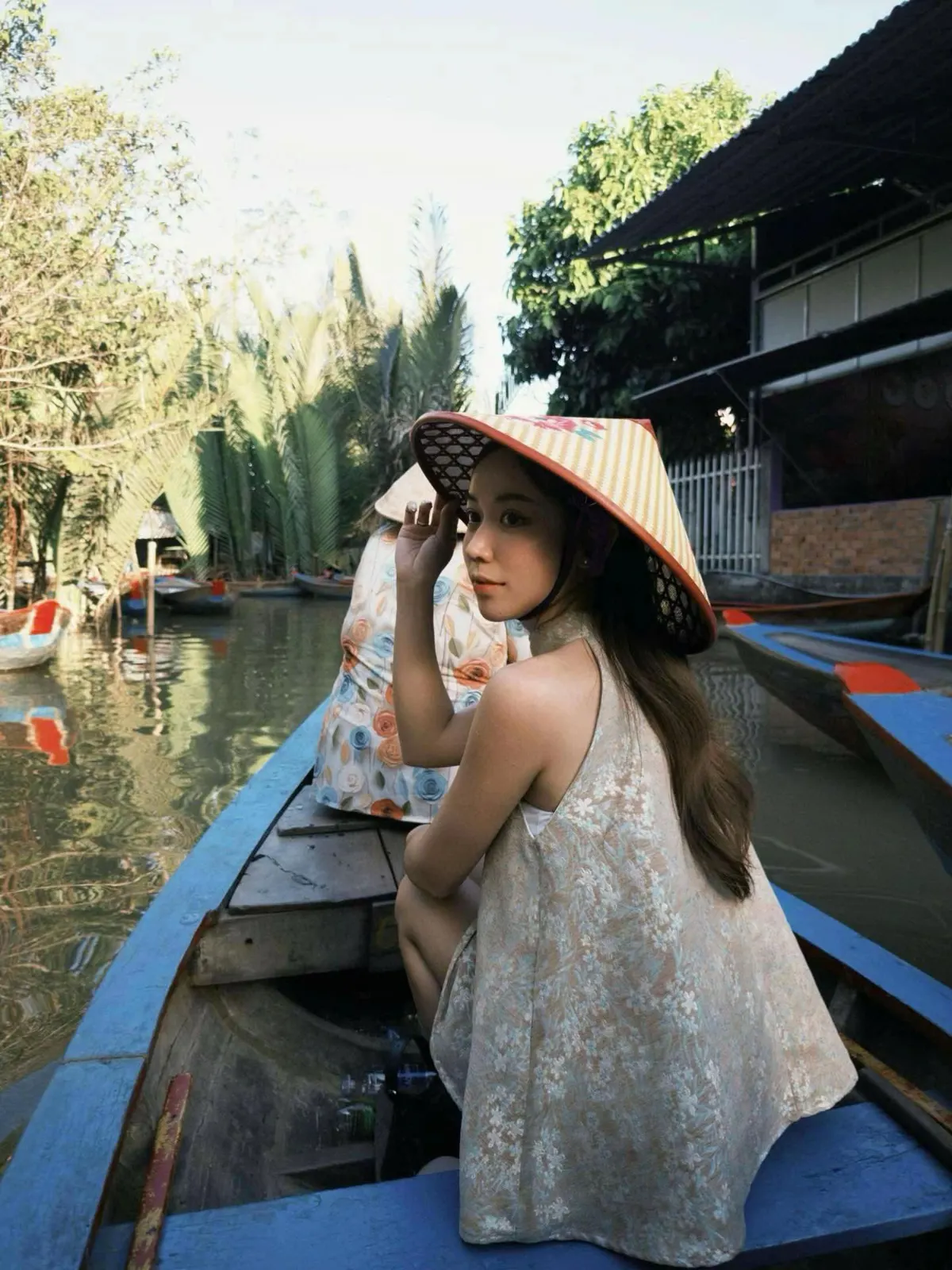
Bac Lieu Province, situated in the Mekong Delta region of southern Vietnam, presents a compelling destination for those interested in a unique cultural experience and a glimpse into the country's coastal life. This area stands out for its rich history, diverse ethnic population, and an economy deeply connected to its natural environment. Visitors often find Bac Lieu to be an intriguing place, offering insights into traditional Vietnamese life alongside modern developments.
An Introduction to Bac Lieu Province
Bac Lieu is a relatively young province in its current administrative form, having been officially established in 1997 after several reorganizations. It encompasses an area of approximately 2,669 square kilometers and is home to a population of around 907,236 people. The provincial capital, also named Bac Lieu, serves as the administrative and cultural hub. The province is further divided into six districts: Hong Dan, Vinh Loi, Gia Rai, Dong Hai, Phuoc Long, and Hoa Binh.
Geographically, Bac Lieu is positioned on the Ca Mau peninsula. Its northern border connects with Hau Giang Province, while Soc Trang Province lies to its east. To the southwest, it shares a boundary with Ca Mau Province, and Kien Giang Province is to its northwest. A significant feature of Bac Lieu is its southeastern coastline, which opens to the Pacific Ocean. This coastal access provides substantial advantages for industries such as salt production. The province also manages a considerable marine area, extending over 40,000 square kilometers, which is recognized for its abundant and varied marine resources. The primary economic activities in Bac Lieu revolve around agriculture and aquaculture.
The cultural identity of Bac Lieu is shaped by the coexistence of three main ethnic groups: the Kinh, Hoa, and Khmer. The interaction and intermingling of these communities have fostered a distinctive local culture. This unique blend is evident in various aspects of daily life, from culinary traditions and lifestyle practices to everyday communication styles, making Bac Lieu a culturally rich destination.
Tracing Bac Lieu's Historical Path
The historical trajectory of Bac Lieu Province involves numerous phases of formation and development. During the feudal era, the territory that now constitutes Bac Lieu was part of the Ba Xuyen district, under the reign of King Tu Duc. This early period laid the groundwork for the region's administrative and social structures.
A significant shift occurred in 1882 when the French colonial administration designated the area as Arrondissement de Bac Lieu, integrating it as the 21st territory of Southern Vietnam, then known as Nam Ky. This period introduced new administrative systems and influences that left a lasting impact on the region. The modern identity of Bac Lieu as a distinct province, comprising the township of Bac Lieu and six communes, was solidified in 1997, marking its contemporary administrative status.
Climate Patterns in Bac Lieu
Bac Lieu is situated at a low elevation within a monsoon climate zone, characteristic of the equatorial monsoon (tropical monsoon) region. This geographical positioning results in a climate that is generally stable, with consistent warmth throughout the year. The annual temperature fluctuations are typically minimal, contributing to a relatively uniform thermal environment.
The province experiences substantial rainfall, which is seasonal and can be somewhat unpredictable from year to year. This pattern of precipitation influences local agriculture and aquatic farming practices. While Bac Lieu welcomes visitors throughout the year, the months of March and April are often considered particularly favorable for experiencing local customs and beliefs, offering pleasant weather conditions for exploration.
Exploring Bac Lieu's Attractions and Experiences
Bac Lieu offers a range of attractions that highlight its natural beauty, cultural heritage, and modern developments. These sites provide visitors with opportunities to engage with the province's unique character.
Among the notable places to visit is the Bac Lieu Bird Reserve, a significant natural habitat for various bird species, appealing to birdwatchers and nature enthusiasts. The province is also home to a longan garden, where visitors can observe the cultivation of this popular fruit. Religious sites include Xiem Can Pagoda, which showcases local architectural styles and serves as an important spiritual center.
A symbol of contemporary development in the region is the offshore wind farm, representing the province's commitment to green energy and sustainable growth. Another historical point of interest is the Cong Tu Bac Lieu house, a relic associated with Tran Trinh Huy, a well-known wealthy landlord from the early 20th century. Beyond specific sites, the province is recognized for its Southern amateur music, often performed by local artists, providing a cultural experience that reflects the region's artistic traditions. When considering a diverse array of local products and traditional crafts, visitors might find unique items reflecting Bac Lieu's distinct culture.
Key Attractions in Bac Lieu Province
| Attraction Name | Description | Details (Address, Hours, Contact) |
|---|---|---|
| Bac Lieu Bird Reserve | A natural habitat for various bird species and a site for nature observation. | Not supplied |
| Longan Garden | Area known for its longan fruit cultivation. | Not supplied |
| Xiem Can Pagoda | A significant religious site reflecting local architectural styles. | Not supplied |
| Offshore Wind Farm | A modern energy development, symbolizing sustainable initiatives. | Not supplied |
| Cong Tu Bac Lieu House | A historical residence associated with Tran Trinh Huy, a notable figure. | Not supplied |
Local Flavors: Culinary Specialties of Bac Lieu
The culinary landscape of Bac Lieu is as distinctive as its culture, offering a variety of dishes that are considered local specialties. Food plays a central role in expressing the province's unique blend of ethnic influences.
Visitors seeking authentic local flavors should consider trying several dishes. Bun xao nem nuong is a popular choice, combining stir-fried vermicelli with grilled fermented pork sausage. Another staple is hu tieu mi kho, a dry noodle soup that is a favorite among locals. For those who enjoy rich, savory broths, lau mam, a fermented fish hotpot, offers a deeply flavorful experience. Finally, banh xeo, a crispy savory pancake often filled with shrimp, pork, and bean sprouts, is a widely enjoyed dish throughout the region.
Planning Your Visit: Transportation and Best Times
Reaching Bac Lieu has become more convenient due to improved infrastructure. National Highway No. 1A provides a direct route from Ho Chi Minh City, passing through several provinces including Tien Giang, Vinh Long, Can Tho, Hau Giang, and Soc Trang before arriving in Bac Lieu. This major highway facilitates road travel across the southern region.
For travelers starting their journey from Ho Chi Minh City, numerous open bus companies offer regular two-way services to and from Bac Lieu Province. These services provide a practical and accessible option for inter-provincial travel. When planning your finances for a trip starting in a major hub, understanding banking services in Ho Chi Minh City can be beneficial. As mentioned, the period between March and April is often recommended for visits, as the weather is generally pleasant and conducive to exploring local traditions and events.
Frequently Asked Questions
What is Bac Lieu Province known for?
Bac Lieu Province is recognized for its distinctive cultural blend, influenced by Kinh, Hoa, and Khmer ethnic groups. It is also known for its coastal geography, significant salt production, and historical figures like Cong Tu Bac Lieu. Modern landmarks include its offshore wind farm.
What are the main economic activities in Bac Lieu?
The primary economic activities in Bac Lieu Province are centered around agriculture and aquaculture. Its coastal location also makes salt production a notable industry, leveraging the advantages of its access to the Pacific Ocean.
When is the best time to visit Bac Lieu?
While Bac Lieu welcomes visitors year-round, the months of March and April are often suggested as the most favorable times to visit. During this period, the weather is typically pleasant, making it ideal for experiencing local customs, beliefs, and outdoor attractions.
How can I travel to Bac Lieu Province?
Travelers can reach Bac Lieu Province via National Highway No. 1A, which connects it to Ho Chi Minh City and other provinces in the Mekong Delta. Several open bus companies operate regular services between Ho Chi Minh City and Bac Lieu, providing convenient transportation options.
Are there any unique cultural aspects in Bac Lieu?
Yes, Bac Lieu possesses a unique culture shaped by the intermingling of its Kinh, Hoa, and Khmer populations. This cultural fusion is reflected in its culinary traditions, daily lifestyles, and forms of communication, offering a distinct experience compared to other regions in Vietnam.








