
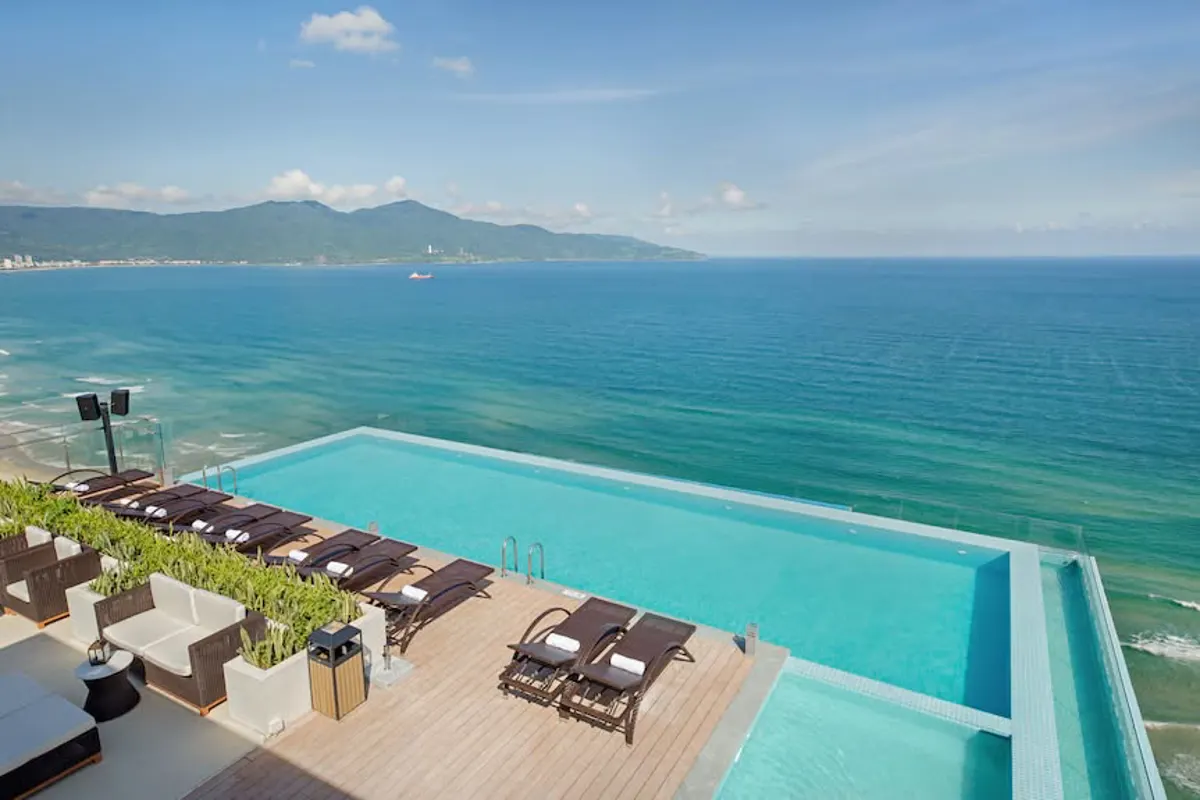
Da Nang, a prominent city in Central Vietnam, is recognized for its distinctive bridges, expansive coastal areas, diverse recreational activities, and rich culinary scene. For those considering a visit, knowing the most favorable times to travel is essential for an enjoyable experience. The ideal periods for exploring Da Nang generally fall within its dry season, specifically from February to August, with a peak between April and August offering excellent conditions for outdoor pursuits and cultural events.
Da Nang's Climate Patterns
Da Nang experiences a tropical monsoon climate characterized by consistently high temperatures and minimal seasonal fluctuations. The city's average annual temperature hovers around 25.6ºC. June typically records the highest temperatures, reaching approximately 29.2ºC, while February is usually the coolest month, with temperatures averaging 21.2ºC. Notably, the Ba Na Hills region, situated at an elevation of nearly 1,500 meters, maintains a cooler average temperature range of 17ºC to 20ºC.
The city's climate features an average annual air humidity of 83.4% and an average annual rainfall of 1,355mm. Rainfall is most significant in October, with an average of 266mm, and lowest in February, receiving only about 7mm. Da Nang experiences two primary seasons each year: the rainy season, which extends from September to January, and the dry season, lasting from February to August. Due to its coastal proximity to the South China Sea, temperatures across the year typically range between 18°C and 34°C.
Optimal Periods for a Da Nang Visit
Choosing the right time to visit Da Nang significantly impacts the travel experience, with distinct advantages and considerations for each season.
Dry Season: February to August
The dry season is widely considered the most suitable time for a trip to Da Nang. During this period, the average temperature is around 25.7ºC. While occasional cooler air may occur, it generally dissipates quickly. The air humidity and rainfall are low, creating pleasant conditions for exploration. From April to August, the city enters its peak tourist season, characterized by less rain and abundant sunshine. This makes it exceptionally convenient for sightseeing, beach activities, and other outdoor adventures. Visitors during this time may also have the opportunity to witness the Da Nang International Fireworks Festival, which often coincides with the period leading up to April 30th.
However, travelers planning to visit between April and August should be aware that this is a highly popular period. It is advisable to secure flights, accommodation, and tour bookings well in advance, ideally several weeks before the intended travel date, as prices for these services tend to be higher due to increased demand.
Shoulder Season: January to March
Another favorable window for visiting Da Nang is from January to March. This period offers a pleasant climate with moderate temperatures and less rainfall, making it comfortable for various activities without the intense heat of mid-dry season. Crucially, this time sees fewer tourist crowds compared to the peak months. Travelers who prefer a more tranquil experience may find this period particularly appealing. Additionally, some hotels and tour operators might offer promotions during these less crowded months, providing potential savings on accommodation and services.
Key Events and Cultural Celebrations
Da Nang hosts several significant events and festivals throughout the year, offering visitors insights into local culture and entertainment.
Da Nang International Fireworks Festival
The Da Nang International Fireworks Festival is a major attraction, first held in 2008. It typically runs from March through April 30th, coinciding with Vietnamese Independence Day. Beyond the impressive pyrotechnic displays, the festival incorporates various activities such as art exhibitions, food festivals, and music concerts. Attendees can enjoy the festive atmosphere, spectacular fireworks, local cuisine, and special musical performances.
Festivals at Ba Na Hills
Ba Na Hills is a popular destination near Da Nang, known for its European-inspired architecture and diverse entertainment options. Throughout the year, it hosts numerous themed festivals, including a Flower Festival, Winter Festival, French Wine Festival, B'estival Beer Festival, and Halloween Festival. These events add to the appeal of Ba Na Hills, complementing its scenic views and recreational facilities.
Boat Racing Festival
Held annually in January along the Han River, the Boat Racing Festival is a cultural tradition in Da Nang. Locals and visitors gather to watch and participate in this event, which serves as a prayer for favorable weather, prosperity, and well-being for the community. The festival creates a lively New Year atmosphere and fosters cultural exchange among different villages and provinces.
Quan The Am Festival
The Quan The Am Festival is a significant Buddhist celebration observed over three days, specifically the 17th, 18th, and 19th of February according to the lunar calendar. It takes place at the Ngu Hanh Mountain (Marble Mountains) in Da Nang. The festival's purpose is to invoke blessings for a prosperous year, good fortune, and happiness for society and individual families. The event features a series of Buddhist ceremonies alongside traditional folk activities, such as folk singing, chess games, sculpture displays, lantern releases on the river, and calligraphy exhibitions. This festival provides an opportunity to experience unique cultural and religious practices while enjoying the natural surroundings of Ngu Hanh Mountain.
Preparing for Your Trip: Packing and Booking Advice
Thoughtful preparation can enhance your Da Nang travel experience, especially concerning weather and logistics.
During the Dry Season
For travel during the dry season, particularly from April to August, it is advisable to pack light clothing, a hat, and sunglasses to protect against the sun. Bringing a portable mini-fan and a power bank can also be useful for staying comfortable. While rainfall is minimal, a compact umbrella might still be handy for unexpected showers or sun protection. Staying hydrated by drinking plenty of water is crucial due to the warm and sometimes humid conditions. Sunscreen and moisturizer are also essential for skin care. Given that this is the peak travel period, it is highly recommended to book flights, accommodations, and tours at least two weeks in advance to ensure availability and potentially better rates. For managing your finances during your stay, refer to our guide on navigating banking services in Da Nang for international visitors.
During the Rainy Season
If your travel plans fall within the rainy season (September to January), regular checks of the weather forecast are important for planning daily activities. While heavy rainfall can occur, it often comes in intermittent downpours, allowing for periods of clear weather. Travelers might consider a minimum stay of three days and two nights to allow flexibility for weather-dependent activities. This season typically sees fewer tourists, which can translate to more promotions and potentially lower prices for accommodations and tours. It is still wise to compare various options for transport and lodging to secure the best value. When considering local purchases, our guide on essential souvenirs and unique purchases from a trip to Vietnam offers valuable insights.
| Feature | Dry Season (February - August) | Rainy Season (September - January) |
|---|---|---|
| Temperature | Average 25.7°C; highest in June (29.2°C) | Average lower; lowest in February (21.2°C) |
| Rainfall | Low; lowest in February (7mm) | High; highest in October (266mm) |
| Humidity | Lower | Higher (average 83.4% annual) |
| Crowds | Peak tourist season (April-August), more crowded | Fewer tourists, less crowded |
| Activities | Ideal for outdoor sightseeing, beaches, water sports | Less convenient for outdoor activities due to heavy rain |
| Prices | Higher for flights, accommodation, tours (April-August) | Potential for promotions and lower prices |
| Special Events | Da Nang International Fireworks Festival (March-April 30th) | Boat Racing Festival (January), Quan The Am Festival (February) |
Frequently Asked Questions
What is the overall climate like in Da Nang?
Da Nang features a tropical monsoon climate with consistently high temperatures throughout the year. It experiences two main seasons: a dry season from February to August and a rainy season from September to January. Average annual temperatures are around 25.6ºC.
Is Da Nang suitable for travel during the rainy season?
While the rainy season (September to January) brings heavy rainfall, especially in October, travel is still possible. There are typically fewer crowds and potential for promotions on accommodation and tours. It's advisable to check weather forecasts frequently and plan flexible itineraries, focusing on indoor activities or attractions that are less affected by rain.
How does the weather in Ba Na Hills compare to Da Nang city?
Ba Na Hills, located at an altitude of nearly 1,500 meters, maintains a significantly cooler climate than Da Nang city. Its average temperature ranges from 17ºC to 20ºC, offering a refreshing escape from the city's warmth, regardless of the season.
When is the busiest time to visit Da Nang?
The busiest period for tourism in Da Nang is typically from April to August, which falls within the dry season. During these months, the weather is most favorable for outdoor activities, leading to increased crowds and higher prices for travel services.
What should I pack for a trip to Da Nang?
For the dry season, pack light clothing, a hat, sunglasses, sunscreen, and consider a portable fan and power bank. For the rainy season, include a lightweight raincoat or umbrella, and waterproof footwear. Regardless of the season, comfortable walking shoes are always recommended.








