
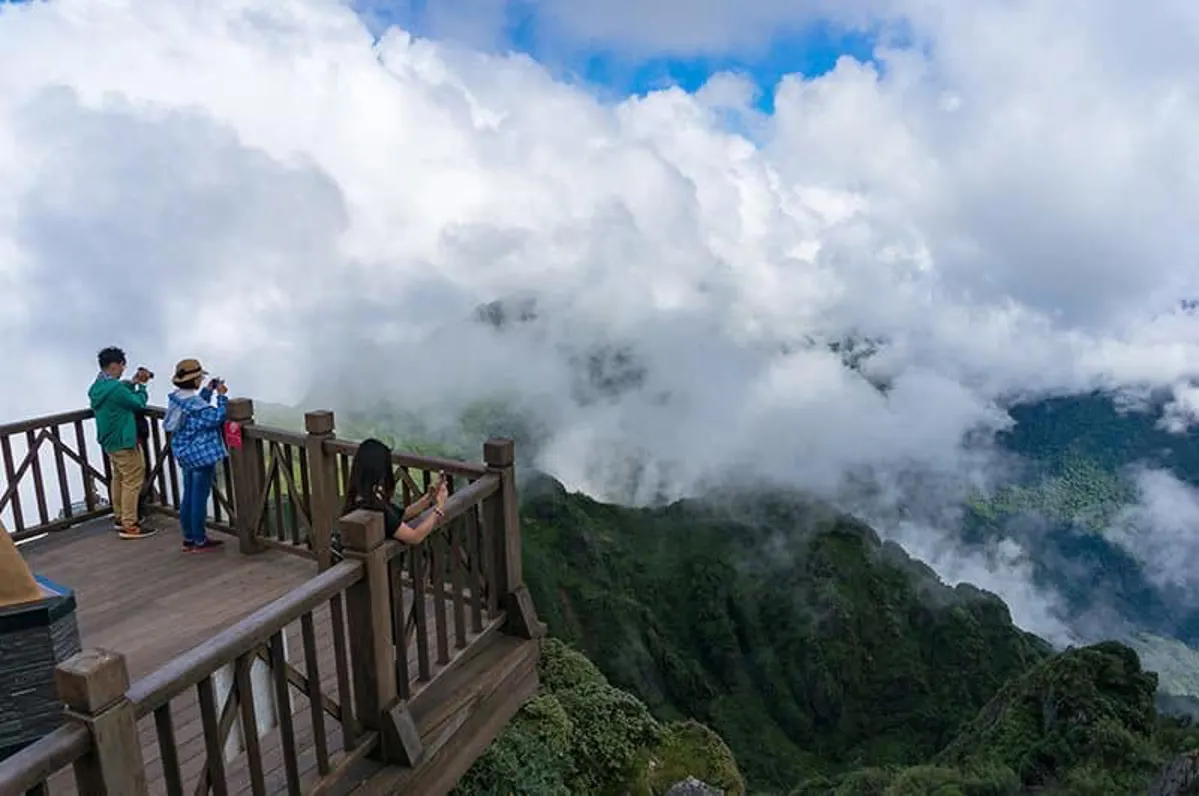
Exploring the Sapa region by motorbike offers a distinct way to experience its mountainous terrain, terraced fields, and diverse cultural communities. This mode of transport allows travelers to access remote areas and engage with local life more directly than other options. However, navigating Sapa's roads requires preparation and awareness of local conditions.
Opting for a motorbike adventure in Sapa provides the flexibility to visit numerous minority villages and admire the area's natural beauty efficiently. While it can save travel time, riders should possess prior experience due to the challenging road surfaces and potential for unexpected obstacles. Whether choosing an independent rental or a guided tour, understanding the local environment is key to a successful trip.
Exploring Sapa by Motorbike: An Overview
Traveling through Sapa on a motorbike presents an opportunity to delve into the region's valleys and mountain settlements, offering direct encounters with local culture and residents. This method of travel can lead to locations less frequented by general tourism, providing a more intimate perspective of the area. The ability to traverse diverse landscapes, from agricultural fields to winding mountain passes, is a primary draw for many.
While the experience can be highly rewarding, the roads in Sapa are often uneven and can present challenges such as sudden appearances of animals. Therefore, riders should be both mentally and physically prepared for varied conditions. For those seeking a deeper understanding and safer passage, engaging a local tour guide is often recommended. Guides possess extensive knowledge of the terrain, can facilitate communication with local communities, and are adept at identifying prime locations for scenic views and photography.
Types of Motorbike Excursions in Sapa
Sapa offers a range of motorbike tours tailored to different schedules, budgets, and skill levels, from single-day outings to multi-day expeditions. Travelers can choose to operate their own motorbike or ride as a passenger, depending on their confidence and experience. Opting to ride as a passenger allows for full enjoyment of the scenery without the demands of navigating.
Single-Day Motorbike Journeys
For individuals with limited time, a one-day motorbike tour provides a concentrated experience of Sapa's prominent locations. These excursions typically commence from well-known villages such as Muong Hoa Valley and Cat Cat Village. Routes often include visits to six to eight villages, including Y Linh Ho, Lao Chai, Ta Van, Su Phan, and Ban Ho, alongside other less-visited settlements. Participants have the chance to interact with various ethnic minority groups, such as the Day, Tay, Dao, and Hmong communities, gaining insight into their daily lives.
Two-Day Motorbike Adventures
Travelers with two days available for motorbike exploration can extend their journey to include more distant attractions, such as the Bac Ha market. Located approximately 100 kilometers from Sapa town, this market operates exclusively on Sundays. The route to Bac Ha offers glimpses of various ethnic minority tribes traveling to and from the market, trading livestock like pigs, buffaloes, and horses, as well as local produce such as corn wine, vegetables, and household goods. Bac Ha market is recognized as one of the most active trading hubs in Northern Vietnam. This two-day option can also be combined with trekking activities for a varied experience.
Extended Three-Day Motorbike Routes
For a comprehensive exploration, a three-day motorbike tour allows visitors to cover all the destinations typically included in shorter tours, such as the villages and Bac Ha market, while also venturing into additional areas. These extended routes may encompass villages like Ban Khoang, Ta Giang Phin, O Quy Ho, Ma Tra, and Ta Phin. These areas are known for their diverse agricultural landscapes, including green tea farms, vegetable plots, chocolate farms, and flower fields. Each village maintains its unique customs and cultural practices, offering a rich and varied experience.
Here is a comparison of typical Sapa motorbike tour options:
| Tour Duration | Key Destinations | Cultural Highlights | Considerations |
|---|---|---|---|
| One-Day | Muong Hoa Valley, Cat Cat, Y Linh Ho, Lao Chai, Ta Van, Su Phan, Ban Ho | Interaction with Day, Tay, Dao, Hmong ethnic groups | Ideal for limited time; covers prominent sites |
| Two-Days | Villages + Bac Ha Market (Sunday only, ~100 km from Sapa) | Ethnic minority trading, livestock, local goods | Can be combined with trekking; market operates weekly |
| Three-Days | All one-day villages, Bac Ha Market, Ban Khoang, Ta Giang Phin, O Quy Ho, Ma Tra, Ta Phin | Distinct village traditions, agricultural farms (tea, vegetables, flowers) | Most comprehensive exploration; deeper cultural immersion |
Essential Advice for Motorbike Riders in Sapa
Before embarking on a motorbike journey in Sapa, several practical considerations are important for a safe and enjoyable experience. Firstly, a valid driving license is required for operating a motorbike in Vietnam. It is advisable to carry this documentation at all times.
When navigating the mountainous roads, a recommended speed is around 30 km/h, especially when ensuring good brake control. While experienced riders might reach speeds of up to 50 km/h on winding or uneven routes, caution is always paramount. Taking periodic breaks at local shops or eateries can enhance the journey and offer opportunities to rest. Motorbike rental fees in Sapa are typically around 10 USD for a full day, though prices may vary (please verify current rates upon arrival). Always ensure the fuel tank is adequately filled after renting the vehicle. The roads in Sapa can be challenging, so it is prudent to practice riding within Sapa town initially to become accustomed to the local conditions before venturing into more remote areas. For financial transactions during your trip, understanding the banking facilities in Sapa can be helpful.
Renting a Motorbike or Opting for a Guided Tour
Travelers have two primary choices for motorbike exploration in Sapa: renting a bike for independent travel or booking a guided tour. Renting a motorbike offers maximum flexibility, allowing individuals to set their own pace and choose their specific destinations. However, this option requires confidence in navigating unfamiliar and potentially difficult terrain, as well as a good sense of direction to avoid missing points of interest. While exploring independently, remember that local medical services are available, and reviewing the Sapa healthcare guide can be beneficial for preparedness.
Conversely, joining a motorbike tour with a local guide provides numerous advantages. A guide's expertise ensures access to the most scenic spots and culturally significant locations, many of which might be overlooked by independent travelers. Guides are also proficient in navigating the challenging mountain roads safely and can assist with communication barriers when interacting with local ethnic communities. This can enrich the cultural exchange and provide a more secure travel experience. Additionally, a guide can point out excellent photo opportunities and provide context to the landscapes, such as the views of Mount Fansipan.
Frequently Asked Questions
Is a driving license required for motorbiking in Sapa?
Yes, a valid driving license is necessary to operate a motorbike in Vietnam, including in the Sapa region. It is important to carry this documentation with you while riding.
What are the typical costs for motorbike rental in Sapa?
Motorbike rental fees in Sapa are generally around 10 USD for a full day. However, prices can fluctuate, so it is advisable to confirm current rates directly with rental providers upon your arrival.
How challenging are the roads in Sapa for motorbikes?
The roads in Sapa can be quite challenging, often featuring bumpy surfaces and winding paths. Riders should be prepared for varied conditions and potential obstacles like animals. Prior riding experience and good physical and mental fitness are recommended.
What ethnic groups might I encounter on a Sapa motorbike tour?
On a Sapa motorbike tour, you may encounter various ethnic minority groups, including the Day, Tay, Dao, and Hmong people, particularly when visiting local villages and markets like Bac Ha. The Bac Ha market, for instance, is a hub where many ethnic groups gather to trade goods, including unique purchases and local souvenirs.








