
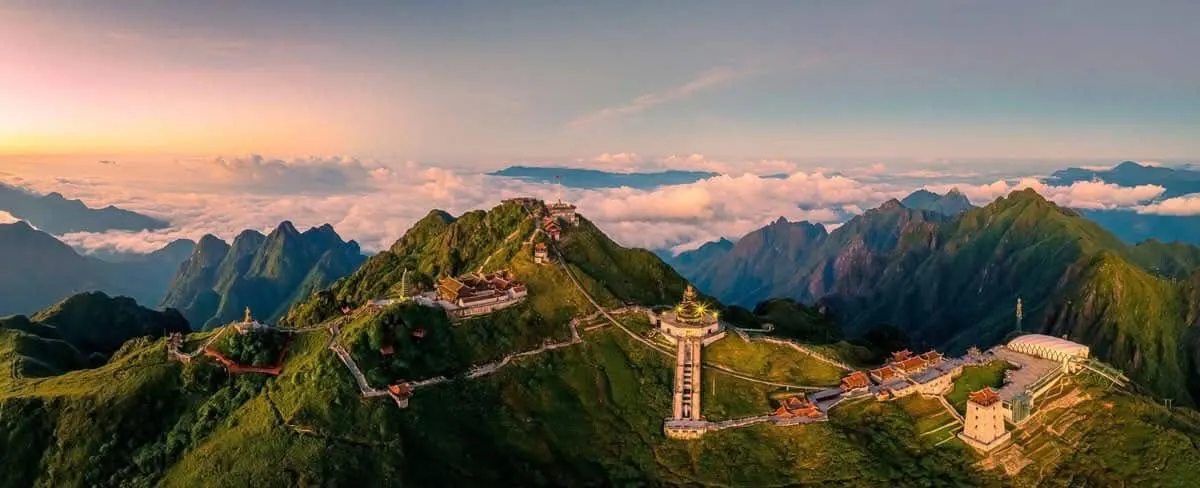
Traveling through Sapa by motorbike offers an unparalleled opportunity to experience its distinctive landscapes, fresh mountain air, and extensive terraced fields. This mode of transport allows visitors to access remote areas and enjoy the scenery at their own pace, making it a favored choice for many exploring this part of northern Vietnam. While renting a motorbike in an unfamiliar location might seem challenging, understanding the local options and preparing adequately can ensure a smooth and rewarding adventure.
Why Choose a Motorbike for Sapa Exploration?
Sapa's geography is characterized by its mountainous contours, featuring winding highland roads and narrow pathways that present captivating views. A motorbike provides the flexibility to navigate these varied routes, allowing travelers to reach every corner of the region. For individuals who appreciate nature, a motorbike is often the preferred method, enabling spontaneous stops to admire the surroundings and continue the journey at leisure.
Beyond sightseeing, Sapa is a hub for outdoor pursuits such as camping and picnics, and a scooter simplifies travel to these activity sites. This independence from fixed schedules allows for a more personal connection with the environment. Furthermore, choosing a motorbike can be a cost-effective alternative to other transport methods and may alleviate motion sickness often associated with car travel on winding roads. The convenience of pulling over easily at roadside eateries or shops adds to the comfort and accessibility motorbikes provide.
Recommended Motorbike Routes in Sapa
Sapa and its surrounding areas offer several distinct routes, each presenting unique vistas and cultural insights for motorbike travelers.
O Quy Ho Pass to Ta Giang Phinh Village
O Quy Ho is recognized as one of Vietnam's more challenging and winding mountain passes, attracting those with a spirit for adventure. This route leads travelers northward from Sapa town towards O Quy Ho village, where a designated viewpoint offers expansive views of rice paddies and mountains. Continuing past O Quy Ho, the journey reaches Ban Khoang Village, home to the Red Dao and Hmong ethnic minority groups. Here, visitors often encounter friendly locals who may extend invitations to their homes for homemade rice wine, offering a chance to learn about their daily lives and traditions, especially with a local guide present. Further along from Ban Khoang Village lies Ta Giang Phinh Village, a less frequented destination among Sapa travelers. This village is situated within a mountain valley, encircled by impressive rice terraces.
During the rice harvest season, the sight of golden fields beneath a clear blue sky is particularly striking. For those with additional time, an overnight stay in the area and a trek to Ngu Chi Son Mountain, known for its five-finger-like peaks, can provide elevated perspectives of the landscape.
The Sapa - Y Ty Loop
Y Ty is a distinctive village located further north, near the border between Vietnam and China. This area showcases different qualities throughout the year, distinguishing it from other locations in Sapa and Vietnam. Positioned at an elevation exceeding 200 meters above sea level, Y Ty is particularly favored by travel photographers for its frequent 'sea of clouds' phenomenon, its golden rice terraces, and occasional winter snowfalls. Ascending Vietnam's highest peak, Mount Fansipan, is another popular activity in the Sapa region, offering different panoramic views.
Reaching Y Ty involves navigating mountain roads and challenging passes, including a section through the Den Sang Forest, which contributes to the area's mystical ambiance. While the loop can be completed in a single day, a two-day trip with an overnight stay at one of the local homestays is highly recommended for greater comfort and a more thorough experience. There are two primary paths for the Sapa – Y Ty loop: one route passes through Lao Cai city via Highway 4D, forming a complete circuit. Alternatively, travelers can take road DT158 from Ban Vuoc to Ban Xeo before returning to Sapa on road DT155 and Highway 4D. Both options cover approximately 195 kilometers and offer spectacular views of Sapa's mountainous terrain.
Sapa - Sin Ho Loop
The Sapa – Sin Ho Loop provides a distinctive experience, showcasing the diverse landscapes of Northern Vietnam. This route traverses some of the country's highest peaks, offering expansive views and passing through sparsely populated areas. It is particularly suited for those seeking to explore local cultures and venture away from more common tourist paths. However, the road can be demanding due to its high plateau elevation, steep gradients, and numerous curves. From Sapa town, the route passes Silver Waterfall, continues over Tram Ton Pass, and goes through several villages inhabited by Thai and Dao minority groups, eventually leading to the mountain-top town of Sin Ho.
Sapa - Ban Ho Village
This route directs travelers down Muong Hoa Street towards destinations like Ta Van, Cau May, or Ban Ho village, all clearly indicated from the main road. Ban Ho village, situated approximately 25 kilometers from Sapa town, is a good stopping point. The local residents are accustomed to visitors, and arrangements for meals and homestays are generally available. The road around the village follows the mountain contours, providing unobstructed views of the valleys and mountains to the south, with impressive vistas of the stepped paddy fields ascending the slopes.
Where to Rent a Motorbike in Sapa
Sapa offers numerous options for motorbike rentals, easily found throughout Sapa town. Travelers can typically rent motorbikes from smaller hostels, hotels, or dedicated rental shops. The increasing number of visitors has led to a rise in rental services. While finding a motorbike is straightforward, prices can vary between establishments. Below is a list of reputable rental locations, with details current as of early 2024, to assist in planning your trip.
| Rental Shop Name | Address | Phone Number | Price Range (VND) | Notes |
|---|---|---|---|---|
| Sapa Hoc Ly | No8, Hoang Lien, Sapa District, Lao Cai Province | 0915.190.874 | 80,000 - 150,000 | Near the Old Church (approx. 100m). Offers models like Honda Air Blade, Wave, RSX, Nouvo. Owner is reported to be helpful. |
| Tam Tran Sapa – Motorbike For Rent | No10 Hoang Lien, Sapa District, Lao Cai Province | 0974.473.740 | Reasonable (specific price not supplied) | Vehicles are regularly maintained and cleaned. Includes helmets. Service is described as enthusiastic. |
| Lao Cai Tourism Centre | No2 Fansipan, Sapa District | 0203.871.975 | 100,000 per day | Located centrally in Sapa District. Motorbikes are checked for proper operation. |
| Mr. Chinh | 44 Fansipan, Sapa Town, Sapa District, Lao Cai Province | 0988.628.515 | Very affordable (specific price not supplied) | Located within Sapa Town. Advisable to call ahead to discuss rental terms. |
| Manh Hung | Sapa Town, Sapa District, Lao Cai Province | 0986.557.236 | 100,000 - 220,000 | Higher price point, but noted for good quality motorbikes and efficient rental procedures. |
For financial planning during your Sapa trip, it's also helpful to be aware of the banking facilities in Sapa for travelers, which can assist with cash withdrawals or other monetary needs.
Essential Tips for Motorbike Riding in Sapa
Riding a motorbike in Sapa can be an exciting experience, especially for those who enjoy adventure. To ensure a safe and enjoyable journey, consider the following advice:
Pre-Ride Checks for Your Motorbike
- Tires: Inspect the tire tread. Roads can be slippery, so good grip is important.
- Lights: Confirm that the headlights, taillights, direction indicators, and brake lights are all functioning correctly.
- Fuel Gauge: Verify the fuel meter works. While Sapa is developing, gas stations are not as frequent as in urban areas, so it's wise to refuel when the tank is half empty.
- Horn: Check that the horn is operational.
- Brakes: Test both front and rear brakes to ensure they are working effectively and are neither too loose nor too tight.
- Starting Mechanism: Confirm the motorbike starts reliably without the kick start. Also, check the kick start itself, ensuring the bike is in neutral.
- Oil Leaks: Look for any oil stains on the engine, indicating potential leaks.
- Gears: Ride through all gears to confirm they shift smoothly and do not revert to neutral, which could signal a damaged gearbox.
What to Carry on Your Trip
- Helmet: A helmet is crucial. Rental shops typically provide one, but bringing your own can offer better comfort and fit.
- Rain Gear: A raincoat or poncho is advisable, as weather in Sapa can change rapidly.
- Sun Protection: Sun cream is essential, as prolonged sun exposure can lead to sunburn, even in cooler mountain air.
- Windbreaker: A lightweight, compact windbreaker can provide protection against mountain winds.
- Waterproof Jacket: During winter months or misty conditions, a waterproof jacket is important, even if it's not raining.
- SIM Card with Data: A local SIM card with internet access is highly recommended for navigation and in case of emergencies, such as needing to contact the rental provider if your bike breaks down.
While riding, maintain focus on the road. If you encounter a particularly striking view, find a safe place to stop and appreciate it rather than being distracted while driving. If self-driving seems too challenging, many local travel agencies offer motorbike tours with a driver, allowing you to enjoy the scenery without the responsibility of navigation.
Frequently Asked Questions
Is Sapa suitable for motorbike travel?
Yes, Sapa is highly suitable for motorbike travel, especially for those who enjoy exploring mountainous landscapes and local villages independently. The winding roads and diverse terrain offer a unique adventure, allowing access to areas not easily reached by other means.
What is the typical cost of renting a motorbike in Sapa?
Motorbike rental prices in Sapa generally range from 80,000 VND to 220,000 VND per day, depending on the model of the bike and the rental shop. This usually includes the cost of helmets, but it's always good to confirm when renting.
Are the roads in Sapa safe for motorbikes?
Sapa's roads can be challenging due to their mountainous and winding nature, especially during adverse weather conditions like rain or fog. While generally manageable for experienced riders, caution is advised, and thorough pre-ride checks of the motorbike are essential. Some routes, like the Sapa - Sin Ho Loop, are noted for being steep and curvy.
Do I need a special license to ride a motorbike in Sapa?
Visitors typically need an International Driving Permit (IDP) that is valid for motorbikes to legally ride in Vietnam. Driving without a proper license can lead to fines and may void travel insurance in case of an accident. Always verify current regulations before your trip.
What should I do if my rented motorbike breaks down in Sapa?
If your motorbike breaks down, the first step is to contact the rental shop using the phone number they provided. Having a local SIM card with data is very helpful for this. Many rental providers offer support or will arrange for a replacement bike or repair service. It's also wise to carry a basic toolkit and know how to perform minor fixes if you are comfortable doing so.








