
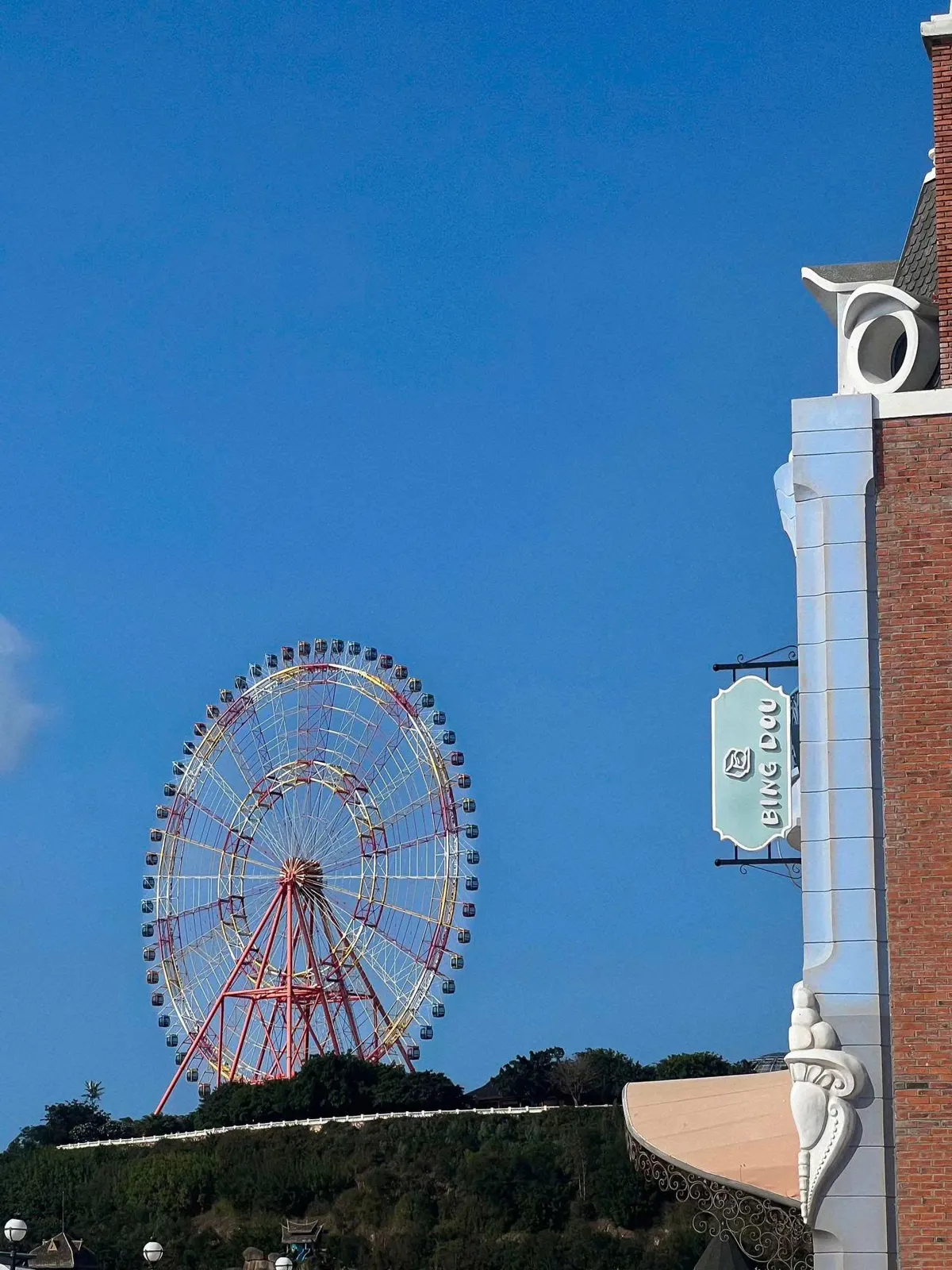
Khanh Hoa province, situated along Vietnam's central coast, is a prominent travel destination, primarily recognized for its expansive shoreline and the globally acclaimed Nha Trang Bay. This region offers visitors a blend of natural beauty, historical depth, and diverse recreational activities, making it a compelling choice for those exploring Vietnam. It serves as a significant hub for both domestic and international visitors seeking coastal experiences.
An Introduction to Khanh Hoa Province
Khanh Hoa is a coastal province in central Vietnam, distinguished by a lengthy coastline stretching approximately 200 kilometers and encompassing over 200 islets. This area attracts numerous visitors, both from within Vietnam and internationally. The province experiences a generally mild climate, characterized by pleasant temperatures and ample sunshine throughout much of the year. Beyond its natural allure, Khanh Hoa also presents a wealth of cultural and historical locations.
The administrative landscape of Khanh Hoa includes two main cities, Nha Trang and Cam Ranh, alongside several districts such as Van Ninh, Ninh Hoa, Dien Khanh, Khanh Vinh, Khanh Son, Truong Sa, and Cam Lam. Nha Trang stands out as a particularly well-known tourist center within the province, noted for its appealing scenery, contemporary infrastructure, appealing islands, and inviting beaches that meet mountains and rivers. As of 2019, the province recorded a population of 1,231,107 individuals across its total area of 5,137.8 square kilometers.
Historical Development of Khanh Hoa
The territory now known as Khanh Hoa possesses a long and layered history, with evidence of human presence dating back to ancient times. In the early centuries BCE, groups of Cham people established their presence here, eventually forming the Panduranga kingdom. This early civilization laid foundational cultural elements that influenced the region for centuries.
Significant shifts occurred in 1653 when King Nguyen Phuc Tan extended his dominion over the area, integrating it into his realm. Later, in 1884, the Nguyen Dynasty Court entered into the Patenotre treaty with France, which placed Khanh Hoa under French colonial administration. During the period of Japanese occupation, Nha Trang was designated as an administrative center, formally becoming part of Khanh Hoa. Following the reunification of Vietnam in 1975, the province's boundaries expanded through the incorporation of lands from neighboring areas, leading to the current configuration that includes Nha Trang and Cam Ranh cities, along with six towns.
Geographical Features and Climatic Patterns
Khanh Hoa province showcases a varied topography, featuring mountains, plains, islands, and bays. Positioned adjacent to the Truong Son Mountain Range, a significant portion of the province's terrain is mountainous. The delta region, in contrast, is quite narrow, constituting approximately one-tenth of the province's total landmass. A notable geographical point is Mui Doi, located on the Hon Gom peninsula in Van Ninh district, which marks the easternmost land point of mainland Vietnam.
The province is situated in the southernmost coastal area of Central Vietnam, falling within a tropical savanna climate zone. However, Khanh Hoa's climate exhibits distinct characteristics, often described as more moderate compared to other provinces stretching from Deo Ca in the north to Ghenh Da Silver in the south. This moderation is attributed to the influence of the oceanic climate. The region typically experiences two main seasons: a dry season and a rainy season.
Tourism Opportunities and Key Attractions
Tourism plays a central role in Khanh Hoa's economy, contributing substantially to the provincial budget. The province offers a wide array of tourism experiences, including coastal and island ecotourism, general sightseeing, and cultural excursions. The natural beauty of Nha Trang Bay is frequently highlighted as a primary attraction within Khanh Hoa province.
For accommodation, Khanh Hoa hosts a selection of international-standard resorts and hotels. Among these are properties like Ana Mandara, Vinpearl Land, Sheraton Nha Trang Hotel and Spa, and Novotel. These establishments cater to various preferences, providing options for visitors seeking comfort and amenities. Beyond specific venues, the region provides opportunities for activities such as exploring beaches, island hopping, and diving. While Khanh Hoa offers its own coastal appeal, those interested in comparing beach destinations might also explore Halong Bay's best beaches for relaxation. Visitors interested in the cultural heritage can also explore various historical sites.
Navigating Khanh Hoa: Transportation Options
Khanh Hoa province is accessible through multiple transportation networks, facilitating travel for both domestic and international visitors. A system of national highways connects Khanh Hoa to most of its adjacent provinces, allowing for road travel across the region. For air travelers, Cam Ranh International Airport serves as a key entry point, operating direct flights from various international locations.
Ground transportation within Vietnam is also well-supported, with numerous bus services available. These open buses provide connections from major cities such as Ho Chi Minh City, Da Nang, and Da Lat directly to Khanh Hoa. For maritime travel, the province is equipped with two significant ports: Nha Trang Port and Cam Ranh Port, which further enhance its connectivity. Travelers considering longer journeys across Vietnam might also explore overnight rail journeys in Vietnam for a different perspective on the country's landscapes.
Notable Accommodation Options in Khanh Hoa
Khanh Hoa province, particularly Nha Trang, offers a range of lodging choices, from established international chains to local resorts. While specific details such as addresses, phone numbers, and current pricing were not provided in the source material, the following are some of the prominent names mentioned in the region's hospitality sector. Visitors are advised to verify current information directly with these establishments.
| Property Name | Type of Accommodation | General Location |
|---|---|---|
| Ana Mandara | Luxury Resort | Nha Trang (Coastal) |
| Vinpearl Land | Integrated Resort & Theme Park | Nha Trang (Island/Coastal) |
| Sheraton Nha Trang Hotel and Spa | International Hotel & Spa | Nha Trang (City Center/Coastal) |
| Novotel | International Hotel | Nha Trang (City Center/Coastal) |
These venues are recognized for contributing to the province's reputation as a destination with world-class facilities. When planning a trip, it's also helpful to consider healthcare services in Nha Trang and Khanh Hoa province for any medical needs that might arise during your stay.
Frequently Asked Questions
What is Khanh Hoa province best known for?
Khanh Hoa province is primarily recognized for its extensive coastline and the internationally acclaimed Nha Trang Bay. It is a significant tourist destination in central Vietnam, offering a combination of natural beauty, historical sites, and diverse recreational activities, particularly those related to its beaches and islands.
What are the main cities in Khanh Hoa?
The two principal cities within Khanh Hoa province are Nha Trang City and Cam Ranh City. Nha Trang is especially prominent as a tourist hub, known for its scenic views, modern facilities, and access to islands and coastal areas.
What kind of climate does Khanh Hoa experience?
Khanh Hoa is located in a tropical savanna climate region in Central Vietnam. It typically has two distinct seasons: a dry season and a rainy season. The climate is often described as more moderate compared to other nearby regions due to the influence of the oceanic environment.
How can travelers reach Khanh Hoa province?
Travelers can reach Khanh Hoa through various transportation methods. Cam Ranh International Airport provides direct air links from several countries. National highways connect the province to neighboring areas for road travel, and numerous bus services operate from major Vietnamese cities like Ho Chi Minh City, Da Nang, and Da Lat. Additionally, Nha Trang Port and Cam Ranh Port serve as maritime entry points.
Are there specific historical sites to visit in Khanh Hoa?
While the source mentions the long history of Khanh Hoa, including the Cham people's Panduranga kingdom and later periods under Nguyen Dynasty and French rule, it does not detail specific historical sites. Visitors interested in the region's past might explore local museums or ancient structures that reflect these historical layers.








