
The most favorable period for a journey to Hoi An, Vietnam, generally spans from February through April. During these months, the region experiences its dry season, characterized by comfortable temperatures, minimal precipitation, and abundant sunshine, creating ideal conditions for exploration and outdoor pursuits.
Understanding Hoi An's Climate
Hoi An is situated in Central Vietnam, specifically within Quang Nam province, approximately 30 kilometers south of Da Nang City. Its geographical position contributes to a tropical monsoon climate, ensuring warmth throughout the year without a distinct cold winter period. However, this location also means that the wetter months can bring occasional typhoons, which may elevate the risk of flooding in lower-lying areas.
The climate in Hoi An is typically divided into two primary seasons: the dry season and the wet season. The dry period extends from January to July, offering generally stable weather conditions. Conversely, the wet season runs from August to December, bringing increased rainfall and humidity. Understanding these seasonal shifts is crucial for planning a comfortable and enjoyable visit.
Yearly average temperatures in Hoi An fluctuate between 18°C in January and up to 35°C in June, making it suitable for various outdoor activities for much of the year. Specifically during the dry season, temperatures commonly range from 18°C to 33°C, providing a pleasant environment for sightseeing.
Rainfall patterns are significantly different between the seasons. The wet season commences around August, with average monthly precipitation typically between 200 and 300 millimeters. This rainfall intensifies notably in October and November, when monthly totals can exceed 500 millimeters. While heavy downpours are a regular occurrence, widespread flooding does not happen every year. However, exceptionally intense rainfall during these peak months can lead to localized flooding, potentially disrupting travel plans and local transportation.
Optimal Periods for a Hoi An Trip
To assist in determining the most suitable time for your visit, the table below provides a summary of average monthly temperatures and precipitation levels in Hoi An. This data can help travelers align their expectations with the prevailing weather conditions.
| Month | Temperature | Precipitation |
|---|---|---|
| January | 19°C - 25°C | 82mm |
| February | 19°C - 26°C | 25mm |
| March | 19°C - 26°C | 25mm |
| April | 24°C - 31°C | 35mm |
| May | 25°C - 33°C | 84mm |
| June | 26°C - 34°C | 90mm |
| July | 25°C - 35°C | 90mm |
| August | 25.8°C - 34°C | 120mm |
| September | 25.8°C - 34°C | 315mm |
| October | 23°C - 29°C | 666mm |
| November | 22°C - 27°C | 433mm |
| December | 20°C - 25°C | 220mm |
January to April: Pleasant Dry Conditions
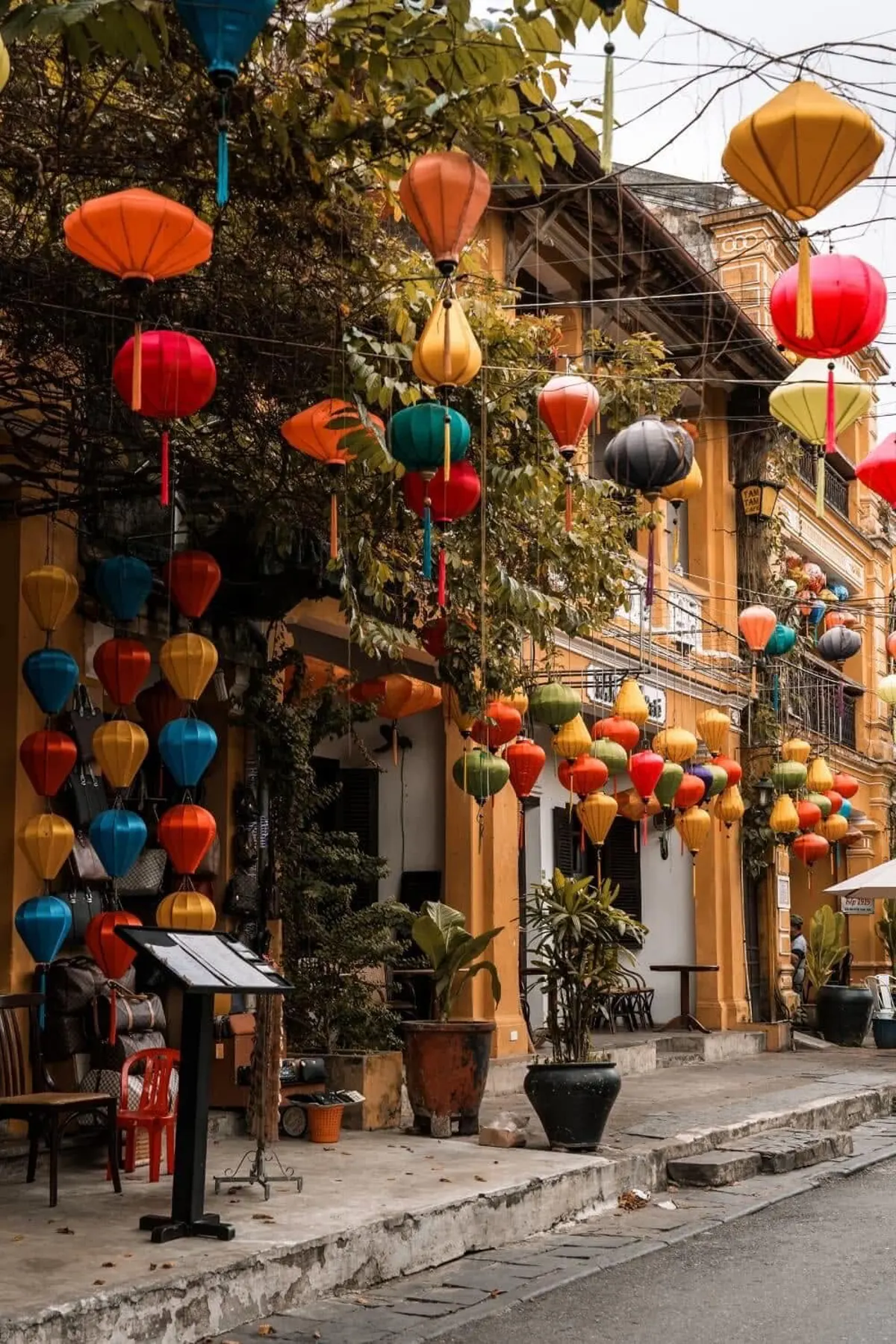
This period is widely considered the prime time for visiting Hoi An, offering a delightful climate with minimal rain. Guests can enjoy leisurely walks through the town's lantern-adorned streets, absorbing the calm atmosphere. Beyond the historic center, opportunities abound for cycling tours to traditional craft villages such as Thanh Ha Pottery Village and Kim Bong Carpentry Village. Many visitors also enroll in cooking classes to learn how to prepare regional specialties like Cao Lau and Mi Quang.
For those visiting from March onwards, An Bang Beach becomes an inviting destination for swimming and relaxation. If your trip coincides with the monthly Lantern Festival, you will witness the town illuminated by the soft radiance of silk lanterns, a truly memorable sight.
May to August: Warm and Humid
During these months, Hoi An experiences significantly higher temperatures, often ranging from 30°C to over 35°C, accompanied by increasing humidity. This season is particularly appealing for individuals who enjoy water-based activities. The golden sands and gentle waves of An Bang and Cua Dai beaches are popular for swimming and sunbathing. More adventurous options like surfing, kayaking, or paragliding are also available.
A unique experience involves a round-basket boat ride through Cam Thanh Coconut Village, located a few kilometers east of the ancient town. As evenings bring a slight cooling, the Hoi An Night Market offers a comfortable setting for sampling local cuisine and shopping for souvenirs from numerous food stalls and shops.
September to December: The Wet Season
From September, Hoi An transitions into its rainy season, with the heaviest rainfall typically occurring in October and November. While outdoor activities may be limited on days with heavy downpours, visitors can explore indoor attractions such as the Museum of Trade Ceramics and the Museum of Folklore. Hoi An is also renowned for its culinary offerings, and the cooler, wetter weather can enhance the experience of savoring authentic dishes like Mi Quang, Cao Lau, and Hoanh Thanh at local eateries.
Even with less favorable weather, Hoi An's Old Town maintains a distinctive charm, often described as romantic. This period can be ideal for those seeking quiet spaces for reflection or a peaceful break. The wet season also presents an excellent opportunity to browse shops selling handicrafts and fashion items in local markets, allowing for unhurried exploration of unique goods.
Festivals and Cultural Events in Hoi An
Hoi An hosts several notable holidays and festivals that offer deep insights into local traditions. Incorporating one of these events into your itinerary can significantly enrich your travel experience.
Hoi An Lantern Festival (Legendary Night)
This monthly event takes place during the full moon of the lunar calendar, typically from 5 pm to 10 pm. During the Hoi An Legendary Night, motorized vehicles and artificial lighting are prohibited, allowing the town to be illuminated solely by the moon and countless decorative, multi-colored lanterns. Visitors can observe local residents dressed in traditional attire and participate in various activities organized throughout the evening, which vary by month.
Lunar New Year (Tet)
The initial days of the Lunar New Year hold immense cultural significance across Vietnam, including Hoi An. Local communities organize numerous traditional and cultural festivals to mark this important occasion. Guests can witness performances of traditional dances, such as the four noble-animal dance, unicorn dance, and dragon dance. Following these celebrations, many residents visit pagodas and shrines to offer prayers for health and good fortune in the coming year. Other cherished traditions include visiting relatives and friends, exchanging lucky money, and enjoying special traditional dishes.
Boat Racing Festival
Held on the last Sunday of the third lunar month and the beginning of the fourth lunar month at Cam An beach, the Boat Racing Festival is a vibrant celebration. Hoi An residents organize boat races, traditional music performances, and dramatic shows to commemorate the new fishing season. This festival is rooted in the belief that these rituals will secure protection from ocean deities for the entire working year.
Securing Value: Off-Peak Travel in Hoi An
Travelers should consider the differences between peak and off-peak seasons when planning their trip to Hoi An, especially regarding costs and crowd levels.
| Season | Period | Weather | Crowds/Prices | Typical Activities |
|---|---|---|---|---|
| Peak Season | February - April | Pleasant, dry, sunny | Higher prices, more crowded attractions | Strolling, cycling, beach visits, festivals |
| Off-Peak (Hot Dry) | May - July | Hot, humid, some rain | Lower prices, fewer international tourists | Water activities, night markets, indoor exploration |
| Off-Peak (Wet) | August - December | Humid, heavy rainfall, flood risk | Lower prices, fewer tourists | Indoor attractions, culinary tours, shopping, relaxation |
The peak season, from February to April, offers the most agreeable weather and numerous festivals, which naturally leads to higher prices for accommodation and services, as well as longer wait times at popular sites. Conversely, the off-season, particularly between May and July, experiences higher temperatures and increased rainfall. However, this period often presents thousands of excellent deals on flights and lodging.
For those aiming to reduce travel expenses or prefer a less crowded Hoi An, the rainy season and other off-peak times are worth considering. During these periods, flight tickets, accommodations, and related services are typically more affordable, allowing travelers to allocate their budget to other experiences. Even during the rain, activities such as spending hours at a café, unwinding at a spa, joining a cooking class, or getting custom-made clothing are readily available and can be very rewarding. The ideal time to visit Hoi An for the best deals is generally from May to early August, which is the low season for international tourists, despite being the hottest time of year.
Essential Travel Advice for Each Season
Preparing appropriately for Hoi An's distinct seasons can significantly enhance your travel comfort. Here are some practical tips for what to bring and consider:
Dry Season Tips (January - July)
- Stay Hydrated: The hot and humid conditions, especially from June to July, necessitate drinking plenty of water to avoid dehydration.
- Sun Protection: Sunscreen, moisturizer, and sunglasses are essential to shield your skin and eyes from intense sun exposure.
- Appropriate Attire: Pack light clothing, hats, and consider bringing a portable mini-fan and a power bank for your devices. An umbrella can also provide shade.
- Advance Bookings: As this is the peak travel period, it is advisable to book flights and accommodation at least two weeks in advance to ensure availability and preferred options.
Rainy Season Tips (August - December)
- Monitor Forecasts: Regularly check weather forecasts to anticipate rainfall and adjust your daily plans accordingly.
- Extended Stay: Planning a trip of at least 3 days and 2 nights is recommended. This allows sufficient time to visit key attractions, enjoy local cuisine, and account for potential periods of inclement weather.
- Seek Promotions: The rainy season often features attractive tour promotions, which can sometimes be more cost-effective than booking individual services.
- Compare Prices: While accommodations and transportation may be cheaper, take your time to compare various options to secure the best possible deals. When managing finances, patience in comparing offers can lead to significant savings.
Frequently Asked Questions
What is the best time to visit Hoi An?
The optimal time to visit Hoi An is from February to April, offering dry weather, moderate temperatures, and ample sunshine. For travelers prioritizing budget-friendly options and fewer crowds, the period between May and July is recommended, as it is considered the off-peak season with potential discounts on hotels and other expenses.
When does Hoi An typically experience flooding?
Hoi An's flooding season usually occurs from October to around November. However, it is important to note that floods do not happen every year. If you plan to visit during this time, it is highly advisable to check the weather forecast before your departure and stay informed about local conditions.
Which months are the hottest and coolest in Hoi An?
July is generally the hottest month in Hoi An, with temperatures capable of reaching up to 38°C. Conversely, January is recorded as the coolest month, with an average low temperature of 19°C.








