
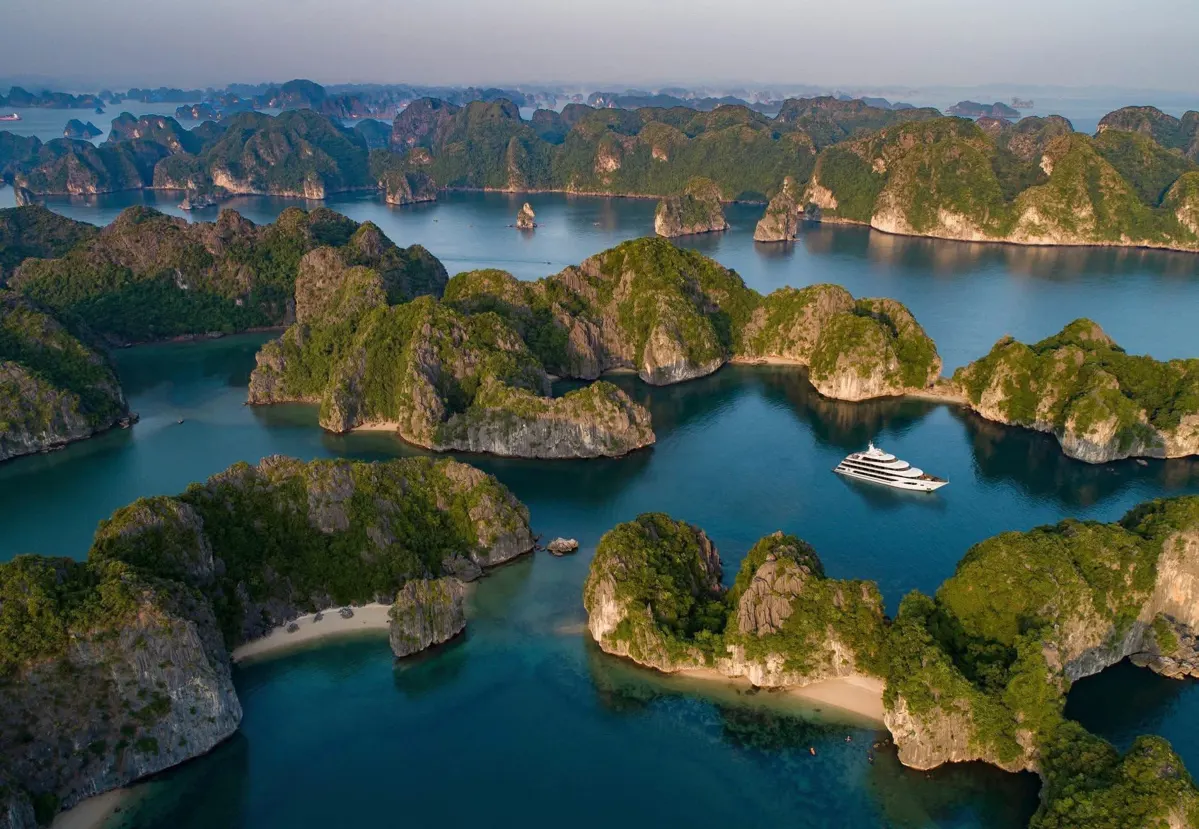
Many individuals planning international trips prioritize understanding the safety conditions of their destination. For those considering Vietnam, the nation generally holds a reputation as a secure place for visitors. While the country ranks favorably on global safety indices, being informed about local customs and potential minor issues can help ensure a smooth and enjoyable travel experience.
General Safety Overview in Vietnam
Vietnam is widely regarded as a safe destination for international travelers, often cited among the more secure countries globally, having previously ranked as the 43rd safest nation. This sense of security is partly attributed to its political structure as a one-party communist state, where governmental regulations are generally followed, and foreign visitors are typically shown respect. The younger population often exhibits an open-minded approach, engaging with global influences and welcoming interactions with people from other countries.
While the nation experiences occasional peaceful public gatherings, these events are usually localized and do not typically affect tourist areas or visitor safety. The government places a high priority on the security of foreigners, contributing to a low incidence of serious crimes like kidnapping or mugging targeting international guests.
Addressing Minor Crime and Environmental Considerations
Despite the overall secure environment, visitors should be aware of minor criminal activities that can occur, similar to many popular travel destinations worldwide. These can include instances of bag snatching, phone or camera theft, and pickpocketing. Scams, particularly involving inflated prices for goods or services, are also reported. To mitigate these risks, it is advisable to keep personal belongings secure and out of plain sight, such as in a zipped bag or front pocket. Exercising caution in crowded areas and being aware of surroundings can further reduce the likelihood of such incidents.
Beyond human-related concerns, Vietnam's climate presents specific considerations. The country is not prone to major natural disasters like earthquakes, volcanic eruptions, or widespread wildfires. However, the monsoon season, typically running from June to December, brings heavy rainfall and occasional typhoons. These weather patterns can lead to localized flooding and disruptions to transportation, particularly in regions such as the Mekong Delta and Central Vietnam. Rural and mountainous areas may also experience flash floods and landslides. Travelers planning visits during these months might consider destinations less susceptible to severe weather impacts.
Navigating Transportation Safely
Moving around Vietnam involves distinct local practices, especially concerning road traffic. Crossing streets, particularly in larger cities, can initially appear challenging due to the constant flow of motorbikes and vehicles. The recommended approach is to maintain a steady, slow, and predictable pace, allowing traffic to flow around you rather than attempting to dodge vehicles. Joining a group of locals crossing the street can also provide a sense of collective safety.
For those considering riding a motorbike, extreme caution is advised, especially on busy highways where traffic can be dense and driving standards vary. If choosing to operate a motorbike, it is essential to wear a helmet, dedicate time to understanding local traffic regulations, and ensure you have comprehensive travel insurance that covers motorbike accidents.
When utilizing taxis, some private operators may attempt to overcharge by not using the meter or taking longer routes. To avoid these issues, it is recommended to use established taxi companies or ride-hailing applications.
Reputable Taxi Services in Vietnam
| Company Name | Notes |
|---|---|
| Vinasun | Widely recognized, often found in southern Vietnam. |
| Mai Linh | Prominent across Vietnam, known for green vehicles. |
| Hanoi Taxi Group | A reliable option for transport within Hanoi. |
| Grab | Popular ride-hailing app, offers car and motorbike options. |
| Uber | Ride-hailing app, though Grab is more dominant in some areas. |
For services like cyclos (three-wheeled bicycle taxis) or motorbike taxis, always confirm the price with the driver before beginning the journey to prevent misunderstandings. When using public transportation, particularly on overnight trains and buses, travelers should remain vigilant against pickpockets, keeping valuables secure. For those planning overnight rail journeys in Vietnam, securing belongings is a key consideration.
Health and Well-being for Travelers
Prioritizing health is an important aspect of any international trip. Obtaining travel insurance is highly advisable, even for short visits, as it can provide coverage for unexpected medical expenses abroad and potential disruptions like flight cancellations. It is crucial to thoroughly review the policy's terms and conditions to confirm it meets individual needs.
Regarding immunizations, short-term visitors are typically advised to ensure they are current on routine childhood vaccinations, such as Tetanus and Diphtheria, Measles, Mumps, and Rubella. Additionally, vaccinations for food and water-borne illnesses like Typhoid and Hepatitis A are often recommended. For individuals planning extended stays or activities like trekking in rural areas, further immunizations for Hepatitis B and Rabies might be suggested.
The primary health concerns for visitors to Vietnam generally involve food and water-borne diseases, mosquito-borne illnesses, and traffic-related incidents. While many hotels regularly treat for mosquitoes, exercising caution with what is consumed and drunk is prudent.
Vietnam's healthcare system includes both public and private hospitals. Public hospitals are widely available, whereas private hospitals and clinics are typically situated in the central areas of major cities like Hanoi, Ho Chi Minh City, and Da Nang. Private medical facilities often come with higher costs, but doctors there are more likely to speak English or French and may have received international training. Travelers should verify that their insurance policy covers these higher fees. Pharmacies are readily accessible in city centers, often near hotels. In case of a medical emergency, the national emergency number is 115. Vinmec International Hospital is noted as a prominent private healthcare facility. For visitors to Sapa, understanding medical services in Sapa can be helpful for planning.
Respecting Local Regulations and Cultural Norms
Adhering to local laws and cultural practices is fundamental for a respectful and trouble-free visit to Vietnam. Certain guidelines are particularly important for international guests:
- Valuables: It is advisable to avoid wearing excessive jewelry and to keep valuable items out of sight to deter opportunistic theft.
- Dress Code: When visiting religious sites such as temples or pagodas, modest attire is expected. This means avoiding singlets, shorts, skirts, or dresses that are above the knee, and any overly revealing clothing.
- Public Conduct: Public displays of affection, such as hugging or kissing between partners, are generally not customary and are best avoided.
- Interactions: Maintaining a calm and polite demeanor in all interactions can significantly improve outcomes, particularly in situations requiring negotiation or problem-solving.
- Prohibited Items: The use or possession of illegal drugs, including marijuana, is strictly forbidden and carries severe penalties. Travelers should never agree to carry parcels or luggage for others, as this could inadvertently involve them in illicit activities.
- Gambling and Pornography: Participating in gambling outside of government-licensed casinos and possessing pornography are both illegal.
- Antiques: Exporting antiques without an official permit from the Ministry of Culture, Sports, and Tourism (Vietnamese) is prohibited.
- Photography: Taking photographs of military sites is illegal. Visitors should exercise discretion when photographing in sensitive areas.
- Protests: While uncommon, public protests can occur. It is wise to avoid participating in or being in the immediate vicinity of any such gatherings.
- Hydration: Given Vietnam's often warm climate, drinking plenty of water to prevent dehydration is a practical health tip.
By observing these guidelines, visitors can ensure a more respectful and secure experience while exploring Vietnam's rich culture. For those interested in unique purchases and souvenirs, understanding export regulations for certain items like antiques is particularly relevant.
Frequently Asked Questions
Is Vietnam generally safe for solo female travelers?
Yes, Vietnam is widely considered safe for solo female travelers, with a low incidence of serious crimes against women. However, like any destination, it is prudent to remain aware of your surroundings, especially at night. Some travelers opt for package tours or follow local guide advice for added peace of mind.
What are the main health risks in Vietnam?
The primary health risks in Vietnam include food and water-borne illnesses (such as traveler's diarrhea), mosquito-borne diseases (like dengue fever), and traffic-related injuries. Practicing good hygiene, drinking bottled water, and using insect repellent are effective preventative measures.
How can I avoid taxi scams in Vietnamese cities?
To avoid taxi scams, use well-known, reputable taxi companies such as Vinasun or Mai Linh, or utilize ride-hailing apps like Grab or Uber. Always ensure the driver uses the meter, or agree on a fixed price before starting the journey for services like cyclos or motorbike taxis.
Are there any specific cultural rules regarding dress in Vietnam?
Yes, when visiting religious sites like temples or pagodas, it is important to dress modestly. This typically means covering shoulders and knees. Avoiding overly revealing clothing in such contexts shows respect for local customs.
What should I do in a medical emergency in Vietnam?
In a medical emergency, you can dial 115 for ambulance services. For non-emergencies, public and private hospitals are available, with private facilities often offering English-speaking staff. Ensure you have travel insurance to cover potential medical costs.








