
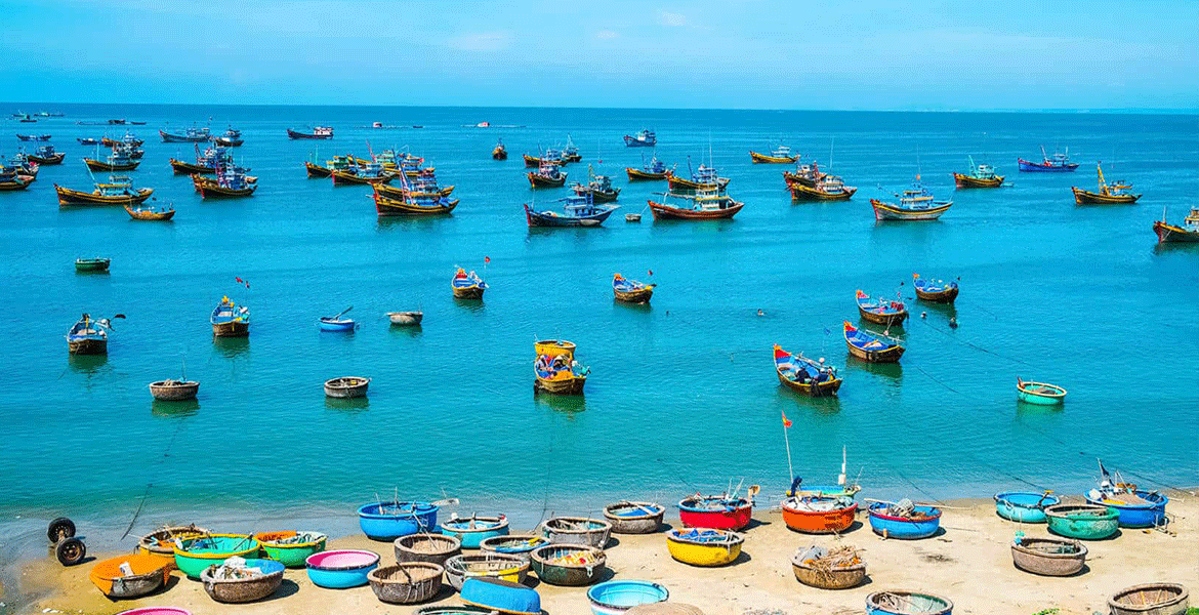
Binh Thuan province, situated along Vietnam's south-central coast, offers a compelling destination for those interested in both tranquil relaxation and cultural discovery. While it may not always feature on every traveler's initial itinerary, its favorable natural conditions and year-round mild weather make it an appealing choice. The region provides a blend of serene coastal areas, historical landmarks, and distinctive natural formations, promising a diverse experience for visitors.
Understanding Binh Thuan Province
Binh Thuan is characterized by its expansive coastline, arid landscapes, and a climate that remains agreeable throughout the year. The name "Binh Thuan" itself evokes a sense of calm and stability, reflecting the peaceful atmosphere visitors often experience. This province serves as a gateway to various experiences, from the lively resort scene to quiet historical sites, making it suitable for different travel styles.
The area's geographical advantages contribute to its diverse appeal, drawing individuals who appreciate both leisurely stays and opportunities for exploration. Key highlights include the provincial capital, Phan Thiet, the popular coastal stretch of Mui Ne, and the vast, sun-drenched sand dunes that define much of the landscape. Beyond these well-known spots, Binh Thuan holds numerous other points of interest, inviting deeper exploration into its natural beauty and cultural heritage.
Coastal Retreats: Phan Thiet and Mui Ne
Mui Ne, located approximately 22 kilometers from Phan Thiet city, has become a widely recognized destination for both domestic and international visitors. This coastal area is renowned for its long beaches, consistent winds ideal for watersports like windsurfing and kitesurfing, and a relaxed atmosphere, making it a favored spot for beach holidays. Beyond the resorts, visitors can observe local fishing villages and enjoy fresh seafood.
Phan Thiet itself acts as the primary urban center for the province, offering a range of amenities and serving as a convenient base for exploring the surrounding areas. The proximity of Mui Ne to Phan Thiet allows for easy access to its resorts and natural attractions, solidifying its status as a prominent leisure destination. For those planning an extended stay or considering potential health needs, understanding local services, such as medical services in Mui Ne and Phan Thiet, can be beneficial for a worry-free trip.
Historical and Spiritual Landmarks
Just 6 kilometers from Phan Thiet city stands Po Sah Inu, a surviving temple tower from the ancient Champa kingdom. This site represents one of the few remaining Cham architectural monuments in Phan Thiet, offering a unique glimpse into the historical and cultural heritage of the Cham people. The towers exhibit distinctive architectural styles characteristic of the Champa civilization, providing a valuable educational experience for those interested in regional history and ancient cultures.
Further inland, Ta Cu Mountain, situated in Ham Thuan Nam district, offers both natural beauty and spiritual significance. The mountain is home to what is reported to be the longest reclining Buddha statue in Asia, positioned at its summit. This impressive statue, along with the surrounding pagodas, establishes Ta Cu Mountain as a unique cultural and spiritual tourism site. Visitors can ascend the mountain via a cable car or a hiking trail, experiencing a shift from the coastal environment to a serene, forested landscape. Despite its proximity to National Highway 1A, the mountain provides a distinct contrast to urban environments, presenting a green forest setting accompanied by the distant sounds of pagoda bells. The mountain also features impressive deep caves and subterranean streams, appealing to those who seek adventure and exploration within a sacred natural setting.
Natural Wonders and Distinctive Landscapes
Venturing approximately 25 kilometers south of Phan Thiet city, visitors will find Ke Ga, home to the oldest lighthouse in Southeast Asia. This historic structure is situated on an island cape bearing the same name, accessible by boat. Ke Ga Island is considered a relatively new and engaging destination, particularly noted for its lighthouse, which boasts the tallest tower in Vietnam. Its isolated location contributes to a sense of untouched natural beauty, making it ideal for quiet contemplation.
Ascending the lighthouse tower involves climbing 183 spiral steel stairs, an experience that culminates in panoramic views of the island's untouched, calm scenery and the expansive ocean and sky. The effort is rewarded with a unique perspective of the coastline. Another remarkable natural site is Bau Trang, or White Lake, located further northeast of Phan Thiet in Bac Binh district. This freshwater lake is cradled amidst vast sand hills and is known for its beautiful lotus flowers, which contribute to a striking natural tableau. The contrast of the blue water, white sands, and pink lotus blooms creates a visually captivating scene, often described as magical by visitors.
Planning Your Journey to Binh Thuan
Binh Thuan province caters to a range of travel preferences, from those seeking quiet beachside relaxation to adventurers interested in hiking and cultural exploration. The region's consistent climate ensures pleasant conditions for visits throughout the year, although specific activities like climbing Ta Cu Mountain or exploring the sand dunes might be more comfortable during cooler parts of the day, particularly in the early morning or late afternoon.
Transportation to and within Binh Thuan is generally accessible, with Phan Thiet serving as a central hub. Visitors can reach the area via various means, including road and rail. For those considering longer distances within Vietnam, understanding options like overnight rail journeys in Vietnam can be helpful for planning connections to other regions, offering a unique way to experience the country's diverse landscapes. Exploring the local markets in Phan Thiet also offers opportunities to purchase essential souvenirs and unique purchases from a trip to Vietnam, allowing travelers to take home a piece of their experience and support local artisans.
Attraction Overview in Binh Thuan
| Attraction | Primary Appeal | Key Features | Distance from Phan Thiet (Approx.) |
|---|---|---|---|
| Mui Ne | Coastal Relaxation & Watersports | Resorts, long beaches, windsurfing, kitesurfing, fishing villages | 22 km North-East |
| Po Sah Inu Tower | Historical & Cultural Exploration | Ancient Cham architecture, insights into Cham civilization | 6 km North-East |
| Ke Ga Lighthouse | Scenic Views & Historical Interest | Oldest lighthouse in Southeast Asia, tallest tower in Vietnam, 183 spiral stairs | 25 km South |
| Ta Cu Mountain | Spiritual Retreat & Adventure | Longest reclining Buddha statue in Asia, pagodas, caves, hiking, cable car | Not specified, but near National Highway 1A |
| Bau Trang (White Lake) | Natural Beauty & Photography | Freshwater lake amidst sand hills, lotus flowers, striking landscape | Further North-East of Phan Thiet |
Frequently Asked Questions
What is Binh Thuan province known for?
Binh Thuan province is primarily recognized for its diverse landscapes, including the coastal resorts of Mui Ne, the historical Cham towers, and unique natural formations like the vast sand dunes and freshwater lakes. It offers a combination of beach relaxation, cultural insights, and opportunities for outdoor activities, making it a multifaceted destination.
How far is Mui Ne from Phan Thiet city?
Mui Ne is located approximately 22 kilometers northeast of Phan Thiet city. This relatively short distance makes it easily accessible for visitors staying in or passing through Phan Thiet, typically a short drive away.
What is the significance of Po Sah Inu Tower?
Po Sah Inu Tower is a significant historical site as it represents one of the few remaining architectural monuments of the ancient Champa kingdom in the Phan Thiet area. It provides valuable insights into the culture, religious practices, and historical development of the Cham people in the region.
Can visitors climb Ke Ga Lighthouse?
Yes, visitors can ascend Ke Ga Lighthouse. The climb involves navigating 183 spiral steel stairs, leading to the top where panoramic views of the island and surrounding sea are available. This offers a rewarding experience for those seeking a unique perspective of the coastline.
What kind of experience does Ta Cu Mountain offer?
Ta Cu Mountain offers a dual experience of spiritual reflection and adventure. It is home to a large reclining Buddha statue and provides a peaceful, green forest environment with sounds of pagoda bells. For the more adventurous, the mountain features deep caves and underground streams to explore, alongside hiking trails and a cable car option for ascent.








