
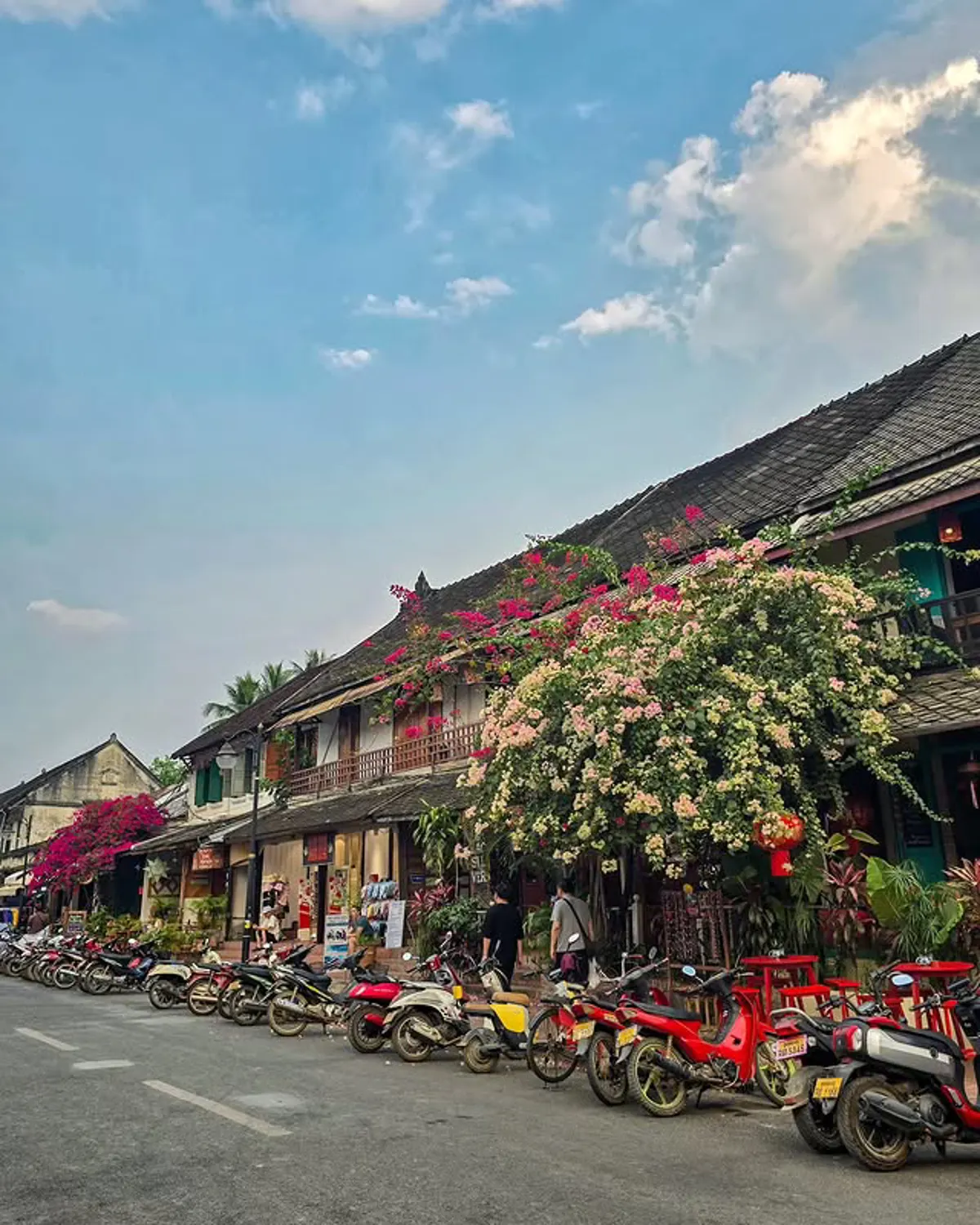
Boun Pi Mai, also known as the Lao Water Festival, signifies the arrival of the Lao New Year. This annual event, typically observed from April 13th to 15th, is a time for spiritual renewal and communal celebration across Laos. Visitors during this period can witness ancient customs and participate in joyful activities that reflect the country's rich cultural heritage.
Understanding Boun Pi Mai, the Lao New Year
Boun Pi Mai is a deeply spiritual custom aimed at generating good fortune for the upcoming year. Unlike Western New Year celebrations, it does not typically feature fireworks or large family gatherings focused solely on feasting. Instead, the emphasis is placed on reverence for the Buddha and the symbolic act of splashing water. This tradition, observed annually from the 13th to the 15th of April, coincides with the peak of the hot season in Laos.
The act of pouring water on others, often accompanied by well wishes for the new year, is considered a sign of respect and an offering of blessings during Boun Pi Mai. This custom is prevalent in several Southeast Asian countries, including Thailand (Songkran) and Cambodia (Chol Chnam Thmey), each with its own distinct regional characteristics and activities. In Laos, the festival unfolds over three days, each with specific observances.
Traditional Observances and Daily Rituals
The Boun Pi Mai festival follows a structured three-day schedule, with particular rituals and activities assigned to each period. These observances are central to the spiritual cleansing and renewal associated with the Lao New Year.
The First Day: Maha Songkran
The initial day of Boun Pi Mai is referred to as Maha Songkran, signifying the conclusion of the old year. Local residents dedicate this day to thoroughly cleaning their homes and preparing floral arrangements to enhance the festive atmosphere. Beyond domestic preparations, people gather at pagodas and temples to attend lectures given by monks and offer prayers to Buddha. A significant ritual involves using scented water to cleanse Buddha statues. The water that drips from these statues is then collected and brought home, where it is gently poured over friends and family members as a gesture of purification and a wish for good fortune.
The Second Day
The second day of Boun Pi Mai is generally a period of relaxation. Most people do not engage in work during the festival, allowing them to rest or continue with preparations for the upcoming celebrations. Many choose to venture out into the streets to absorb the festive mood and engage in various activities.
The Third Day: Wan Thaloeng Sok
Wan Thaloeng Sok marks the final day of Boun Pi Mai and officially ushers in the Lao New Year. This day is often the most active, with widespread water splashing occurring. People splash water on each other, as well as on their homes, furniture, and even animals, all as a means of inviting good luck. Towards the conclusion of the festival, it is customary for individuals to release animals such as fish, turtles, and crabs, symbolizing a wish for peace in the coming year.
| Day | Lao Name | Primary Activities | Significance |
|---|---|---|---|
| First Day | Maha Songkran | House cleaning, flower preparation, temple visits, cleaning Buddha statues, purification water collection | End of old year, spiritual cleansing |
| Second Day | (No specific name provided) | Rest, continued festival preparation, street enjoyment | Transition day |
| Third Day | Wan Thaloeng Sok | Widespread water splashing, animal release (fish, turtles, crabs) | Official start of New Year, wishing good luck and peace |
Engaging in the Festivities: Activities for Travelers
Visitors to Laos during Boun Pi Mai have numerous opportunities to participate in the celebrations and gain insights into Lao culture. The festival offers both lively public events and more reflective spiritual practices.
Join Water Splashing on Streets
Participating in the water splashing is a central experience of the Lao Water Festival. There is no need to avoid getting wet, as being splashed with water is considered a blessing, signifying good fortune, health, and happiness for the new year. When you step onto the streets of Laos during Boun Pi Mai, you will likely find yourself amidst a joyful exchange of water, all intended to convey blessings for future luck and happiness.
Visit Buddhist Pagodas
During Boun Pi Mai, temples and pagodas become important sites for understanding Lao traditions. Visitors will observe people washing Buddha images, a ritual that symbolizes purification. At each temple, it is common to receive blessings, often accompanied by a white string tied around the arm, representing good wishes for the Lao New Year.
Explore Luang Prabang
Luang Prabang is widely regarded as a premier destination for experiencing Boun Pi Mai. Planning a trip to this city during the festival is highly recommended. Local residents in Luang Prabang sometimes extend the celebrations for up to seven days, hosting a variety of events. A notable event is the costume parade held on the festival's second day, which proceeds along Luang Prabang's main avenue, from Wat Pha Mahathat to the primary temple of Wat Xieng Thong.
The Royal Palace Museum is another significant attraction where many traditional rituals for Boun Pi Mai are conducted. Alternatively, visitors can travel to the Hat Muang Khoun sandbar to observe sand stupas adorned with flowers and hand-painted flags. Here, people engage in making merit and sprinkling river water on one another.
Practical Advice for Enjoying the Festival
To ensure a pleasant and respectful experience during Boun Pi Mai, travelers should keep a few practical considerations in mind. The festival is a time of great joy, but awareness of local customs enhances participation.
It is advisable to keep mobile phones and other valuable electronic devices protected, ideally in waterproof containers, due to the prevalence of water splashing. Furthermore, it is important to observe local etiquette by refraining from throwing water on monks, elderly individuals, or women who appear to be formally dressed and on their way to New Year events. Respecting these guidelines helps maintain the spiritual and communal harmony of the celebration. When planning your travel to Laos, consider what you might bring back as meaningful keepsakes from the region.
Frequently Asked Questions
When is Boun Pi Mai celebrated?
Boun Pi Mai is celebrated annually from April 13th to April 15th, marking the Lao New Year.
What is the significance of splashing water during Boun Pi Mai?
Splashing water is considered a gesture of respect and a wish for good fortune, health, and happiness in the upcoming year.
Which city is best for experiencing Boun Pi Mai?
Luang Prabang is highly recommended for experiencing Boun Pi Mai due to its extended celebrations and various traditional events.
Are there any specific customs to be aware of?
Key customs include cleaning homes, visiting temples to cleanse Buddha images, releasing animals for peace, and respectfully avoiding splashing water on monks, elders, or formally dressed women.
Is it safe to carry electronics during the festival?
It is strongly advised to protect mobile phones and other valuable electronics in waterproof containers due to the widespread water splashing activities.








