
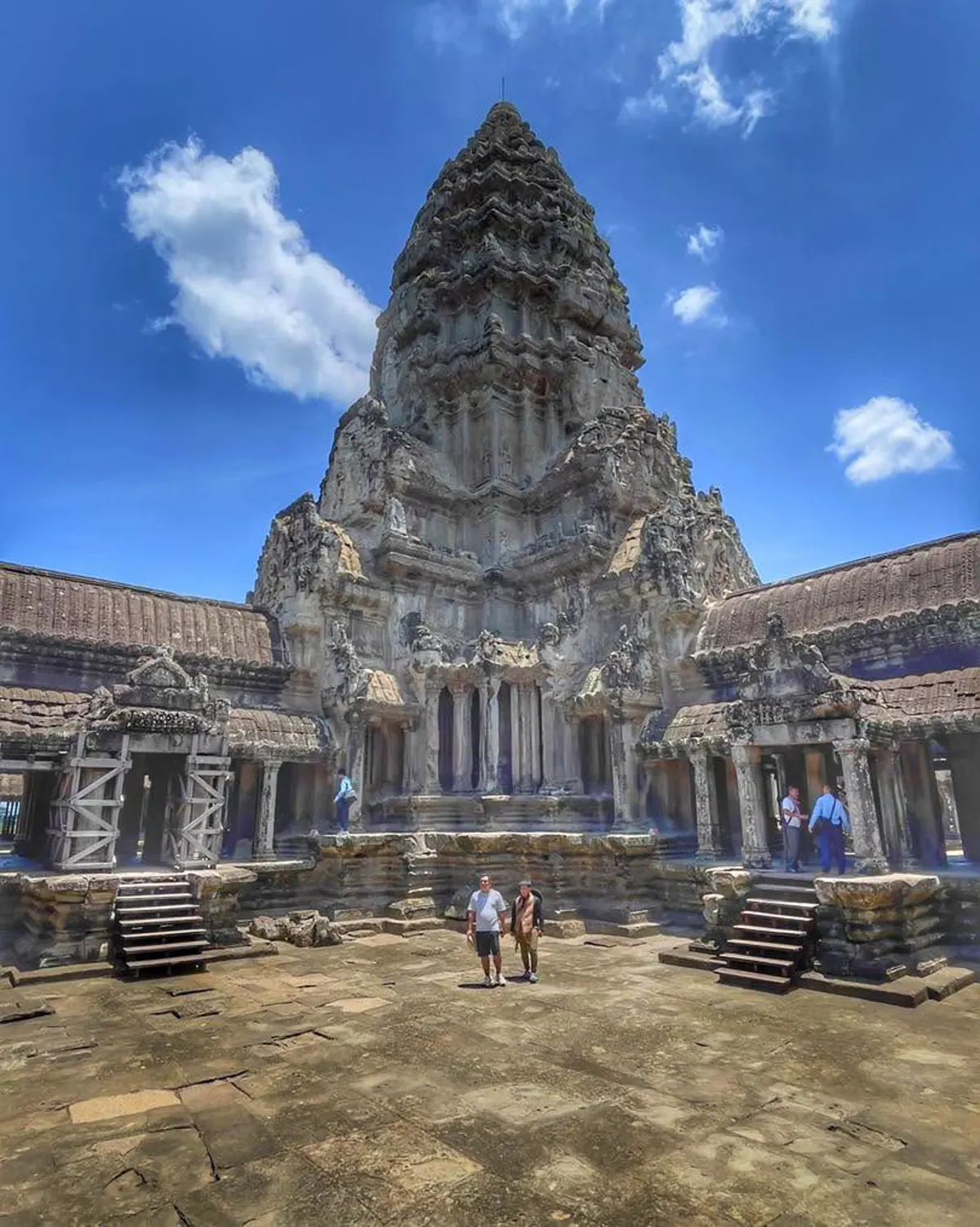
Cambodia presents a diverse range of activities for visitors, encompassing historical sites, natural landscapes, and distinct cultural practices. From exploring ancient architectural marvels to savoring local flavors and engaging in outdoor adventures, the country provides numerous ways to connect with its heritage and environment. This guide outlines prominent attractions and experiences to consider when planning a trip to this Southeast Asian nation.
Discovering Cambodia's Ancient Heritage
A primary draw for many travelers to Cambodia is its extensive collection of historical temples. These structures offer insights into the ancient empire's political, religious, and social foundations, showcasing remarkable cultural and architectural achievements. Siem Reap is a key destination for those wishing to visit the grand temple complexes of Angkor Wat and Angkor Thom, which often require several days to fully appreciate their scale and intricate details.
Beyond Siem Reap, the capital city of Phnom Penh also features significant historical sites, including the Royal Palace and the Silver Pagoda, known for their opulent designs. Given the vastness of the Angkor complex, visitors sometimes opt for a hot air balloon ride to gain a unique aerial perspective, observing the temples emerging from the surrounding forests.
For individuals interested in a deeper understanding of the nation's past, Cambodia offers various educational opportunities. These include tours that incorporate 3D technology and video presentations to enhance the visitor experience and provide new perspectives on UNESCO-recognized heritage sites like Angkor Wat. Information is frequently updated and presented in different formats, from general overviews to interactive 3D experiences, catering to a wide audience. Online learning programs are also available, allowing remote access to historical content with an internet-connected device and a code from museum staff. Engaging with monuments and museums directly links theoretical knowledge with tangible history, fostering a profound appreciation for national traditions.
Outdoor Pursuits and Natural Retreats
Cambodia's natural environment provides ample opportunities for relaxation and adventure. Koh Rong Samloem, often described as an island paradise, draws visitors with its serene natural beauty, characterized by golden sunshine, clear turquoise waters, and soft white sands. The island also features tranquil streams, large limestone formations, and traditional fishing villages. Activities here include swimming, exploring a renowned pearl breeding site, browsing a night market, and visiting various points of interest. The island's sunsets, with skies transitioning from yellow to red and purple over the sea, are particularly noteworthy for their peaceful atmosphere.
For those seeking more exhilarating experiences, quad biking offers an engaging way to explore the Cambodian countryside. These specially designed off-road vehicles are well-suited for varied terrains, including sandy hills. Local operators have adapted this activity for a broad range of tourists. Participants are advised to wear appropriate cycling attire, such as waterproof socks, mountain biking shoes, and gloves, due to exposure to environmental elements. Popular areas for quad bike adventures include the outskirts of Phnom Penh and Siem Reap, where tours like the Sunset by Quad Excursion are available, allowing riders to navigate challenging slopes and enjoy scenic views.
Horse riding is another popular activity, appealing to both novice and experienced riders. Tour operators typically provide suitable horses and guidance for all skill levels. Riding through wilderness areas offers a distinctive way to experience the landscape, with opportunities to capture memorable moments. Coastal rides, in particular, combine white sands with clear sea views and the fresh scent of salt in the breeze, creating a tranquil setting.
Jungle trekking allows travelers to connect with Cambodia's natural beauty firsthand. These journeys often lead to notable landmarks, providing an up-close view of vast forests, clear skies, flowing streams, and green hillsides—elements often absent from urban environments. Treks typically culminate at a gathering point where participants can rest, set up tents, and prepare for dinner. Evenings often involve sitting around a campfire in the cool mountain air, sharing experiences with fellow travelers.
Exploring Siem Reap by bicycle offers a healthy, convenient, and cost-effective way to see the region. Bike tours reveal both well-known tourist spots and less-explored areas, providing access to sights not typically included in other itineraries. Cycling along village trails allows riders to breathe fresh air and observe local life, while ascending rocky slopes can offer expansive, peaceful views from elevated vantage points. This mode of travel also facilitates interactions with local residents and provides a closer look at traditional cultural aspects.
A Culinary Journey Through Cambodia
Cambodian street food is recognized globally for its variety and distinct flavors, making culinary exploration a highlight for many visitors. Delicious dishes are readily available from street vendors and small alleys, often offering sophisticated options typically found in restaurants. A common example is Khmer red curry, prepared with beef, chicken, or fish, along with eggplant, green beans, potatoes, and fresh coconut milk. This curry is known for its rich, creamy texture and is frequently served with bread. Boiled duck eggs, skewered and served with salt and pepper, are another widely available and affordable street snack.
Local beers are an integral part of the Cambodian experience. Among these, Angkor beer is particularly well-known, recognized for its distinctive golden hue and robust flavor profile. It is often described as having a rich taste with a balance of sweetness and hop bitterness, reflecting local brewing traditions. These beers are produced using modern, controlled processes combined with traditional fermentation methods, ensuring consistent quality and a unique flavor. Phnom Penh offers a diverse culinary landscape, from traditional Khmer dishes to a wide array of international options, providing many choices for dining.
For adventurous eaters, sampling insects is a unique aspect of Cambodian cuisine. Dishes made from insects showcase the country's inventive approach to ingredients. Fried insects, seasoned and cooked until crispy and golden, are commonly sold in markets, roadside stalls, and entertainment areas, appealing to curious palates. Cambodia even hosts specialized insect markets, which supply both local consumption and exports to neighboring countries like Vietnam, Thailand, and China. These markets, often found along the route between Phnom Penh and Siem Reap, feature various insects such as grasshoppers, spiders, and crickets, prepared with flavorful spices.
Engaging with Cambodian Culture and Local Life
Experiencing Cambodia's cultural depth can take many forms, from river cruises to traditional performances and market visits. A cruise along the Mekong River offers a distinctive way to observe local life, often featuring yacht-style restaurants that provide a luxurious setting with entertainment and dining services. Guests typically have private cabins with river views, and complimentary freshwater is usually provided, with beer and wine available during lunch and dinner. Watching the sunset over the Mekong River offers a serene experience, though booking in advance is advisable for weekend cruises due to higher demand.
Khmer dance, particularly the Apsara dance, represents a significant part of the nation's cultural heritage, developed over centuries. These performances combine talent, knowledge, cultural elements, and community aesthetic values. Accompanied by drums, dancers execute soft and graceful movements, often in circular patterns, expressing affection. Faster-paced folk dances are common in community gatherings whenever trumpets and drums are played, allowing visitors to easily engage with the lively atmosphere. While Apsara dance is accessible to all, certain protocols are observed during participation, such as those of lower status dancing first before inviting guests and elders.
Local markets serve as cultural hubs, offering a glimpse into Cambodian daily life and providing opportunities to purchase souvenirs. These markets are known for their wide array of goods, reflecting the country's cultural essence. Popular items include wooden music boxes that produce gentle melodies, compact mini fans for warmer weather, clothing, accessories, decorations, and handicrafts, all typically available at reasonable prices. Exploring these markets allows visitors to enjoy the lively atmosphere, filled with sounds and street music, and to engage in bargaining for desired items.
Practical Considerations for Travelers
Cambodia's warm climate and generally affordable prices contribute to its appeal, with many visitors choosing to return. When planning activities, it is always recommended to verify time-sensitive details such as opening hours, tour availability, and prices, as these can change. Whether seeking historical insights, outdoor thrills, or culinary discoveries, Cambodia offers a wealth of experiences to suit various interests.
| Activity Type | Primary Locations | Key Characteristics |
|---|---|---|
| Historical & Cultural Exploration | Siem Reap (Angkor Wat, Angkor Thom), Phnom Penh (Royal Palace, Silver Pagoda) | Ancient temples, historical learning, cultural performances |
| Nature & Adventure | Koh Rong Samloem, Siem Reap, Phnom Penh outskirts, jungles | Beaches, quad biking, horse riding, trekking, cycling |
| Culinary Experiences | Local markets, street stalls across cities | Street food (curry, duck eggs), local beers, unique insect dishes |
| River Journeys & Local Interaction | Mekong River | Yacht restaurants, sunset views, observing local life |
| Shopping & Souvenirs | Local markets | Handicrafts, clothing, unique local items |
Frequently Asked Questions
What are the main cultural attractions in Cambodia?
Cambodia's primary cultural attractions include the ancient temple complexes of Angkor Wat and Angkor Thom in Siem Reap, the Royal Palace and Silver Pagoda in Phnom Penh, and traditional Khmer performances such as the Apsara dance, which showcase the nation's rich artistic heritage.
Is Cambodia suitable for adventure travelers?
Yes, Cambodia offers several adventure activities. These include quad biking through rural landscapes, horse riding in wilderness or coastal areas, jungle trekking, and cycling tours in places like Siem Reap, providing active ways to explore the country's natural beauty.
What unique foods should I try in Cambodia?
Visitors to Cambodia should explore local street food, which features dishes like Khmer red curry and various duck egg preparations. Additionally, sampling local beers, particularly Angkor beer, and trying unique insect dishes such as fried grasshoppers, spiders, and crickets, are distinct culinary experiences.
How can I experience local life in Cambodia?
To experience local life, consider taking a Mekong River cruise to observe riverside communities, cycling through villages in Siem Reap for direct interaction, and visiting local markets to browse goods and engage with vendors. Attending traditional Khmer dance performances also offers insight into local customs.
When is the best time to visit Cambodia for these activities?
While many activities are enjoyable year-round, the dry season (typically November to April) is generally preferred for outdoor adventures and temple visits due to more favorable weather. However, some experiences, like hot air balloon rides over Angkor, can offer unique perspectives even during the rainy season.








