
Nom Bo Kho, often referred to as Green Papaya Salad with Dried Beef, is a celebrated dish within Vietnamese cuisine, particularly popular as a street food item. This refreshing salad combines shredded green papaya and carrots with savory dried beef, fresh herbs, and a distinctive dressing. It offers a unique balance of sweet, sour, salty, and spicy flavors, making it a favorite among both locals and international visitors.
Understanding Nom Bo Kho: A Vietnamese Culinary Highlight
Vietnam is widely recognized for its diverse culinary landscape, featuring numerous dishes that are both flavorful and accessible. Among these, street food holds a special place, captivating food enthusiasts globally with its rich tastes and distinctive character. Nom Bo Kho, the Green Papaya Salad with Dried Beef, stands out as one such creation, having evolved from a street-side staple to a dish frequently featured on restaurant menus.
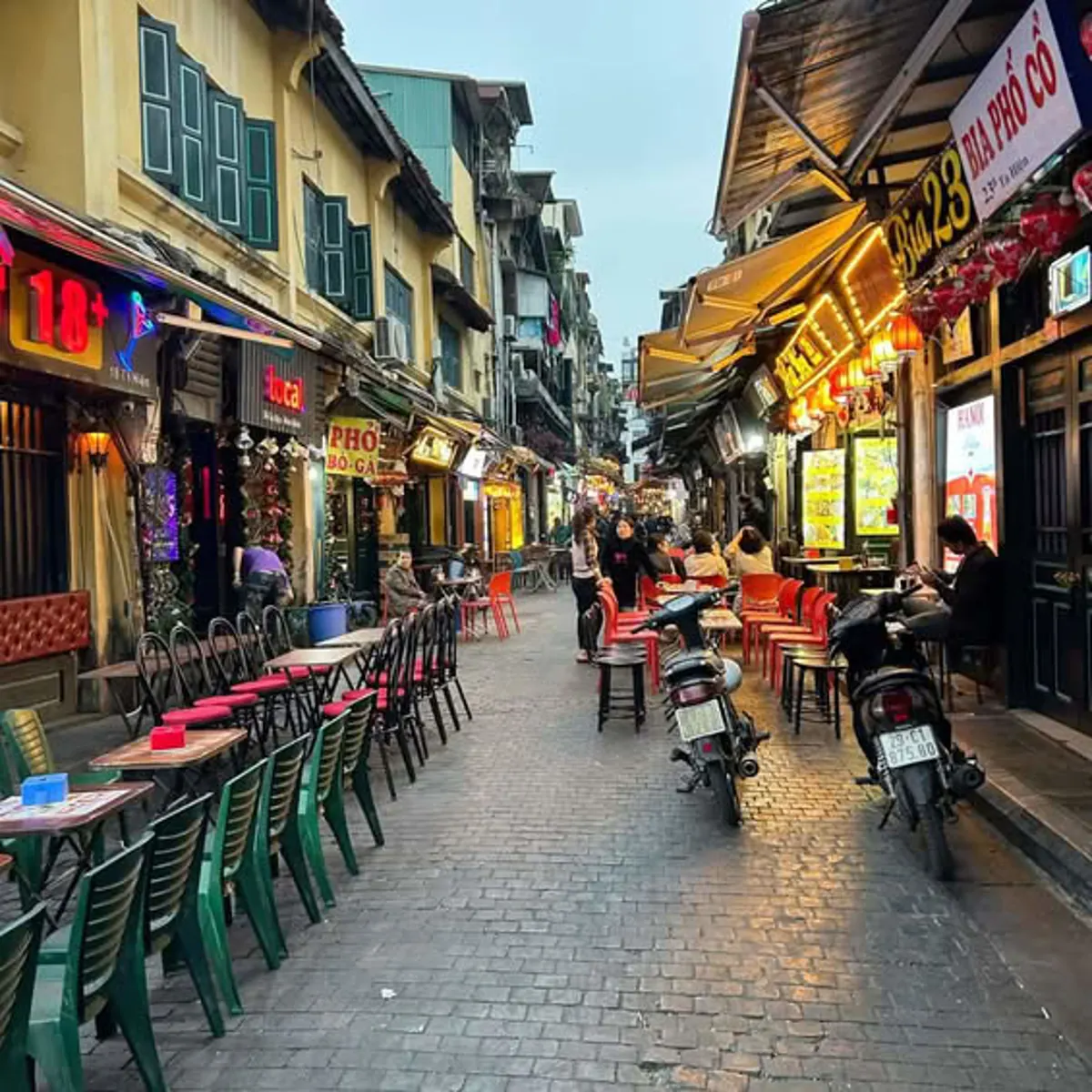
In Hanoi, this particular salad is associated with various well-known areas, including streets like Ham Long, Le Van Huu, and the vicinity of Hoan Kiem Lake. Each location often boasts its own specific preparation method, especially regarding the dressing, contributing to the dish's appeal. Nom Bo Kho is enjoyed throughout the year, regardless of the season, and is considered a nutritious option, providing dietary fiber, protein, and essential vitamins.
Crafting Nom Bo Kho: Ingredients and Preparation
The creation of Nom Bo Kho involves a selection of readily available ingredients, resulting in a dish that is both simple to assemble and rich in flavor. Key components include green papaya, carrots, roasted peanuts, and fresh marjoram. Beyond the core dried beef, other additions might feature grilled bird meat, fried liver, or sour meatballs, adding layers of texture and taste.
For those interested in preparing this dish, typical ingredients include approximately 200 grams of green papaya, 150 grams of carrots, 100 grams of dried beef, 50 grams of peanuts, 20 grams of marjoram, 10 grams of garlic, 50 grams of sugar, 50 ml of fish sauce, 50 ml of lemon juice, one chili, and 15 grams of salt.
The preparation begins by peeling and thinly slicing the green papaya and carrots into long strips. The dried beef is then torn into thin pieces. Roasted peanuts are allowed to cool, peeled, and coarsely crushed. Marjoram leaves are picked and washed, while garlic and chili are peeled and finely minced.
Next, the shredded papaya is mixed with about 1 teaspoon of salt and squeezed for two to three minutes, then rinsed and squeezed again to remove excess water. The carrots and papaya are combined with 1 to 1.5 tablespoons (15-20 grams) of sugar, left for 15-20 minutes, and then squeezed to drain any liquid. This step is crucial for achieving the crisp texture of the papaya and carrots.
The dressing is prepared by combining 50 ml of fish sauce, 30 grams of sugar, and 50 ml of lemon juice in a small bowl, stirring until the sugar fully dissolves. Minced chili and garlic are then added and mixed thoroughly. The flavor is adjusted to personal preference, keeping in mind that the papaya and carrots already contain some sugar, so the dressing does not need to be excessively sweet.
Finally, the prepared papaya, carrots, dried beef, and marjoram are combined in a bowl, and the dressing is poured over them, mixing everything well. The salad is then arranged on a plate, topped with crushed roasted peanuts, and garnished with additional marjoram before serving.
Where to Experience Nom Bo Kho in Hanoi
As a beloved dish, Green Papaya Salad with Dried Beef is widely available throughout Hanoi, from street vendors to established restaurants. For visitors seeking authentic and well-regarded establishments, navigating the numerous options can be challenging. Below are some recommended locations where you can try Nom Bo Kho:
| Establishment | Address | Operating Hours (Verify Locally) | Approximate Price (Verify Locally) | Contact (Verify Locally) |
|---|---|---|---|---|
| Long Vi Dung Dried Beef Salad | 23 Ho Hoan Kiem Street, Hoan Kiem District, Hanoi | 08:00 - 21:30 hrs | 2 USD per dish | Not supplied |
| Hai Sinh Dried Beef Salad | 57A Dinh Tien Hoang Street, Hoan Kiem District, Hanoi | 07:00 - 22:00 hrs | 2 - 3 USD per dish | Not supplied |
| Mai Nga Dried Beef Salad | 25 Ham Long Street, Hoan Kiem District, Hanoi | 10:00 - 21:00 hrs | 2 - 3 USD per dish | Not supplied |
Long Vi Dung is recognized as a prominent spot near Hoan Kiem Lake for this dish. Portions here typically feature generous amounts of beef, traditional grated papaya, fresh herbs, crispy beef tendons, and fried spleen, alongside boiled beef pieces. Hai Sinh offers a broader menu that includes not only Dried Beef Salad but also Bird Salad, Mixed Salad, Spring Rolls, Fried Nem, and Fried Potato Chips. Mai Nga is a more modest establishment situated across from Ham Long church, known for its simple, sidewalk seating and often crowded atmosphere during peak hours.
The Cultural Significance of Vietnamese Street Food
Street food plays a pivotal role in Vietnamese cuisine, serving as a window into the country's daily life and culinary traditions. Dishes like Nom Bo Kho are more than just meals; they are an integral part of the social fabric, offering a communal experience where people gather to enjoy simple yet flavorful fare. The accessibility and affordability of street food make it a cornerstone of local culture, reflecting the ingenuity and resourcefulness of Vietnamese cooks.
The unique blend of fresh ingredients, aromatic herbs, and complex sauces found in dishes such as Nom Bo Kho exemplifies the sophisticated palate of Vietnamese cooking. This culinary approach, often prepared in open-air settings, allows visitors to connect directly with the local environment and its people. Exploring the diverse offerings of street food, from savory salads to noodle soups, provides a genuine taste of the region's heritage, much like discovering the dining guide to Phnom Penh for Cambodian flavors.
Tips for Savoring Your Nom Bo Kho Experience
To fully appreciate Nom Bo Kho, consider these practical suggestions during your visit to Hanoi:
- Seek Out Popular Stalls: Often, the busiest street food vendors are popular for a reason. Observing where locals gather can lead you to some of the best versions of the dish.
- Adjust Spice Levels: If you are sensitive to spice, you can often request less chili. Conversely, if you enjoy heat, ask for extra.
- Pair with Local Beverages: Nom Bo Kho pairs well with traditional Vietnamese iced tea (trà đá) or a refreshing local beer, enhancing the overall dining experience.
- Observe Hygiene: While street food is generally safe, it's always wise to choose vendors who maintain clean preparation areas and use fresh ingredients.
- Confirm Details: Operating hours and prices can change. It is advisable to verify these details upon arrival at any specific establishment.
Frequently Asked Questions
What is the primary taste profile of Nom Bo Kho?
Nom Bo Kho typically offers a complex flavor profile that balances sweetness from sugar, tanginess from lime, saltiness from fish sauce, and a gentle heat from chili, all complemented by the savory dried beef and fresh herbs.
Is Nom Bo Kho suitable for vegetarians?
The traditional preparation of Nom Bo Kho includes dried beef. However, some establishments might offer vegetarian versions using tofu or other plant-based proteins, though this would be a variation from the classic recipe.
Can I find Nom Bo Kho outside of Hanoi?
While particularly famous in Hanoi, variations of green papaya salad with beef or other proteins can be found in different regions of Vietnam, reflecting local culinary adaptations.
What makes the papaya in Nom Bo Kho crispy?
The crisp texture of the papaya and carrots in Nom Bo Kho is achieved through a specific preparation method. After shredding, they are typically salted and squeezed to remove excess water, then briefly mixed with sugar before a final squeeze, which helps firm up their texture.








