
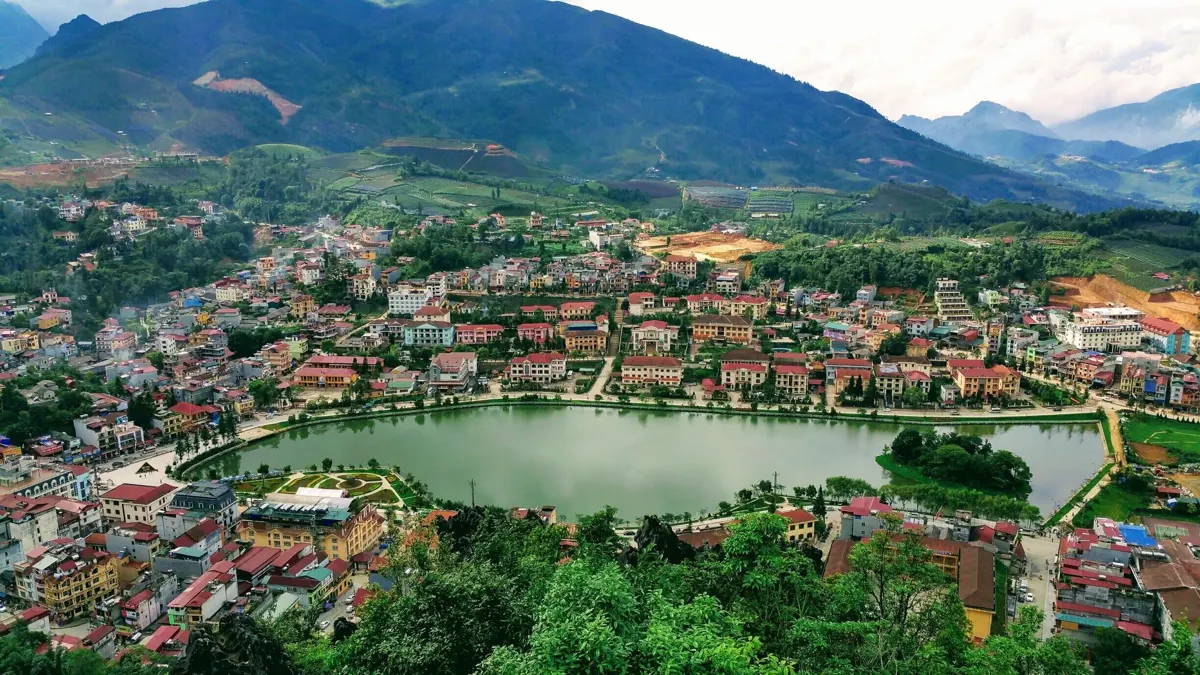
Lao Cai Province, located in Vietnam's northern highlands, presents a rich variety of natural settings and cultural scenes that draw photographers and travelers seeking compelling visual experiences. From the towering peaks of its mountains to tranquil lakes and distinctive local markets, the region offers numerous opportunities to capture striking images. This guide highlights several key locations within Lao Cai, recognized for their unique photographic potential and scenic appeal.
Ascending Fansipan Peak, the Roof of Indochina
Fansipan Peak, often called the "Roof of Indochina," stands as a prominent natural landmark and a highly sought-after destination in Lao Cai. Its considerable elevation provides sweeping panoramas of the surrounding mountain ranges, making it an exceptional spot for wide-angle landscape photography. The experience of reaching the summit allows visitors to observe the vastness of the northern Vietnamese highlands.
Historically, ascending Fansipan required a multi-day trek. However, a modern cable car system now offers a more accessible route to the top. The cable car journey typically spans about 25 minutes, providing passengers with continuous aerial views as they climb through changing altitudes and weather patterns. For those focused on photography, the late afternoon, specifically between 5:00 PM and 6:00 PM, is frequently suggested as the prime window for capturing the most dramatic light and atmospheric conditions, such as cloud inversions or sunsets. Many visitors choose to explore the Sapa region, including an ascent to Fansipan, as part of a structured itinerary. Consider a Sapa trekking and Fansipan ascent tour to fully experience the area's natural grandeur.
The Untamed Beauty of Y Ty Commune
Situated approximately 80 kilometers from Lao Cai City, Y Ty Commune is celebrated for its largely untouched natural environment. This remote area attracts those who appreciate raw, undeveloped scenery, offering a distinct perspective on the region's highland character. The journey to Y Ty itself often involves navigating winding mountain roads, adding to its sense of seclusion.
During the spring months, Y Ty frequently experiences a phenomenon where thick layers of clouds settle among the mountains, creating a landscape that many describe as ethereal or dreamlike. This misty environment, combined with the presence of traditional homes featuring moss-covered roofs, provides a unique subject for photographers. The interplay of fog, traditional architecture, and terraced fields allows for the creation of visually compelling and artistic images, distinguishing Y Ty as a location of particular interest for landscape and cultural photography. Understanding Vietnam's seasonal travel guide can help plan a visit during Y Ty's cloud season.
The Authentic Atmosphere of Can Cau Buffalo Market
The Can Cau Buffalo Market offers a window into the traditional economic and social life of the local communities. This market is particularly known for the lively trading of buffalos and cows, an activity that holds significant cultural and practical importance for the ethnic minority groups residing in Vietnam's mountainous areas. The scene can be quite active, with farmers and traders negotiating amidst a backdrop of rural life.
A defining feature of Can Cau Buffalo Market is its specific operating schedule: it convenes solely on Saturdays. This weekly event is more than just a place for commerce; it serves as a social gathering point and a cultural highlight for the surrounding communities. Travelers intending to observe and photograph this traditional market should plan their visit carefully to align with its Saturday opening, ensuring they experience this unique aspect of local culture.
Serene Waters and Agricultural Artistry: Dong Tuyen Lake and Trung Trai Rice Terraces
Dong Tuyen Lake has gained increasing attention, particularly among younger travelers, since late 2015, establishing itself as a notable spot for photography in Lao Cai. The area surrounding the lake is characterized by its peaceful ambiance and the unhurried rhythm of daily life among its residents. This tranquil setting, combined with the rustic natural scenery, provides an authentic and calming backdrop for various photographic styles, from portraiture to landscape.
Further within the Sapa District, the Trung Trai Rice Terraced Fields represent another compelling agricultural landscape. Located in Trung Trai Commune, these fields are distinguished by their intricate, layered formations that meticulously follow the natural contours of the hillsides. The sheer scale and artistic arrangement of these terraces, particularly when filled with water or ripening crops, create a visually striking spectacle. Many visitors describe the experience of seeing these fields as encountering an otherworldly beauty, making them an essential stop for anyone seeking to capture the agricultural artistry of the region. For those interested in exploring these agricultural wonders and the broader northern region, a Northern Vietnam motorbike adventure can provide an immersive experience.
Forest Trails and Bamboo-Lined Roads: Sa Mu and Sapa-Ta Van
The Sa Mu Forest, situated in Hau Thao Commune, Sapa, is notable for its Sa Mu trees, which are often regarded as symbols of Sapa's natural splendor and the enduring spirit of this mountainous region. The forest offers a quiet and contemplative environment, appealing to those who seek both natural beauty and a sense of peaceful solitude. Its dense foliage and the unique character of the Sa Mu trees contribute to a distinct visual texture within the Lao Cai landscape.
Another visually appealing route is the Sapa-Ta Van Road. This pathway is distinguished by the dense growth of green bamboo that lines both its sides, forming what appears to be a natural tunnel. The bamboo groves are particularly captivating when sunlight filters through the leaves and stalks, creating dynamic patterns of light and shadow on the road below. This interplay of light and natural elements forms a memorable scenic picture, offering unique photographic opportunities that are difficult to find elsewhere.
Key Photographic Locations in Lao Cai
| Location | Primary Photographic Subject | Optimal Timing/Notes |
|---|---|---|
| Fansipan Peak | Expansive mountain vistas, "Roof of Indochina" views | 5:00 PM – 6:00 PM for best light (verify locally) |
| Dong Tuyen Lake | Peaceful lake scenery, rustic local life | Recently popular with young photographers (since late 2015) |
| Y Ty Commune | Cloud-covered mountains, traditional mossy-roofed houses | Spring for cloudscapes |
| Can Cau Buffalo Market | Traditional buffalo and cow trading activity | Saturdays only |
| Trung Trai Rice Terraced Fields | Layered agricultural landscapes | Located in Trung Trai Commune, Sapa District |
| Sa Mu Forest | Sa Mu trees, serene forest environment | Located in Hau Thao Commune, Sapa |
| Sapa-Ta Van Road | Green bamboo tunnels, light filtering through foliage | Best when sunlight is present |
Frequently Asked Questions
What is the best time of year to visit Lao Cai for photography?
Lao Cai offers diverse photographic opportunities throughout the year, though specific seasons highlight different aspects of its beauty. For instance, the late afternoon (5:00 PM – 6:00 PM) is often cited as ideal for capturing dramatic light on Fansipan Peak. In Y Ty, spring is recommended for experiencing the unique cloud-covered mountainscapes. For the rice terraces, the planting season (typically May to June, when fields are flooded and reflect the sky) and the harvest season (September to October, when the fields turn golden) are particularly photogenic. Spring also brings blooming flowers and misty conditions to lower elevations, while autumn often provides clearer skies and vibrant hues across the landscape.
Is a local guide recommended for exploring these locations?
While some popular spots like Fansipan (accessed by cable car) or main roads are navigable independently, a local guide can significantly enrich the experience, especially for more remote areas such as Y Ty or for specific trekking routes. Guides can offer valuable cultural insights, assist with navigating less-traveled paths, and facilitate interactions with local communities. It is always prudent to verify current local conditions and accessibility before venturing into more isolated regions.
What type of photography equipment is generally recommended for a trip to Lao Cai?
Given the varied landscapes of Lao Cai, a versatile camera setup is beneficial. A standard zoom lens (e.g., a 24-70mm equivalent) can cover a wide range of subjects from landscapes to street scenes. A telephoto lens might be useful for capturing distant mountain details or candid shots at markets. For expansive views and terraced fields, a wide-angle lens is highly recommended. Bringing a sturdy tripod can be advantageous for low-light photography on Fansipan or for achieving long exposures in misty conditions. Additionally, protective gear for your camera against dust, moisture, or light rain is advisable, especially when exploring rural or mountainous areas.
What cultural considerations should photographers keep in mind in Lao Cai?
When photographing local people, particularly members of ethnic minority groups in markets or villages, it is considered respectful practice to ask for their permission before taking pictures. A simple gesture or a few words of Vietnamese (if known) can go a long way. Visitors should also be mindful of local customs and traditions, and dressing modestly, especially when entering homes or sacred spaces, is generally appreciated. Respectful engagement helps ensure a positive interaction and a more authentic photographic experience.








