
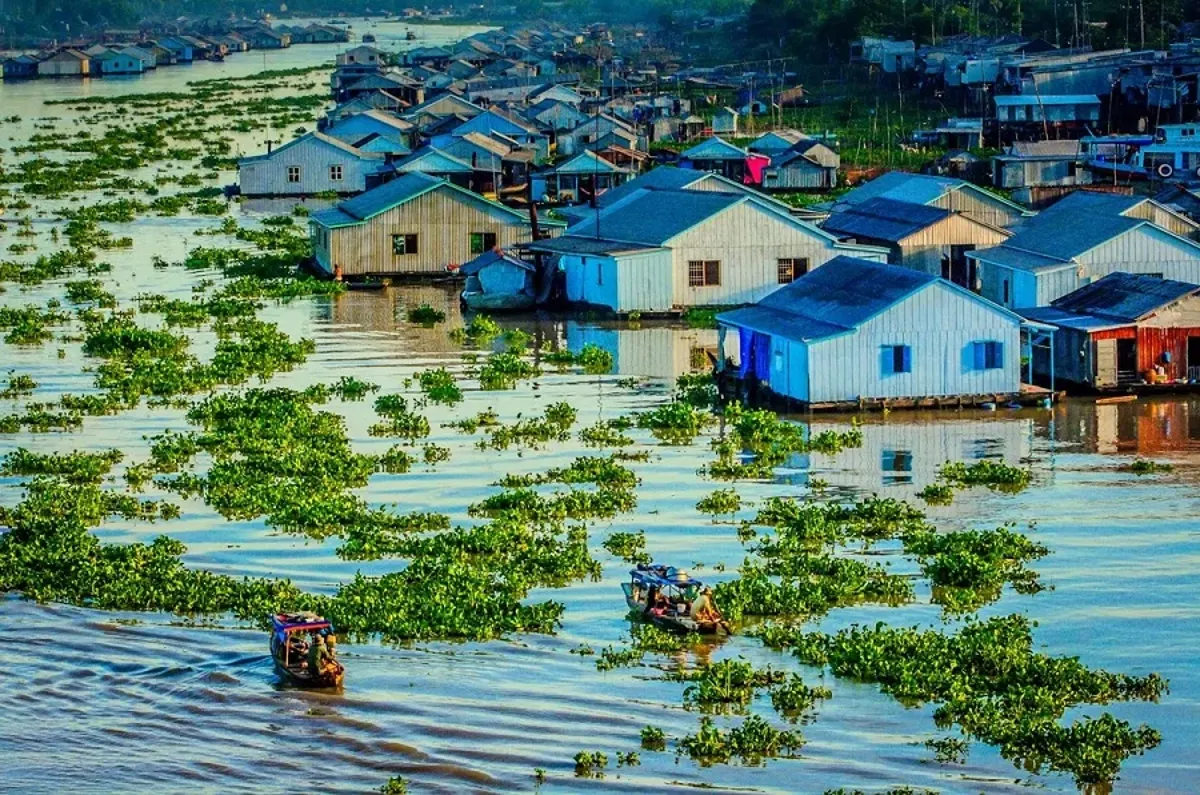
Chau Doc, located in Vietnam's Mekong Delta region, serves as a compelling destination for those interested in local culture and the area's natural environment. Positioned along the Hau River, close to the Cambodian border, this town presents a distinctive atmosphere where various traditions converge. Visitors can anticipate engaging with regional customs, sampling unique culinary offerings, and experiencing the serene beauty of the delta's waterways.
The town's character is shaped by its riverine setting and diverse population, providing a different perspective compared to larger Vietnamese cities. From early morning activities on the water to the spiritual sites on nearby hills, Chau Doc offers a range of experiences for travelers seeking a deeper connection with the Mekong Delta.
Navigating the Chau Doc Market
A visit to the Chau Doc Market provides an immediate immersion into local daily life. The market sprawls with activity, beginning on its edges where vendors prepare hot bowls of fish noodles and pour strong coffee. Closer to the waterfront, boats regularly arrive, unloading fresh produce sourced from across the wider region. Sidewalks become displays for colorful arrangements of flowers, fruits, and vegetables.
Observing the shop signs reveals older lettering, reflecting the town's diverse heritage. A prominent aroma throughout the market is that of mắm, a fermented fish product considered a Chau Doc specialty. Piles of fish, preserved with palm sugar, salt, chili, and garlic, can be seen fermenting openly. Other common sights include large quantities of tamarind, various jellied sweets, and fresh fish. This energetic marketplace is an excellent location to observe the abundance of the Delta's agricultural and aquatic output.
Exploring Regional Ethnic Heritage
Chau Doc's two islets, Chau Phong and Chau Giang, offer insight into the local Cham ethnic culture. When the Cham people established settlements along the Hau River many decades ago, they brought with them their distinct architectural styles and Sunni Islamic religious practices. Cham women are often seen wearing traditional veils, while men don sarongs. Each community maintains its own mosque, where prayers are observed five times daily.
Walking through these islets reveals traditional stilt houses, often adorned with intricate wooden patterns. These residences are interconnected by boardwalks, designed to adapt to the river's fluctuating water levels. Visitors can observe Cham women at weaving workshops, where they create clothing on complex looms. The light and adaptable checkered Cham scarves are a practical item for travel within the Delta region, and provide a tangible connection to the local craft. For those interested in the broader cultural landscape of the region, exploring distinct towns in Vietnam's Mekong Delta can offer further context.
Regional Flavors of Chau Doc
Chau Doc's culinary scene highlights freshwater fish sourced from the local rivers. A classic breakfast option is bún cá (fish noodle soup), prepared with rice noodles, turmeric, and crisp điên điển flowers. Locals typically season their bowls with chili and lime juice. Another notable Mekong Delta dish is cá kho tộ, which consists of caramelized fish cooked slowly in a clay pot. This dish is simmered for hours until the fish becomes tender and flaky, offering a savory taste that pairs well with steamed rice and greens. For a more comprehensive understanding of the region's food, consider a food lover's guide to Southern Vietnamese flavors.
Palm nuts, harvested from the plains surrounding Chau Doc, are another unique local ingredient. These nuts yield a clear jelly, which residents combine with coconut cream and shaved ice to create chè, a sweet soup often enjoyed as an afternoon snack or a light dessert. For a shared evening meal, seafood hotpot is a popular choice, featuring vegetables, mushrooms, noodles, and herbs cooked in a hot and sour broth. Keep an eye out for bánh bò Chăm, a soft yet crisp cake made with palm sugar and coconut milk. These cakes are cooked using hot clay lids and are best enjoyed warm, directly from the heat source.
Chau Doc Culinary Highlights
| Dish Name | Key Ingredients | Description | Typical Meal |
|---|---|---|---|
| Bún Cá | Rice noodles, turmeric, fish, điên điển flowers | Fish noodle soup, often seasoned with chili and lime | Breakfast |
| Cá Kho Tộ | Freshwater fish, caramel sauce | Slow-cooked caramelized fish in a clay pot, tender and flaky | Lunch/Dinner |
| Chè | Palm nut jelly, coconut cream, shaved ice | Sweet soup dessert or afternoon snack | Snack/Dessert |
| Seafood Hotpot | Vegetables, mushrooms, noodles, herbs, seafood | Boiling hot and sour soup with various additions | Shared Dinner |
| Bánh Bò Chăm | Palm sugar, coconut milk | Soft yet crispy cake, cooked under hot clay lids | Snack |
River Journeys and Natural Escapes
Boats are fundamental to daily existence in the Mekong Delta, with residents regularly utilizing ferries and sampans for transport. An early morning excursion allows visitors to witness the floating market, where numerous brightly painted wooden vessels offer sun-ripened fruit directly on the water. Alternatively, a trip to Chau Doc's floating fish farms provides insight into a significant source of income for local families.
Approximately 23 kilometers outside Chau Doc lies the Tra Su Forest, an expansive natural area covering 850 hectares. This forest is predominantly composed of cajeput trees and includes a flooded mangrove section accessible by small motorboats. As boats glide over a surface often covered with duckweed, lotus flowers, and floating hyacinth, observers can look for various bird species inhabiting the area.
Ascending Sam Mountain's Sacred Sites
Among the gentle hills surrounding Chau Doc, Nui Sam (Sam Mountain) holds particular spiritual importance. Its slopes are dotted with numerous temples and pagodas. Climbing the steps to Chua Hang (Cave Pagoda) offers extensive views that stretch towards Cambodia. For those with additional time, a network of winding caves extends deep into the mountainside, available for exploration.
At the base of Nui Sam is Mieu Ba Chua Xu, one of Vietnam's most active religious sites. Outside the temple, devotees prepare offerings such as whole roasted pigs and chickens, stacks of fruit and rice cakes, and bundles of pink lotus blossoms. Inside, visitors light incense before a statue of Lady Chua, which is believed to have been discovered on the mountain approximately 200 years ago. Some accommodations on the mountain feature terracotta bungalows, allowing guests to wake to views from Nui Sam at sunrise, enjoying breakfast above the plains and palm trees.
Tranquility Along the Hau Riverfront
After experiencing the energetic markets and spiritual sites, the calm waterways of Chau Doc provide an opportunity for relaxation. Dedicate some time to appreciate the ever-changing scenery of the Hau River. One option for this is to stay at the Victoria Chau Doc Hotel, an elegant property situated directly on the water. The hotel features a lap pool, surrounded by loungers facing the river, suitable for a refreshing dip after daytime excursions in the warm climate.
The Victoria Chau Doc Hotel offers 92 rooms, each equipped with dark wood floors, modern bathrooms, and comfortable beds. The primary attraction, however, remains the external environment. Drawing the curtains in the morning reveals sunrise over the water. For dining, the terrace tables at Bassac Restaurant allow guests to enjoy meals while observing the river's activity.
Frequently Asked Questions
What is Chau Doc known for?
Chau Doc is recognized for its unique position as a border town in the Mekong Delta, offering a blend of Vietnamese and Cham ethnic cultures. It is particularly known for its bustling market, distinctive fermented fish products (mắm), sacred sites on Sam Mountain, and river-based activities like floating markets and fish farms.
How can I experience local culture in Chau Doc?
To experience local culture, visit the Chau Doc Market to observe daily commerce and sample regional foods. Explore the Cham islets of Chau Phong and Chau Giang to learn about their architecture and weaving traditions. Engaging with local cuisine, especially dishes like bún cá and cá kho tộ, also provides cultural insight.
Are there natural attractions near Chau Doc?
Yes, the Tra Su Forest, located about 23 kilometers from Chau Doc, is a significant natural attraction. It is an 850-hectare cajeput forest with a flooded mangrove area that can be explored by boat, offering opportunities for birdwatching amidst unique aquatic flora.
What are the dining specialties in Chau Doc?
Chau Doc's dining specialties include freshwater fish dishes such as bún cá (fish noodle soup) and cá kho tộ (caramelized fish in a clay pot). Other notable items are chè (a sweet soup made with palm nut jelly and coconut cream) and bánh bò Chăm (a soft, crispy palm sugar and coconut milk cake). Seafood hotpot is also a popular communal meal.
What is the significance of Sam Mountain?
Sam Mountain (Nui Sam) is considered a sacred site in the region, dotted with numerous temples and pagodas. It is home to Chua Hang (Cave Pagoda) and Mieu Ba Chua Xu, a highly active religious complex. The mountain offers panoramic views and is a focal point for local spiritual practices and pilgrimages.








