
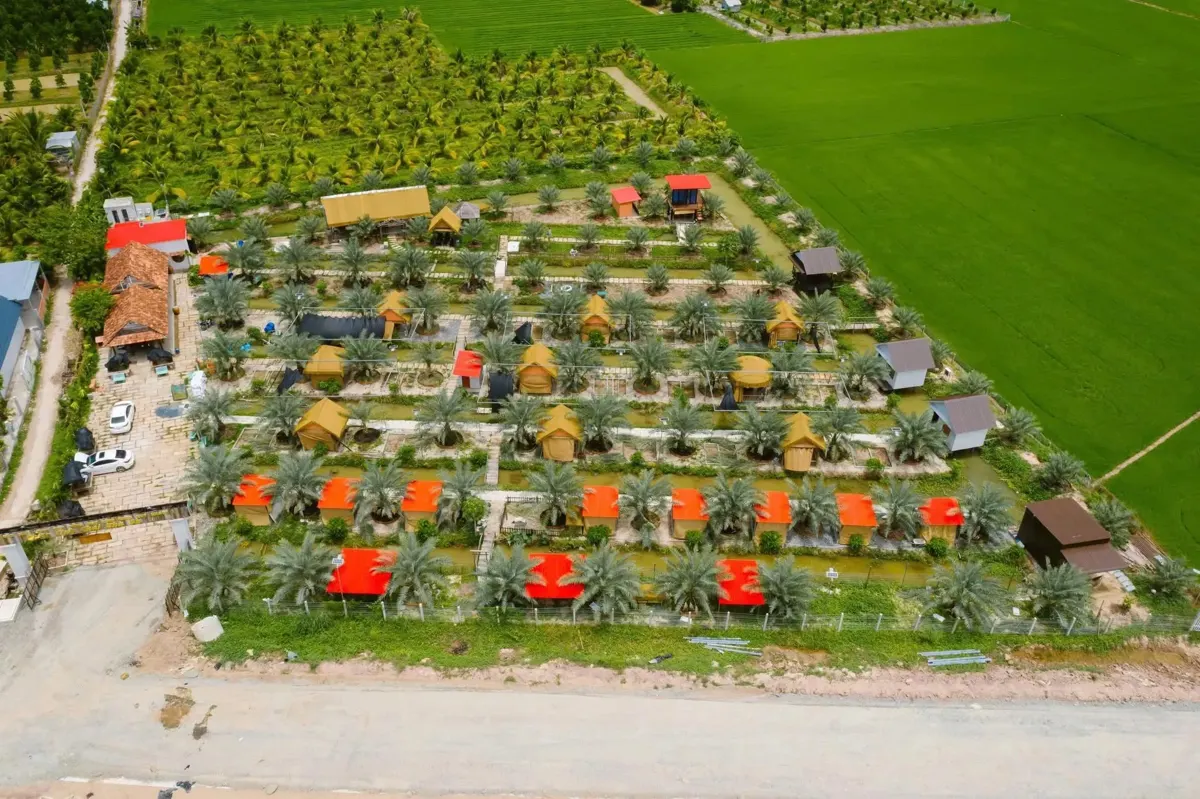
The Mekong Delta, often referred to as Vietnam's "rice bowl," offers a rich culinary landscape shaped by its fertile soil and extensive waterways. This southern region provides an abundance of fresh produce, river fish, and unique local specialties, making it a compelling destination for those interested in authentic Vietnamese flavors.
The Distinctive Flavors of the Mekong Delta
The agricultural richness of the Mekong Delta ensures a continuous supply of fresh ingredients throughout the year. Its soil supports a diverse range of fruits, rice, and vegetables, while the slow-moving rivers and aquaculture farms are home to various shrimp and fish species.
A defining characteristic of cuisine from this area is a natural sweetness, which subtly enhances many dishes. This regional taste profile is a direct result of the fresh, high-quality ingredients sourced directly from the land and water.
Essential Dishes to Experience in Southern Vietnam
Exploring the Mekong Delta's food scene means encountering a variety of unique and satisfying meals. Here are several local preparations that represent the region's culinary identity.
Bun Nuoc Leo Soc Trang
Originating from Soc Trang, a town approximately 60 kilometers southeast of Can Tho, this noodle soup features a broth made from slow-cooked fish stock. While pho often takes center stage, Vietnam's culinary landscape offers a rich variety of noodle dishes, and this is a prime example. Traditionally flavored with Khmer prohok, the Vietnamese adaptation often uses pickled river fish, which can be observed in local markets. The soup is typically served with rice vermicelli, whole shrimp, roasted pork, crispy pork crackling, and fish balls, garnished with fresh herbs, crunchy soybeans, and shredded banana blossom.
Recommendation: Bun Nuoc Leo Soc Trang Phi Long has been serving this specialty since 2001.
- Address: 12 De Tham, Can Tho.
Banh Cong
This savory fried cake resembles a doughnut and is prepared from a batter of mung beans, taro, and rice flour. The mixture is poured into a ladle similar to a muffin tin, topped with a whole shrimp, and then deep-fried until golden. Popular in both Can Tho and Soc Trang, these cakes are often enjoyed as an afternoon snack. They are typically eaten with fresh herbs to add an additional layer of flavor.
Banh Xeo
While found across Vietnam, the Mekong Delta's version of Banh Xeo is notably large and generously filled with pork, bean sprouts, and shrimp. The name "xeo" refers to the sizzling sound the batter makes when it hits the hot wok. The turmeric powder gives the pancake its characteristic yellow hue. Diners usually tear off a portion, wrap it in a lettuce leaf with various herbs, and dip it into nuoc cham (fish sauce dipping sauce) for a delightful combination of textures.
Nem Nuong
These grilled pork meatballs are crafted from minced pork, kneaded to achieve a chewy texture, seasoned, and then cooked over charcoal grills on sidewalks. The smoky aroma often attracts passersby. Nem Nuong is typically assembled like a fresh spring roll, with the grilled pork, fresh herbs, rice noodles, pickles, and cucumbers tightly rolled inside a rice paper wrapper.
Fried Pumpkin Flowers (Bong Bi Chien Gion)
Pumpkin flowers are a versatile ingredient in Vietnamese cooking, appearing in soups, stir-fries, or, as is common in the Mekong Delta, stuffed and deep-fried. The fried version offers a blend of the pumpkin's natural sweetness, a crispy tempura-like coating, and a savory filling.
Elephant Ear Fish
A signature dish of the Mekong Delta, Elephant Ear Fish is frequently served to visitors. The entire fish is fried until crisp and presented upright, allowing diners to easily flake off the tender meat. This is then rolled into rice paper with pickles, cucumber, and fresh herbs, showcasing the simplicity and freshness of local cooking.
Local Fruits and Sweet Treats
The region is renowned for its sweet tropical fruits. Markets and floating vendors offer a wide selection, including rambutan, jackfruit, and mangosteen. Additionally, small rice cakes, often wrapped in banana leaves, are a common sweet. These fragrant cakes may be colored with pandan leaves and sweetened with coconut or mung beans. When visiting Ben Tre, sampling the local coconut candy, a primary product of the town, is highly recommended.
Recommended Locations for Dining
While formal restaurants are less common in the Mekong Delta, numerous small eateries and street stalls specialize in one or two dishes, often prepared using long-standing family methods. Some of the most memorable meals can be enjoyed at simple sidewalk tables. For those seeking a more established setting, a few riverside establishments offer local fare.
| Venue/Location | Specialty/Description | Address/Location Details | Operating Hours/Notes | Contact/Booking |
|---|---|---|---|---|
| Bun Nuoc Leo Soc Trang Phi Long | Specializes in Bun Nuoc Leo Soc Trang | 12 De Tham, Can Tho | Serving since 2001 | Not supplied |
| Cai Rang Floating Market | Largest floating market, offers noodles (bun cha ca), fresh fruit | Approximately 6 km from Can Tho | Best visited early morning for trade spectacle | Not supplied |
| Spices Restaurant | Mekong Delta specialties, sampler platter available (Bon bon salad, grilled duck skewer, shrimp in sugar cane, beef in betel nut leaves, grilled pork skewers) | Can Tho, overlooking the Hau River | Open-air setting, colonial ambiance | Not supplied |
| De Tham Street | Known as 'food street', excellent for Southern Vietnamese cooking exploration | Can Tho | Pick busiest spots, point to dishes | Not supplied |
| Le Longanier | Rustic regional cooking in a French colonial villa setting | Cai Be, on the riverbank, amidst fruit plantations | Open only for lunch | Not supplied |
| Chau Doc Market | Fresh vegetables, flowers, noodles, sugarcane juice, pickled fish (Chau Doc is known as the 'Kingdom of Pickled Fish') | Chau Doc | Ideal just after sunrise; busy by 7 AM | Not supplied |
| Chau Doc Floating Market | Smaller than Cai Rang, barges laden with fruits and vegetables; produce samples displayed on poles | Chau Doc | Early morning hours | Not supplied |
Planning Your Culinary Exploration
To fully appreciate the Mekong Delta's culinary offerings, establishing a base for a few days is beneficial. Can Tho and Chau Doc are excellent choices for this purpose, each providing a distinct experience. For a broader understanding of the region's settlements, consider exploring distinct towns in Vietnam's Mekong Delta.
Can Tho, the largest urban center in the Delta, is a prime location for encountering many southern specialties and is home to a renowned floating market. For those interested in exploring this major city, a Can Tho travel guide can provide further insights.
In contrast, Chau Doc offers a more tranquil environment, characterized by its Cham and Khmer ethnic minority populations and a peaceful riverine setting.
Accommodation Suggestion: The Victoria Can Tho Resort provides a peaceful retreat along the Hau River, conveniently located near Can Tho. Its rooms offer views of the river's activity, appealing to travelers seeking cultural immersion.
Recreating Mekong Delta Flavors: Caramelised Fish in Claypot (Kho)
Fish is a fundamental component of the Mekong Delta diet, given the region's extensive network of rivers, streams, and ponds. "Kho" (pronounced "khaw"), a dish featuring meat stewed in a caramel sauce with fish sauce, is a staple in Vietnamese cooking, known for its appealing sweet and savory balance. This particular recipe for Caramelised Fish in Claypot is attributed to the chefs at Spices Restaurant. It is recommended to use seabass and serve it with steamed rice for a traditional Vietnamese meal.
Ingredients:
- 750g firm white fish, cleaned and cut into chunks
- 150g palm sugar
- 3 tbsp Vietnamese fish sauce
- 1 tsp Knorr seasoning powder
- 3 garlic cloves, peeled and finely chopped
- 5 shallots, peeled and finely chopped
- A bunch of spring onions, chopped (separate into white, green, and stalks)
- 1 tbsp cooking oil
- 400ml coconut water (not milk) or water
- Chilies, coriander sprigs (optional, for garnish)
- Cooked jasmine rice
Directions:
- In a mixing bowl, combine the fish chunks with palm sugar, fish sauce, chopped white scallions, salt, pepper, Knorr powder, shallots, and garlic. Allow to marinate.
- To prepare the caramel sauce, place the remaining palm sugar in a saucepan with a small amount of cooking oil. Heat over medium heat, swirling the pan continuously for approximately 10 minutes to prevent burning, until a deep brown, glossy caramel liquid forms.
- Add the marinated fish to the pan. Pour in enough water or coconut water to just cover the fish, then bring the mixture to a boil. Skim off any foam that rises to the surface.
- Add pepper and a portion of the chopped green scallions.
- Prepare a clay pot (or another heavy-bottomed pot) by arranging the scallion stalks at the bottom. Transfer the fish mixture into the pot and continue cooking over medium heat for 15-20 minutes, until the fish is thoroughly cooked. The sauce will thicken, developing a rich golden-brown color and a slightly sticky consistency.
- Garnish with the remaining chopped green scallions, an optional chili, and a few sprigs of coriander. Serve directly from the clay pot for a rustic presentation.
Frequently Asked Questions
What makes Mekong Delta cuisine unique?
The cuisine of the Mekong Delta is characterized by its reliance on abundant fresh produce, rice, and river fish from its fertile lands and extensive waterways. A notable feature is a natural sweetness that permeates many dishes, reflecting the freshness and quality of local ingredients.
Which cities are good bases for food exploration in the Delta?
Can Tho and Chau Doc are recommended as ideal starting points for exploring the region's food scene. Can Tho is the largest city and offers access to a major floating market and numerous local specialties, while Chau Doc provides a quieter setting with a distinct cultural mix.
Are there specific food streets or markets to visit?
Yes, in Can Tho, De Tham Street is known as a "food street" offering a wide array of Southern Vietnamese dishes. Additionally, the Cai Rang Floating Market near Can Tho and the Chau Doc Market and Floating Market are excellent places to observe local trade and sample fresh produce and prepared foods.
Can I find vegetarian options in the Mekong Delta?
While many traditional dishes feature meat or fish, the abundance of fresh vegetables and fruits in the Mekong Delta means that vegetarian options can often be found or adapted. Dishes like Banh Cong (if prepared without shrimp) or various vegetable stir-fries are possibilities, and market stalls offer plenty of fresh produce.
What is "Kho" in Vietnamese cooking?
"Kho" refers to a traditional Vietnamese cooking method where meat or fish is stewed in a caramel sauce, often with fish sauce, creating a distinctive sweet and savory flavor profile. It is a common staple in Vietnamese households, particularly in the Mekong Delta, where fish is plentiful.








