
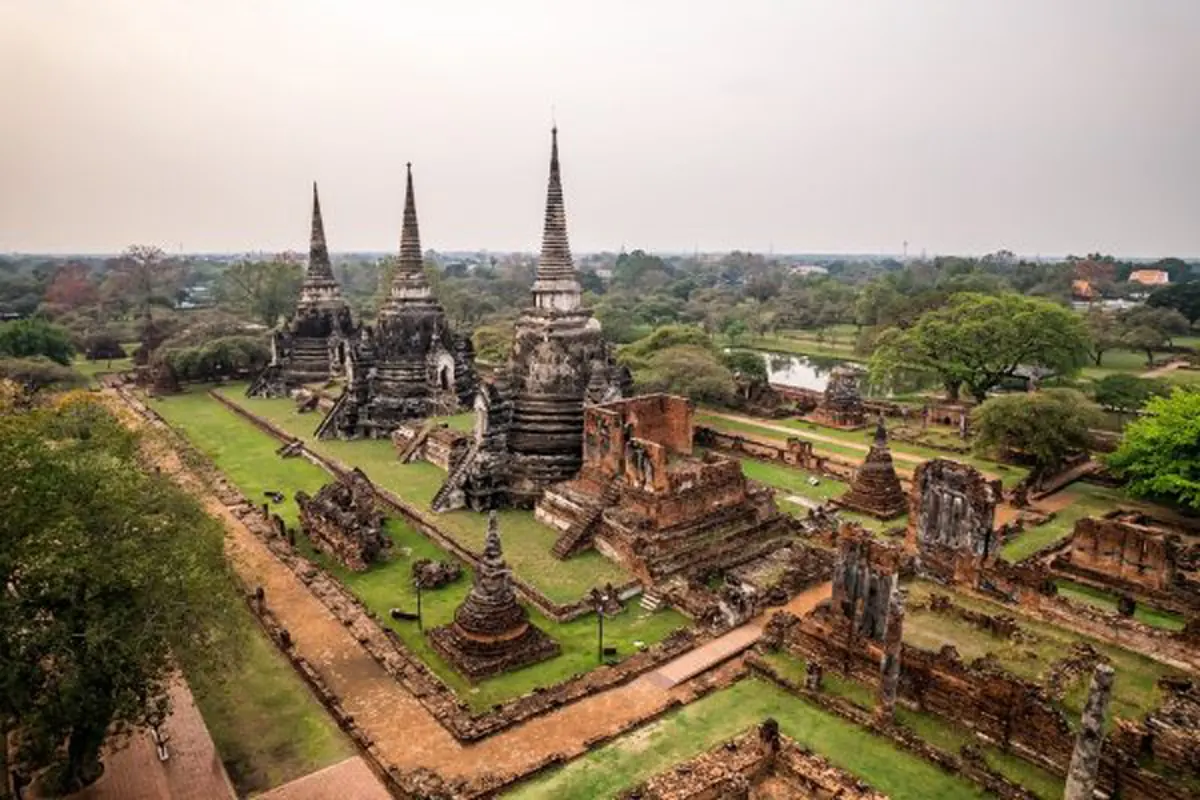
Chiang Mai, located in Northern Thailand, offers a rich blend of cultural heritage and natural beauty, making it a popular destination for travelers. Visitors seeking to experience the region's distinct character will find a variety of engaging activities, from exploring ancient sites to participating in local traditions and outdoor adventures. This guide highlights key experiences to consider when planning a trip to this significant Thai city.
Discovering Chiang Mai's Historic Core
The heart of Chiang Mai lies within its Old City, an area spanning approximately 1.5 square kilometers, defined by ancient walls and a surrounding moat. This historic district serves as a focal point for cultural exploration, housing numerous historical landmarks. It has long been a center for Buddhist practice, trade, and even elephant activity, contributing to its unique character. Within these boundaries, visitors can find various museums, spiritual sites, art galleries, and a wide selection of cafes and dining establishments. The Old City has become a favored spot for independent travelers and those seeking cultural insights.
Key daytime attractions within the Old City include the historic Thapae Gate, the Three Kings Monument, the Lanna Folklife Museum, and the Chiang Mai National Museum. Religious sites such as Wat Chedi Luang, Wat Phra Singh, and Wat Chiang Man offer architectural and spiritual interest. For shopping and local interaction, the Sunday Walking Street, Saturday Market (Wualai walking street), and Sompet Market provide opportunities to browse goods and local produce. As evening approaches, the city transforms, with the Night Bazaar offering a commercial hub of bars, restaurants, and shops. Other evening options include the Art of Paradise, Wat Chang Kong Temple, Anusarn Market, and Ploen Rudee Night Market, alongside numerous spas and massage parlors.
- Enjoy a traditional Thai massage.
- Cycle through the historic streets.
- Sample diverse street food options.
- Participate in a Thai cooking workshop.
- Engage in conversations with Buddhist monks.
- Experience a ride in a tuk-tuk.
Reverence and Architecture: Chiang Mai's Temples
Chiang Mai is home to an extensive collection of Buddhist temples, with over 300 located throughout the city and its surrounding areas. Many of these structures showcase the distinctive 'Lanna style' architecture, characterized by gracefully curved wooden roofs. While it is possible to visit many temples, selecting a few key sites can offer a fulfilling experience without overwhelming visitors.
When visiting these sacred sites, adherence to respectful dress codes is expected. Garments that expose shoulders or knees, such as short tops and sleeveless shirts, are generally not permitted. Visitors are advised to carry a sarong or similar covering to ensure appropriate attire upon entry. While sandals are acceptable, they must have straps around the back; flip-flops and backless sandals are typically not allowed. Some temples may provide coverings for those who arrive unprepared. Notable temples to consider visiting include Wat Phra That Doi Suthep, Wat Phra Singh, Wat Chedi Luang, Wat Umong, Wat Sri Suphan, and Wat Chiang Man.
Culinary Exploration: Thai Cooking Classes
Chiang Mai provides an ideal setting for those interested in learning the art of Thai cooking. These classes offer an opportunity to uncover the techniques behind preparing popular Thai dishes. Participants can often take home the recipes they learn, enabling them to recreate these flavors in their own kitchens. Many cooking schools feature experienced local chefs and provide options for both vegan and non-vegan culinary preferences.
Several reputable cooking schools operate in the area. Sammy's Organic Thai Cooking School, for instance, conducts its classes on an organic farm in the countryside, often beginning with a visit to a local market. Other well-regarded establishments include Thai Farm Cooking School, May Kaidee's Cooking School, The Basil Cookery School, Smart Cook Thai Cookery School, Asian Scenic Thai Cooking School, Tom Yum Thai Cooking School, Aromdi Cookery School, Siam Rice, Chiang Mai Thai Cookery School, and Mama noi Thai Cookery School.
Outdoor Pursuits and Wildlife Encounters
Northern Thailand's landscape, characterized by jungles, banana, and bamboo trees, alongside rivers, offers a wide array of outdoor and adventure activities in Chiang Mai. These experiences cater to various interests, from spiritual contemplation at mountain temples to engaging with local wildlife and high-energy sports.
Among the recommended activities, a visit to Doi Suthep Temple stands out. Situated atop a mountain, it is considered one of Thailand's most sacred Buddhist sites and offers views, particularly at sunrise. Doi Inthanon National Park is renowned for its natural beauty and provides opportunities for trekking. For ethical wildlife interaction, the Elephant Pride Sanctuary, located within Doi Inthanon National Park, offers visitors a chance to observe and appreciate elephants, some aged between 60 and 80 years. The Chiang Mai Night Safari operates as a center for environmental forestry and wildlife conservation, providing evening animal viewing experiences. Other activities include Chiang Mai Bike Tours, which explore both urban and rural routes, and white water rafting on the Maetaeng River, known for its adventurous rapids. The Grand Canyon Water Park, the largest water park in Chiang Mai, features activities such as canoeing, kayaking, zip-lining, and wakeboarding. Chiang Mai Elephant Land offers opportunities for interaction, including feeding, bathing, and caring for elephants. Trekking tours through the jungles are also available, often exploring areas near Piroon and Baan. Additionally, visitors can witness Muay Thai, Thailand's national sport, at various stadiums hosting live matches.
Local Flavors and Shopping: Chiang Mai's Markets
Chiang Mai is home to a diverse array of local markets, offering everything from fresh produce and clothing to unique handicrafts and souvenirs. These markets provide a glimpse into daily life and offer opportunities to sample local street food and find distinctive items.
Prominent markets in Chiang Mai include Warorot Market, Sompet Market, the Sunday Market, the Saturday Market, and JingJai Market. For evening shopping and dining, the Chiang Mai Night Bazaar, Wua Lai walking street, Mueang Mai Market, and Chang Phuak Gate Night Market are popular choices. Additionally, specialized markets like the Fresh Fruit Market and Mae Hia Fresh Market cater to specific culinary needs, while Chiang Mai Gate Market offers a general selection of goods.
Frequently Asked Questions
What are the main attractions in Chiang Mai Old City?
The Old City features numerous historical sites, including Thapae Gate, the Three Kings Monument, Lanna Folklife Museum, Chiang Mai National Museum, and temples like Wat Chedi Luang and Wat Phra Singh. It also hosts popular markets such as the Sunday Walking Street and Saturday Market.
What should I wear when visiting temples in Chiang Mai?
When entering temples, visitors should wear clothing that covers their shoulders and knees. Short tops and sleeveless shirts are not permitted. Sandals with straps around the back are acceptable, but flip-flops or backless sandals are generally not allowed. Some temples may offer sarongs for temporary use.
Can I find vegan cooking classes in Chiang Mai?
Yes, many cooking schools in Chiang Mai offer both vegan and non-vegan class options. These classes teach participants how to prepare various Thai dishes, often allowing them to take recipes home.
What kind of adventurous activities are available?
Chiang Mai offers a range of adventurous activities, including visiting Doi Suthep Temple for views, trekking in Doi Inthanon National Park, ethical elephant encounters at sanctuaries like Elephant Pride Sanctuary, night safaris, bike tours, white water rafting on the Maetaeng River, and water sports at Grand Canyon Water Park. Live Muay Thai matches are also a popular attraction.
Where can I experience local markets and street food?
Chiang Mai has many markets for local flavors and shopping. Popular options include Warorot Market, Sompet Market, the Sunday Market, Saturday Market, and the Chiang Mai Night Bazaar. These locations offer fresh fruits, clothing, handicrafts, and a wide selection of street food.








