
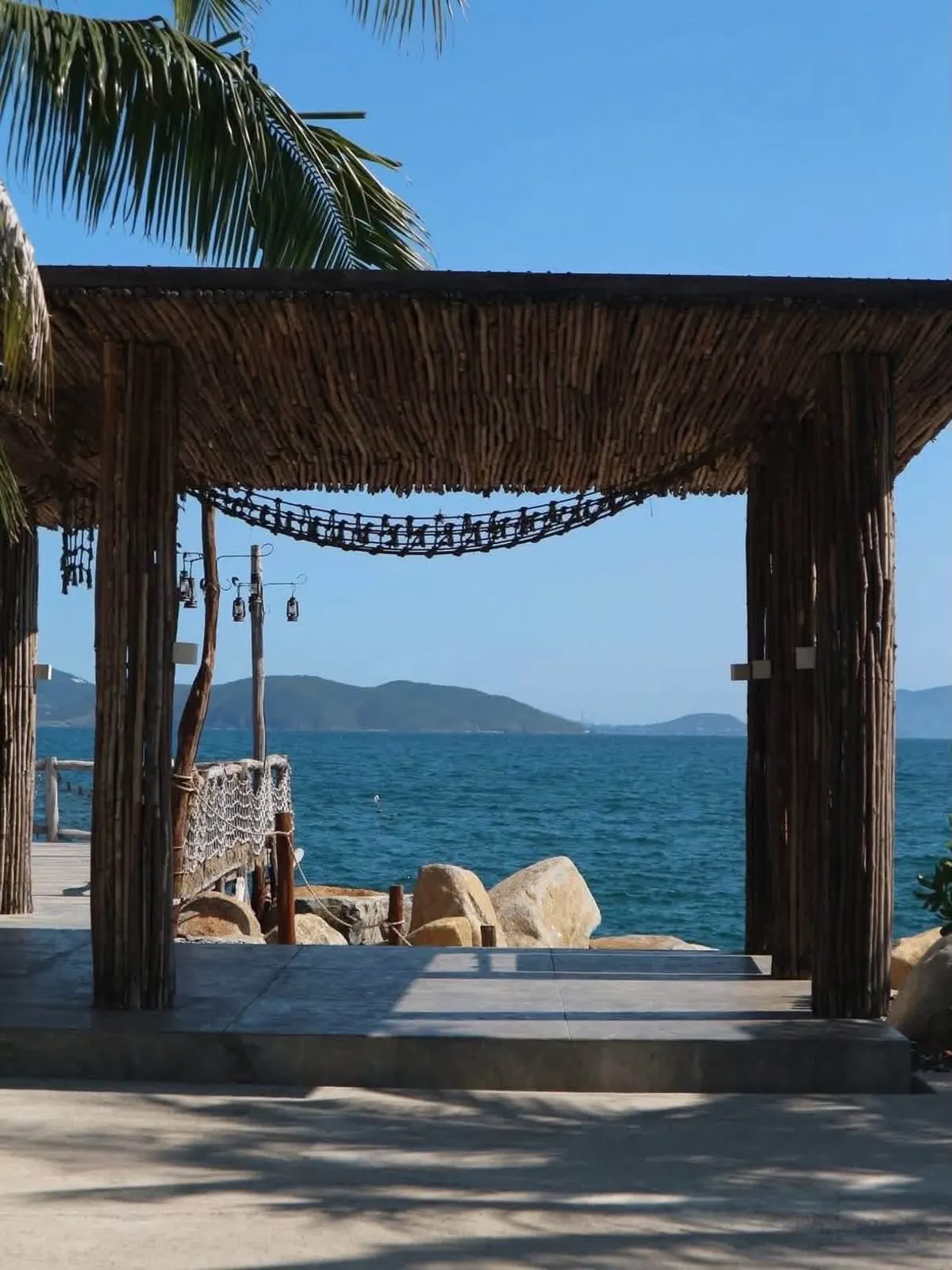
Nha Trang, a prominent coastal destination in Vietnam, has introduced a temporary halt to scuba diving activities in specific areas, most notably around Hon Mun Island. This decision aims to safeguard the region's coral reefs and broader marine environment, which have experienced significant degradation in recent years. The restrictions reflect a commitment to preserving the ecological integrity of Nha Trang Bay while promoting responsible tourism.
The coastal areas of Vietnam, extending over 3,000 kilometers, have historically supported extensive scuba diving operations. However, the consequences of unregulated activities, combined with environmental stressors, have led to substantial harm to the marine ecosystems in locations like Nha Trang. The new regulations are a direct response to these concerns, prioritizing the long-term health of the underwater world.
Understanding the Scuba Diving Halt at Hon Mun Island
Hon Mun Island, a well-known site for marine tourism in Nha Trang, is the primary focus of the recently enforced scuba diving restrictions. Authorities in Khanh Hoa Province announced on June 21, 2022, a noticeable reduction in coral coverage around the island. This prompted the temporary cessation of diving to allow for marine ecosystem recovery.
Nha Trang Bay spans approximately 250 square kilometers and holds recognition as one of Vietnam's sixteen designated marine ecosystem reservations. It is celebrated for its diverse coral species and rich marine life, attracting numerous visitors interested in underwater exploration. Despite its protected status, the area has faced severe ecological challenges, necessitating immediate conservation actions.
Factors Contributing to Coral Decline in Nha Trang
The significant decrease in coral reefs at Hon Mun Island, from an estimated 50% coverage to merely 10% over the past seven years, is attributed to a combination of natural and human-induced factors. Hundreds of square meters of coral have suffered severe damage, with some areas exhibiting widespread bleaching.
Environmental changes, including notable storms that occurred between 2019 and 2021, are considered major contributors to the coral degradation. Additionally, human activities have exerted considerable pressure on the marine environment. These include unauthorized fishing practices, dredging operations, coastal construction projects that do not adhere to regulations, and the discharge of waste associated with tourism activities. These combined stressors have led to extensive coral mortality across Nha Trang Bay.
| Category | Contributing Factors to Coral Decline | Measures for Marine Protection |
|---|---|---|
| Environmental | Climate change impacts, severe storms (2019-2021) | Long-term climate resilience strategies, ecosystem monitoring |
| Human Activity | Illegal fishing, unregulated dredging, non-compliant coastal construction, waste discharge from tourism | Strict enforcement against illegal activities, regulated development, improved waste management, sustainable tourism policies |
| Ecological Status | Coral reef coverage decreased from 50% to 10% in 7 years at Hon Mun Island | Temporary diving prohibition, expert-led rehabilitation programs, public awareness campaigns |
Government Response and Sustainable Tourism Initiatives
In response to the widespread coral mortality, the Standing Provincial Party Committee of Khanh Hoa has mandated stringent protection of the marine environment at Hon Mun Island. The local government is required to collaborate with experts to develop and implement rapid rehabilitation solutions for the damaged reefs. This includes exploring approaches that integrate community involvement and private sector participation in conservation efforts.
The directive emphasizes that all tourism, service, and entertainment activities within Nha Trang Bay must align with the objectives of marine ecosystem protection. This shift promotes a more responsible approach to tourism, ensuring that visitor experiences do not compromise the natural heritage of the region. Travelers seeking to understand more about local services, including medical care, might find information on healthcare services in Nha Trang and Khanh Hoa Province useful for their trip planning.
Visitors to Nha Trang are encouraged to support these administrative policies by engaging in practices that minimize their environmental impact. Choosing tour operators committed to ecological preservation and adhering to local guidelines are crucial steps. While scuba diving is restricted in certain areas, other forms of marine appreciation that do not disturb sensitive habitats may still be available, such as snorkeling in designated zones or boat tours that focus on observation rather than direct interaction with fragile ecosystems. Exploring other coastal areas of Vietnam, like Halong Bay's beaches, can also offer alternative experiences for those interested in Vietnam's marine beauty.
Implications for Travelers and Future Activities
For individuals planning a trip to Nha Trang with an interest in underwater activities, it is essential to verify the current status of diving restrictions. These measures are temporary and subject to change based on the recovery of the marine environment. Travelers should consult official local tourism boards or reputable tour operators for the most up-to-date information regarding permitted activities.
The focus on sustainable tourism aims to ensure that Nha Trang remains an appealing destination for future generations. This involves a balance between allowing visitors to experience the region's natural beauty and implementing necessary protections. Engaging with local culture and supporting businesses that prioritize environmental responsibility contributes positively to these efforts. When considering what to bring back from your trip, remember to look for essential souvenirs and unique purchases from Vietnam that support local artisans and sustainable practices.
Frequently Asked Questions
What is the primary reason for the scuba diving restrictions in Nha Trang?
The main reason for the restrictions is the severe degradation and destruction of coral reefs and the broader marine ecosystem, particularly around Hon Mun Island. Authorities aim to allow these critical habitats to recover.
Which specific area is most affected by the diving ban?
Hon Mun Island is the primary location where scuba diving activities have been temporarily halted due to significant coral damage.
What factors contributed to the coral reef decline in Nha Trang?
Factors include natural events like severe storms between 2019 and 2021, as well as human activities such as illegal fishing, dredging, non-compliant coastal construction, and the discharge of waste from tourism.
How long will the scuba diving restrictions be in place?
The restrictions are temporary, implemented to facilitate the rehabilitation of the marine environment. The duration will depend on the progress of conservation efforts and the recovery of the coral reefs. Travelers should check current regulations before visiting.
How can visitors still enjoy Nha Trang's marine environment responsibly?
Visitors can support sustainable tourism by choosing eco-conscious tour operators, adhering to local environmental guidelines, and participating in activities like snorkeling in approved areas, or boat tours focused on observation rather than direct interaction with sensitive ecosystems.








