
A two-week period allows for a thorough exploration of Vietnam, encompassing its historical cities, tranquil rural areas, coastal regions, and significant cultural sites. This 14-day itinerary guides travelers from the northern capital of Hanoi, through the central heritage zones of Hue and Hoi An, and concludes in the southern hub of Ho Chi Minh City, offering a balanced view of the nation's varied geography and traditions.
Planning Your 14-Day Vietnam Journey
This itinerary is structured to provide a comprehensive experience of Vietnam's key regions within a two-week timeframe. It balances historical and cultural visits with opportunities to appreciate natural scenery and local life. The journey begins in the north, proceeds through the central part of the country, and concludes in the south, utilizing domestic flights to maximize sightseeing time.
The suggested route prioritizes a logical flow, minimizing travel time between destinations while ensuring sufficient time at each location. Travelers will encounter a range of experiences, from the ancient traditions of Hanoi to the modern energy of Ho Chi Minh City, alongside the natural wonders of Ha Long Bay and the historical depth of Hue and Hoi An.
Northern Vietnam Highlights: Hanoi, Ninh Binh, and Ha Long Bay
Day 1: Arrival in Hanoi
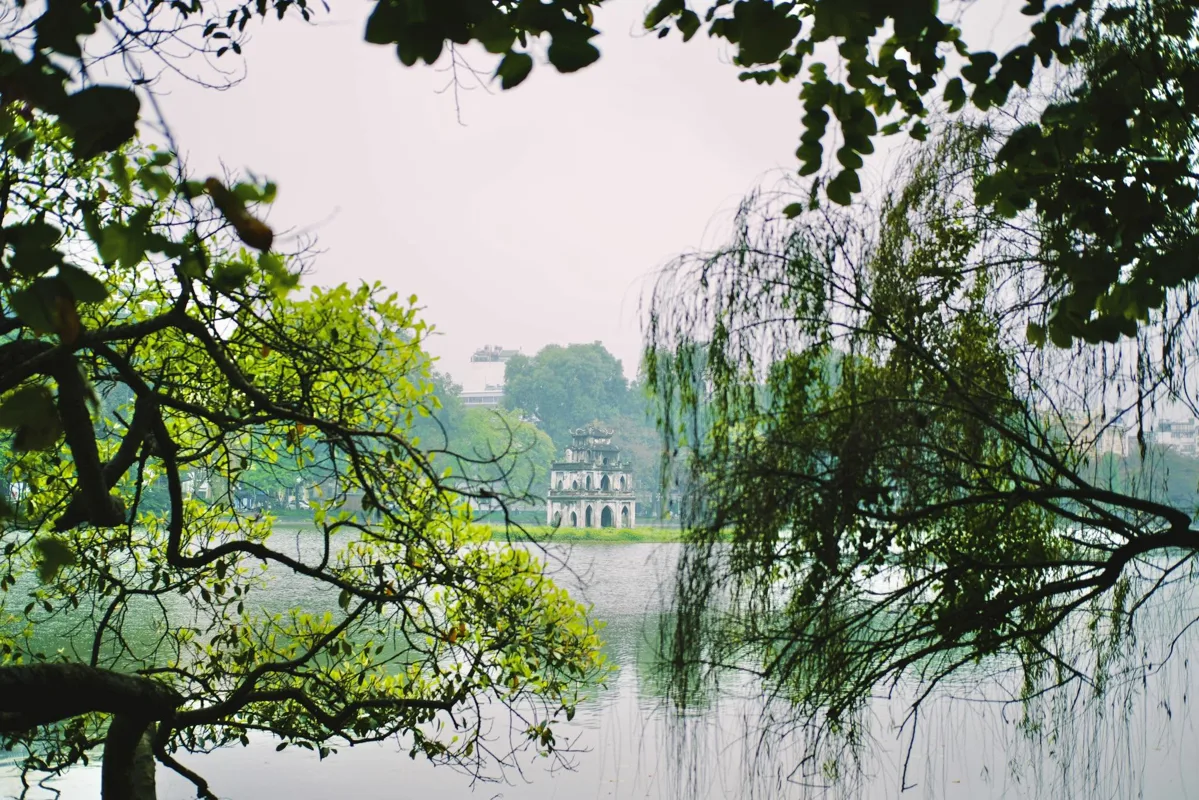
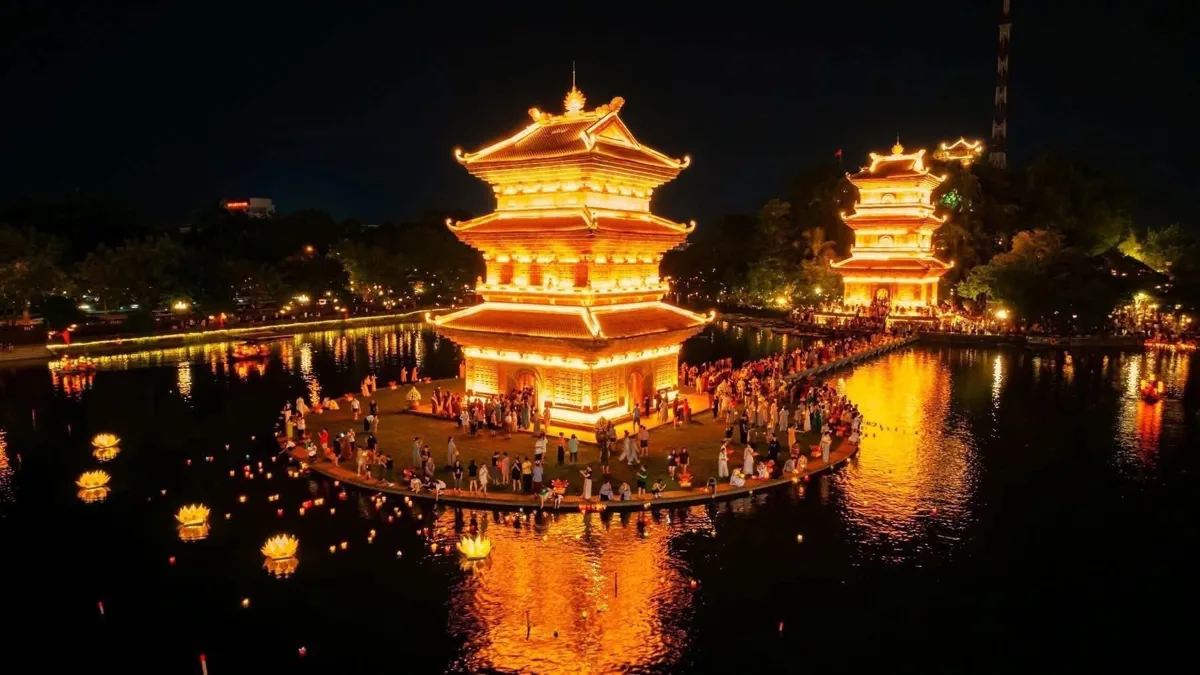
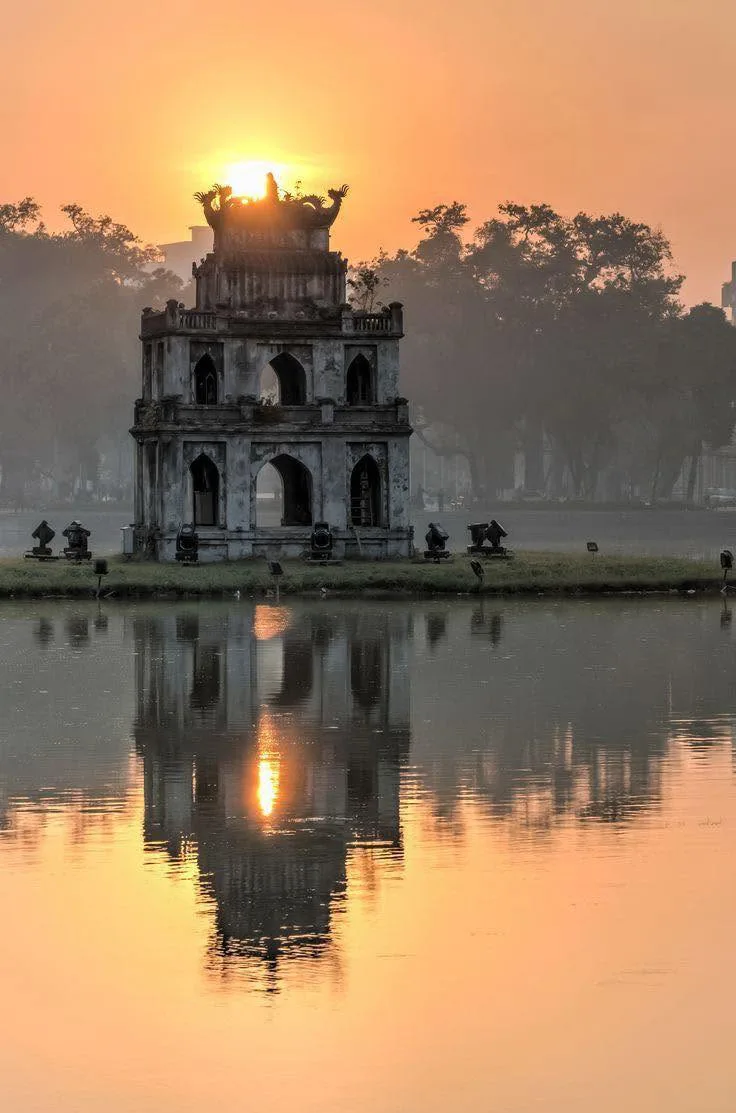
Upon arrival in Hanoi, Vietnam's capital city, settle into your accommodation. The initial hours can be spent exploring the Old Quarter's lanes, experiencing the local street life. A stroll around Hoan Kiem Lake and a visit to Ngoc Son Temple offer a calm introduction. The Old Quarter provides opportunities to sample local dishes such as pho, banh mi, or bun cha.
Day 2: Cultural Exploration in Hanoi
Dedicate the second day to Hanoi's historical and cultural sites. Begin with a visit to the Ho Chi Minh Mausoleum to honor the nation's revered figure. Nearby, the One Pillar Pagoda and Presidential Palace are significant points of interest. The Temple of Literature, established as a university in 1070, showcases traditional Vietnamese architecture and scholarly history. An evening performance of a water puppet show at Thang Long Theater offers a cultural experience.
Day 3: Day Trip to Ninh Binh (Tam Coc)
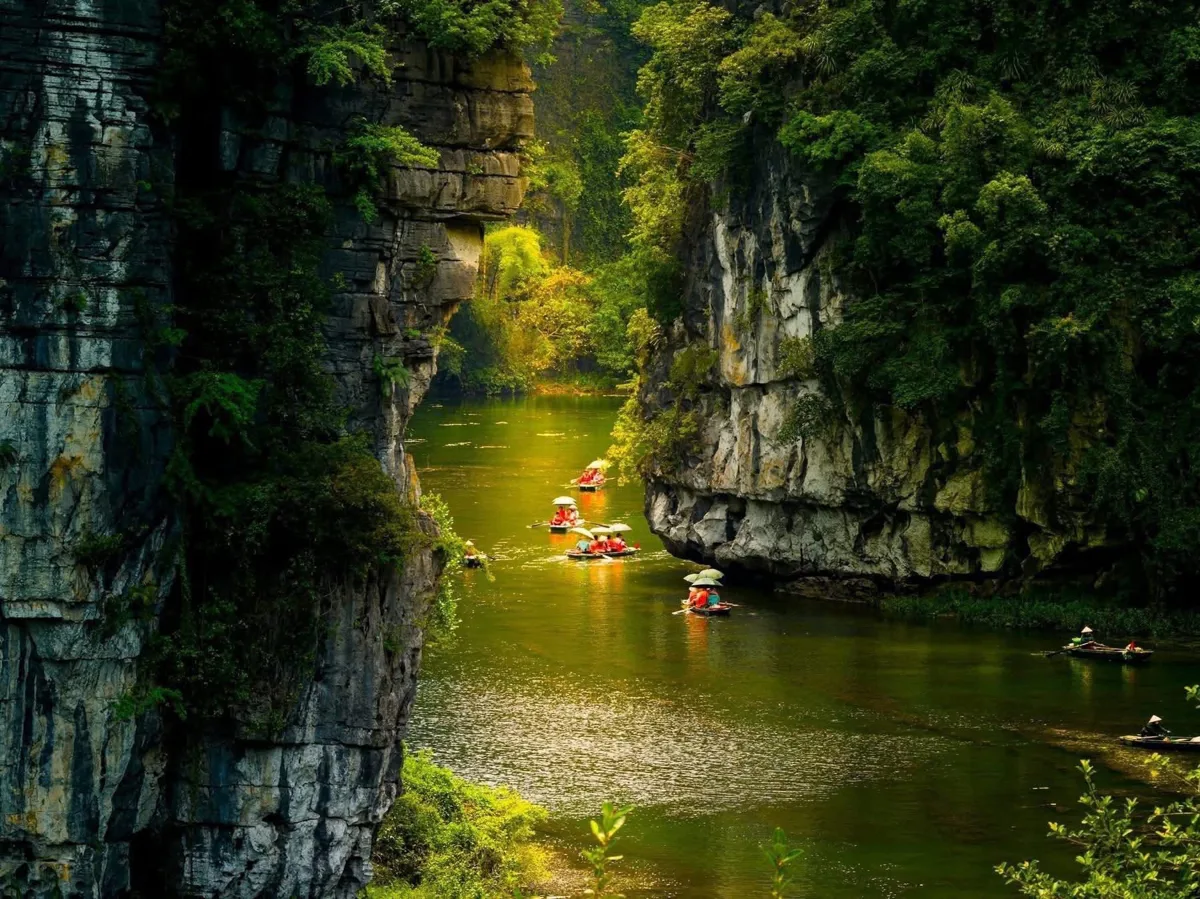
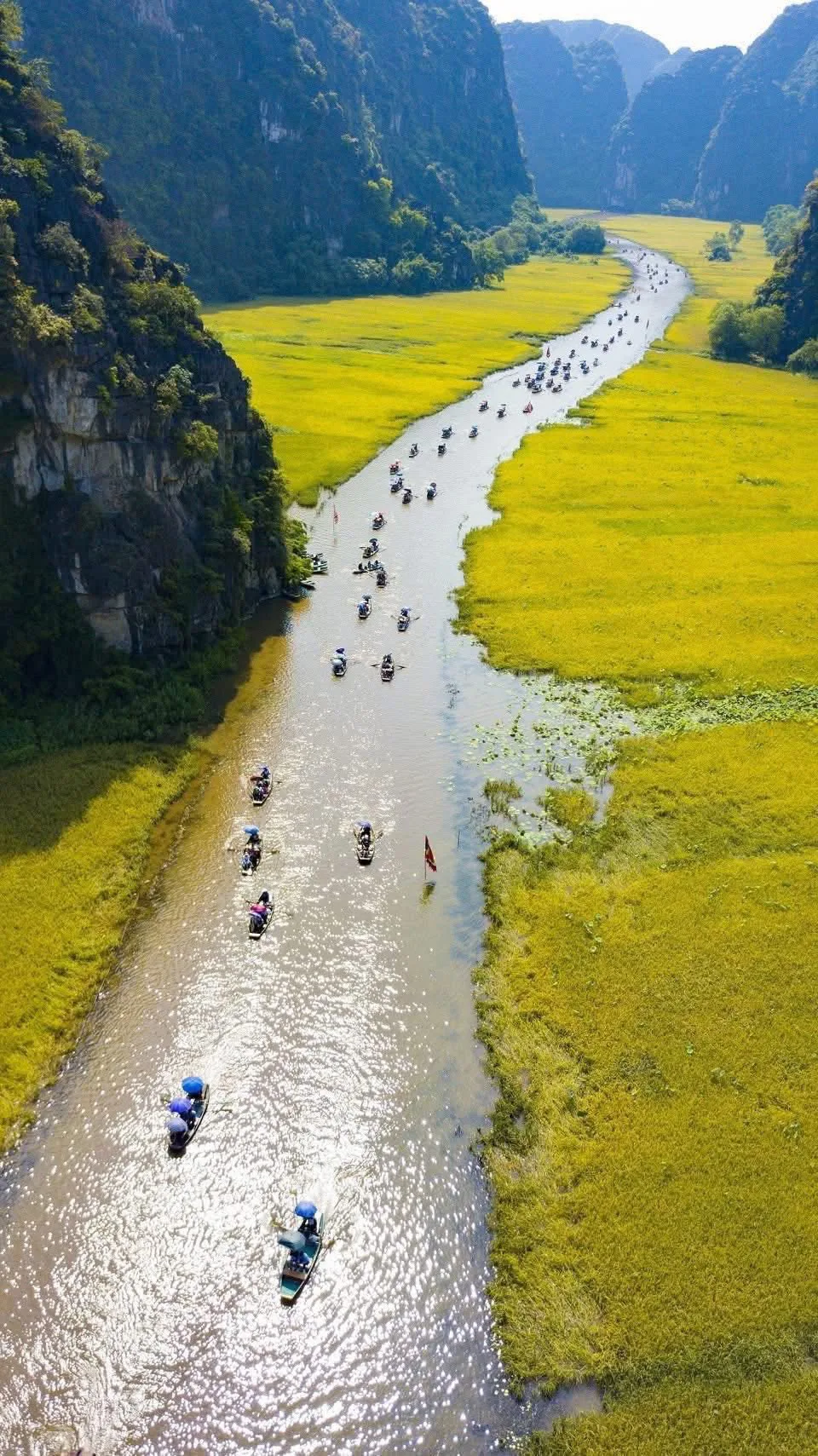
A day excursion to Ninh Binh, often referred to as “Ha Long Bay on land,” is a popular option, approximately two hours from Hanoi. Activities in Tam Coc include a boat journey through waterways surrounded by limestone formations and rice fields. Visitors can ascend to Bich Dong Pagoda, situated within the cliffs. For those seeking elevated perspectives, a climb to Mua Cave provides extensive views of the landscape.
Day 4: Ha Long Bay Cruise
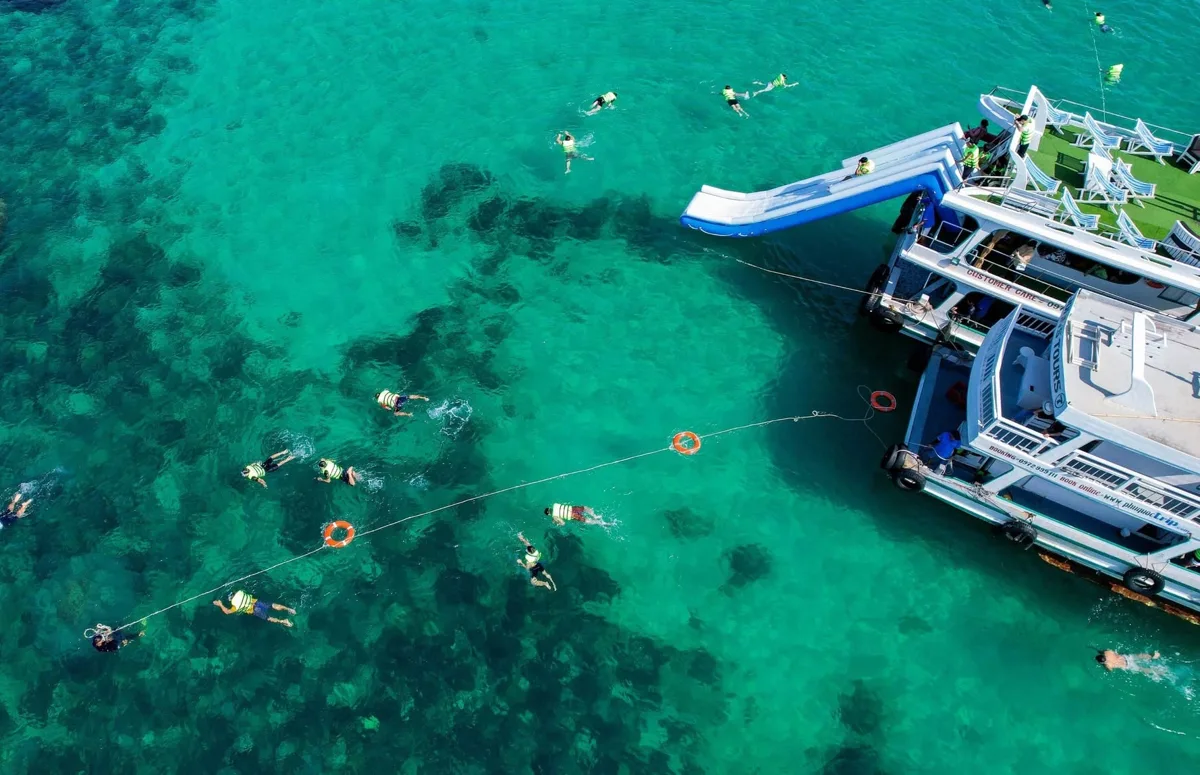
Travel to Ha Long Bay, about three hours from Hanoi, for an overnight boat excursion. The cruise typically involves navigating the bay's waters, with stops at caves such as Sung Sot (Surprise Cave) and Thien Cung (Heavenly Palace Cave). While exploring the bay, visitors might also consider areas like Halong Bay's best beaches for leisure. Opportunities for kayaking or swimming are often available, or guests may simply prefer to unwind on the vessel. The evening includes a meal as the sun sets, followed by a night spent on the water amidst the distinctive rock formations.
Day 5: Return to Hanoi and Flight to Hue
Following the morning activities on the bay, return to Hanoi in the afternoon. From there, take a domestic flight to Hue in central Vietnam, a journey of approximately one hour. The evening can be spent unwinding and exploring Hue's riverside areas.
Central Vietnam's Heritage: Hue and Hoi An
Day 6: Hue's Ancient Sites
Hue, once the imperial seat, offers a rich historical experience. The Imperial Citadel, a large complex that housed the Nguyen Dynasty, includes the Forbidden Purple City. Thien Mu Pagoda, a prominent riverside temple, offers views of the Perfume River. Further exploration can include the elaborate Tombs of the Emperors, such as those of Tu Duc and Khai Dinh, known for their detailed construction and serene settings.
Day 7: Explore the Hue Countryside
Dedicate a day to the Hue countryside, perhaps by bicycle, visiting the Thanh Toan Bridge and nearby villages. This offers a glimpse into rural life, with routes through rice paddies and opportunities to interact with local agricultural workers. Conclude the time in Hue with a peaceful boat trip on the Perfume River.
Day 8: Transfer to Hoi An via Da Nang
Travel by car from Hue to Hoi An, a journey of about three hours. The route often includes a stop at Hai Van Pass for coastal vistas. Before reaching Hoi An, consider exploring Da Nang's Marble Mountains. Upon arrival in Hoi An, an evening walk through the illuminated ancient town, a visit to the Japanese Covered Bridge, and a meal by the river are common activities.
Day 9: Discover Hoi An's Ancient Town
A full day in Hoi An can be dedicated to its historical center. Points of interest include the Phuc Kien Assembly Hall, traditional residences, and local marketplaces. Hoi An is also known for its tailor shops, where custom clothing can be commissioned, making it a prime location for unique purchases and souvenirs. Participating in a cooking class offers insight into preparing Vietnamese cuisine, such as fresh spring rolls or banh xeo.
Day 10: Hoi An's Countryside and Beaches
Explore the areas surrounding Hoi An, perhaps cycling to Tra Que Village, an organic farming community where visitors can observe traditional agricultural methods. Afterward, leisure time can be spent at An Bang Beach, enjoying the sand or a seafood meal by the shore.
Day 11: My Son Sanctuary
A half-day excursion to My Son Sanctuary, a UNESCO World Heritage site, reveals remnants of the Cham civilization from the 4th to 14th centuries. The temple structures are situated within a verdant valley, offering insight into the Hindu cultural impact on the region. The afternoon allows for further relaxation in Hoi An or at the beach.
Southern Vietnam Exploration: Ho Chi Minh City and the Mekong Delta
Day 12: Fly to Ho Chi Minh City (Saigon)
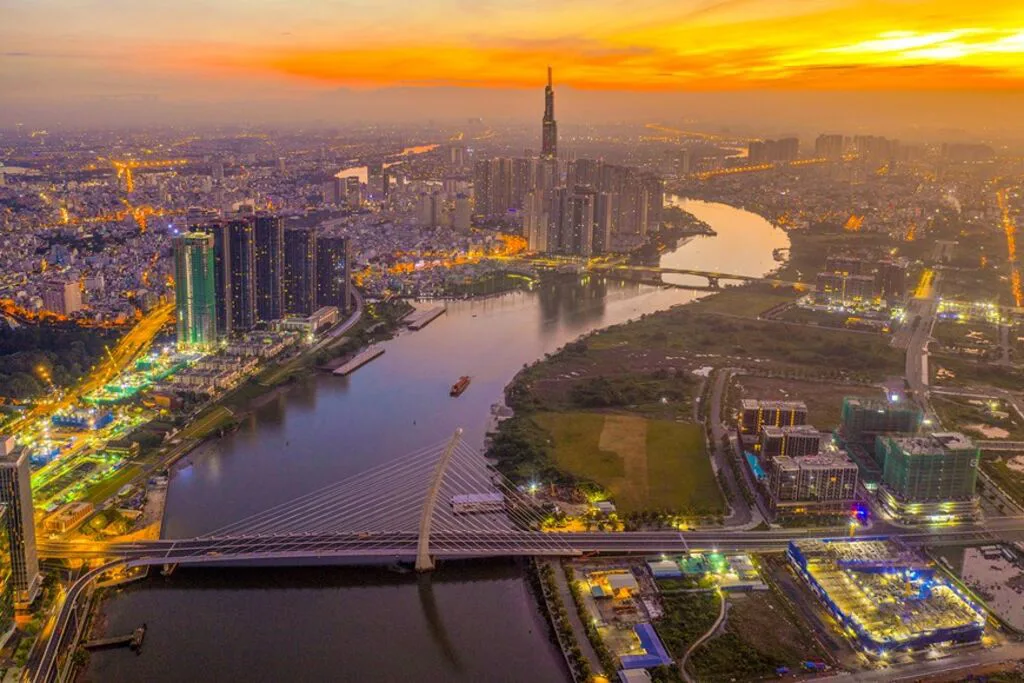
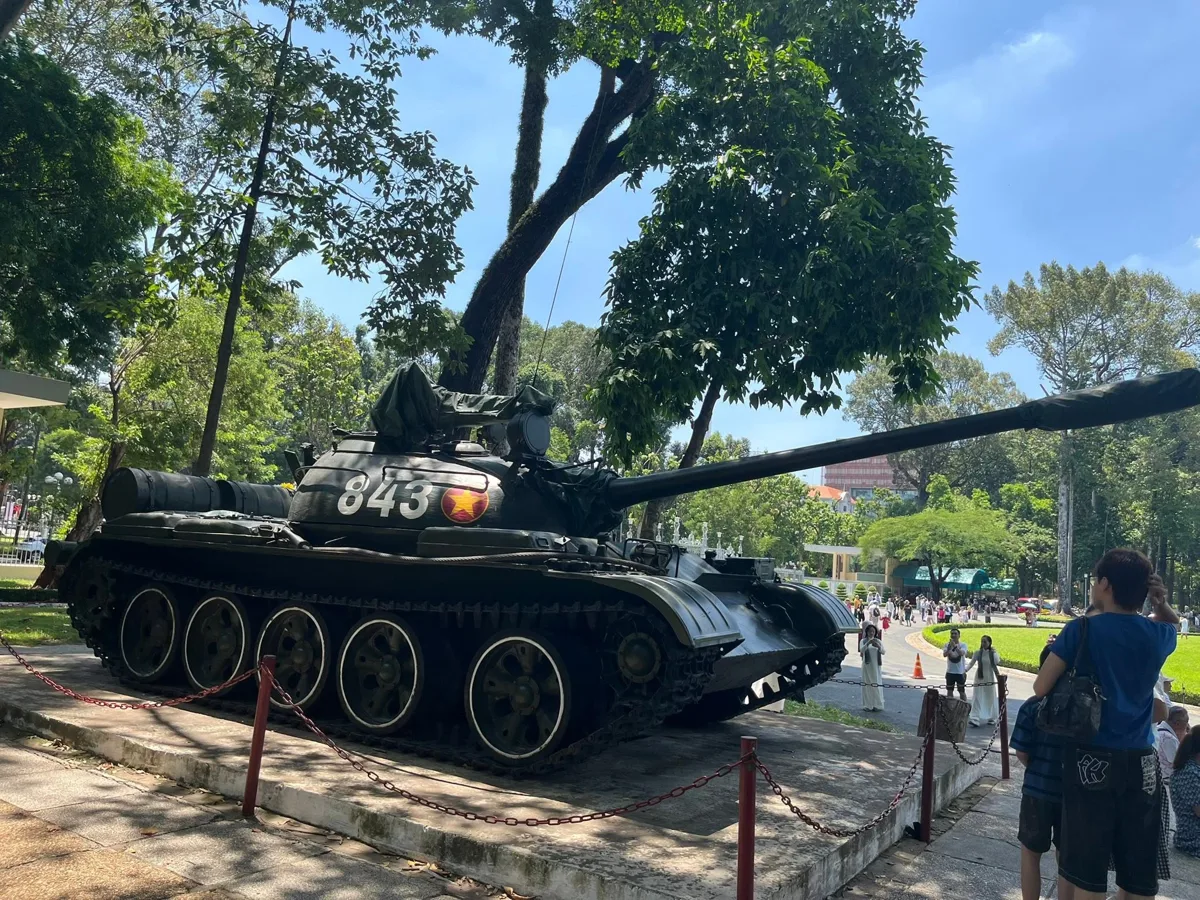
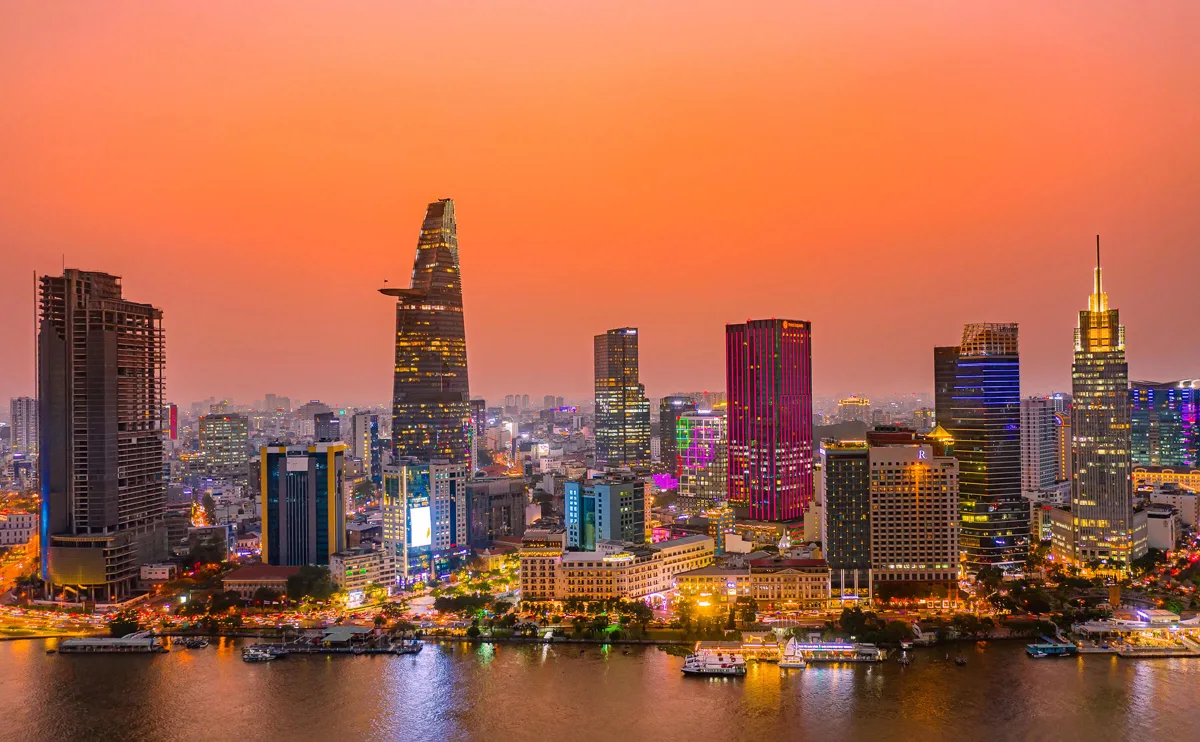
Travel by air from Da Nang to Ho Chi Minh City, a flight of approximately 1.5 hours. Upon reaching this southern urban center, points of interest include the War Remnants Museum, which presents exhibits on the Vietnam War. The Reunification Palace, where the conflict concluded in 1975, is another significant site. French colonial architecture can be observed at Notre-Dame Cathedral and the Central Post Office. For dinner, Ben Thanh Market offers a selection of southern Vietnamese cuisine, such as com tam or banh xeo.
Day 13: Mekong Delta Day Trip
A day trip to the Mekong Delta, known for its agricultural productivity, is a common activity from Ho Chi Minh City (about two hours away), with destinations like My Tho or Ben Tre. This typically involves a boat journey along the delta's channels, past fruit orchards and houses on stilts. Stops at local villages demonstrate the production of goods like coconut candy and rice paper. For those staying overnight or visiting early, floating markets provide a glimpse into local commerce.
Day 14: Cu Chi Tunnels and Departure
The final morning can be spent at the Cu Chi Tunnels, an extensive subterranean system utilized during the Vietnam War. Visitors can learn about its historical significance and, if desired, navigate sections of the tunnels. The afternoon offers a final opportunity to explore Ho Chi Minh City's streets or purchase souvenirs before proceeding to the airport for departure.
Practical Travel Advice for Vietnam
Planning a trip to Vietnam involves considering several practical aspects to ensure a smooth journey. Efficient transportation, understanding local customs, and preparing for varied climates are key elements for a rewarding experience.
Domestic flights are recommended for efficient travel between major cities like Hanoi, Hue, Da Nang, and Ho Chi Minh City. Within urban areas, taxis or ride-hailing applications like Grab offer convenient transit. For smaller towns, bicycles or motorbikes are suitable for local movement. Vietnam's climate varies regionally; the north experiences cooler winters, while the south remains warm throughout the year, necessitating appropriate packing. Most international visitors require a visa for entry; checking e-visa eligibility is advisable. It is practical to carry Vietnamese Dong (VND) for small purchases, street food, and local transport. For more detailed information on managing your finances, consider our guide on banking services in Hanoi.
Key Destinations and Activities Overview
| Region/City | Key Attractions | Recommended Activities |
|---|---|---|
| Hanoi | Old Quarter, Hoan Kiem Lake, Ho Chi Minh Mausoleum, Temple of Literature | Street food exploration, water puppet show |
| Ninh Binh | Tam Coc, Bich Dong Pagoda, Mua Cave | Boat rides, scenic hikes |
| Ha Long Bay | Limestone karsts, Sung Sot Cave, Thien Cung Cave | Overnight cruise, kayaking, swimming |
| Hue | Imperial Citadel, Thien Mu Pagoda, Emperor's Tombs | Riverside walks, countryside cycling |
| Hoi An | Ancient Town, Japanese Covered Bridge, Phuc Kien Assembly Hall | Tailoring, cooking classes, beach relaxation |
| Ho Chi Minh City | War Remnants Museum, Reunification Palace, Notre-Dame Cathedral, Central Post Office | Market dining, historical tours |
| Mekong Delta | Waterways, fruit orchards, local villages | Boat trips, local product demonstrations |
| Cu Chi Tunnels | Underground network, historical exhibits | Tunnel exploration |
Frequently Asked Questions
What is the ideal duration for a first trip to Vietnam?
A two-week period is generally considered suitable for a first-time visit to Vietnam, allowing travelers to experience the primary highlights of the northern, central, and southern regions without feeling rushed. This timeframe enables a balanced itinerary that includes cultural sites, natural landscapes, and historical landmarks.
What are the primary modes of transportation between cities in Vietnam?
For inter-city travel in Vietnam, domestic flights are the most time-efficient option, connecting major hubs like Hanoi, Da Nang, Hue, and Ho Chi Minh City. Overnight trains and long-distance buses are also available for those preferring ground travel, offering a different perspective on the country's scenery.
Is a visa necessary for entry into Vietnam?
Most foreign nationals require a visa to enter Vietnam. It is advisable to check the specific visa requirements for your nationality well in advance of your trip. Many countries are eligible for an e-visa, which can be applied for online, simplifying the entry process.
What currency is used in Vietnam, and how should I manage my money?
The official currency of Vietnam is the Vietnamese Dong (VND). It is recommended to carry some local currency for smaller purchases, street food, and local transportation. ATMs are widely available in urban areas, and credit cards are accepted at many hotels and larger establishments.
What kind of weather conditions can be anticipated in Vietnam?
Vietnam's climate varies significantly by region. Northern Vietnam experiences distinct seasons, with cooler temperatures in winter (November to April) and hot, humid summers. Central Vietnam often has dry, warm weather from January to August, with a rainy season from September to December. Southern Vietnam maintains a consistently warm climate year-round, with a dry season from November to April and a wet season from May to October.