Unlocking Indochina: Your Definitive Guide to Seamless Multi-Country Travel Between Vietnam, Laos, and Cambodia
Embarking on an overland expedition through the heart of the Indochina peninsula promises an unparalleled journey through ancient civilizations, breathtaking landscapes, and vibrant cultures. From the bustling energy of Hanoi to the serene temples of Luang Prabang, and the majestic ruins of Angkor, these three nations offer an unforgettable tapestry of experiences. However, navigating the practicalities of cross-border travel – especially for first-timers – can seem daunting. At enjoyvietnamtravel.com, our two decades of hands-on experience, orchestrating journeys for more than 100,000 international visitors, have equipped us with unparalleled insights. This in-depth guide demystifies the process, transforming potential logistical hurdles into part of your seamless adventure, ensuring you travel with confidence and clarity. To truly master the art of traveling between Vietnam, Laos, and Cambodia, you need a clear understanding of visa requirements, reliable transportation options, border crossing etiquette, and even the unique realities of motorbike travel. While flying offers speed and convenience, regional buses, scenic speedboats, and multi-country overland loops provide deeper cultural immersion and often more cost-efficient transit. We're here to equip you with the expertise and trustworthy insights necessary for a smooth, enriching, and memorable Indochina exploration, leveraging our extensive on-the-ground knowledge.The Optimal Itinerary Flow for Multi-Country Exploration
For an ideal two to three-month itinerary through the region, the most logical and climatically favorable flow typically begins in northern Vietnam during the cooler dry months, tracks southward, and then loops through Cambodia before ascending through Laos. This route minimizes backtracking, aligns with seasonal weather patterns, and allows for a natural progression through diverse landscapes and cultural experiences.[North Vietnam] ──> [South Vietnam] ──> [Cambodia] ──> [Southern Laos] ──> [Northern Laos]
- Phase 1: Vietnam (3–4 Weeks): Begin your adventure in the vibrant capital of Hanoi, immersing yourself in its rich history and culinary delights. Explore the ethereal karst landscapes of Ha Long Bay, trek through the terraced rice paddies of Sapa, then journey south. Discover the imperial history of Hue, the charming ancient town of Hoi An, before reaching the dynamic Ho Chi Minh City and the intricate waterways of the Mekong Delta. This progression allows you to experience Vietnam's diverse topography and cultural nuances.
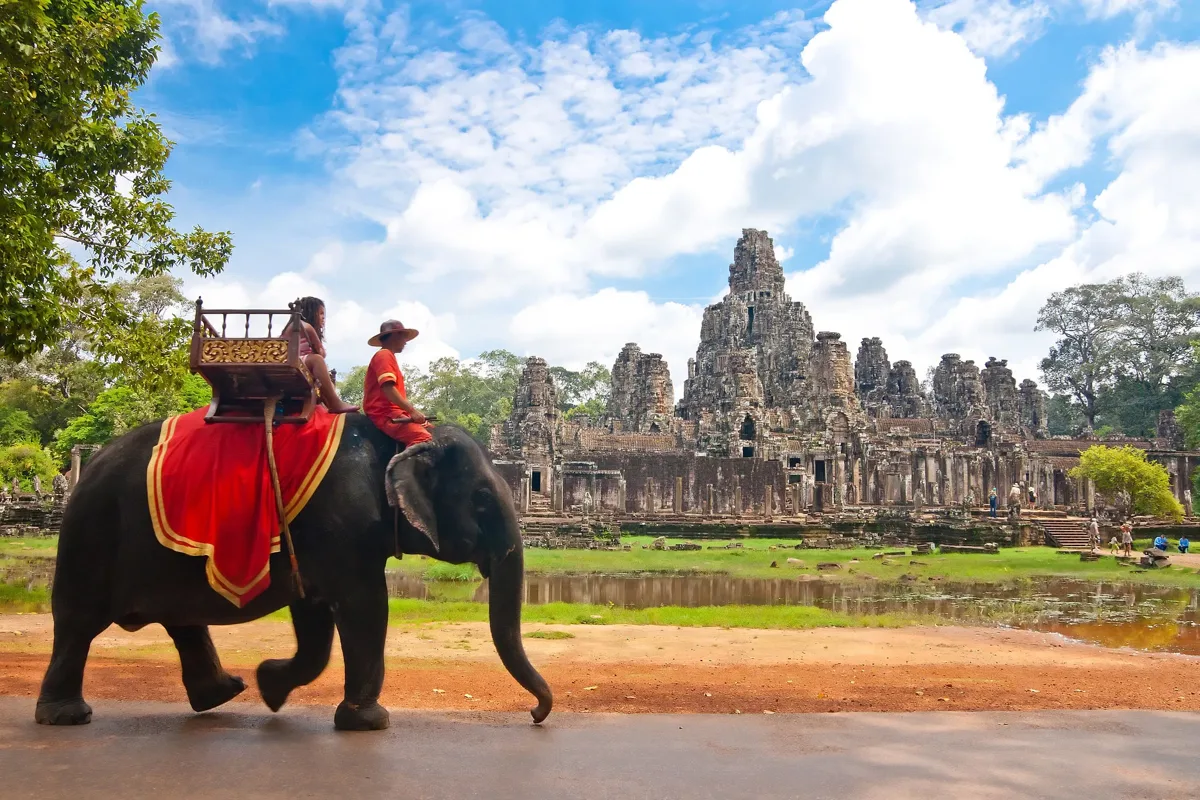
- Phase 2: Cambodia (2–3 Weeks): From southern Vietnam, cross into Cambodia. Explore the poignant history and royal grandeur of Phnom Penh, then head north to marvel at the awe-inspiring temples of Angkor in Siem Reap, a UNESCO World Heritage site. This phase offers a blend of historical reflection and architectural wonder.
- Phase 3: Laos (2–3 Weeks): Continue your journey by crossing from northern Cambodia into southern Laos, immersing yourself in the tranquil beauty of Pakse and the 4,000 Islands (Si Phan Don), a true riverine paradise. Travel north through the laid-back capital Vientiane, the adventure hub Vang Vieng, and finally, the spiritual heart of Luang Prabang, another UNESCO gem known for its temples and saffron-robed monks.
For more detailed itinerary planning across the entire region, explore our comprehensive Indochina travel Vietnam Cambodia Laos pillar page, offering customizable options based on your interests and timeframe.
Key Overland Routes and Transportation Infrastructure
Choosing the right transit method is crucial and depends heavily on your budget, time constraints, and desired level of comfort and immersion. Below is a vetted breakdown of the primary operational corridors connecting these three fascinating nations, informed by our extensive experience.1. Traveling Between Vietnam and Cambodia
- Ho Chi Minh City to Phnom Penh (VIP Bus): This is the most popular and efficient overland route, typically taking 6 to 7 hours and costing between $12 and $18 USD. Reputable companies like Giant Ibis or Mekong Express offer high-quality sleeper or reclining seat buses equipped with air conditioning, Wi-Fi, and onboard restrooms, ensuring a comfortable journey. The primary border crossing for this route is Moc Bai (Vietnam) to Bavet (Cambodia).
- Mekong Delta (Chau Doc or Ha Tien) to Phnom Penh (Speedboat): For a more scenic and unique experience, consider a speedboat journey from the Mekong Delta. From Chau Doc, this river journey lasts 4 to 5 hours ($25–$40 USD) and offers the convenience of immigration formalities processed directly along the riverbank at the Vinh Xuong (Vietnam) – Kaam Samnor (Cambodia) border. From Ha Tien, you can also take a bus to the border, cross, and then take another bus or taxi to coastal towns like Kep/Kampot or further to Phnom Penh.
- Ho Chi Minh City to Siem Reap (Overnight Bus): If you're heading directly to Angkor Wat, some overnight bus services connect Ho Chi Minh City directly to Siem Reap, taking 12-13 hours and costing $25-$35 USD. This route also typically uses the Moc Bai – Bavet border. While long, it saves a day of travel.
- Hanoi to Phnom Penh (Direct Flight): For those with limited time or skipping southern Vietnam, daily direct flights via Vietnam Airlines or Cambodia Angkor Air take roughly 2 hours and cost $80–$120 USD, offering a swift connection between the capitals.
2. Traveling Between Cambodia and Laos
- Siem Reap to Pakse (Direct Bus): This 10-to-12-hour journey ($30–$45 USD) is the most common overland link between northern Cambodia and southern Laos. It crosses the international boundary at the Veun Kham (Laos)–Dong Kalor (Cambodia) border checkpoints. Be prepared for a long day of travel, often involving a bus change at the border.
- Phnom Penh to Vientiane (Direct Flight): Lao Airlines operates daily direct flights connecting the two capitals in approximately 1.5 hours ($100–$150 USD), offering a quick alternative to lengthy overland travel, especially for those prioritizing comfort and speed.
3. Traveling Between Vietnam and Laos
- Hanoi to Vientiane (Direct Flight): We highly recommend avoiding the grueling 24-hour mountain bus rides between these two capitals. Instead, opt for a comfortable 1-hour direct flight via Vietnam Airlines or Lao Airlines ($70–$110 USD). The mountainous terrain and winding roads make overland travel between these two points particularly arduous.
- Hue to Savannakhet (Overland Bus): For travelers looking for a more off-the-beaten-path experience, an 8-to-10-hour bus route ($18–$25 USD) connects Hue in central Vietnam to Savannakhet in central Laos. This crossing occurs via the Lao Bao (Vietnam)–Dansavanh (Laos) border, offering a glimpse into rural life.
Cross-Border Transit Cost Comparison Table
| Route | Mode of Transport | Average Duration | Estimated Cost (USD) | Border Crossing Point |
|---|---|---|---|---|
| Ho Chi Minh City → Phnom Penh | Sleeper Bus | 6–7 Hours | $12 – $18 | Moc Bai – Bavet |
| Chau Doc → Phnom Penh | Speedboat | 4–5 Hours | $25 – $40 | Vinh Xuong – Kaam Samnor |
| Ho Chi Minh City → Siem Reap | Overnight Bus | 12–13 Hours | $25 – $35 | Moc Bai – Bavet |
| Siem Reap → Pakse | Direct Bus | 10–12 Hours | $30 – $45 | Veun Kham – Dong Kalor |
| Hanoi → Vientiane | Flight | 1 Hour | $70 – $110 | HAN Airport to VTE Airport |
| Hue → Savannakhet | Local VIP Bus | 8–10 Hours | $18 – $25 | Lao Bao – Dansavanh |
Essential Visa and Passport Logistics for Indochina
A minor paperwork oversight can bring your journey to a grinding halt at remote jungle checkpoints. Ensure your travel portfolio satisfies the following parameters before booking any cross-border transit. Our experience shows that preparedness is key to avoiding unnecessary stress.Passport Validity
- Your passport must possess at least 6 months of remaining validity from your date of entry into each country and contain a minimum of 3 entirely blank visa pages for stamps. This is a non-negotiable requirement across the region.
Vietnam Entry Requirements
- Travelers from the US, Canada, and Australia must obtain an electronic visa (e-visa) or a formal letter of approval prior to arrival. The official portal for Vietnam e-visas is the Vietnam Immigration Portal. Certain European passport holders (including UK citizens) receive a 15-day visa-free exemption, though this policy can change, so always verify closer to your departure date on the official government website or through your embassy.
Cambodia & Laos Entry Requirements
- Visas on Arrival (VoA) are widely available to most Western passport holders at primary international airports and major overland checkpoints. They typically cost approximately $35 USD. While convenient, ensure you have the exact cash and required documents ready.
💡 Pro-Tip: Exact Cash and Passport Photos
Always carry two passport-sized photographs and the exact visa fee in clean, uncreased US Dollar bills. Border stations rarely accept credit cards or torn foreign currency. Keep a few small USD bills ($1–$3) loosely in your pocket to handle nominal "stamping fees" or "administrative charges" sometimes requested at the windows. While these aren't official fees, it's often easier to pay a small amount to avoid lengthy delays, especially at less-frequented crossings.
Motorbike Travel: The Realities of Cross-Border Adventures
Riding a motorcycle across the mountains of Laos or Vietnam is a bucket-list dream for many, offering unparalleled freedom and immersion. However, the legal framework and logistical challenges for cross-border motorbike travel are strict and often misunderstood. Based on our extensive experience, we urge travelers to understand these complexities fully.Important Disclaimers from EnjoyVietnamTravel.com
Please note: Border crossing rules, especially for motorbikes, can change randomly and without official notice. We are not a border or visa company, and while we share our extensive experience, any information provided might not be current. Always verify the latest regulations closer to your travel date with official sources or specialized agencies.
EnjoyVietnamTravel.com (and our partners like Tigit Motorbikes) no longer *rents* motorbikes for border crossings due to the complexities involved. However, we do offer a unique "sell and buy back" scheme for experienced riders planning multi-country adventures, mitigating some of the risks for our clients.
Motorbike Capacity Restrictions
- An unwritten but strictly enforced rule dictates that you can only cross borders with a motorbike of 150cc or below. While some specialized tour companies might manage to bypass this for larger bikes with significant paperwork and fees, it's generally not possible for independent travelers.
Specific Motorbike Border Crossings
- Vietnam-Laos: The Na Meo border is currently the *only* known operational border for motorbikes between Vietnam and Laos for independent travelers. Exiting Vietnam into Laos is generally fine, but re-entering Vietnam from Laos with a foreign-plated bike can be more difficult due to Vietnamese customs regulations.
- Vietnam-Cambodia: The Moc Bai border (approximately 2 hours from Ho Chi Minh City) and the Ha Tien border (in the south, near Phu Quoc) are your most reliable options for both entering and exiting Vietnam with a motorbike. Other Vietnam-Cambodia borders are not typically used for motorbike crossings by independent travelers and may lead to significant delays or denial of entry.
- Laos-Cambodia: While no one our partners know has ever failed to cross this border with a motorbike, it's not always straightforward. Historically, it involved an unofficial boat service to transport bikes across a river while travelers completed border formalities on foot. Expect some improvisation and be prepared for potential minor "fees."
- Thailand: Crossing into or out of Thailand with a Vietnamese-plated motorbike has not been genuinely possible for independent travelers in over a decade due to strict Thai import/export regulations for vehicles.
EnjoyVietnamTravel.com's Motorbike Buyback Scheme
For those committed to a multi-country motorbike adventure, our partners offer a "sell and buy back" model designed to provide peace of mind and flexibility:
- We sell you one of our older, well-maintained rental bikes (typically a Honda XR or similar robust model) at a set price. These bikes are chosen for their reliability and ease of repair in the region.
- Upon your return to Vietnam, we buy the bike back from you. The buyback price is the original sale price minus what the rental cost would have been for the duration you had the bike. For example, if you bought a bike for $1,000 and the equivalent rental cost for your trip duration was $400, we would buy it back for $600. This transparent system ensures fair pricing.
- This system incentivizes owners to be more proactive in managing their bikes, as rental clients sometimes abandon bikes in other countries, posing significant recovery challenges for us.
- We sell only bikes we believe can complete the journey and offer a warranty. However, once you leave Vietnam, our ability to provide direct support is significantly limited due to language barriers and logistical complexities in Laos and Cambodia.
- Servicing our Vietnamese bikes in Cambodia and Laos is generally possible, as local mechanics are skilled, especially for common models like the Honda XR. We've never had a customer experience a "holiday-stopping breakdown" in another country that couldn't be resolved locally.
Bringing Foreign Bikes into Vietnam
- Crucially, only motorbikes with Vietnamese number plates are permitted to enter Vietnam. If you are traveling the world on your own foreign-plated bike (e.g., Cambodian, Lao, or Western registration), you will be unable to bring it into Vietnam. This is a strict customs regulation.
- The easiest workaround, though not ideal for global travelers, is to temporarily rent a Vietnamese-plated bike from a company like ours for your journey through Vietnam, and then return to your personal bike afterward.
Legality and Insurance Implications
- Licensing Laws: To legally operate any motorcycle above 50cc in Vietnam, you must hold a validated Vietnamese driving license. It is impossible to secure this license on a standard tourist visa, as it requires a minimum three-month residency status. Similar restrictions may apply in Laos and Cambodia. An International Driving Permit (IDP) is often required but is not a substitute for a local license in terms of legal validity for bikes over 50cc.
- Insurance Implications: Operating a motorcycle without a locally recognized and valid license (which often means a local license, not just an IDP) will invalidate standard international travel insurance policies. If you are involved in an accident, you will be personally liable for all medical and property costs, which can be substantial. If you choose to ride locally, ensure you hold an International Driving Permit (IDP) alongside your domestic motorcycle endorsement, always wear a helmet, and strictly adhere to local traffic laws.
Navigating Border Crossings: Etiquette & Scam Prevention
Overland border hubs, such as Moc Bai (Vietnam-Cambodia) or Veun Kham (Laos-Cambodia), can appear chaotic and overwhelming. Navigating them successfully requires patience, awareness, and a proactive mindset. Our experience has taught us these practical tips.Practical Tips for a Smooth Crossing
- Keep Your Luggage Close: Touts and unauthorized "helpers" may offer to carry your bags across the border line for a fee. Politely but firmly decline and keep your luggage in sight at all times to prevent theft or unexpected charges.
- Never Hand Over Your Passport to Touts: Deal exclusively with uniformed immigration officers sitting directly behind official glass counters. Independent fixers claiming they can fast-track your stamp are frequently running scams and may hold your passport hostage or charge exorbitant fees.
- Bus Company Bulk Processing: On established international bus routes, the bus conductor will often gather all passengers' passports to present collectively to the border officials. This is a standard regional time-saving practice. Stay near your driver, listen for your name to be called, step forward for fingerprint verification, and retrieve your passport directly from the official.
- Be Prepared and Organized: Most border "problems" stem from travelers being unprepared. Have all your documents (passport, printed e-visas, visa approval letters, backup passport photos, cash) readily accessible and in order. While minor "stamping fees" might be requested, being organized and firm often helps avoid excessive demands. Avoid exchanging currency at borders, as rates are typically unfavorable; use ATMs in cities instead.
Arrival Logistics: From Bus to City Center
International buses frequently terminate at regional transit centers located several miles outside city centers. You will often step off the bus into a crowd of competing tuk-tuk and taxi drivers, all vying for your business.Strategy for Onward Travel
- Download Offline Maps: Before arriving, download an offline navigation map (like Maps.me or Google Maps offline) so you know your exact location and the distance to your accommodation. This helps you gauge fair prices.
- Utilize Ride-Hailing Apps: In major cities like Ho Chi Minh City, Phnom Penh, or Vientiane, ride-hailing apps such as Grab (Vietnam, Cambodia) or PassApp (Cambodia) offer transparent pricing and safety. If available, walk a short distance away from the immediate bus terminal chaos to hail a ride.
- Negotiate Firmly: If a driver's quote seems unreasonably high, decline firmly and begin walking toward the main road. Drivers will often follow you to negotiate a fair, discounted price. Always agree on the price *before* starting the journey.
- Share a Ride: Alternatively, team up with fellow passengers heading in the same direction to split the cost of a tuk-tuk or taxi, making it more economical and often safer.
The Master Packing Checklist for Overland Inter-City Travel
When spending long hours on cross-border buses, speedboats, or local trains, packing efficiently in your daypack makes a significant difference to your comfort and readiness. This checklist is honed from years of traveler feedback.- Primary Travel Portfolio: Passport, printed e-visas/visa approval letters, backup passport photos, a pen (essential for arrival/departure cards), and photocopies/digital scans of all important documents stored separately (e.g., cloud storage, email).
- Hard Cash Reserves: A mix of clean, uncreased US Dollars (small denominations like $1, $5, $10, $20) for visas and border fees, along with some regional currencies: Vietnamese Dong (VND), Cambodian Riel (KHR), and Lao Kip (LAK) for immediate expenses upon arrival.
- Electronics & Connectivity: A high-capacity power bank to keep navigation apps and phones operational during long journeys, a universal travel adapter, and your essential charging cables. Consider a local SIM card for reliable data.
- Modest Attire: A lightweight scarf or sarong, or long pants to cover shoulders and knees, which is mandatory when entering immigration offices, temples, and other religious sites. Pack comfortable, breathable clothing suitable for tropical climates.
- Climate Protection: A packable rain jacket or poncho, broad-spectrum sunscreen, a wide-brimmed hat, and high-strength insect repellent (with DEET or Picaridin).
- Hydration & Comfort: A reusable water bottle to utilize filtration stations at rest stops and on premium tour buses, reducing plastic waste. A travel pillow and eye mask can greatly enhance comfort on long journeys.
- Basic First-Aid Kit: Small antiseptic wipes, band-aids, pain relievers (e.g., ibuprofen), anti-diarrhea medication (e.g., Imodium), rehydration salts, and any personal prescription medications (with a doctor's note if necessary).
Climate and Seasonality: Optimizing Your Indochina Adventure
The overland transport networks of Indochina are highly dependent on seasonal weather patterns, making timing a key factor in your planning. Understanding the climate will enhance your travel experience and minimize disruptions.Dry Season (November to April)
- This is the absolute prime window for implementing a multi-country road trip. Unpaved rural routes in southern Laos and Cambodia remain firm and easily traversable, temperatures hover comfortably between 20°C and 30°C, and boat schedules operate reliably. Expect larger crowds and higher prices, especially around Christmas and Lunar New Year, so book accommodation and popular tours well in advance.
Shoulder Months (May and October)
- These months offer excellent windows for value-driven travelers. You will encounter far smaller crowds at major border hubs and popular sites, though afternoon downpours begin to dictate minor transport modifications. Humidity starts to rise, but prices for accommodation and tours are generally lower. The landscape begins to green up beautifully, offering lush scenery without the full intensity of the monsoon.
Wet Monsoon Season (June to September)
- During this period, the landscape transforms into a brilliant emerald green, but rural dirt roads are prone to washouts, flooding, and significant delays. Stick to short-haul flights or established paved highway corridors if traveling during these months. While challenging for overland, it's a great time for lush scenery, fewer tourists, and often lower prices, appealing to budget-conscious travelers or those seeking a more tranquil experience.
Embark on Your Indochina Journey with Confidence
By meticulously mapping out your visa requirements in advance, keeping small USD denominations readily on hand, and choosing reliable transport corridors, navigating the borders of Vietnam, Laos, and Cambodia becomes an unforgettable highlight of your journey rather than a logistical hurdle. Our two decades of experience have shown us that with proper preparation, you can traverse its borders with confidence and ease, unlocking a rich tapestry of experiences waiting to be discovered. Ready to plan your unforgettable Indochina adventure? Don't let the logistics deter you. Contact enjoyvietnamtravel.com for personalized itineraries and expert advice tailored to your travel style and preferences. We're here to ensure your journey is as seamless and enriching as possible, providing the trustworthy guidance you need for an authentic Indochina exploration.Frequently Asked Questions About Indochina Cross-Border Travel
Here are answers to some common questions to further assist your planning:
Q1: Is it safe to travel overland between Vietnam, Laos, and Cambodia?
A: Yes, generally it is safe. Millions of tourists travel overland each year without incident. The key is to use reputable bus companies, be aware of your surroundings at border crossings, and follow official procedures. Petty theft can occur, so always keep valuables secure and never hand your passport to unofficial individuals.
Q2: How much money should I budget for visa fees?
A: For most Western passports, expect to pay approximately $35 USD for a Visa on Arrival in Cambodia and Laos. Vietnam e-visas typically cost around $25 USD. Always carry the exact amount in clean, uncreased US dollars, as credit cards are rarely accepted and change may not be available.
Q3: Can I use my international driving license for motorbike travel in these countries?
A: While an International Driving Permit (IDP) is recommended and often required by rental companies, it is generally not legally recognized for operating motorbikes over 50cc in Vietnam, Laos, or Cambodia without an accompanying local license. This means that legally, you may not be fully covered by insurance if an accident occurs. Always check the latest local regulations and understand the risks involved.
Q4: What's the best way to avoid scams at border crossings?
A: The best defense against scams is preparedness and vigilance. Always deal directly with uniformed immigration officials at official counters. Never hand your passport to touts or unofficial "helpers." Have all your documents and exact visa fees ready. If asked for extra "fees" beyond the official visa cost, politely but firmly inquire for an official receipt. Often, being organized and firm is enough to deter opportunistic requests.
Q5: Is it better to book cross-border transport in advance or locally?
A: For popular routes and during peak season (November-April), booking major international bus routes (e.g., Ho Chi Minh City to Phnom Penh) a few days in advance is advisable, either online or through reputable local travel agencies. For shorter, more flexible routes or during the shoulder/low season, you can often book locally a day or two before departure. Flights should always be booked in advance for the best prices.