The Ultimate 3-Week Journey Through Vietnam, Laos, and Cambodia: An Indochina Odyssey
Three weeks in Southeast Asia's captivating Indochina region is not just a trip; it's an immersive odyssey. This meticulously crafted 21-day itinerary, designed by the travel experts at enjoyvietnamtravel.com, offers the perfect balance of vibrant city exploration, serene cultural immersion, awe-inspiring ancient wonders, and luxurious island relaxation. It’s an experience for those who seek meaningful encounters and a deeper understanding of these three distinct yet interconnected nations. Forget rushing from one landmark to the next. Our journey is engineered for discovery, allowing you to truly connect with the soul of Vietnam, the spiritual heart of Laos, and the ancient grandeur of Cambodia. You'll wander through lantern-lit ancient towns, cycle through tranquil artisan villages, cruise the mighty Mekong at sunrise, and conclude your adventure on one of Southeast Asia's most exclusive tropical islands. This is more than sightseeing; it’s about experiencing the diverse tapestry of Indochina at a comfortable, enriching pace.Your Indochina Adventure at a Glance
Wondering if three weeks is truly enough to capture the essence of Vietnam, Laos, and Cambodia? Absolutely. Twenty-one days allows for a comfortable exploration of each country's unique highlights, avoiding the whirlwind pace of many standard tours.| Route Flow | Countries | Total Duration |
|---|---|---|
| Vietnam → Laos → Cambodia | Vietnam, Laos, Cambodia | 21 Days |
Recommended Budget (Per Person, Excluding International Airfare)
Your budget will vary based on your preferred travel style, but these estimates provide a clear picture for a well-balanced itinerary including quality accommodations, guided experiences, and comfortable transportation:
| Travel Style | Daily Budget | Total for 21 Days |
|---|---|---|
| Budget | US$90–140 | US$1,900–3,000 |
| Mid-range | US$180–280 | US$3,800–5,800 |
| Premium | US$350–550 | US$7,000–11,000 |
| Luxury | US$700+ | US$15,000+ |
Budget Inclusions: Hotels, domestic flights, regional flights, entrance fees, guided tours, most meals, airport transfers.
Exclusions: International airfare, personal shopping, optional activities not specified.
Best Months to Visit Indochina
While this itinerary is enjoyable year-round, certain months offer more favorable weather conditions across all three nations:
| Month | Typical Conditions | Recommendation |
|---|---|---|
| November | Cool and dry | Excellent |
| December | Pleasant, mild | Excellent |
| January | Mild temperatures | Excellent |
| February | Comfortable across all three countries | Excellent |
| March | Warm with low rainfall | Excellent |
| April | Hot, especially inland | Good |
| May–October | Mixed weather with regional rains | Suitable with flexibility |
21-Day Indochina Itinerary Overview
Here's a snapshot of your unforgettable journey:
| Days | Destination |
|---|---|
| 1–3 | Ho Chi Minh City, Vietnam |
| 4–6 | Hoi An & Da Nang, Vietnam |
| 7–10 | Hanoi & Hoang Lien Mountains, Vietnam |
| 11–14 | Luang Prabang, Laos |
| 15–18 | Siem Reap & Angkor, Cambodia |
| 19–21 | Song Saa Private Island, Cambodia |
Why This Route Works: A Seamless Indochina Flow
Many travelers instinctively consider starting in Hanoi and moving south. However, beginning your journey in Ho Chi Minh City offers a remarkably smooth transition, especially for long-haul visitors from Europe, Australia, or North America. Ho Chi Minh City's well-connected international airport and lively atmosphere provide an easy entry point to Southeast Asia.
From the dynamic energy of Vietnam's south, the itinerary gradually slows down. You'll experience Vietnam's vibrant urban pulse and rich cultural heritage before transitioning to the tranquil, spiritual rhythms of Laos. Cambodia then unfolds with its monumental archaeological treasures, culminating in a luxurious island escape. This progressive relaxation ensures you feel refreshed and invigorated, rather than exhausted, by the end of your extraordinary trip.
Days 1–3: Ho Chi Minh City – Vietnam's Dynamic Gateway
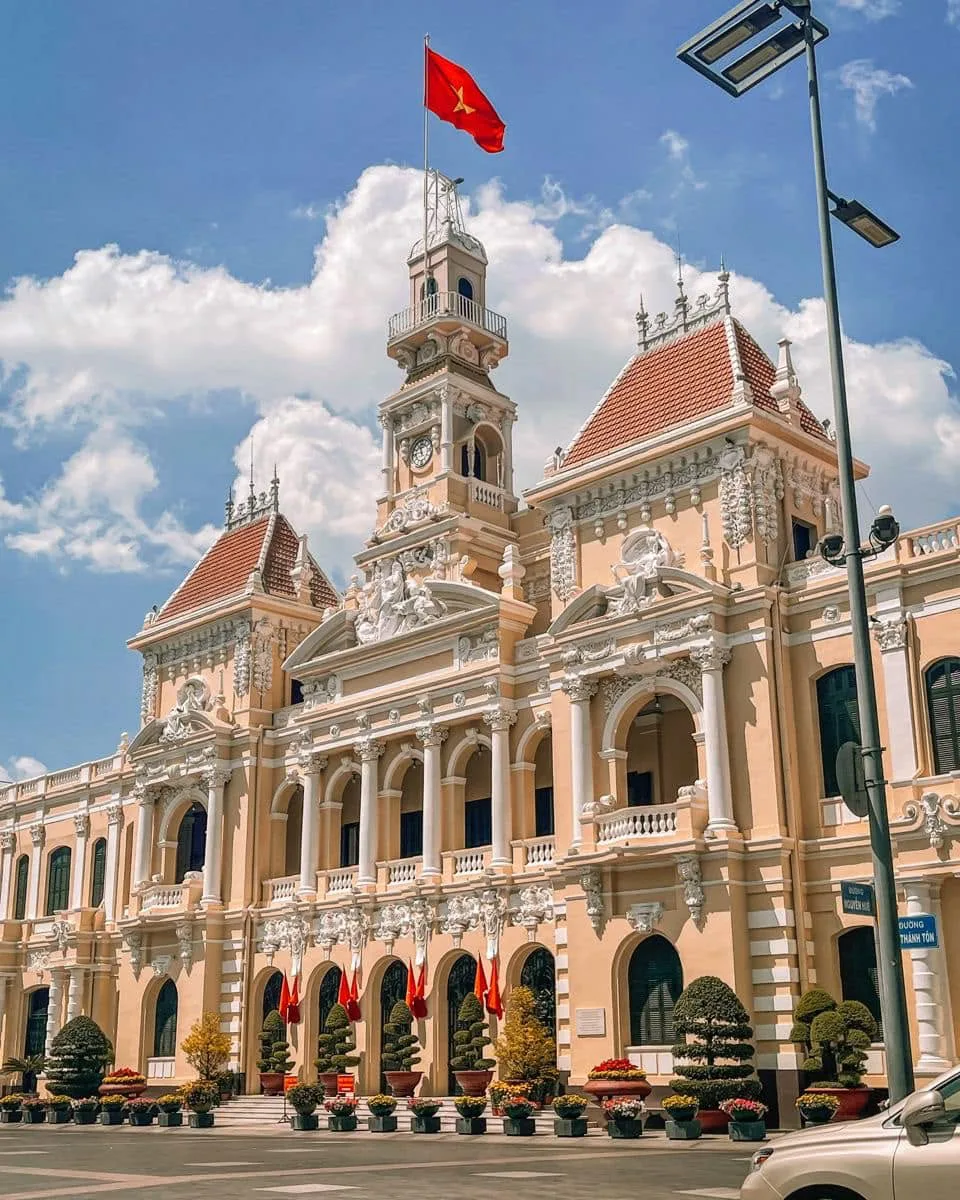
Ho Chi Minh City, often called Saigon, is more than just Vietnam's commercial heart; it's a city of captivating contrasts. Elegant French colonial architecture stands beside bustling hidden alleyway cafes, centuries-old Chinese temples, and one of Asia's most exhilarating street-food scenes. Rather than a rushed tour, these first few days are about soaking in the city's unique neighborhoods at a comfortable pace.
Day 1 – Arrival in Ho Chi Minh City: A Gentle Introduction
Upon arrival at Tan Son Nhat International Airport (SGN), a private transfer will whisk you to your hotel in District 1, placing you within easy reach of the city's main attractions. For your first afternoon, resist the urge to over-schedule. Instead, embrace a relaxed stroll along Nguyen Hue Walking Street, admiring the grandeur of the Central Post Office and the iconic Notre-Dame Cathedral Basilica. As evening descends, find a charming café or a rooftop bar to watch the city lights come alive before indulging in your first authentic Vietnamese dinner.
Local Food to Try in Ho Chi Minh City:
- Bánh Xèo: A crispy, savory pancake filled with shrimp, pork, and bean sprouts.
- Cơm Tấm: "Broken rice" served with grilled pork, a fried egg, and various toppings.
- Bún Thịt Nướng: Vermicelli noodles with grilled pork, fresh herbs, and a savory sauce.
- Vietnamese Coffee: Whether iced with condensed milk (cà phê sữa đá) or hot, it's a must-try.
Where to Stay in Ho Chi Minh City:
- Luxury: The Reverie Saigon, Park Hyatt Saigon
- Premium: Hotel des Arts Saigon, Mai House Saigon
- Boutique: Silverland Jolie, Fusion Suites
Pro Tip: Don't Over-Schedule Your Arrival Day.
Jet lag combined with tropical heat can be more tiring than you expect. A slow evening allows you to adjust and save energy for the exciting experiences ahead.
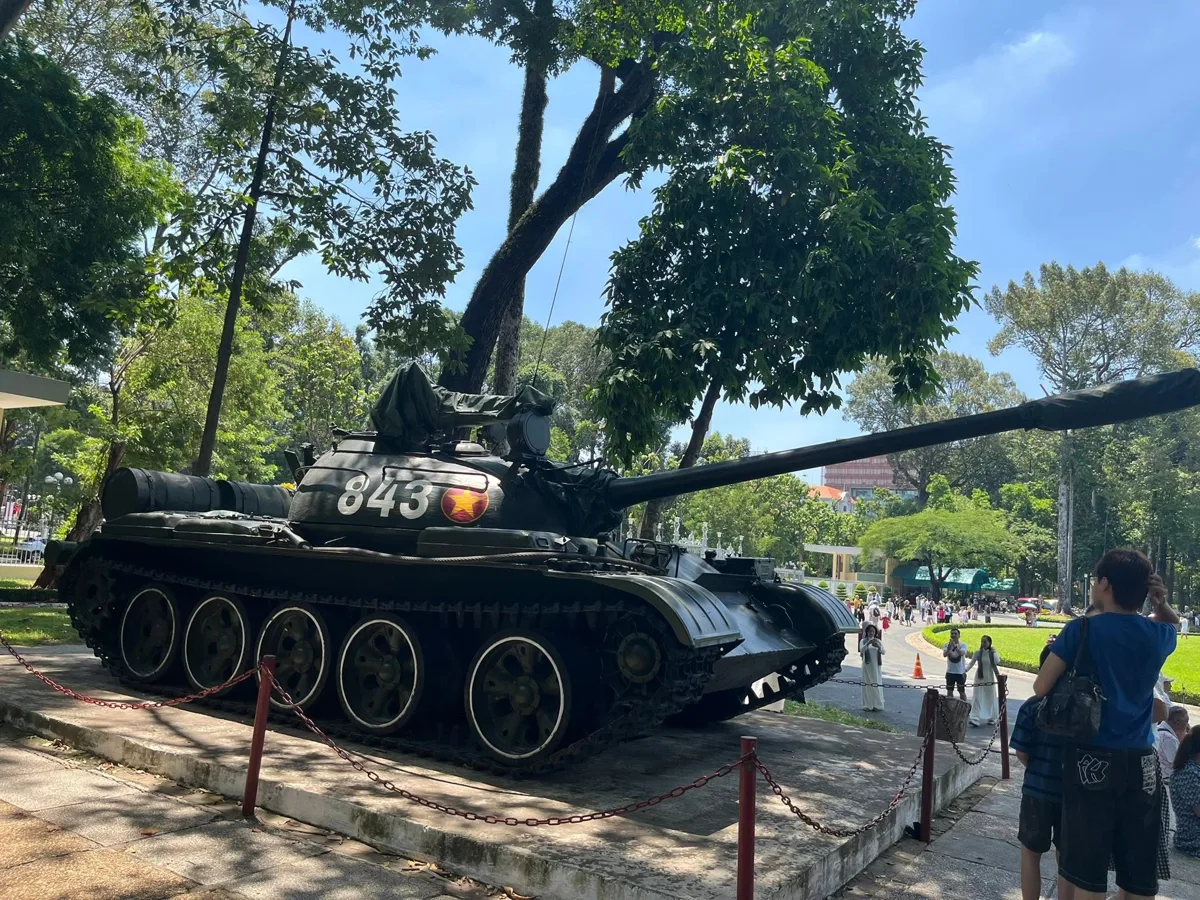
Day 2 – Cu Chi Tunnels by Speedboat & Saigon River Dinner
Escape the city traffic and experience the Cu Chi Tunnels in a unique way: by speedboat along the Saigon River. This journey itself becomes part of the adventure, offering glimpses of riverside villages, fishing boats, and the city's evolving skyline. At the tunnels, hearing firsthand accounts from a Vietnam War veteran provides a profound historical context, transforming your visit into a deeply personal and moving experience – a signature offering from enjoyvietnamtravel.com.
Return to the city in the afternoon with time to relax before an evening of cultural delight. Witness the spectacular AO Show, a mesmerizing blend of contemporary acrobatics and traditional Vietnamese storytelling. Conclude your day with a private dinner cruise along the Saigon River, another exclusive experience designed to offer unparalleled views and tranquility.
Local Insight: Beyond the Tunnels.
While the Cu Chi Tunnels offer a glimpse into Vietnam's wartime history, conversations with those who lived through it provide an invaluable, human perspective that no museum can replicate. It fosters a deeper appreciation for the country's resilience.
Day 3 – Chợ Lớn (Chinatown) and Hidden Saigon
Discover an entirely different side of Ho Chi Minh City in Chợ Lớn, Vietnam's largest Chinatown. Spend your morning exploring flower-filled alleyways, incense-laden temples, traditional herbal medicine shops, and bustling local markets. Chợ Lớn offers a slower, more authentic pace than central District 1, providing excellent opportunities for street photography and genuine local interactions.
After a local lunch, delve into "hidden Saigon" by exploring boutique galleries tucked away in old apartment buildings or discovering secret cafes. Enjoy one final evening in this southern metropolis, perhaps revisiting a favorite street food stall or enjoying a final rooftop cocktail.
Days 4–6: Hoi An & Da Nang – Central Vietnam's Charms
A short flight north brings you to Central Vietnam, where Hoi An offers a delightful contrast to Ho Chi Minh City's urban energy. Here, skyscrapers are replaced by centuries-old merchant houses, and motorbikes give way to lantern-lit streets. This UNESCO-listed Ancient Town, one of Southeast Asia's best-preserved trading ports, exudes a remarkably peaceful atmosphere, especially in the early mornings and evenings.
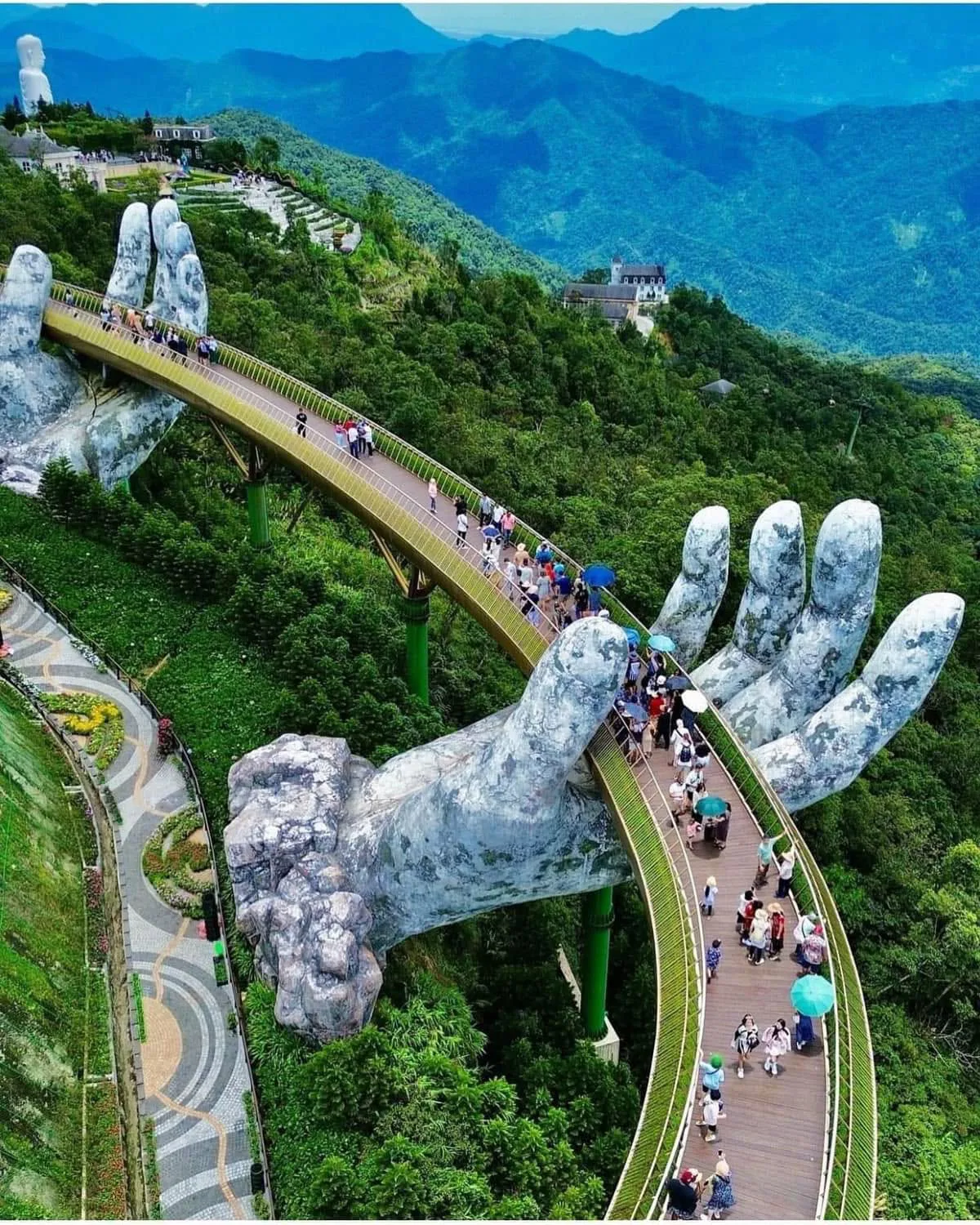
Day 4 – Arrival in Hoi An & Ancient Town Exploration
Spend your afternoon leisurely wandering through Hoi An's UNESCO-listed Ancient Town. Cross the iconic Japanese Covered Bridge, browse artisan boutiques, and visit historic merchant houses that tell tales of a bygone era. Enjoy a Vietnamese coffee by the Thu Bon River, watching local life unfold. As dusk settles, thousands of colorful lanterns illuminate the streets, transforming Hoi An into one of Vietnam's most romantic and memorable evening scenes.
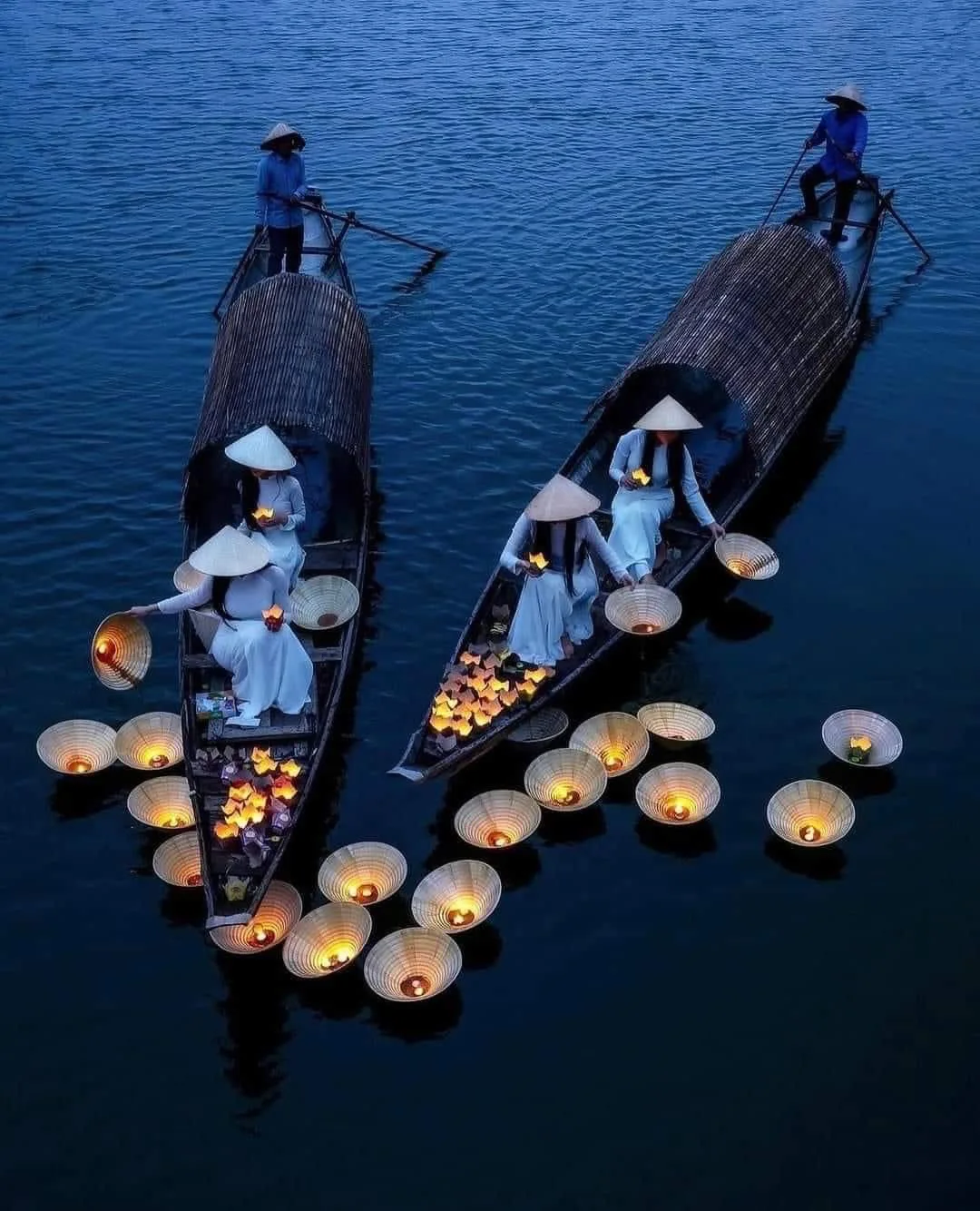
Day 5 – Cam Kim Island & Local Artisan Villages
One of the most rewarding experiences lies just beyond Hoi An's historic center. Cycle across the bridge to Cam Kim Island, a serene escape where local artisans uphold centuries-old traditions of woodworking, mat weaving, and boat building. This authentic cycling excursion, a highlight of our itinerary, allows you to meet craftspeople in their workshops, gaining insight into skills passed down through generations, far removed from tourist souvenir shops.
In the afternoon, you can return to Hoi An for more free time, perhaps getting custom tailoring done, or venture to nearby Da Nang to sample its vibrant street-food scene and relax at a riverside retreat, balancing cultural discovery with coastal tranquility.
Day 6 – Journey to Hanoi: From Central Charm to Northern Capital
Enjoy a final morning in Hoi An or Da Nang, perhaps with a last stroll along the beach or a visit to the Marble Mountains near Da Nang. In the afternoon, you'll transfer to Da Nang International Airport (DAD) for your flight to Hanoi. This travel day marks a significant transition from the central coast to Vietnam's historic northern capital, preparing you for a new set of cultural experiences.
Days 7–10: Hanoi & Hoang Lien Mountains – A Blend of History and Highlands
Hanoi, Vietnam's thousand-year-old capital, presents a rhythm entirely distinct from the south. Its charm lies in narrow streets, faded French villas, hidden temples, and cafes tucked behind unassuming storefronts. This part of your journey then takes you to the dramatic Hoang Lien Mountains, offering a refreshing contrast of cool mountain air, terraced rice fields, and resilient ethnic communities.
Day 7 – Hanoi: Vietnam's Cultural Capital
Settle into a boutique hotel in the Old Quarter or near Hoan Kiem Lake. Begin your exploration on foot, allowing the city's history to unfold. Wander through the French Quarter, admire St. Joseph Cathedral, visit the serene Temple of Literature, and take a leisurely walk around Hoan Kiem Lake to Ngoc Son Temple. Hanoi's streets are a living museum, each specializing in different crafts, from silk to silver, reflecting centuries-old guild traditions.
Must-See Highlights in Hanoi:
- Hoan Kiem Lake & Ngoc Son Temple
- Temple of Literature
- St. Joseph Cathedral & French Quarter
- Hidden coffee houses (seek out the famous Egg Coffee!)
- Weekend Walking Street (Friday–Sunday evenings around Hoan Kiem Lake)
Where to Stay in Hanoi:
- Luxury: Capella Hanoi, Sofitel Legend Metropole, Peridot Grand Luxury Boutique
- Premium: La Siesta Classic, Apricot Hotel, Anatole Hotel
- Boutique: La Nueva Boutique, Hanoi Pearl Hotel
Evening Experience: Private Water Puppet Show
Instead of a crowded public performance, enjoy a private water puppet show, offering an intimate introduction to one of Vietnam's oldest performing arts. Originating from northern Vietnamese rice fields, this unique tradition combines folklore, music, and storytelling, providing a truly exclusive cultural immersion.
Local Food Guide for Hanoi:
Don't leave Hanoi without trying these northern specialties:
- Bun Cha: Grilled pork with vermicelli noodles, a Hanoi staple.
- Cha Ca La Vong: Turmeric-marinated fish with dill, served sizzling.
- Pho Bo: Classic beef noodle soup, often richer in the north.
- Egg Coffee (Cà Phê Trứng): A creamy, sweet, and unique Hanoi invention.
- Banh Cuon: Steamed rice rolls with minced pork and mushrooms.
- Fresh Bia Hoi: Inexpensive draft beer, best enjoyed on a tiny plastic stool on the sidewalk.
Pro Tip: Seek Out Local Eateries.
Some of Hanoi's best meals are found in tiny, family-run establishments specializing in one or two dishes perfected over decades. Don't be deterred by a lack of English menus; pointing and smiling often works wonders.
Day 8 – Discover Hanoi Like a Local
Today, experience Hanoi through the eyes of its residents. While some visitors rush between museums, our itinerary suggests a more authentic approach: exploring the city aboard a vintage Vespa or a traditional cyclo. Riding through bustling streets, crossing the historic Long Bien Bridge, and stopping at neighborhood cafes reveals a side of Hanoi few tourists ever see.
Suggested Route for Local Exploration:
- Morning: West Lake, Tran Quoc Pagoda, hidden coffee houses.
- Lunch: Enjoy a classic Bun Cha with Vietnamese iced coffee.
- Afternoon: Visit artisan workshops, traditional lacquerware studios, and silk boutiques.
- Evening: Rooftop cocktails, followed by a leisurely walk through the French Quarter.
Local Insight: Hanoi's Morning Magic.
Wake before 7:00 AM to witness a different Hanoi. Locals practicing Tai Chi around Hoan Kiem Lake, elderly residents playing chess, and street vendors preparing fresh ingredients offer quiet, authentic moments that often become travelers' most cherished memories.
Days 9–10 – Hoang Lien Mountains: Vietnam's Northern Highlands
Leaving Hanoi, the landscape transforms dramatically. Towering mountains replace busy intersections, terraced rice fields stretch across valleys, and cool mountain air replaces tropical humidity. The Hoang Lien Mountains, home to the famous Sapa region, offer one of Vietnam's most rewarding contrasts, providing an opportunity to experience resilient ethnic communities and breathtaking scenery.
This section of your journey focuses on gentle walking, scenic cycling, discovering waterfalls, and visiting authentic Black H'Mong and Red Dao villages, creating a slower, more immersive mountain experience.
Highlights of the Hoang Lien Mountains:
- Stunning mountain valleys and rice terraces
- Crossing picturesque suspension bridges
- Discovering hidden waterfalls
- Scenic cycling routes through local villages
- Exploring vibrant village markets
Meet the Black H'Mong:
Recognizable by their indigo-dyed clothing, the Black H'Mong have cultivated these mountains for generations using sophisticated terraced farming techniques. Many families continue to produce handmade textiles using natural dyes. Observing this craftsmanship offers a deeper understanding of daily life than merely purchasing souvenirs.
Meet the Red Dao:
The Red Dao community, known for their distinctive embroidered headscarves and extensive herbal knowledge, have preserved traditional healing practices for centuries. If available, consider experiencing a Red Dao herbal bath after a day of walking through the mountains—a deeply relaxing tradition that many visitors remember long after returning home.
Local Insight: Respectful Photography.
When photographing local communities, always ask permission first. Many residents are happy to share stories about their culture, and respectful conversations often lead to far more meaningful interactions than quick photographs.
Day 10 – Farewell to Vietnam & Hello to Laos
After a final breakfast amidst the mountain scenery, you'll descend from the Hoang Lien Mountains and return to Hanoi to connect with your flight to Luang Prabang, Laos. Although the flight is relatively short, the change in atmosphere upon arrival is immediate and profound. The bustling traffic of Vietnam gives way to quiet streets, the pace slows, and saffron-robed monks become a familiar sight. The serene Mekong River replaces Vietnam's vibrant urban landscapes.
Luang Prabang is often described as one of Southeast Asia's most peaceful destinations, making it the perfect midpoint in this three-week Indochina itinerary, offering a gentle transition to the spiritual heart of Laos.
Days 11–13: Luang Prabang – The Spiritual Heart of Laos
Few cities in Asia have preserved their identity as gracefully as Luang Prabang. Nestled between mountains and the Mekong River, this former royal capital blends Buddhist monasteries, elegant French colonial architecture, riverside cafes, and traditional Lao culture into an atmosphere that feels remarkably unhurried. It's a UNESCO World Heritage site that encourages slow travel and deep cultural engagement.
Our itinerary emphasizes immersive experiences here, including participating in the dawn alms-giving ceremony, taking a private Mekong River cruise to the Pak Ou Caves, joining heritage architecture walks, and visiting the Ock Pop Tok weaving center to learn about Lao textile traditions. These activities elevate your visit beyond standard sightseeing.
Day 11 – Sunrise, Monks, and the Mekong
Wake before dawn for one of Laos' most defining experiences. As the first light touches the mountains, hundreds of saffron-robed monks walk silently through the streets, collecting alms from local residents. This centuries-old Buddhist tradition is an integral part of daily life and offers a rare opportunity to witness living spiritual heritage when observed respectfully. This dawn alms-giving ceremony is a signature experience of your enjoyvietnamtravel.com itinerary.
Return to your hotel for breakfast before beginning a leisurely exploration of the historic center. Rather than rushing, choose two or three temples like Wat Xieng Thong and take time to appreciate their intricate mosaics, hand-painted murals, and peaceful courtyards. Explore the Royal Palace Museum and stroll along Sisavangvong Road and the Mekong Riverside Promenade.
Morning Highlights in Luang Prabang:
- Dawn Alms Giving Ceremony (observe respectfully)
- Royal Palace Museum
- Wat Xieng Thong (Golden City Temple)
- Sisavangvong Road & Mekong Riverside Promenade
Lunch Recommendation: Traditional Lao Cuisine
Savor the distinct flavors of Laos. Recommended dishes include:
- Laap: A spicy minced meat salad, often considered the national dish.
- Or Lam: A savory, slightly spicy stew with eggplant, mushrooms, and local herbs.
- Sticky Rice: The staple food, eaten with your hands.
- Mekong River Fish: Freshly caught and often grilled with herbs.
- Khao Soi (Lao style): A noodle soup with minced pork and fermented soybeans.
Pair your meal with locally grown coffee from the Bolaven Plateau.
Afternoon – Heritage Architecture Walk
Your itinerary includes a guided heritage architecture walk through Luang Prabang's UNESCO-listed streets. This experience reveals how traditional Lao wooden homes blend harmoniously with elegant French colonial villas, reflecting the city's unique cultural history. Unlike many heritage cities, Luang Prabang remains a living town where monks, students, shopkeepers, and families continue their daily routines amidst its timeless beauty.
Evening – Night Market Exploration
Stroll through the famous Night Market along Sisavangvong Road. Unlike mass-produced souvenirs, you'll find:
- Handmade textiles and intricate weaving
- Bamboo crafts and unique carvings
- Silver jewelry and traditional Lao artwork
- Locally produced teas and coffee beans
Local Insight: Mount Phousi Sunset.
Many visitors flock to Mount Phousi for sunset. While the panoramic views are beautiful, arriving an hour before sunset offers a much quieter experience than joining the last-minute crowds. Alternatively, enjoy a tranquil sunset view from a riverside cafe.
Day 12 – Private Mekong River Cruise & Artisan Traditions
One of the most memorable experiences in your itinerary is a private cruise along the Mekong River to the Pak Ou Caves. This allows you to appreciate Laos from the water at a relaxed pace. Unlike large shared boats, a private cruise offers flexibility to stop at riverside villages, observe fishermen, and enjoy coffee on deck as the mist lifts from the mountains. The journey itself becomes as rewarding as the destination.
Pak Ou Caves: A Sacred Sanctuary
Hidden inside towering limestone cliffs overlooking the Mekong, the Pak Ou Caves house thousands of Buddha statues, placed here over centuries by pilgrims. Ranging from a few centimeters to over a meter tall, these statues collectively create one of Laos' most fascinating spiritual sites. Take your time to appreciate how generations of worshippers have contributed to this remarkable collection.
Afternoon – Ock Pop Tok Weaving Center
Your itinerary continues with a visit to Ock Pop Tok, one of Laos' leading weaving and textile centers. Here, you'll meet artisans dedicated to preserving traditional weaving techniques using natural dyes and hand-operated looms. This visit offers valuable insight into the cultural significance of Lao textiles, revealing the extraordinary patience required to produce fabrics that can take weeks or months to complete.
Pro Tip: Authentic Lao Textiles.
If you're interested in authentic Lao textiles, Ock Pop Tok offers significantly higher quality and ethical sourcing compared to many market stalls, directly supporting local artisans and their heritage.
Day 13 – Slow Morning Before Cambodia
Enjoy one final relaxed breakfast overlooking the Mekong. Spend your remaining time visiting charming cafes, browsing bookstores, or simply watching local life unfold along the river before your afternoon flight to Siem Reap, Cambodia. This transition feels natural: Vietnam energized you, Laos slowed you down, and now Cambodia awaits with one of humanity's greatest architectural achievements.
Days 14–18: Siem Reap & Angkor – The Grandeur of the Khmer Empire
Few places leave a stronger impression than Angkor. Covering hundreds of square kilometers, this archaeological park encompasses temples, reservoirs, ancient roads, and hidden ruins built during the Khmer Empire between the ninth and fifteenth centuries. While many travelers know Angkor Wat, fewer appreciate the sheer vastness and intricate beauty of the entire complex. Dedicating several days here creates a far richer experience than attempting to see everything in a single morning.
Where to Stay in Siem Reap:
- Luxury: Raffles Grand Hotel d'Angkor, Park Hyatt Siem Reap, Amansara
- Premium: Shinta Mani Angkor, FCC Angkor
- Boutique: Viroth's Hotel, Treeline Urban Resort
Day 14 – Sunrise at Angkor Wat & Temple Exploration
Start very early, leaving your hotel around 4:45 AM. Witnessing the sun rise behind Angkor Wat remains one of Southeast Asia's most iconic travel experiences. While many gather around the reflecting pools, consider walking a little farther along the outer causeway for quieter viewpoints. As daylight gradually reveals the temple's remarkable towers, the monumental scale of the Khmer Empire becomes impossible to ignore.
Explore Angkor Wat:
Take your time exploring the world's largest religious monument. Rather than rushing, pause to admire:
- Intricate bas-reliefs depicting Hindu myths and historical events.
- Mythological carvings and detailed stone galleries.
- Ancient libraries and serene hidden courtyards.
Hiring a knowledgeable local guide transforms the visit, explaining the symbolism behind the architecture and the stories carved into the walls.
Local Insight: Beating the Crowds at Angkor Wat.
Most tour groups leave Angkor Wat before lunch. Staying a little longer often rewards you with surprisingly peaceful moments inside the temple once the initial crowds have dispersed, allowing for a more contemplative experience.
Day 15 – Cycling Through Angkor Thom & Sunset Gondola
Today, explore the Angkor complex by bicycle during the quieter morning hours – a refreshing alternative to traveling by tour bus. Cycling allows you to discover smaller temples, shaded forest paths, and hidden corners at your own pace, avoiding much of the traffic. Your route includes the magnificent Angkor Thom, the last capital of the Khmer Empire.
Cycling Route Highlights:
- Angkor Thom: Explore its enormous stone gates and wide avenues.
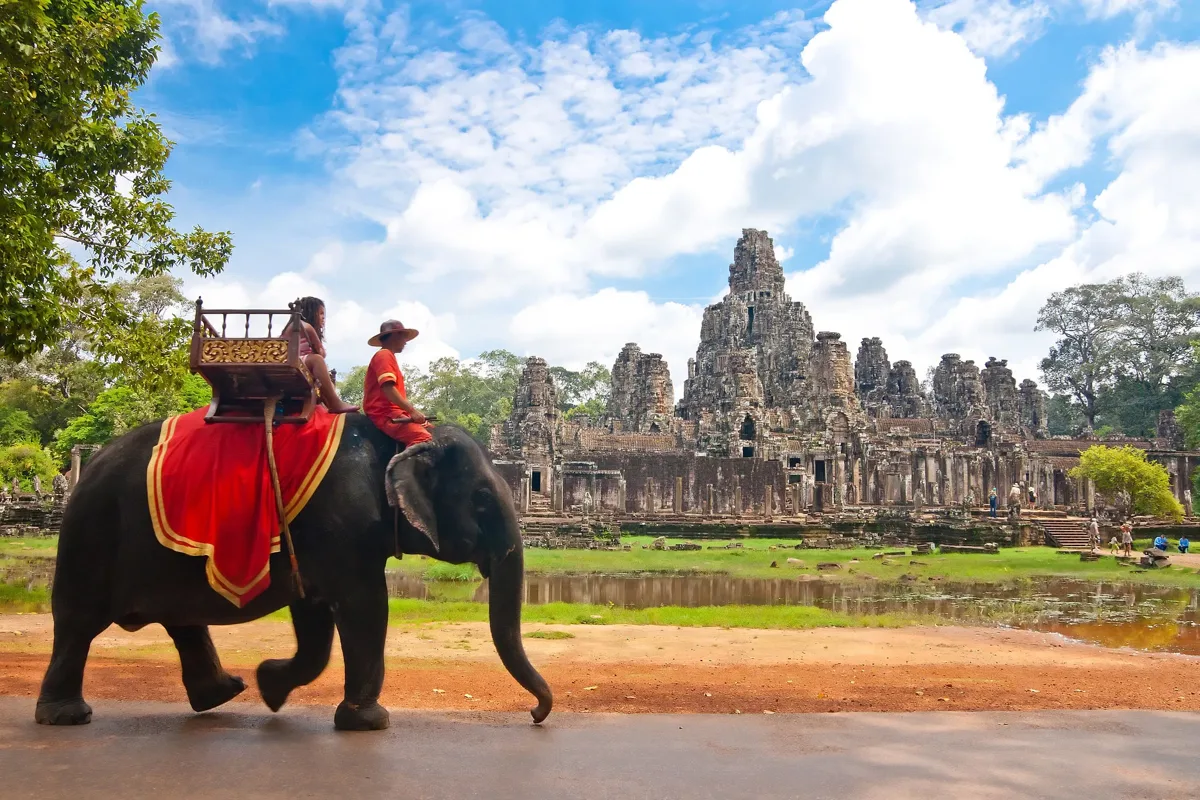
- Bayon Temple: Marvel at the iconic smiling faces carved into its towers.
- Terrace of the Elephants & Terrace of the Leper King: Discover intricate carvings and historical platforms.
Cycling offers the freedom to stop whenever something catches your eye – monkeys, butterflies, ancient gates, or towering trees – making the experience much more personal.
Sunset Gondola Cruise:
Instead of ending the day at another crowded temple viewpoint, your itinerary includes a peaceful sunset gondola ride along the moat surrounding Angkor Thom. As the afternoon light softens, reflections shimmer across the water while the ancient walls glow in warm golden tones—an elegant and less-visited way to experience the site, offering a unique perspective from enjoyvietnamtravel.com.
Day 16 – Beyond the Main Temples: Nature Reclaims Art
Many travelers conclude their Angkor exploration after Angkor Wat, but that would be a mistake. Some of the most memorable temples lie away from the busiest routes, offering a profound sense of discovery where nature and architecture beautifully merge.
Recommended Temples for Deeper Exploration:
- Ta Prohm: Famous for its giant tree roots embracing centuries-old stone walls, a truly atmospheric site.
- Preah Khan: A sprawling monastic complex with intricate carvings and a sense of forgotten grandeur.
- Banteay Kdei: A Buddhist temple in a similar style to Ta Prohm, but often less crowded.
- Ta Som: Known for its eastern gopura, where a massive fig tree has grown over the entrance.
Photography Tip: Early Morning at Ta Prohm.
Visit Ta Prohm immediately after opening. The famous tree-root temple becomes significantly busier after 9:00 AM, making early morning the best time for photography and a more serene experience.
Day 17 – Mechrey Floating Village: Life on the Water
While Tonlé Sap Lake attracts many visitors, our itinerary recommends Mechrey Floating Village, which offers a quieter and more authentic perspective on life connected to Southeast Asia's largest freshwater lake. Here, life changes with the seasons – homes, schools, churches, and markets all float. Observing daily life on the lake provides a striking contrast to the monumental architecture of Angkor, showcasing the ingenuity and resilience of Cambodian communities.
Responsible Travel at Floating Villages:
When visiting floating villages, choose operators that support local communities and avoid tours involving wildlife exploitation. Responsible tourism helps preserve both the lake's fragile ecosystem and the livelihoods of the people who call it home.
Day 18 – Leisure in Siem Reap Before the Islands
Spend your final morning in Siem Reap exploring local cafes, contemporary art galleries, or boutique shops. After several days of intense cultural and historical exploration, the final stage of your journey offers something entirely different: a tropical island paradise. Tomorrow, you'll leave mainland Southeast Asia behind for one of Cambodia's most exclusive island escapes – Song Saa Private Island, the perfect restorative finale to your three-week Indochina journey.
Days 19–21: Song Saa Private Island – The Perfect Indochina Finale
After nearly three weeks of bustling cities, mountain villages, sacred temples, and ancient civilizations, there's no better place to unwind than Cambodia's private island paradise. Song Saa Private Island is more than a luxury resort; it's a destination built around conservation, sustainability, and understated elegance. Hidden within the Koh Rong Archipelago, it offers a completely different perspective on Southeast Asia, where crystal-clear waters, untouched forests, and quiet beaches replace the temples and cities that have shaped the earlier part of your journey.
Your itinerary concludes here with snorkeling, kayaking, forest walks, and relaxed evenings by the sea, creating a restorative finale after an immersive cultural adventure. Unlike many island resorts, Song Saa emphasizes privacy over entertainment. There are no crowded beaches, noisy nightlife, or oversized developments—just luxurious villas, exceptional service, and the pristine natural beauty of the Gulf of Thailand.
Day 19 – Arrival at Song Saa: Island Serenity
Your journey to Song Saa begins with a speedboat transfer from the mainland. As you leave behind fishing villages, the turquoise waters of the archipelago come into view, and the first impression is unforgettable. Wooden villas appear suspended above the sea, palm trees sway gently in the breeze, and the only sounds are waves, birds, and the occasional passing fishing boat. Take the afternoon to settle into your villa and embrace the slower rhythm of island life.
Recommended Afternoon Activities:
- Relax by your private pool or swim directly from your overwater villa.
- Walk barefoot along secluded, pristine beaches.
- Enjoy a tropical fruit smoothie while watching the sunset.
- Book a rejuvenating spa treatment overlooking the ocean.
Dinner Recommendation: Fresh Coastal Cuisine
The resort's chefs skillfully showcase fresh Cambodian seafood with modern international techniques. Signature dishes often include:
- Grilled lobster with local spices.
- Kampot pepper crab, a regional delicacy.
- Freshly shucked oysters.
- Line-caught reef fish, prepared to perfection.
- Exotic tropical fruit desserts.
Pair your dinner with a carefully selected wine as you watch the sun disappear beneath the horizon.
Local Insight: The Gift of Tranquility.
While Song Saa is renowned for its luxury, its greatest appeal is its profound tranquility. Many guests remember the silence and peacefulness more vividly than the villas themselves. Consider leaving your phone in your room for a few hours and simply enjoying being present in this idyllic setting.
Day 20 – Explore the Marine Reserve & Island Wonders
Song Saa is situated within one of Cambodia's protected marine environments. Today, instead of simply lounging by the pool, we encourage you to explore the vibrant underwater world and the island's lush interior.
Snorkeling in Crystal-Clear Waters:
The crystal-clear waters surrounding Song Saa reveal an abundance of marine life. Morning generally offers the best visibility for discovering:
- Vibrant coral gardens and colorful reef ecosystems.
- Schools of tropical fish.
- Intriguing sea stars and giant clams.
Kayaking to Hidden Beaches:
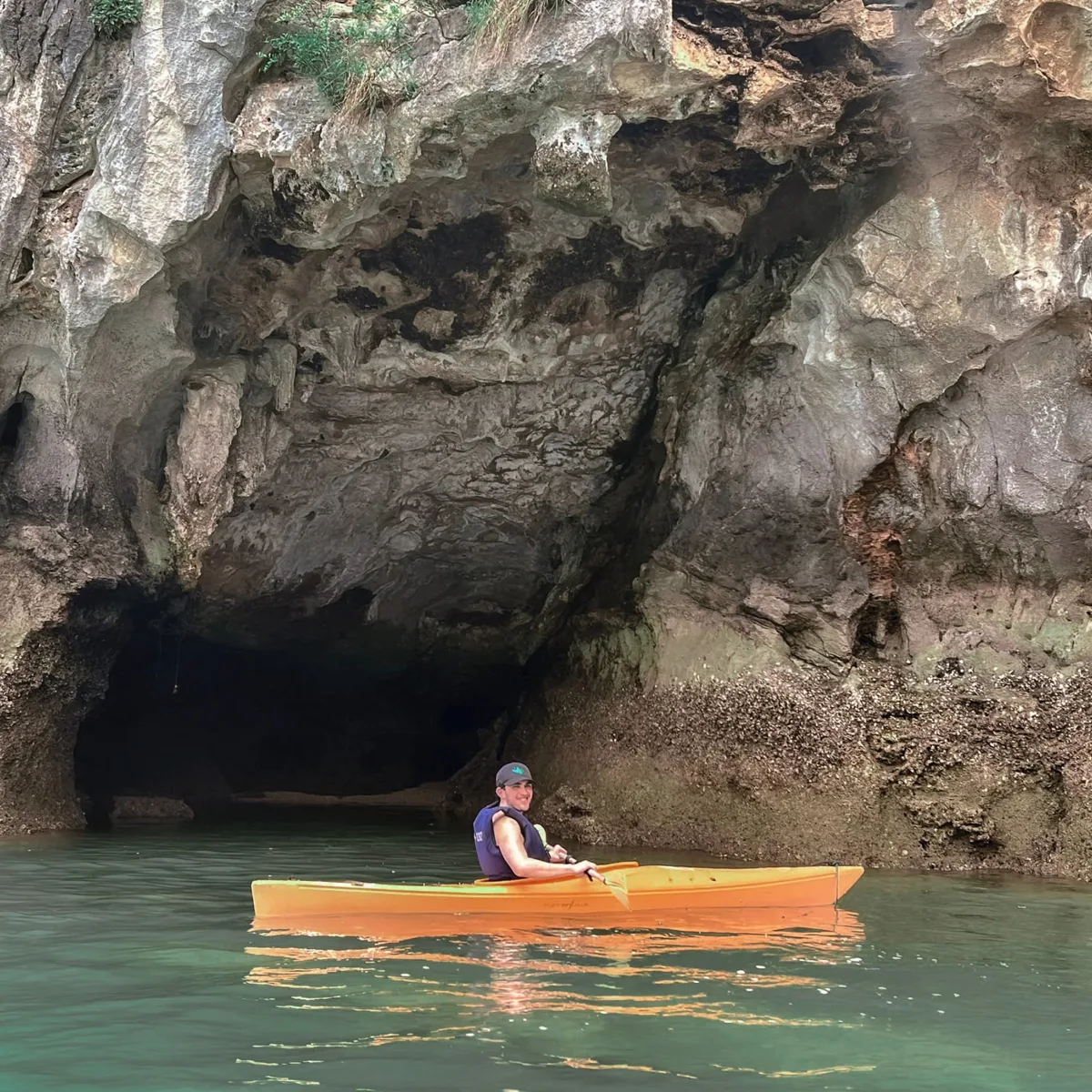
Paddle gently between small islands, discovering secluded beaches that many visitors never see. Unlike motorized excursions, kayaking allows you to appreciate the peaceful atmosphere without disturbing the local wildlife.
Forest Walk on Elevated Boardwalks:
The island's elevated boardwalks lead through native rainforest, where dedicated conservation efforts protect local ecosystems. Along the way, you may encounter:
- Majestic hornbills and diverse native birdlife.
- Colorful butterflies.
- Monitor lizards and unique tropical plants.
The resort actively supports marine conservation and community development, ensuring your stay contributes to sustainable tourism.
Afternoon Spa: A Moment of Bliss
After weeks of traveling, this is the perfect opportunity to truly unwind. Indulge in traditional Khmer-inspired treatments that incorporate locally sourced herbs and essential oils, creating a deeply relaxing and rejuvenating experience.
Day 21 – A Slow Farewell to Indochina
Rather than rushing to the airport, enjoy one final leisurely morning. Watch the sunrise from your villa, take one last swim in the turquoise waters, and savor breakfast overlooking the sea. Reflect on the remarkable diversity you've experienced over the past three weeks.
In just twenty-one days, you've explored three countries, multiple UNESCO World Heritage Sites, vibrant cities, serene mountain villages, sacred rivers, and one of the world's greatest archaeological landscapes, before ending in a tropical marine sanctuary. Very few journeys offer such variety while maintaining such a comfortable and enriching pace. You'll depart with a refreshed spirit and a treasure trove of unforgettable memories.
Essential Travel Guide for Indochina
Transportation Between Countries
Smooth connections are key to an enjoyable multi-country itinerary:
Vietnam Domestic Travel:
- Domestic flights save significant travel time between major cities (Ho Chi Minh City, Da Nang, Hanoi).
- Business-class upgrades are often affordable on regional carriers for added comfort.
- Private airport transfers reduce stress and ensure seamless transitions after long flights.
Vietnam → Laos:
The recommended route is a direct flight from Hanoi to Luang Prabang, which is the most efficient option.
Laos → Cambodia:
The recommended route is a flight from Luang Prabang to Siem Reap. Depending on airline schedules, some itineraries may require a short connection through Bangkok or another regional hub.
Cambodia Domestic Travel:
Travel between Siem Reap and the coast (for Song Saa) is easiest by a combination of domestic flight and speedboat transfer.
Transport Tips from a Traveler:
While buses are common, for groups of four or more, a private car can sometimes be more cost-effective and offers much greater flexibility. For those adventurous enough, buying a motorbike (around US$200-300) allows incredible freedom to explore the countryside, but be prepared for potential breakdowns and local police interactions, especially in places like Mui Ne. Roads in northern Laos (e.g., to Nong Khiaw) can be challenging, but main routes are generally good. Note that motorbikes often cannot be taken across international borders.
- Book regional flights at least two months in advance during peak season.
- Allow at least three hours between connecting flights.
- Keep printed or digital copies of visas and travel insurance readily accessible.
- Carry small amounts of US dollars for Cambodia, where they are widely accepted alongside the local currency.
Visa Information
Before departure, always confirm the latest visa requirements for your nationality. Generally:
- Vietnam: Offers visa exemptions for many countries and e-visas for others.
- Laos: Provides visa-on-arrival and e-visa options for numerous nationalities.
- Cambodia: Also offers e-visas and visas on arrival for many travelers.
Apply several weeks before departure if your nationality requires advance approval to avoid any last-minute complications.
Staying Connected
Reliable mobile data significantly enhances your travel experience, making navigation, ride-hailing, translations, and online bookings much easier. Many travelers opt for a regional Southeast Asia eSIM or separate country-specific eSIMs to avoid changing physical SIM cards during the trip. Download offline maps before entering mountain areas or remote islands, where coverage may be less consistent.
What to Pack
Packing light is key, as laundry services are inexpensive and widely available. Consider:
Clothing:
- Lightweight, breathable shirts and trousers for hot climates.
- Shorts for casual wear.
- Swimwear for beaches and islands.
- A light sweater or jacket for cooler mountain evenings (Hoang Lien Mountains).
- A compact rain jacket, especially if traveling during shoulder seasons.
Footwear:
- Comfortable walking shoes for city exploration and temples.
- Sturdy sandals or flip-flops.
- Lightweight hiking shoes for mountain treks.
Essentials:
- Sunscreen and insect repellent.
- Universal power adapter.
- Reusable water bottle to minimize plastic waste.
- Portable power bank for your devices.
- Sunglasses and a wide-brimmed hat for sun protection.
Photography Gear:
- Your preferred camera (mirrorless or DSLR).
- A wide-angle lens for grand temples and landscapes.
- A telephoto lens for wildlife or distant mountain shots.
- A waterproof phone pouch for river activities.
- Plenty of extra memory cards!
Luxury Travel Tips
If your budget allows, a few upgrades can significantly enhance your Indochina experience:
- Choose boutique hotels over large chain properties for more character and personalized service.
- Arrange private airport transfers and inter-city transport to save time and ensure comfort.
- Hire licensed local guides at major cultural sites for richer historical context and deeper insights.
- Stay at least two nights in every destination to avoid constant packing and unpacking.
- Schedule free afternoons throughout the itinerary rather than filling every hour with activities, allowing for spontaneous discovery and relaxation.
These small decisions often create a more memorable and enriching journey than simply adding more attractions to a packed schedule.
Common Mistakes to Avoid
Trying to See Too Much:
Three weeks may seem long, but constantly changing hotels and rushing through destinations can quickly become exhausting. This itinerary prioritizes depth over breadth.
Underestimating Travel Times:
While flights are relatively short, transfers, airport procedures, and hotel check-ins all consume valuable time. Factor these into your daily planning.
Skipping Rest Days:
Our itinerary intentionally balances active sightseeing with slower experiences such as river cruises, artisan visits, and island relaxation. Embrace these moments of calm.
Ignoring Local Etiquette:
Dress modestly when visiting temples (covered shoulders and clothing below the knees). Remove shoes where required. Always ask permission before photographing people, and respect religious ceremonies.
Visiting Angkor Too Late:
The coolest temperatures and softest light occur shortly after sunrise at Angkor. Early mornings also offer a much more peaceful atmosphere, allowing for better photography and a more profound experience.
Overpacking:
Laundry services are inexpensive and widely available. Packing lighter makes flights and transfers much easier and more enjoyable.
Frequently Asked Questions (FAQ)
Is three weeks enough to visit Vietnam, Laos, and Cambodia?
Yes. Three weeks is widely considered the ideal amount of time to experience the highlights of Indochina without feeling rushed. A well-planned itinerary, like this one, allows you to explore Vietnam's vibrant cities, Laos' peaceful cultural heritage, and Cambodia's iconic temples while still leaving time to relax. It's designed to balance sightseeing with slower, immersive experiences rather than constant travel.
Which country should I visit first?
Starting in Vietnam works particularly well for international travelers arriving from Europe, North America, or Australia. Ho Chi Minh City and Hanoi both have excellent international flight connections, making Vietnam a convenient gateway to the region. The route then naturally slows down as you continue into Laos before finishing with Cambodia's cultural treasures and island resorts.
Is this itinerary suitable for first-time visitors?
Absolutely. This itinerary was designed specifically for travelers visiting Indochina for the first time. It combines UNESCO World Heritage Sites, authentic cultural experiences, scenic landscapes, local cuisine, luxury accommodations, and comfortable transport without becoming overwhelming.
How much should I budget for a three-week Indochina trip?
A comfortable mid-range trip typically costs between US$3,800 and US$5,800 per person, excluding international flights. Luxury travelers should budget US$7,000–12,000, while ultra-luxury journeys with private guides, premium resorts, and bespoke experiences can exceed US$15,000.
Is it safe to travel independently?
Yes. Vietnam, Laos, and Cambodia are generally considered safe destinations for international visitors. As with travel anywhere in the world:
- Keep valuables secure.
- Use licensed transportation (e.g., Grab in Vietnam, tuk-tuks with clear pricing).
- Drink bottled or filtered water.
- Purchase comprehensive travel insurance.
- Follow local advice regarding weather and transportation.
Which currency should I carry?
Each country uses a different currency:
| Country | Currency |
|---|---|
| Vietnam | Vietnamese Dong (VND) |
| Laos | Lao Kip (LAK) |
| Cambodia | Cambodian Riel (KHR) and US Dollar (USD) |
In Cambodia, US dollars are widely accepted, although change may be given in Cambodian Riel. It's always good to have small denominations of USD.
Should I use cash or credit cards?
Major hotels, luxury restaurants, and larger businesses accept international credit cards. However, cash remains essential for:
- Local markets and street food vendors.
- Small cafes and artisan workshops.
- Rural communities.
ATMs are widely available in major cities.
What is the best way to stay connected?
A regional Southeast Asia eSIM or individual country eSIMs offer the most convenient solution. Reliable mobile data is invaluable for Google Maps, ride-hailing apps, online translation, restaurant reservations, digital payments, and flight updates. Installing your eSIM before departure helps ensure immediate connectivity upon arrival.
Is travel insurance necessary?
Yes. Travel insurance is strongly recommended for any multi-country itinerary. Choose a policy that covers medical treatment, emergency evacuation, trip interruption, flight delays, lost baggage, and adventure activities (if applicable).
Can I drink tap water?
No. Drink bottled or properly filtered water throughout Vietnam, Laos, and Cambodia. Most quality hotels provide complimentary bottled water.
What should I wear when visiting temples?
Respectful clothing is expected. Recommended attire includes:
- Covered shoulders.
- Clothing that extends below the knees (trousers, long skirts).
- Comfortable walking shoes (easy to remove when entering temples).
- A hat for sun protection (remove inside temples).
Avoid revealing clothing, especially at religious sites.
Should I book everything in advance?
For travel during the peak season (November to March), booking hotels, domestic flights, and premium experiences two to three months in advance is advisable. This is particularly important for luxury resorts, boutique hotels, Song Saa Private Island, private guides, and overnight cruises.
Is Angkor Wat worth more than one day?
Definitely. Although many travelers attempt to visit Angkor in a single day, spending at least two or three days allows you to appreciate the site's scale, explore lesser-known temples, and avoid rushing through one of the world's greatest archaeological treasures.
Do I need vaccinations before traveling?
Requirements vary depending on your home country and medical history. Consult your healthcare provider several weeks before departure to discuss recommended vaccinations and any necessary preventive medications.
Can I customize this itinerary?
Absolutely. This itinerary is intentionally flexible. You may wish to spend additional nights in Hoi An, extend your stay in Luang Prabang, add Ha Long Bay or Ninh Binh in Vietnam, or continue into Thailand after Cambodia. The framework can easily be adapted to different travel styles and interests. Our experts at enjoyvietnamtravel.com can help you tailor this journey to your specific desires.
Beyond the 21-Day Itinerary: Customization & Alternatives
While this 21-day itinerary offers a comprehensive Indochina experience, the region is vast and diverse. For those with more time, different interests, or a desire to explore further, consider these additional highlights:
Vietnam: Deeper Dives & Hidden Gems
- Can Tho: Explore the vibrant floating markets of the Mekong Delta. Get up early for the best experience.
- Mui Ne: A popular beach town known for its sand dunes, though be aware of potential issues with motorbike police.
- Nha Trang: Another beach city offering cool bars, night markets, and access to several large waterfalls (like Elephant Waterfall), a weasel poop coffee farm, and the unique Crazy House.
- Da Lat: Often called "Little Paris," a charming hill station with French colonial architecture, flower gardens, and a cooler climate.
- Hue: Vietnam's former imperial capital, home to the magnificent Citadel and an intriguing abandoned water park.
- Phong Nha: Discover the stunning caves and karsts of Phong Nha-Ke Bang National Park, a UNESCO World Heritage site. It boasts some of Vietnam's most beautiful natural surroundings.
- Ninh Binh (Tam Coc): Often called "Ha Long Bay on land," offering scenic boat rides through rice paddies and limestone karsts. Tam Coc or Trang An are excellent choices.
- Cat Ba Island (Ha Long Bay): A more adventurous and budget-friendly way to experience the iconic Ha Long Bay, especially if traveling in a group.
- Sapa: Nestled in the Hoang Lien Mountains, Sapa offers stunning rice terraces and encounters with ethnic minority groups. It has a unique "ski town" feel.
- Ha Giang Loop: For experienced motorcyclists, this 200km loop north of Sapa offers some of Vietnam's most spectacular mountain scenery.
Laos: Tranquil Escapes & Adventure
- Nong Khiaw: A peaceful town north of Luang Prabang, offering an authentic Lao experience with trekking, kayaking, boat trips, and caves.
- Vang Vieng: Once a party hub, now transformed into an outdoor adventure paradise with kayaking, ziplining, waterfalls, and caves.
- Vientiane: Laos' quiet capital, featuring the golden Pha That Luang stupa and the quirky Buddha Park.
- Thakhek & Pakse Loops: Popular motorbike loops offering stunning karst landscapes, caves, and waterfalls for adventurous travelers.
- 4000 Islands (Si Phan Don): A tranquil island group in the Mekong River, perfect for relaxation, cycling, and spotting Irrawaddy dolphins.
Cambodia: Coastal Charms & Historical Depths
- Koh Rong Sanloem: A quieter alternative to Koh Rong, offering beautiful, secluded beaches and a very chill vibe, similar to the tranquility of Song Saa but at a different price point.
- Sihanoukville (Otres Beach): While the main city is undergoing development, Otres Beach offers a relaxed atmosphere with hotels, hostels, and restaurants.
- Kampot: A charming riverside town known for its colonial architecture, famous Kampot pepper, and floating restaurants.
- Kep: A tranquil coastal town famous for its crab market and access to Rabbit Island, offering rustic bungalows and ultimate relaxation.
- Phnom Penh: Cambodia's capital, offering historical insights with the Royal Palace, Silver Pagoda, and the sobering Killing Fields and S21 Prison. A tuk-tuk tour is a great way to see the city.
Responsible Travel in Indochina
Traveling responsibly helps preserve the very experiences that make Vietnam, Laos, and Cambodia so memorable. Whenever possible:
- Support locally owned businesses, from restaurants to guesthouses.
- Hire licensed local guides, ensuring your money directly benefits the community.
- Purchase handmade products directly from artisans, fostering traditional crafts.
- Minimize plastic waste by carrying a reusable water bottle and refusing single-use plastics.
- Respect religious customs and sacred sites by dressing modestly and behaving quietly.
- Avoid attractions involving unethical wildlife practices.
- Leave natural areas exactly as you found them, taking only photographs and leaving only footprints.
Small choices made by individual travelers collectively make a significant difference in preserving the beauty and culture of Indochina for future generations.
Conclusion: Your Indochina Story Awaits
A journey through Vietnam, Laos, and Cambodia is far more than a checklist of famous landmarks. It is an opportunity to experience three countries connected by geography yet distinguished by their own rich histories, vibrant cultures, and unique rhythms of life.
Over twenty-one days, you'll witness the dynamic energy of Ho Chi Minh City, the timeless beauty of Hoi An, the profound cultural depth of Hanoi, the serenity of Luang Prabang, the ancient grandeur of Angkor, and the tranquil luxury of Song Saa Private Island. Along the way, encounters with local artisans, participation in traditional ceremonies, breathtaking river cruises, immersive experiences in mountain communities, and unforgettable cuisine will create memories that extend well beyond photographs.
Rather than rushing from one destination to the next, this itinerary encourages meaningful travel—allowing time to appreciate each place, connect with local communities, and truly enjoy the remarkable diversity that makes Indochina one of the world's most rewarding regions to explore. Whether this is your first visit to Southeast Asia or the beginning of a deeper exploration, these three weeks offer an exceptional introduction to a region rich in history, hospitality, and natural beauty.
Ready to embark on your own Indochina adventure? Let the experts at enjoyvietnamtravel.com craft a personalized itinerary that brings your dream journey to life.