For individuals considering Vietnam as their next holiday destination, thorough preparation is key, especially when exploring a new country for the first time. Understanding the local climate, popular sites, financial practices, and entry regulations can significantly enhance your travel experience. This guide provides fundamental information to help you plan an informed and pleasant journey through Vietnam.
Optimal Seasons for a Vietnam Journey
Selecting the appropriate time for your visit is a primary consideration when arranging travel. Vietnam's elongated geography results in three distinct climatic zones—the North, Central, and South—each experiencing different weather patterns. While some periods offer more agreeable conditions, travel is generally possible throughout the year, depending on your preferences and chosen region.
Generally, the most pleasant weather across the country occurs during Spring (March to April) and the transition months between Autumn and Winter (October to December). It is advisable to avoid the typhoon season in July and August, which can lead to travel disruptions. Similarly, the intense heat of summer (May to August) and the rainy season in the South (May to October) might not suit all travelers. The North and Central regions can experience a cold, dry climate from late December to January.
Northern Vietnam Weather Patterns
Northern Vietnam features a monsoonal climate with four distinct seasons, averaging around 24°C. Summer temperatures can be quite high, while winter can be rather cold. Consequently, the most comfortable periods for visiting are Spring (February to April) and Autumn (September to November). Spring coincides with the blooming flower season and the traditional Tet holiday, offering insights into local culture. Autumn provides an excellent opportunity to explore mountainous areas and observe the golden rice terraces during harvest season.
Central Vietnam Climate Considerations
The Central region of Vietnam experiences two primary seasons: dry and rainy. The dry season, from February to May, is highly recommended for travel due to conditions suitable for various outdoor pursuits. It is generally suggested to avoid the rainy season, which typically runs from August to December, as it often brings heavy storms and potential flooding.
Southern Vietnam Seasonal Overview
Similar to the Central region, Southern Vietnam also has a dry season and a wet season. To experience destinations like the Mekong Delta and Ho Chi Minh City under the most favorable weather conditions, planning your trip during the dry season (December to April) is advisable. Travelers who prefer to avoid heavy rainfall and occasional flooding should steer clear of the period from June to August.
Key Destinations for New Travelers in Vietnam
With a land area exceeding 330,000 square kilometers and varied topography, Vietnam presents numerous locations and points of interest for visitors. The following suggestions highlight popular spots for those exploring the country for the first time.
Northern Highlights
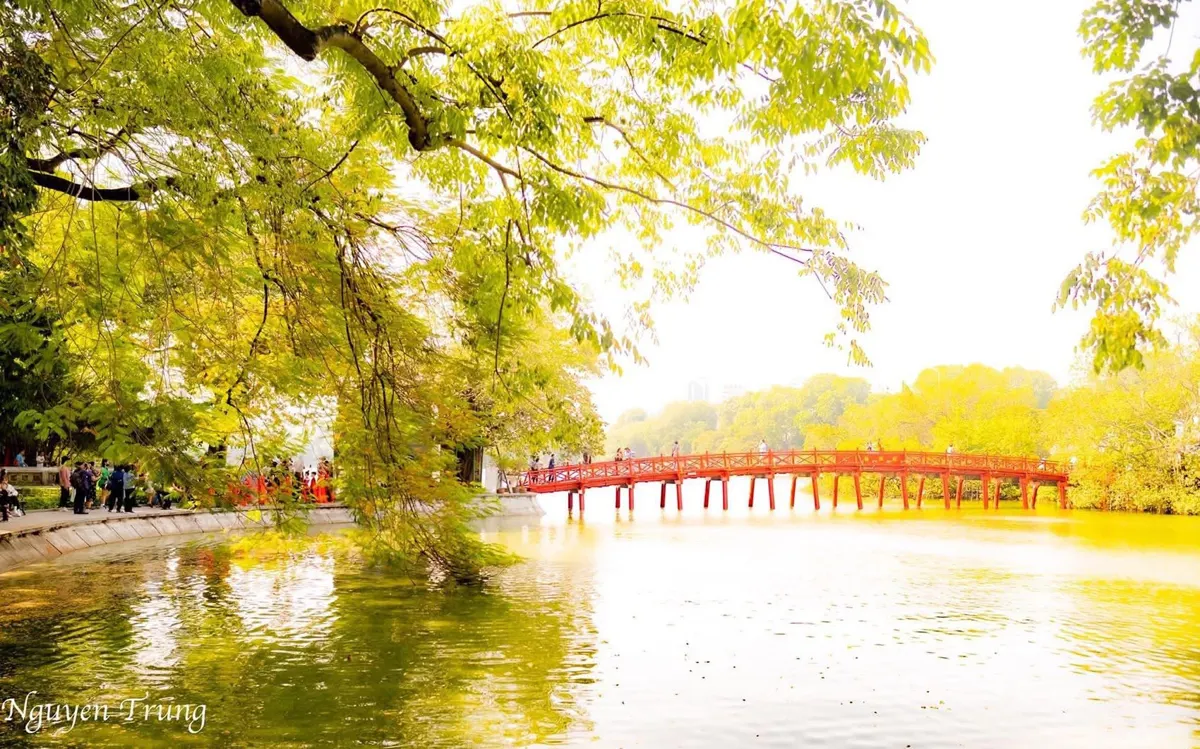
Hanoi: As Vietnam's cultural and political heart, Hanoi boasts over a millennium of history. It is an essential stop for anyone interested in Northern Vietnam's authentic culture and historical narrative. Key attractions include the Hanoi Old Quarter for observing daily life and street food, Hoan Kiem Lake, the Temple of Literature, Ho Chi Minh Mausoleum, One Pillar Pagoda, and Tran Quoc Pagoda. Ancient villages like Duong Lam, Bat Trang Pottery Village, and Dong Ho Painting Village offer further cultural exploration.
Halong Bay: Recognized as a UNESCO Heritage site, Halong Bay is celebrated for its distinctive karstic landscape. Many visitors come specifically to admire its unique natural formations. Exploring Halong Bay's beauty is often best done by cruise, with options ranging from economical to luxury vessels. For those interested in coastal leisure, exploring the best beaches in Halong Bay can enhance the experience.
Ninh Binh: This province has seen a steady increase in tourism, largely due to Trang An, often referred to as “Halong Bay on land” for its similar impressive scenery. Hang Mua (Dancing Cave) provides panoramic views of Trang An after a climb of approximately 400-500 steps, making it a popular spot for photography.
Sapa: Located in the northern mountains, Sapa appeals to both adventure seekers and those desiring a relaxed trip. Trekking routes vary in difficulty and length, leading through villages such as Cat Cat, Sin Chai, and Ta Van, offering glimpses into local life. For a more leisurely visit, Sapa offers various upscale accommodations. A cable car journey to Fansipan Peak, known as “The Roof of Indochina,” is another option for scenic enjoyment.
Central Region Explorations
Hue: Serving as Vietnam's capital for over a century, Hue is a significant center for history, culture, and cuisine, comparable to Hanoi. Major sights include the Hue Imperial Citadel and Thien Mu Pagoda. Visitors can also experience local life and tropical fruits at Dong Ba Market or take a boat trip on the Huong River.
Da Nang: This city is an excellent choice for a beach holiday, featuring My Khe Beach, which is considered among the world's most beautiful. Da Nang also offers the Ba Na Hills complex, which includes an amusement park, gardens, restaurants, and hotels, along with popular photo opportunities like the Golden Bridge.
Hoi An: Situated a short drive from Da Nang, Hoi An is a charming town ideal for a peaceful retreat. Its attractions include the Japanese Covered Bridge, Fujian Assembly Hall, ancient houses, and streets adorned with colorful lanterns. A simple city tour typically takes at least one day. For visitors to Hoi An, understanding the local banking services in Hoi An is crucial for managing finances effectively. Other activities include exploring My Son Sanctuary for insights into the Cham Pa Kingdom, taking a basket boat tour in Cam Thanh village, or enjoying a food tour to sample local Vietnamese dishes. Biking trips to nearby villages like Cam Thanh and Tra Que offer a chance to observe rural life and participate in farming or fishing activities.
Southern Adventures
Ho Chi Minh City (Saigon): As Vietnam's most populous city and financial hub, Ho Chi Minh City offers a wide array of activities, from entertainment to relaxation. Key sites include the Reunification Palace, Notre Dame Cathedral, Saigon Central Post Office, and the War Remnants Museum. Chinatown provides insight into local trade and street food. A half-day excursion to the Cu Chi Tunnels offers historical context on the Vietnam War. The city's nightlife, particularly around Bui Vien Street, is known for its many bars, pubs, and eateries. Navigating financial transactions in Ho Chi Minh City is straightforward with numerous local and international institutions.
Mekong Delta: A short distance from Ho Chi Minh City, the Mekong Delta offers a distinct way of life centered around the Mekong River. Journeys here often involve visits to attractions such as the Cai Rang floating market, fruit orchards, specialty product factories (like bee farms or rice paper workshops), paddy fields, and riverside villages. Visitors can observe local life and even participate in traditional crafts such as making sedge mats or coconut candy.
Phu Quoc Island: Known as “Pearl Island,” Phu Quoc is Vietnam's largest island and a popular choice for travelers seeking a relaxing beach holiday. The island offers numerous resorts catering to various budgets. Suggested attractions include Ho Quoc Pagoda, Phu Quoc Prison, Phu Quoc National Park, Sao Beach, and Duong Dong Night Market. For families, Vinpearl Land and Vinpearl Safari Phu Quoc are popular choices. For convenience, staying at resorts along Tran Hung Dao Road, near Duong Dong Town Center, is often recommended due to proximity to amenities and beaches.
Understanding Vietnamese Currency and Payments
The official currency of Vietnam is the Dong, abbreviated as “đ” or “VND”. As of the source's information, the approximate exchange rate is 1 USD to 24,500 VND, though this is subject to fluctuations and should be verified at the time of travel. Currency exchange services are available at airports and banks, with banks typically offering more favorable rates compared to hotels or smaller shops.
Vietnamese society still largely prefers cash transactions, so it is advisable to exchange a small amount of local currency. When receiving banknotes, ensure they are intact and not damaged. Similarly, US dollar bills used for exchange should be clean and free of marks. While ATMs are widely accessible for cash withdrawals, credit card payments are generally accepted only in larger establishments such as restaurants, hotels, and modern convenience stores. Using a credit card often incurs a bank fee of 3-3.5%. Visa and Mastercard are the most commonly accepted cards, with American Express and JCB also recognized. Maestro, Cirrus, and Plus cards may encounter more limited acceptance. It is always prudent to confirm credit card acceptance and applicable exchange rates with vendors before making a purchase. Understanding banking options in Hanoi is crucial for both residents and visitors managing their finances.
Visa and Passport Requirements for Vietnam
Most foreign nationals require a valid visa to enter Vietnam for any purpose. However, citizens of certain countries may benefit from visa exemption agreements for specific durations and reasons. It is important to confirm whether you need a visa and if you qualify for a visa on arrival. Your passport must have a minimum validity of six months beyond your intended entry date into Vietnam and contain at least three blank pages for immigration stamps.
There are three primary methods for obtaining a Vietnamese visa: applying at a Vietnam Embassy, securing an E-visa, or utilizing a Visa on arrival. The Visa on arrival option is generally more convenient and less time-consuming but is exclusively available to those traveling to Vietnam by air. Travelers entering Vietnam by land or sea must apply for a visa through an embassy. Additionally, foreign visitors flying directly to Phu Quoc Island may be eligible for a visa exemption for stays under 30 days.
Essential Packing Guide for Your Vietnam Trip
Careful luggage preparation is crucial for a smooth and trouble-free journey to Vietnam. Knowing what to bring, along with local customs, will help ensure a comfortable trip.
Important Documents
- Your passport, any required Vietnam visa, and travel insurance details.
- Flight tickets and all travel confirmation vouchers.
- Copies or photos of your passport stored separately from the original.
- Up-to-date itinerary and contact information.
Clothing and Luggage
Your clothing choices should align with the season and regions you plan to visit. Light jackets, comfortable walking shoes, and adaptable clothing are generally recommended due to varying weather conditions across different zones. When visiting religious sites like pagodas and temples, it is important to wear modest attire, avoiding overly revealing clothing.
Financial Preparedness
While ATMs are widely available for cash withdrawals at reasonable exchange rates, it is advisable to carry some local currency, particularly smaller denominations, for minor purchases and transportation fares.
Personal Care Items
Consider bringing personal toiletries such as a travel hairdryer, bath towel, shaving kit, toothbrush, and toothpaste. While many hotels provide these items, having your own ensures comfort. It is a good practice to carry essential toiletries in your daypack for excursions.
Electronics
A smartphone or tablet is essential for staying connected, as Wi-Fi is commonly available in hotels, restaurants, and cafes. Vietnam uses a 220V electrical system, so an appropriate electrical adapter is necessary if your devices operate on a different voltage. Chargers and a pre-charged power bank are also vital for extended outings.
Frequently Asked Questions
What is the best time of year to visit Vietnam?
The most favorable times to visit Vietnam are generally during Spring (March to April) and Autumn (October to December). These periods offer more moderate temperatures and less rainfall across the country's diverse regions, making them ideal for sightseeing and outdoor activities.
Is it better to use cash or card in Vietnam?
While credit cards are accepted in larger establishments like hotels and major restaurants, cash is widely preferred throughout Vietnam, especially for smaller purchases and local vendors. It is advisable to carry a good amount of Vietnamese Dong, particularly in small denominations, and use ATMs for withdrawals.
Do I need a visa to enter Vietnam?
Most foreign citizens require a visa to enter Vietnam. However, some countries have visa exemption agreements. Your passport must be valid for at least six months beyond your entry date and have sufficient blank pages. Options for obtaining a visa include applying at an embassy, an E-visa, or a Visa on arrival (for air travelers only).
What kind of clothing should I pack for Vietnam?
Pack light, comfortable clothing suitable for warm and humid conditions. Include a light jacket for cooler evenings or air-conditioned spaces. Comfortable walking shoes are essential. When visiting religious sites, ensure you have modest attire that covers shoulders and knees.
Example Tours and Cruises for First-Time Visitors
For those planning their initial exploration of Vietnam, a variety of guided tours and cruises offer structured ways to experience key destinations. The following table provides examples of such options, with approximate prices per person. Please note that these prices are illustrative and subject to change based on booking conditions, seasonality, and specific inclusions.
| Destination/Activity | Example Tour/Cruise | Approximate Price (per person, USD) | Notes |
|---|---|---|---|
| Hanoi | Street Food Tour | From $29 | Night tour |
| Hanoi | Half-day City by Motorbike | From $64 | |
| Hanoi | Duong Lam Ancient Village Full Day | From $78 | |
| Hanoi | Cooking Class Half Day | From $48 | |
| Halong Bay | Mon Cheri Cruise 5* | From $170 | |
| Halong Bay | Scarlet Pearl Cruise 5* | From $173 | |
| Halong Bay | Hermes Cruise 5* | From $178 | |
| Halong Bay | Peony Cruise 4* | From $149 | |
| Halong Bay | Sena Cruises 4* | From $146 |