
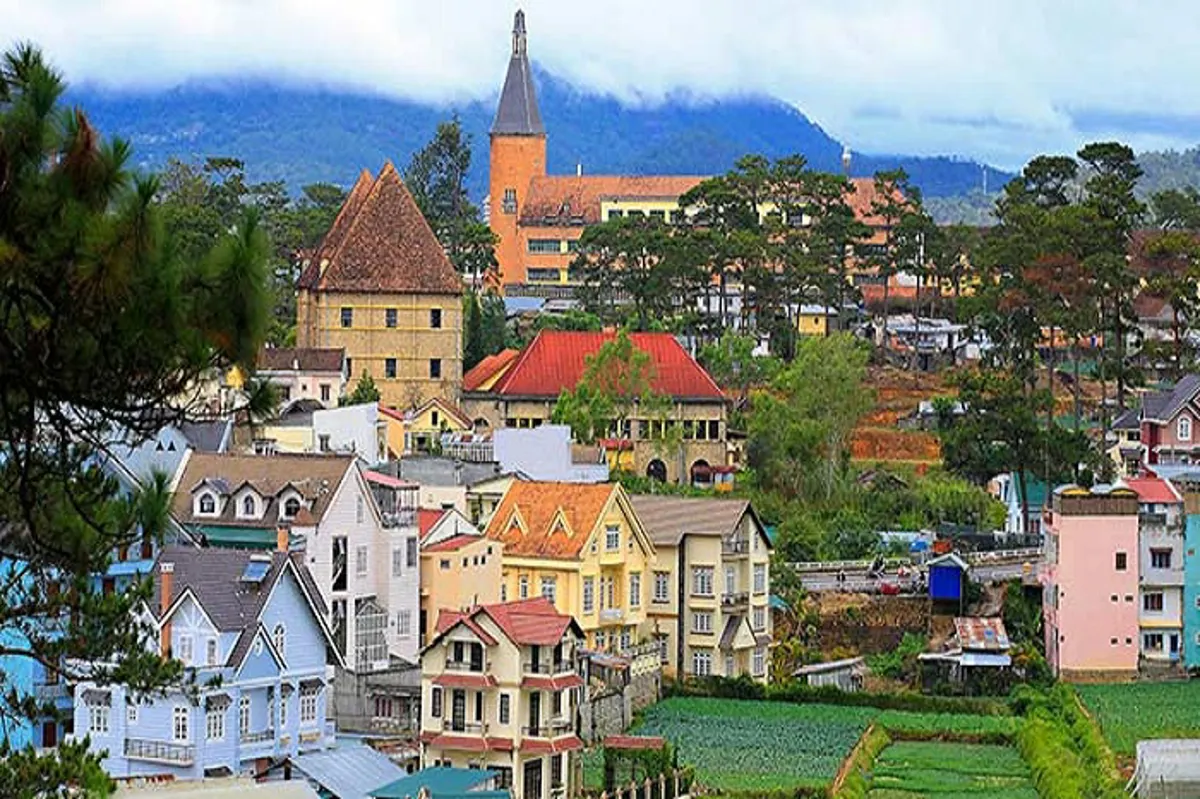
Dalat, situated in Vietnam's Central Highlands, offers a distinct atmosphere with its cool climate, pine-covered landscapes, and French colonial architectural influences. This city provides a refreshing change from the warmer, more humid conditions found in many other Vietnamese urban centers. It serves as a popular destination for those seeking a tranquil escape and a different perspective on the country's diverse regions.
Known for its year-round temperate weather, Dalat is often referred to as the 'City of Eternal Spring'. Its elevation and surrounding forests contribute to a mild environment, making it a favored spot for both local and international visitors. This guide will help you navigate the various aspects of planning a trip to Dalat, ensuring you have all the necessary details for an enjoyable stay.
Dalat's Climate and Optimal Visiting Periods
Positioned approximately 1,500 meters above sea level and surrounded by extensive green forests, Dalat experiences a spring-like coolness rather than the tropical heat prevalent in much of Vietnam. The local climate is often described as experiencing four seasons within a single day. Dalat has two main seasons: a dry period from November to March and a rainy period extending from April to October. Average temperatures typically range between 18°C and 21°C, with highs reaching up to 30°C and lows dropping to 5°C.
This moderate climate makes Dalat an appealing alternative to the heat of Vietnam's larger cities. The region's climate also supports a thriving agricultural sector, leading to a rapid expansion of farms and plantations that supply flowers and vegetables to markets across southern Vietnam. Dalat is particularly recognized for its wide array of flowers, including various orchids, and its extensive pine forests. The most favorable time for a visit is during the dry season, from November to March, when the weather is generally pleasant with minimal rainfall, ideal for outdoor pursuits. During this time, it is advisable to bring trousers and jackets, as evenings can become quite cool. Visitors during this period may also witness numerous flower gardens in full bloom and attend the Dalat Flower Festival, which occurs biennially in December. While the rainy season might bring heavy showers that could disrupt plans, it often comes with the advantage of reduced rates for lodging and air travel, along with fewer tourists.
Reaching Dalat
Travel to Dalat is straightforward, with daily direct flights available from major cities such as Ho Chi Minh City (Saigon), Danang, Hue, and Hanoi. Airlines operating these routes include Vietnam Airlines, Bamboo Airways, and Vietjet Air. Flights from Ho Chi Minh City typically last about one hour, while journeys from other cities take less than two hours. One-way airfares generally range from 30 to 70 USD. Dalat's airport is located approximately 30 kilometers south of the city center and is connected by a modern highway. Upon arrival, city shuttle buses are available just outside the airport, with tickets purchasable from a counter near the baggage claim area, costing around 40,000 – 50,000 VND. Taxis to the city center are also an option, usually costing under 250,000 VND.
For those traveling from Ho Chi Minh City who prefer not to fly, or visitors coming from Nha Trang, local bus services offer an alternative. Reputable operators like Phuong Trang (Futa) and Thanh Buoi provide double-decker buses that depart approximately every two hours. The bus journey from Nha Trang to Dalat takes about 3-4 hours, while the trip from Ho Chi Minh City extends to roughly 6-8 hours. Bus tickets are considerably more economical than flight tickets, though the travel time is significantly longer, and comfort levels may be lower. Driving a personal car or motorbike to Dalat is generally not recommended due to potentially challenging road conditions, including bumpy sections, and the complexities of local traffic.
Where to Stay in Dalat
Dalat offers a diverse range of accommodation options, catering to various preferences and budgets. Budget-conscious travelers can find good value homestays, with dorm rooms typically priced between 4 and 10 USD. For those seeking more comfort or luxury, the city also provides a wide selection of high-end hotels, upscale resorts, and private villas.
The following table outlines some prominent hotel choices in Dalat, detailing their addresses, approximate starting prices, and key amenities. Please note that prices are subject to change and should be verified directly with the establishments.
| Hotel Name | Star Rating | Address | Price (from) | Key Features |
|---|---|---|---|---|
| Saigon Dalat Hotel | 4 star | No. 180 Ba Thang Hai Street, Ward 4, Dalat City | 60 USD | 160 luxurious rooms with modern French architecture, air conditioning, gym, tennis court, bar-cafe, heated indoor swimming pool. |
| Golf Valley Hotel | 4 star | No. 94 Bui Thi Xuan Street, Ward 2, Dalat City | 65 USD | Central location, walking distance to Xuan Huong Lake and Dalat Market, 164 stylish rooms and suites with private balconies and modern amenities. |
| Ana Villas Dalat Resort & Spa | 5 star | Le Lai Street, Ward 5, Dalat City | 100 USD | 17 villas built in the 1920s-1930s style, set along cobble-stone roads and gardens, ideal for exploring surrounding landscapes and local culture. |
| Dalat Palace Heritage Hotel | 5 star | No. 02 Tran Phu Street, Ward 3, Dalat City | 130 USD | Constructed in 1922, offers luxurious elegance and French colonial design, overlooks Xuan Huong Lake, features 5 hectares of pine-covered gardens, conference facilities, 43 rooms and suites in Edwardian and Art Deco styles. |
| Dalat Edensee Resort & Spa | 5 star | Tuyen Lam Lake – Zone VII.2, Dalat City | 150 USD | Combines natural surroundings with personalized service, elegantly appointed villa units with soothing colors and classic fabrics, each with a private balcony facing Tuyen Lam Lake or pine trees. |
Exploring Dalat's Attractions
Dalat offers a variety of sites, from historical residences to natural wonders, providing diverse experiences for visitors.
Bao Dai’s Summer Palace
Known as Palace Number 3, this former retreat for King Bao Dai, Vietnam's last monarch, was constructed between 1933 and 1938. Its cube-like Art Deco exterior, angled away from the main entrance, conceals the actual size of the structure, which contains 25 rooms within its colonial architectural framework. The ground floor features public spaces for visiting dignitaries, including a large formal dining room and a library. The upper floor houses the private living quarters of the royal family, with bedrooms for the King, Queen, Princes, and Princesses. The palace's relatively simple design reflects the King's modest lifestyle. Address: No. 1 Trieu Viet Vuong Street, Ward 4, Dalat City. Opening hours: 7:00 – 17:30. Entrance fee: 30,000 VND.
Truc Lam Monastery
Situated on Phung Hoang Mountain, Truc Lam Monastery is located approximately 5 kilometers outside Dalat, near Tuyen Lam Lake. The most convenient way to reach it is by cable car from Robin Hill, a journey that typically lasts 10-15 minutes and costs 100,000 VND for a round trip. As an active Zen center, the inner areas of the monastery are not accessible to the public, allowing monastic practitioners to maintain their focus. The monastery itself is understated but is set amidst beautiful scenery, offering views of the lake and surrounding mountains. Address: Ward 3, Dalat City. Opening hours: 7:00 – 17:00. Entrance fee: Free.
Dalat Railway Station
Completed in 1943, the recently restored Dalat Railway Station showcases a distinctive Art Deco style blended with Vietnamese architectural elements. Its interior retains the original ticket windows. An authentic wood-burning steam train is displayed on the tracks at the rear of the station. Visitors can take a short, approximately 7-kilometer ride along the historic line to the small village of Trai Mat, where Linh Phuoc Pagoda is located. The train typically operates about five times daily and requires a group of at least 4-5 people for the trip to proceed. Address: Quang Trung Street, Ward 9, Dalat City. Opening hours: 7:00 – 17:30. Entrance fee: 5,000 VND. Train ticket: 124,000 VND.
Linh Phuoc Pagoda
Linh Phuoc Pagoda is a Buddhist shrine renowned for its unique mosaic surfaces. Completed in 1952, it is frequently referred to as the 'broken glass pagoda' because its structures are adorned with thousands of pieces of broken terracotta, porcelain, and glass. Located about 8 kilometers from the city center, Linh Phuoc Pagoda is an impressive site to explore, featuring several large altars, a towering structure, and various record-setting elements. Address: At the end of Trai Mat Street, Dalat City. Opening hours: 24 hours. Entrance fee: Free.
Dalat Central Market
The Dalat Central Market serves as the commercial heart of the city. Here, visitors can find a wide array of local fresh produce, including artichokes, dried fruits, and vegetables throughout the day. In the evenings, the market becomes particularly active, with many people engaging in shopping and social activities. This colorful market is worth exploring for its locally produced specialties such as artichoke tea, coffee, Dalat wine, fruit preserves, and candied strawberries. The second floor features food stalls offering affordable and tasty meals. For those interested in bringing home a piece of Vietnam, the market offers an opportunity to purchase local products and traditional crafts. Address: No. 46 Nguyen Chi Thanh Street, Ward 1, Dalat City. Opening hours: 6:00 until midnight. Entrance fee: Free.
XQ Embroidery Village
Even if embroidery is not a primary interest, the artistry at XQ Village is often impressive. What appear to be intricate paintings are, in fact, meticulously hand-embroidered works, created on-site. Organized like an art gallery, XQ showcases some of the finest examples of Vietnamese embroidery. These are entirely handmade products, often requiring months or even years to complete. Address: 80A Mai Anh Dao Street, Ward 8, Dalat City. Opening hours: 8:00 – 17:30. Entrance fee: 100,000 VND.
Xuan Huong Lake
Xuan Huong Lake consistently ranks among Dalat's top attractions due to its central location and serene setting. Spanning approximately 5 kilometers in diameter, the lake is a favored spot for couples and honeymooners in Vietnam. On pleasant days, a leisurely walk around the lake or a ride in a swan boat offers a relaxing experience.
Tuyen Lam Lake
Situated about 5 kilometers south of Dalat, Tuyen Lam Lake is the largest body of water in the area, covering 320 hectares. Due to its multiple water sources, it is known as the lake where rivers, springs, and forests converge. Kayaking tours on the lake are available but require advance booking. Elephant rides through the surrounding pine forest are also offered here.
Dalat Waterfalls
Dalat is well-known for its impressive waterfalls, each offering a distinct experience.
- Datanla Waterfall: Located about 3 kilometers from Prenn Waterfall and 6 kilometers from Dalat City, Datanla is a frequently visited waterfall. It features a unique roller coaster system and offers various adventurous activities for tourists, including canyoning, kayaking, rappelling, zip-lining, and water sliding. Entrance fee: 30,000 VND.
- Prenn Waterfall: Found at the base of Prenn Pass, approximately 10 kilometers from Dalat city center. Visitors can take a cable car ride over the waterfall, though many prefer to walk along the path behind it, which can be more interactive. Other activities available include horse carriage rides, ostrich rides, and even elephant or water buffalo rides. Entrance fee: 50,000 VND.
- Elephant Waterfall: Situated about 30 kilometers from Dalat. The route to the falls allows for stops at coffee and tea plantations, a silk factory, a rice wine distillery, and a cricket farm. At Elephant Falls, visitors can enjoy the peaceful surroundings and the sound of the cascading water. Swimming is not possible due to the strong current, but climbing the boulders around the falls is a popular activity.
- Pongour Waterfall: Located further afield, roughly 50 kilometers from central Dalat, Pongour Waterfall is considered worth the journey. It presents a more tranquil atmosphere compared to other waterfalls in the area. The water flows gently over multi-layered rocks, creating a remarkable visual display for onlookers. This site is often quieter and cleaner, as it is less frequented by tourists. Entrance fee: 50,000 VND.
Practical Advice for Visiting Dalat
To fully experience Dalat's attractions and atmosphere, it is generally recommended to allocate at least two full days for your visit. This allows sufficient time to explore the city's diverse offerings, from its colonial architecture and flower gardens to its natural landscapes and markets. For those planning their finances, understanding local banking options can be helpful.
When preparing for your trip, remember that Dalat's weather can change throughout the day, so dressing in layers is advisable. While the dry season is popular, booking accommodations and flights in advance is recommended, especially if your visit coincides with the biennial Dalat Flower Festival in December. Always confirm current opening hours, entrance fees, and transportation schedules, as these details can vary.
- Clothing: Pack layered clothing, including trousers and jackets, to adapt to temperature fluctuations, particularly in the evenings.
- Booking: Consider reserving flights and hotels well in advance, especially during the peak dry season or festival periods.
- Local Transport: Utilize city shuttle buses from the airport, local taxis, or intercity buses for convenient travel.
- Currency: Carry some Vietnamese Dong (VND) for purchases at local markets and smaller vendors.
- Verification: Always verify time-sensitive information such as prices, opening hours, and service availability before your visit.
Frequently Asked Questions
What is the typical climate like in Dalat?
Dalat experiences a temperate, spring-like climate year-round due to its elevation of 1,500 meters. The city often sees four seasons in a single day, with average temperatures between 18°C and 21°C. It has a dry season from November to March and a rainy season from April to October.
How can I travel to Dalat from major Vietnamese cities?
You can reach Dalat by air with daily direct flights from Ho Chi Minh City, Danang, Hue, and Hanoi, typically lasting 1-2 hours. Alternatively, long-distance buses are available from Ho Chi Minh City (6-8 hours) and Nha Trang (3-4 hours), offered by companies like Phuong Trang (Futa) and Thanh Buoi.
What are some popular activities in Dalat?
Popular activities include visiting historical sites like Bao Dai’s Summer Palace and Dalat Railway Station, exploring religious sites such as Truc Lam Monastery and Linh Phuoc Pagoda, and experiencing natural attractions like Xuan Huong Lake, Tuyen Lam Lake, and various waterfalls (Datanla, Prenn, Elephant, Pongour).
Are there options for budget and luxury accommodation in Dalat?
Yes, Dalat caters to all budgets. You can find affordable homestays with dorm rooms, typically costing 4-10 USD. For those seeking more upscale options, there are numerous high-end hotels, luxury resorts, and villas available, offering a range of amenities and services.
Is Dalat suitable for families?
Dalat is generally considered suitable for families, offering a cooler climate and a variety of attractions that can appeal to different age groups. Activities like swan boat rides on Xuan Huong Lake, exploring waterfalls, and visiting the Dalat Central Market provide engaging experiences for family members.








