
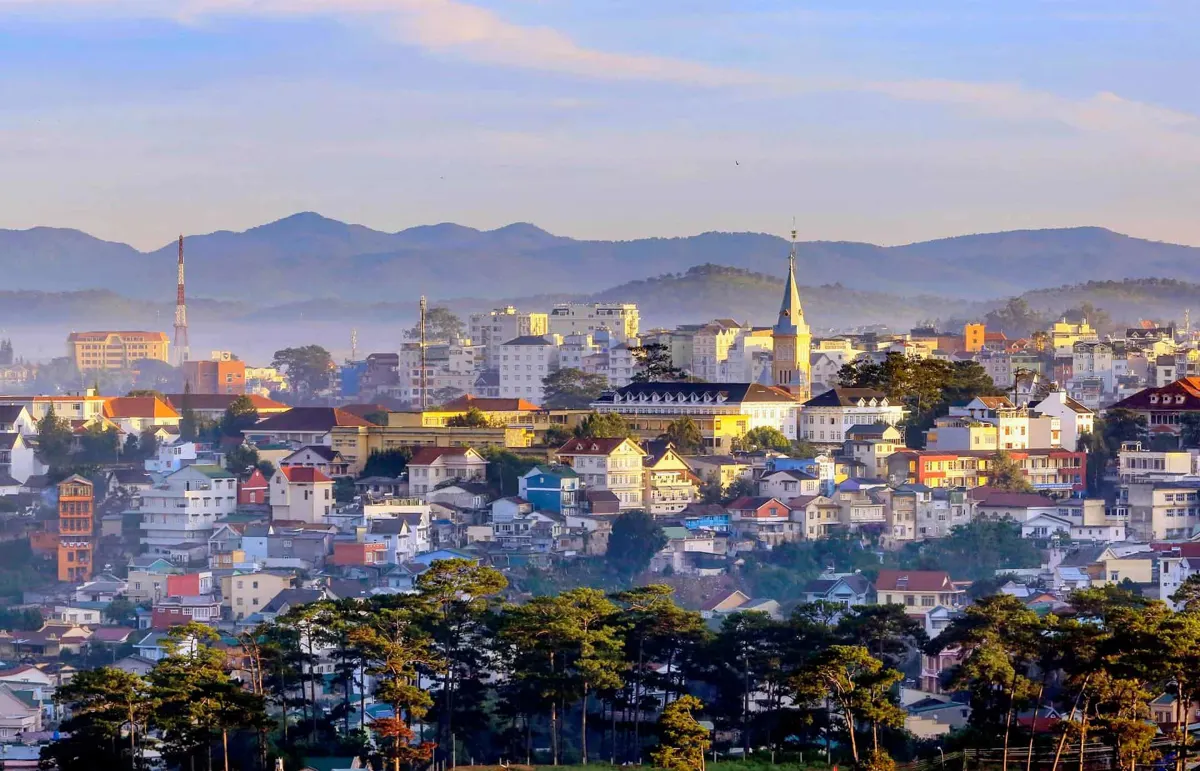
Dalat, a city celebrated for its cool climate and natural splendor, offers more than just flower gardens and forested hills. The region is home to numerous waterfalls, each presenting a distinct natural spectacle for travelers. This guide explores ten of Dalat's most notable cascades, providing essential details for those planning to experience these aquatic wonders.
An Overview of Dalat's Waterfalls
Dalat, often referred to as the "City of Eternal Spring," is a popular destination in Vietnam's Central Highlands. While its mild weather and French colonial architecture are well-known, the surrounding landscape is equally compelling, particularly its collection of waterfalls. These natural features range from easily accessible sites close to the urban center to more secluded locations requiring a longer journey, offering varied experiences for different types of visitors.
The presence of these waterfalls contributes significantly to Dalat's appeal as an outdoor adventure destination. Many sites provide opportunities for more than just viewing, with some offering recreational activities or trails for exploration. Understanding the characteristics of each waterfall, including its location, accessibility, and facilities, is key to planning an enjoyable visit.
Notable Waterfalls Near Dalat City Center
Several impressive waterfalls are situated relatively close to Dalat's urban core, making them convenient options for shorter excursions. These locations often feature developed tourist infrastructure, though some retain a wilder character.
Cam Ly Waterfall
Positioned approximately 2 kilometers west of Dalat's city center on Hoang Van Thu Street, Cam Ly Waterfall is among the most accessible. This cascade reaches a height of about 10 meters and is characterized by its gentle flow. The surrounding area includes a large pine forest, offering a pleasant natural setting. However, visitors have noted an unpleasant odor at times, suggesting the need for improved environmental management. Despite its convenience for a brief escape into nature, particularly for those with limited time, it is not consistently recommended as a primary destination.
Entrance fee (current as of source publication): 10,000 VND per person
Opening hours (current as of source publication): 06:30 AM - 05:30 PM
Prenn Waterfall
Located at the base of Prenn Pass, Prenn Waterfall is a frequently visited attraction in Dalat. This site attracts a substantial number of daily visitors and has seen considerable development for tourism. The area maintains a serene, untamed beauty with its abundant plant life, mountains, and the waterfall itself. Water descends forcefully from above, creating numerous small bubbles that contribute to a refreshing atmosphere. A distinctive feature of Prenn Waterfall is a concrete pathway that allows individuals to walk directly behind the falling water. Over time, the water has carved an overhang in the granite rock, forming a grotto where visitors can stand beneath the cascade while remaining dry.
Entrance fee (current as of source publication): 40,000 VND per adult, 20,000 VND per child
Opening hours (current as of source publication): 07:30 AM - 05:00 PM
Datanla Waterfalls
The Datanla Waterfalls are situated approximately 6 kilometers from Dalat City, a drive of about 10 minutes. Access is straightforward via Highway 20, a few kilometers south of Dalat, with the entrance clearly marked on the right. Many tour operators also include Datanla in their day trip itineraries. This location is one of Dalat's most frequented attractions, offering a range of recreational pursuits. While visitors can hike down the slopes and swim in clear pools, the alpine coaster ride is a significant draw. It is important to note that the entrance fee covers access to the site, but additional activities incur separate charges. Although perhaps not the most visually grand waterfall in the region, Datanla is recognized as an excellent outdoor activity hub near Dalat.
Entrance fee (current as of source publication): 50,000 VND per adult, 25,000 VND per child
Opening hours (current as of source publication): 07:00 AM - 05:00 PM
Elephant Waterfall
Known as one of Dalat's particularly striking waterfalls, Elephant Waterfall derives its name from a large rock formation said to resemble an elephant's head. The falls are found in a valley close to Nam Ban village, roughly 30 kilometers from Dalat's city center, at the base of a scenic mountain pass. With a height exceeding 30 meters and a width over 40 meters, it stands out as one of the few waterfalls in the area that largely retains its natural, untamed character, free from artificial enhancements. Visitors can observe the falls from both the top and bottom. Reaching the base involves navigating an uneven stone-stair path, or one can pass through a small tunnel beneath the waterfall. For those seeking a more adventurous experience, preparing for splashes from the misty streams is advisable. Caution is necessary on the trail, as moss-covered rocks can make surfaces extremely slippery.
Expansive Cascades Further Afield
For those willing to venture further from the city, Dalat's wider region hosts several larger, more remote waterfalls that offer grander natural spectacles and a sense of seclusion.
Pongour Waterfall
Often cited as one of Vietnam's most significant waterfalls, Pongour Falls is a prominent feature among Dalat's natural attractions. It boasts a height of 40 meters and a width of 100 meters. The surrounding landscape, characterized by verdant valleys, lakes, springs, and pine-covered hills, enhances its visual appeal. The River Da Nhim serves as Pongour Fall's water source, which cascades down seven distinct tiers, earning it the alternative name "Seven Cascades." Ascending these seven levels and enjoying the small pools on each tier can be a pleasant activity on warm days. The falls are located approximately 45 kilometers southwest of Da Lat City. While numerous tour operators offer day trips, independent travel by bus or motorbike taxi is also an option.
Entrance fee (current as of source publication): 20,000 VND per adult, 10,000 VND per child
Opening hours (current as of source publication): 07:30 AM - 05:00 PM
Dambri Waterfall
Dambri Waterfall is the most distant of the listed sites from Dalat's city center, located 130 kilometers away. It presents a truly majestic sight, with water descending from a height of about 70 meters and spanning over 30 meters in width. The waterfall is enveloped by a substantial green forest, covering nearly 300 hectares, showcasing the grandeur of the Central Highlands' woodlands and a remarkably diverse ecosystem. Local folklore recounts that the waterfall originated from the tears of a woman endlessly waiting for her lover's return from the forest; when he never appeared, she succumbed to grief, her body transforming into rock, and her tears continuing to flow. Dambri is a popular destination for domestic tourism, particularly crowded with Vietnamese teenagers on weekends and holidays, so a weekday visit is often recommended. The entrance fee is higher compared to other Dalat waterfalls but includes access to various activities such as sightseeing, an elevator, swan pedal boats, and an Alpine Coaster.
Entrance fee (current as of source publication): 200,000 VND per adult, 100,000 VND per child (under 12 years old) - includes games and activities
Opening hours (current as of source publication): 06:00 AM - 05:00 PM
Tiger Cave Waterfall (Thac Hang Cop)
Tiger Cave Waterfall offers a distinctive experience, situated deep within a 308-hectare pine forest. Although it was previously developed as a tourist attraction, it is now largely deserted. The name "Tiger Cave Waterfall" comes from a large cave at its base, where a tiger was once reportedly trapped. The waterfall stands 25 meters high and 10 meters wide, presenting an impressive sight from a distance. The water flow at the base is powerful, creating a dense mist that envelops the area. To reach this waterfall, travelers should follow National Road 20 towards Xuan Tho commune, then turn at kilometer-post No. 13 and continue for another 2.7 kilometers.
Entrance fee (current as of source publication): Free
Opening hours (current as of source publication): Not supplied
Jraiblian Waterfall (Bao Dai Waterfall)
At approximately 70 meters in height and 100 meters in width, Bao Dai Waterfall is noted as one of the largest and most striking cascades in the Dalat region. It is located remotely, about 50 kilometers from the city center, surrounded by the dense jungle of Ta In forest, which contributes to its distinct and captivating atmosphere. The name "Jraibilan" means "high waterfall" in the Churu language. It is also known as Bao Dai Waterfall because Emperor Bao Dai reportedly used to visit this spot for relaxation during his hunting expeditions.
Entrance fee (current as of source publication): Free
Opening hours (current as of source publication): 07:00 AM - 06:00 PM
Pang Tieng Waterfall
Pang Tieng Waterfall is found about 25 kilometers north of Dalat city, within the natural forest of Lat commune, Lac Duong District, Lam Dong Province. This cascade is also referred to as a "seven-story waterfall" and remains a pristine attraction. Unlike more frequented sites, Pang Tieng and its surroundings are largely untouched due to its less-known status. Accessing this waterfall involves traveling approximately 10 kilometers on a red dirt road and navigating extremely steep slopes on the hillside. After the challenging route, visitors are rewarded with a wilderness experience, as Pang Tieng Waterfall is encircled by a primeval forest showing minimal human impact.
Entrance fee (current as of source publication): Free
Opening hours (current as of source publication): Not supplied
Bo Bla Waterfall
Bo Bla Waterfall is situated 80 kilometers southwest of Dalat, accessible via Highway 20. This waterfall was once a significant draw for Vietnamese tour groups, but with its stairways now covered by vegetation, it appears to have faded from its former prominence. It offers an exotic ambiance, concealed within a dense forest, free from large tourist crowds, making it suitable for travelers who prefer to appreciate natural beauty in tranquility. At the base of Bo Bla waterfall, a wide pool is available for swimming. To reach this location, one option is to take a local bus from Dalat City center to Di Linh, the nearest town, and then find a motorbike taxi to the falls. Alternatively, renting a private vehicle and driving for about 2 hours is another possibility.
Entrance fee (current as of source publication): Free
Opening hours (current as of source publication): Not supplied
Planning Your Waterfall Excursion: Practical Advice
Visiting Dalat's waterfalls requires some preparation to ensure a comfortable and safe experience. Given the varying distances and accessibility of these sites, planning transportation is crucial. Many waterfalls are reachable by rented motorbike, bicycle, or even on foot for those closer to the city. For more distant locations, tour companies offer organized trips, or one can consider local buses and motorbike taxis. When managing finances for such excursions, it's helpful to be aware of local banking options; for more information, you can consult a guide on financial services in Dalat.
Appropriate footwear is essential, especially for waterfalls with uneven or slippery paths, such as Elephant Waterfall. Bringing water, snacks, and sun protection is also advisable. For those interested in local crafts or unique items to remember their trip, exploring essential souvenirs and unique purchases from a trip to Vietnam can be a rewarding activity after a day of exploring nature. Always verify current entrance fees and opening hours, as these details can change.
Waterfall Comparison Table
| Waterfall Name | Location/Distance from Dalat City Center | Entrance Fee (VND) | Opening Hours | Key Features/Notes |
|---|---|---|---|---|
| Prenn Waterfall | At foot of Prenn Pass | 40,000 (adult), 20,000 (child) | 07:30 AM - 05:00 PM | Walk behind the falls, popular, developed tourism. |
| Pongour Waterfall | ~45 km SW | 20,000 (adult), 10,000 (child) | 07:30 AM - 05:00 PM | 40m high, 100m wide, seven tiers (Seven Cascades), River Da Nhim source. |
| Cam Ly Waterfall | ~2 km west (Hoang Van Thu Street) | 10,000 (per person) | 06:30 AM - 05:30 PM | ~10m high, closest to city, gentle flow, pine forest, noted for occasional unpleasant smell. |
| Elephant Waterfall | ~30 km from city center (near Nam Ban village) | Free | Not supplied | >30m high, >40m wide, wild and natural, rock resembles elephant head, slippery path. |
| Datanla Waterfalls | ~6 km from city center (Highway 20) | 50,000 (adult), 25,000 (child) | 07:00 AM - 05:00 PM | Recreational activities (alpine coaster), activity fees separate. |
| Dambri Waterfall | ~130 km from city center | 200,000 (adult), 100,000 (child under 12) - includes activities | 06:00 AM - 05:00 PM | ~70m high, >30m wide, majestic, folklore, crowded on weekends, diverse ecosystem. |
| Tiger Cave Waterfall (Thac Hang Cop) | Deep in pine forest (National Road 20, km-post 13, then 2.7 km) | Free | Not supplied | 25m high, 10m wide, deserted, large cave at base, intense mist. |
| Jraiblian Waterfall (Bao Dai Waterfall) | ~50 km from city center (Ta In forest) | Free | 07:00 AM - 06:00 PM | ~70m high, ~100m wide, largest, remote, associated with Emperor Bao Dai. |
| Pang Tieng Waterfall | ~25 km north (Lat commune, Lac Duong District) | Free | Not supplied | Seven-story, pristine, difficult access (10km dirt road, steep slopes). |
| Bo Bla Waterfall | ~80 km SW (Highway 20) | Free | Not supplied | Formerly popular, now less visited, dense forest, swimming pool, accessible via Di Linh. |
Frequently Asked Questions
What is the best time of year to visit Dalat's waterfalls?
The dry season, typically from November to April, is generally considered ideal for visiting Dalat's waterfalls. During this period, rainfall is minimal, paths are less slippery, and the weather is pleasant for outdoor activities. Water levels will still be substantial enough to enjoy the cascades.
Are all Dalat waterfalls suitable for swimming?
While some waterfalls, like Bo Bla and certain pools at Pongour, are noted as suitable for swimming, it is important to exercise caution. Water conditions can vary, and not all areas are designated for swimming. Always assess the local environment and any posted warnings before entering the water. Safety should be the primary concern.
Do I need a tour guide to visit these waterfalls?
For waterfalls closer to Dalat city, such as Prenn or Datanla, independent travel is straightforward. For more remote locations like Dambri or Pang Tieng, a tour can offer convenience and local expertise, especially given challenging access routes. However, many can still be reached independently with careful planning and appropriate transport.
What should I bring when visiting Dalat waterfalls?
It is advisable to bring comfortable walking shoes with good grip, especially for potentially slippery trails. Other useful items include water, snacks, sun protection (hat, sunscreen), insect repellent, a camera, and a light jacket as Dalat's weather can be cool. If planning to swim, bring appropriate swimwear and a towel.
Are there any waterfalls in Dalat that are free to enter?
Yes, several waterfalls in the Dalat region do not charge an entrance fee. These include Elephant Waterfall, Tiger Cave Waterfall (Thac Hang Cop), Jraiblian Waterfall (Bao Dai Waterfall), Pang Tieng Waterfall, and Bo Bla Waterfall. While these may require more effort to reach, they offer a budget-friendly way to experience Dalat's natural beauty.








