
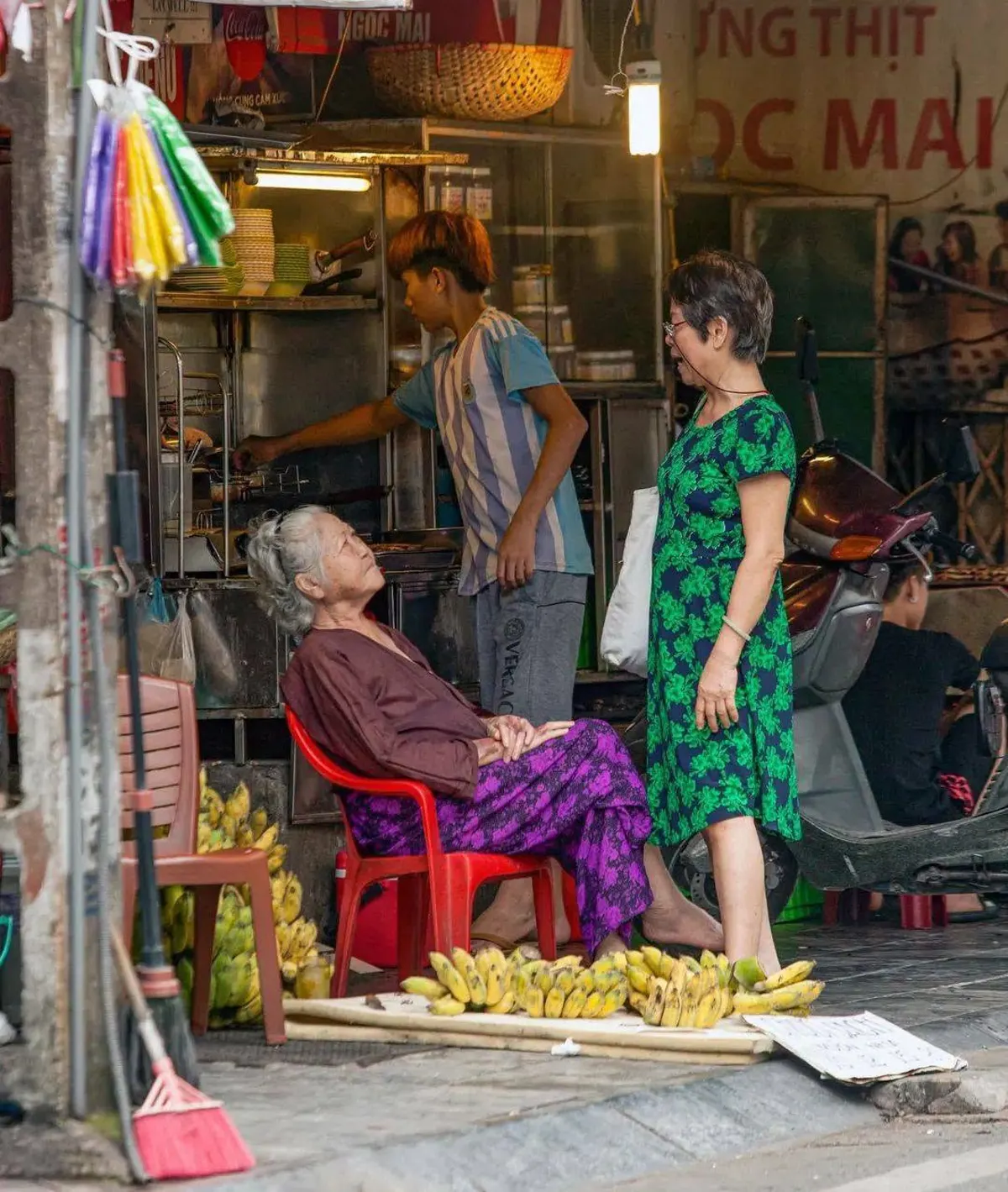
Hanoi, the capital city of Vietnam, offers a range of experiences for travelers. A key consideration for any visit is understanding the local weather patterns and seasonal changes, which significantly influence activities and comfort levels. This guide provides comprehensive information on Hanoi's climate, allowing you to select the most suitable time for your journey and prepare accordingly.
Understanding Hanoi's Climate Patterns
Hanoi's climate is characterized as humid subtropical, featuring a noticeable shift between its four seasons. Temperatures in the city typically fluctuate between approximately 6°C and 38°C over the year, with an annual average of 23.6°C (76.7°F). The city experiences an average humidity level of 82%, and annual rainfall totals around 1,611 mm (63.4 inches). On average, Hanoi receives about 1,585 hours of sunshine each year.
The weather is primarily shaped by two monsoon systems. The southwest monsoon brings the rainy season from June to September, coinciding with the hot season that extends from May to September. Conversely, the northeast monsoon influences the cooler season, which lasts from November to March. While generally categorized into a wet season (May to early October) and a dry season (October to April), transitional months ensure that Hanoi still experiences distinct spring, summer, autumn, and winter periods.
Hanoi's Four Distinct Seasons
Hanoi's climate cycle includes four recognizable seasons, each offering a different atmosphere.
Spring (February to April)
Beginning in February and extending through April, Hanoi's spring is often damp and humid, marked by light drizzles. This period is conducive to plant growth and the blossoming of various flowers, presenting a verdant landscape. Spring also coincides with the Tet holiday, Vietnam's most important and extended annual festival, offering cultural insights for visitors.
Summer (May to August)
From May through August, Hanoi experiences its hot summer months, with July often being the warmest. This season can be either dry or exceptionally wet, accompanied by high humidity. Heavy rainfall is a common feature of Hanoi's summer, making rain gear advisable. Days can be quite warm, often followed by afternoon or evening thunderstorms.
Autumn (Mid-September to November)
Autumn is generally considered a pleasant time for visitors to Hanoi. This season is relatively brief, typically spanning from mid-September to the end of November. With an average temperature around 25°C, Hanoi's autumn is characterized by agreeable sunlight, light breezes, and a drier atmosphere. It is a favored time for those who appreciate changing foliage and local seasonal foods like young green rice.
Winter (December to Late February)
The colder weather in Hanoi starts in December and can persist until late February, with an average temperature of 17°C. Temperatures can occasionally drop below 10°C, and high humidity can intensify the perception of cold. Appropriate warm clothing is essential for visitors during this period. Hanoi's winter is also known for its comforting street food options, which can provide warmth on a cool day.
Monthly Weather in Hanoi: A Detailed Overview
Hanoi's weather patterns vary considerably throughout the year. The following table provides average monthly temperatures and rainfall, followed by a more detailed description for each month.
| Month | Average Temp (°C) | Rainfall (mm) |
|---|---|---|
| December | 18.2 | 20 |
| January | 16.4 | 18 |
| February | 17.2 | 19 |
| March | 20.0 | 34 |
| April | 23.9 | 105 |
| May | 27.4 | 165 |
| June | 28.9 | 266 |
| July | 29.2 | 253 |
| August | 28.6 | 274 |
| September | 27.5 | 243 |
| October | 24.9 | 156 |
| November | 21.5 | 59 |
January Weather
January is typically the coolest month, with average high temperatures around 19.3°C (66.7°F) and average lows near 13.7°C (56.7°F). Humidity averages 78%, and rainfall is minimal, with approximately 18.6mm (0.7 inches) collected over about 8.4 days.
February Weather
In February, temperatures generally range from 15°C (59°F) to 19.9°C (67.8°F). The average relative humidity is about 82%. Rain occurs on approximately 11.3 days, accumulating around 26.2mm (1 inch) of precipitation.
March Weather
March presents agreeable conditions, with temperatures between 18.1°C (64.6°F) and 22.8°C (73°F). Humidity levels are high, averaging 83%. Rainfall is observed on about 15 days, with an average accumulation of 43.8mm (1.7 inches).
April Weather
April is a moderately warm month, with temperatures typically varying from 21.4°C (70.5°F) to 27°C (80.6°F). Similar to March, April is among the most humid months, with an average relative humidity of 83%. Precipitation levels begin to increase.
May Weather
May marks the beginning of the tropical season, with temperatures ranging from a minimum of 20°C (75.7°F) to a maximum of 41.5°C (88.7°F). The average relative humidity of the month is 77%. Rain falls on about 14.2 days, accumulating approximately 188.5mm (7.4 inches) of precipitation.
June Weather
June continues the tropical pattern, with average high temperatures around 32.6°C (90.7°F) and average lows of 25.8°C (78.4°F). Relative humidity averages 78%. Rainfall is substantial, occurring on about 14.7 days and aggregating up to 239.9mm (9.4 inches).
July Weather
Similar to June, July is a warm month, with temperatures typically between 26.1°C (79°F) and 32.9°C (91.2°F). The average relative humidity in Hanoi is 79%. This month sees significant rainfall, with about 288.2mm (11.3 inches) accumulated over roughly 15.7 days.
August Weather
August remains warm, with average high temperatures similar to July, around 31.9°C (89.4°F), and lows near 25.7°C (78.3°F). The average relative humidity in August is 82%. August is typically the wettest month, with approximately 318mm (12.5 inches) of precipitation falling over about 16.7 days.
September Weather
September is still warm, with temperatures fluctuating between 24.7°C (76.5°F) and 30.9°C (87.6°F). The average relative humidity in Hanoi is 79%. Rainfall occurs on about 13.7 days, accumulating around 265.4mm (10.4 inches).
October Weather
October brings milder conditions compared to September, with an average high temperature of 28.6°C (83.5°F) and an average low of 21.9°C (71.4°F). The average relative humidity drops to 75%. Rain is observed on approximately 9 days, with about 130.7mm (5.1 inches) of precipitation.
November Weather
In November, average high temperatures decrease slightly, ranging from 18.5°C (65.3°F) to 25.2°C (77.4°F). This is typically the least humid month, with an average relative humidity of 74%. Rainfall is significantly reduced, with about 43.4mm (1.7 inches) accumulated over roughly 6.5 days.
December Weather
December, the initial month of winter, offers pleasant conditions, with temperatures generally between 15.3°C (59.5°F) and 21.8°C (71.2°F). The average relative humidity is 75%. Rainfall is minimal, with approximately 23.4mm (0.9 inches) collected over about 6 days. December also has the shortest daylight hours of the year in Hanoi, averaging 10.9 hours.
Optimal Times to Experience Hanoi
The most favorable periods for visiting Hanoi are generally considered to be from February to April and again from late August through December. During these months, the city typically experiences comfortable temperatures, reduced rainfall, and clear skies, creating suitable conditions for sightseeing and outdoor pursuits.
This timeframe also aligns with various significant events and festivities in Hanoi, such as the autumn season, the Lunar New Year (Tet), and National Day celebrations. Travelers visiting during these periods can engage with the city's cultural heritage and participate in a wide array of activities. While there is no truly "unsuitable" time to visit Hanoi, visitors sensitive to cold might find the winter months (December to February) challenging, and those averse to intense warmth might wish to avoid June through August. With appropriate planning and packing, weather conditions should not hinder a rewarding visit.
Preparing for Your Hanoi Trip: What to Pack
Thoughtful packing can enhance your comfort and readiness for Hanoi's varied climate. Consider these items for your luggage:
- Durable walking shoes that offer waterproofing or dry quickly.
- Several small waterproof bags to protect maps and currency.
- Small plastic bags can serve as shoe liners if traveling during the rainy season.
- Quick-drying apparel helps manage moisture and is convenient for washing and drying while traveling.
- An umbrella is a practical item for Hanoi, regardless of the season, providing both sun protection and shelter from frequent rain showers.
- For cooler weather, include warm clothing and appropriate footwear. For warmer conditions, a light sweater, hat, sunglasses, and sunscreen are advisable.
Exploring Hanoi: Activities for Every Season
Hanoi presents a rich combination of cultural depth and historical interest. The city harmonizes Eastern and Western influences, alongside traditional and contemporary elements. Here are some activities to consider during your visit:
Walk Around Hoan Kiem Lake: Begin your day with a leisurely walk around Hoan Kiem Lake. This central feature of Hanoi is where local residents often practice Tai Chi in the morning. The lake offers a peaceful contrast to the city's activity, and a visit to Ngoc Son Temple, accessible via the red bridge, is a popular choice.
Discover the Old Quarter: Explore the intricate network of streets within the Old Quarter. Historically, each street was associated with a particular trade, and today it remains a destination for shoppers and food enthusiasts. From silk vendors to street food stalls, the Old Quarter offers diverse experiences. Be sure to try the renowned egg coffee. For those looking to bring home a memento, consider exploring unique purchases and souvenirs from a trip to Vietnam.
Visit the Imperial Citadel of Thang Long: This UNESCO World Heritage Site stands as a testament to Hanoi's long history. Visitors can explore ancient structures and view artifacts spanning over a millennium. The citadel's past is layered, with evidence from the Ly, Tran, and Le dynasties.
Experience Water Puppetry: Water puppetry is an artistic tradition specific to Northern Vietnam. Attending a performance at the Thang Long Puppet Theatre provides an engaging cultural experience. The puppets move across water, narrating ancient myths and scenes of rural life, offering both entertainment and educational value.
Savor the Street Food: Hanoi's street food scene is celebrated. From bowls of Pho to Banh Mi sandwiches, the flavors are as varied as the city's streets. Joining a street food tour or simply following local recommendations can lead to authentic culinary experiences. Many visitors also find it helpful to understand banking services in Hanoi for managing finances during their culinary explorations.
Reflect at the Temple of Literature: This Confucian temple once housed the Imperial Academy, Vietnam's first national university. It provides a quiet setting for contemplation, with well-preserved architecture and tranquil courtyards.
Explore Local Museums: Hanoi hosts several museums that offer insights into Vietnam's complex past. The Vietnam Museum of Ethnology and the Hoa Lo Prison Museum are particularly impactful, contributing to a deeper understanding of the country's history and diverse cultural makeup.
Frequently Asked Questions
What is the best month to visit Hanoi?
The most favorable months to visit Hanoi are typically from February to April and from late August to December. These periods offer comfortable temperatures, less rain, and clear skies, making them ideal for sightseeing and outdoor activities.
Does Hanoi have four distinct seasons?
Yes, Hanoi experiences four distinct seasons: spring (February to April), summer (May to August), autumn (mid-September to November), and winter (December to late February). While influenced by wet and dry monsoon patterns, transitional months ensure these seasonal changes are noticeable.
What is the average temperature in Hanoi?
Hanoi's average annual temperature is approximately 23.6°C (76.7°F). However, temperatures can fluctuate significantly throughout the year, ranging from lows of about 6°C in winter to highs of 38°C in summer.
Is it rainy in Hanoi?
Hanoi experiences a rainy season from May to early October, influenced by the southwest monsoon. August is typically the wettest month. Even outside this period, occasional rain showers can occur, so an umbrella is often recommended.
What should I pack for Hanoi in winter?
For a winter visit to Hanoi (December to late February), it is advisable to pack warm clothing, including sweaters, jackets, and closed-toe shoes, as temperatures can drop below 10°C and humidity can make it feel colder. A light sweater or jacket is also useful for cooler evenings in other seasons.








