
A journey to Vietnam offers a rich experience, blending historical depth with a distinctive cultural landscape. To ensure a smooth and enjoyable visit, prospective travelers benefit from understanding several practical aspects before their arrival. This guide provides essential information on navigating common situations and cultural nuances, helping you prepare for a rewarding adventure.
Navigating Urban Environments: Safety and Transportation
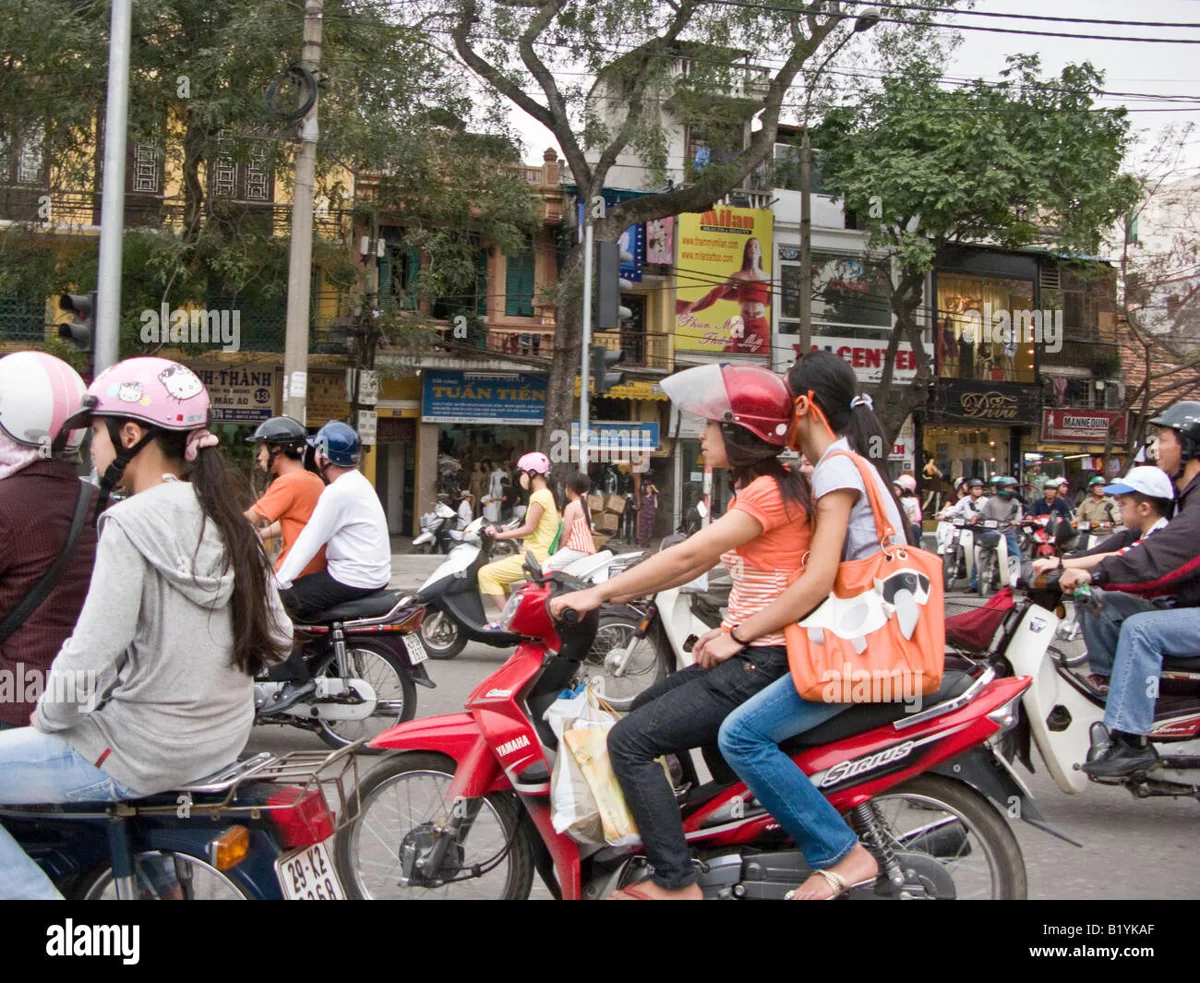
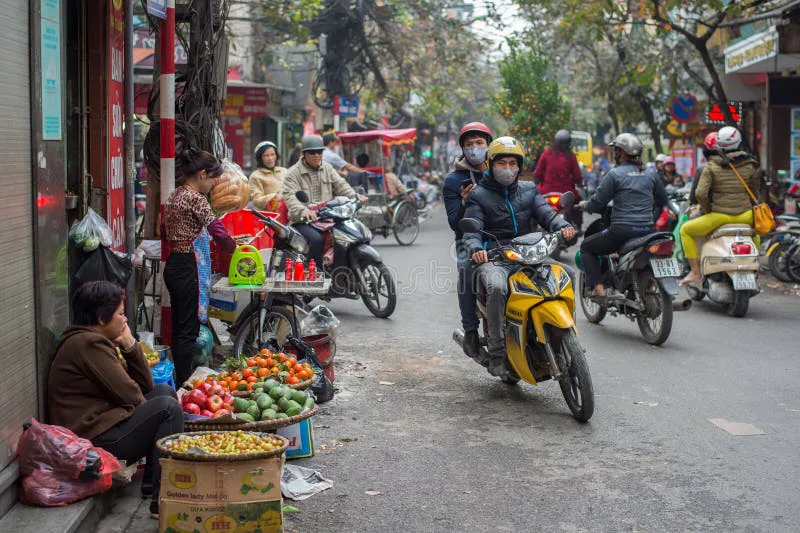
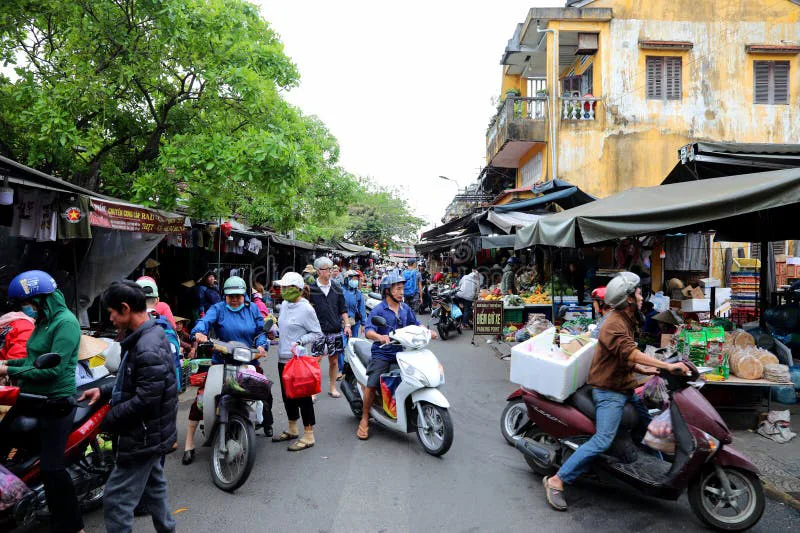
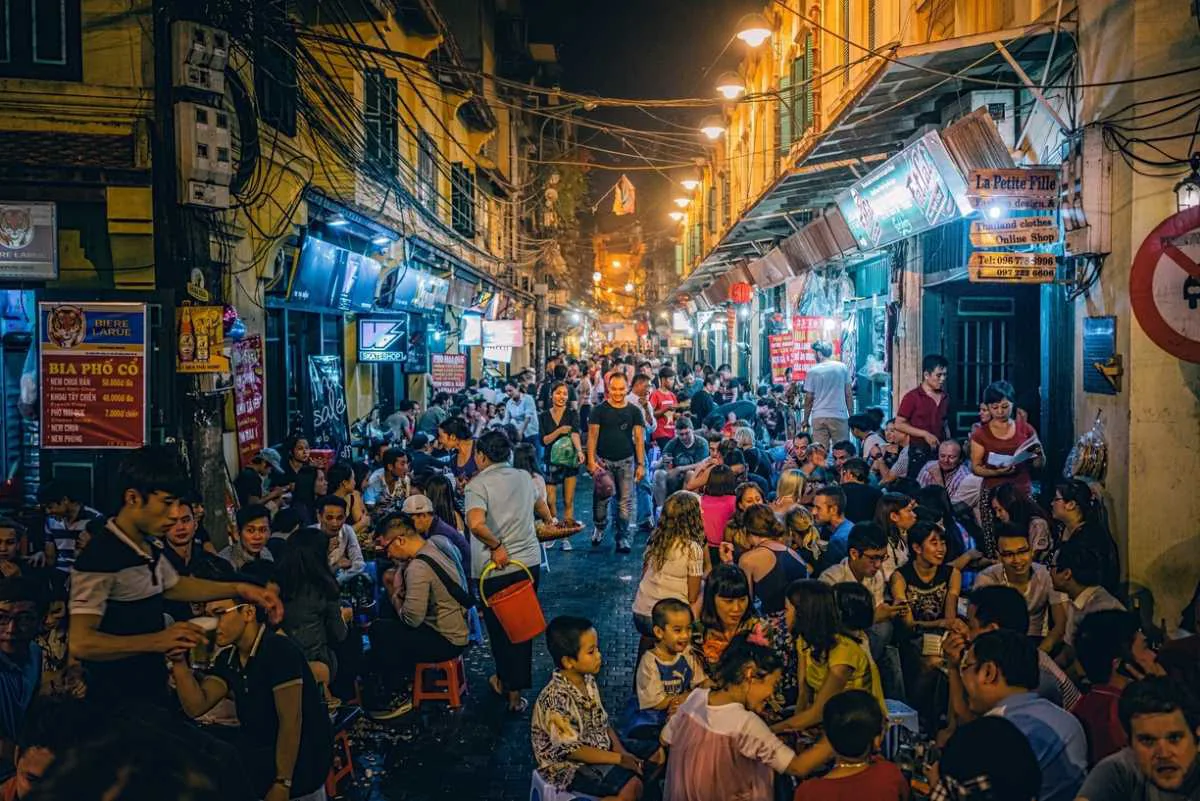
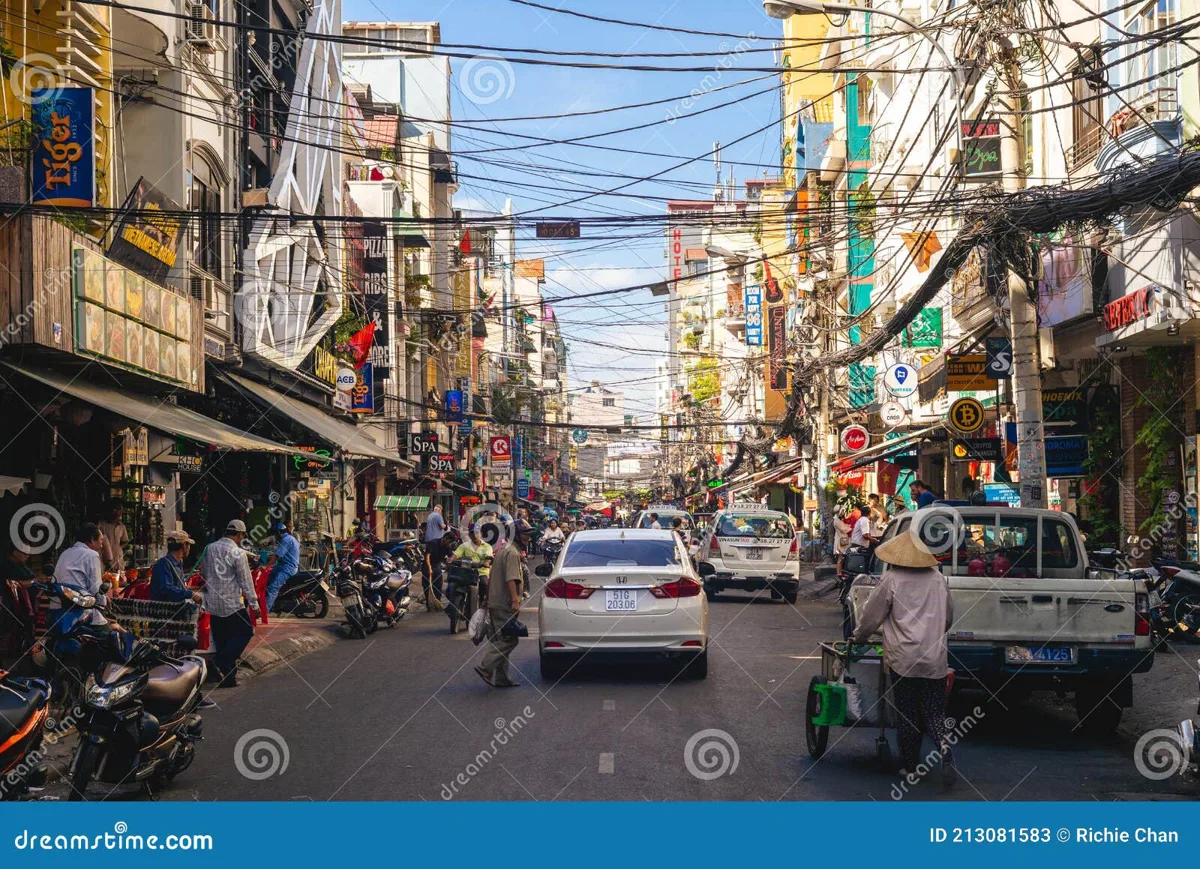
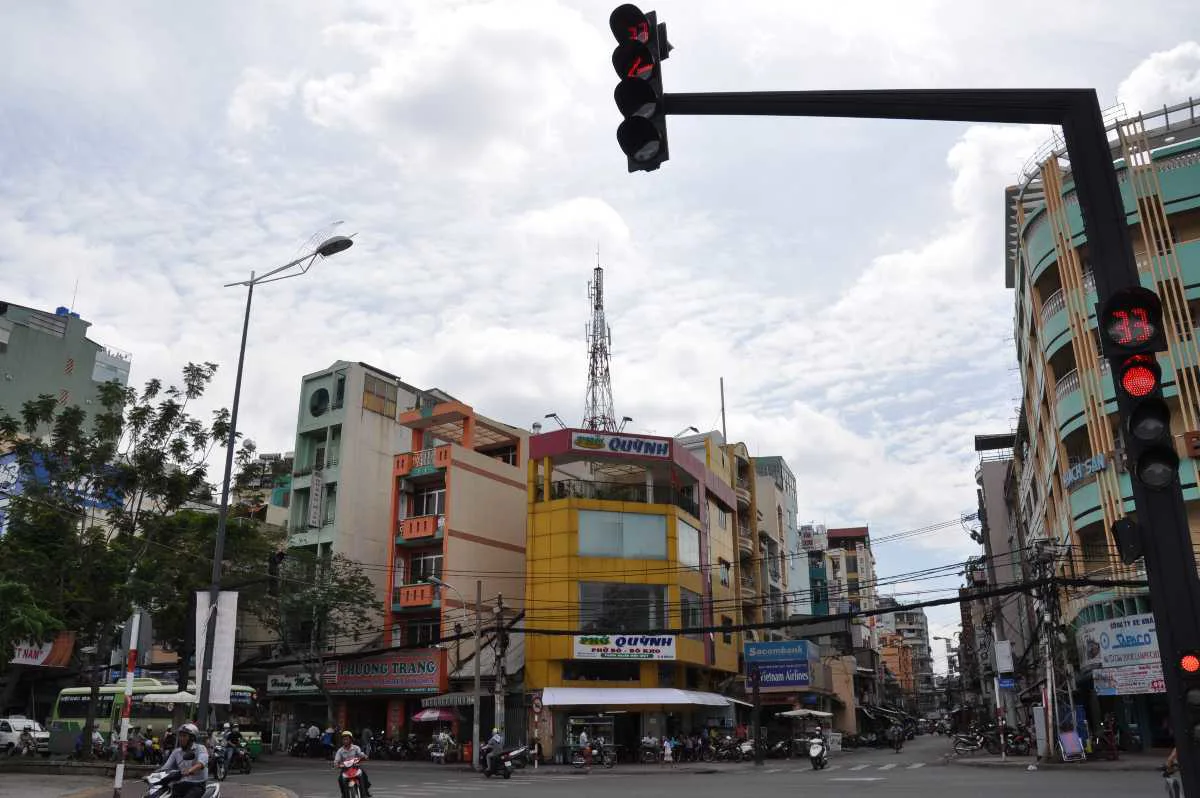
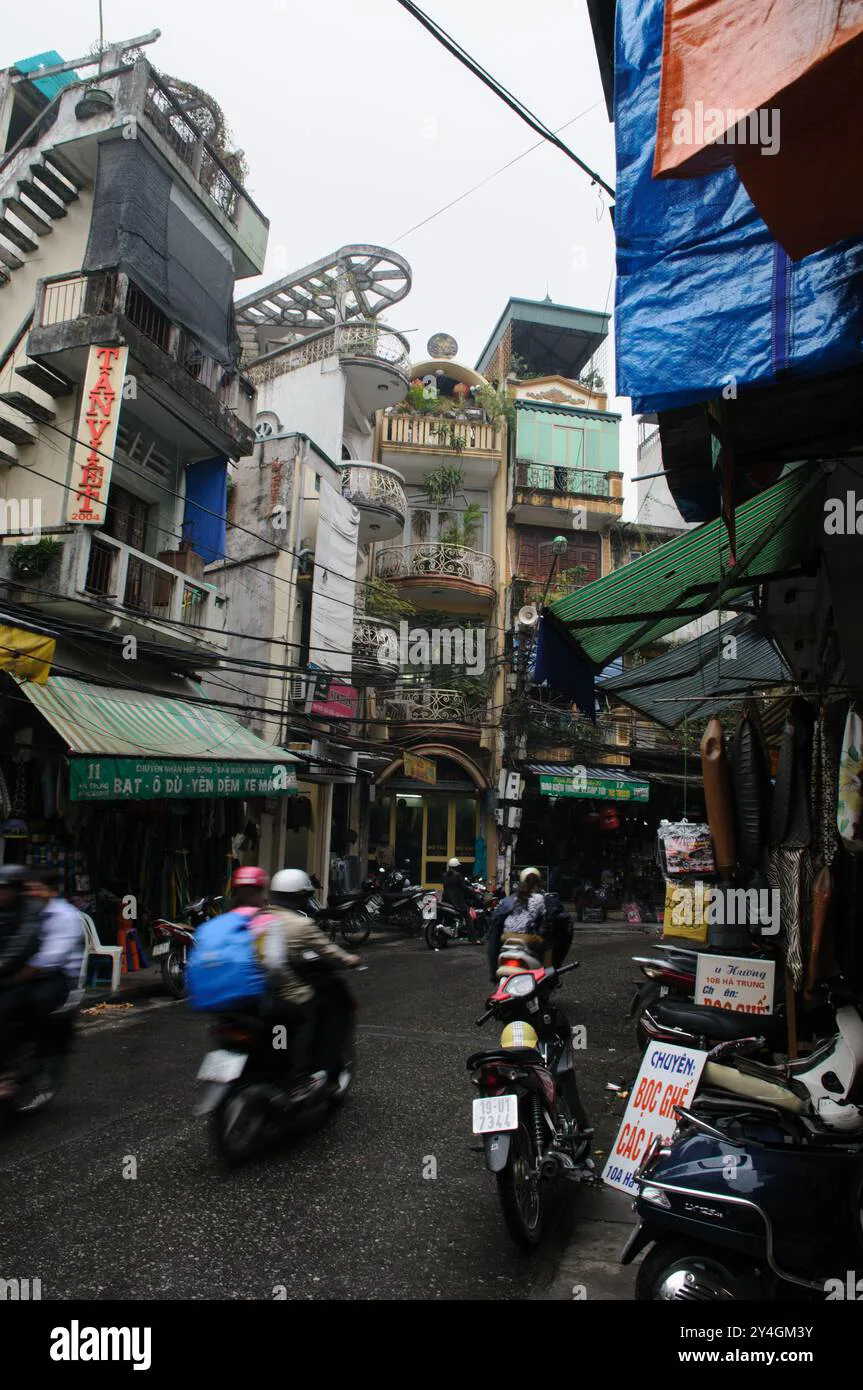
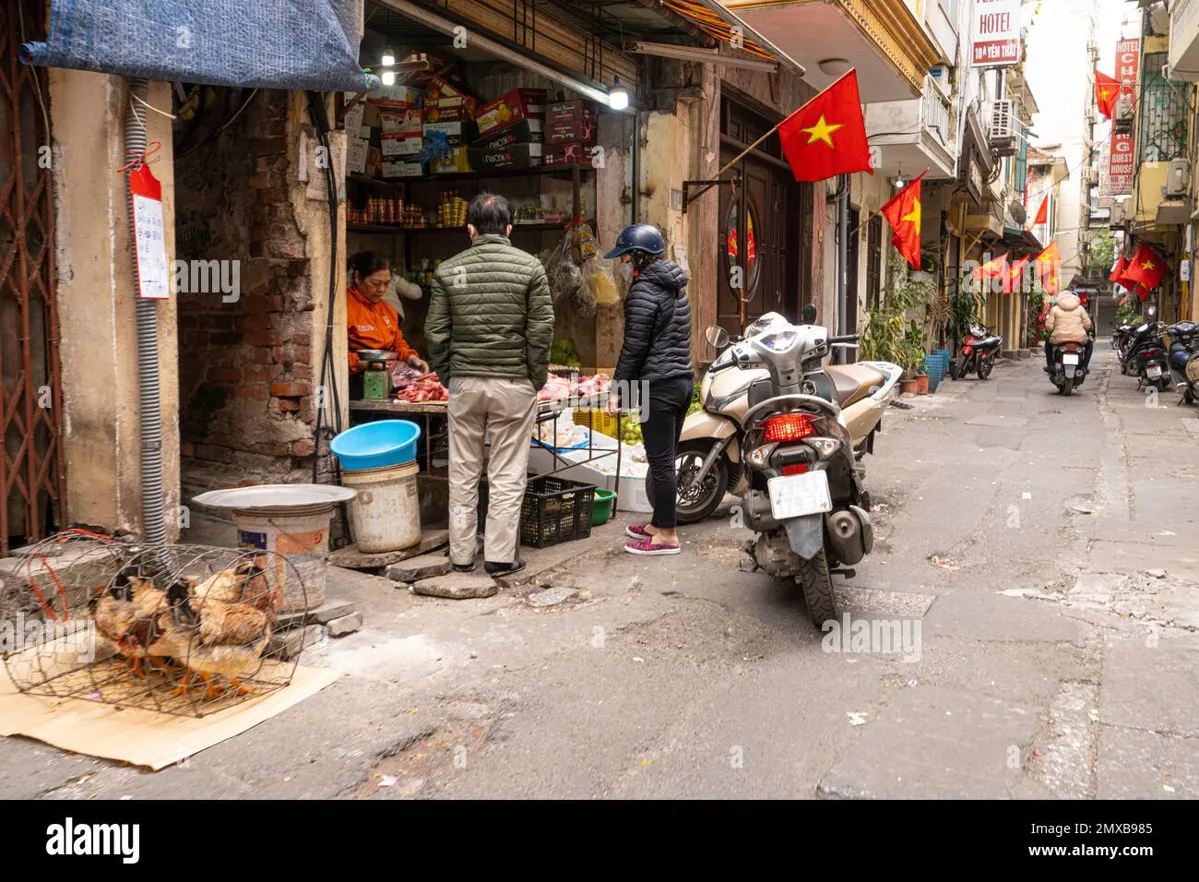
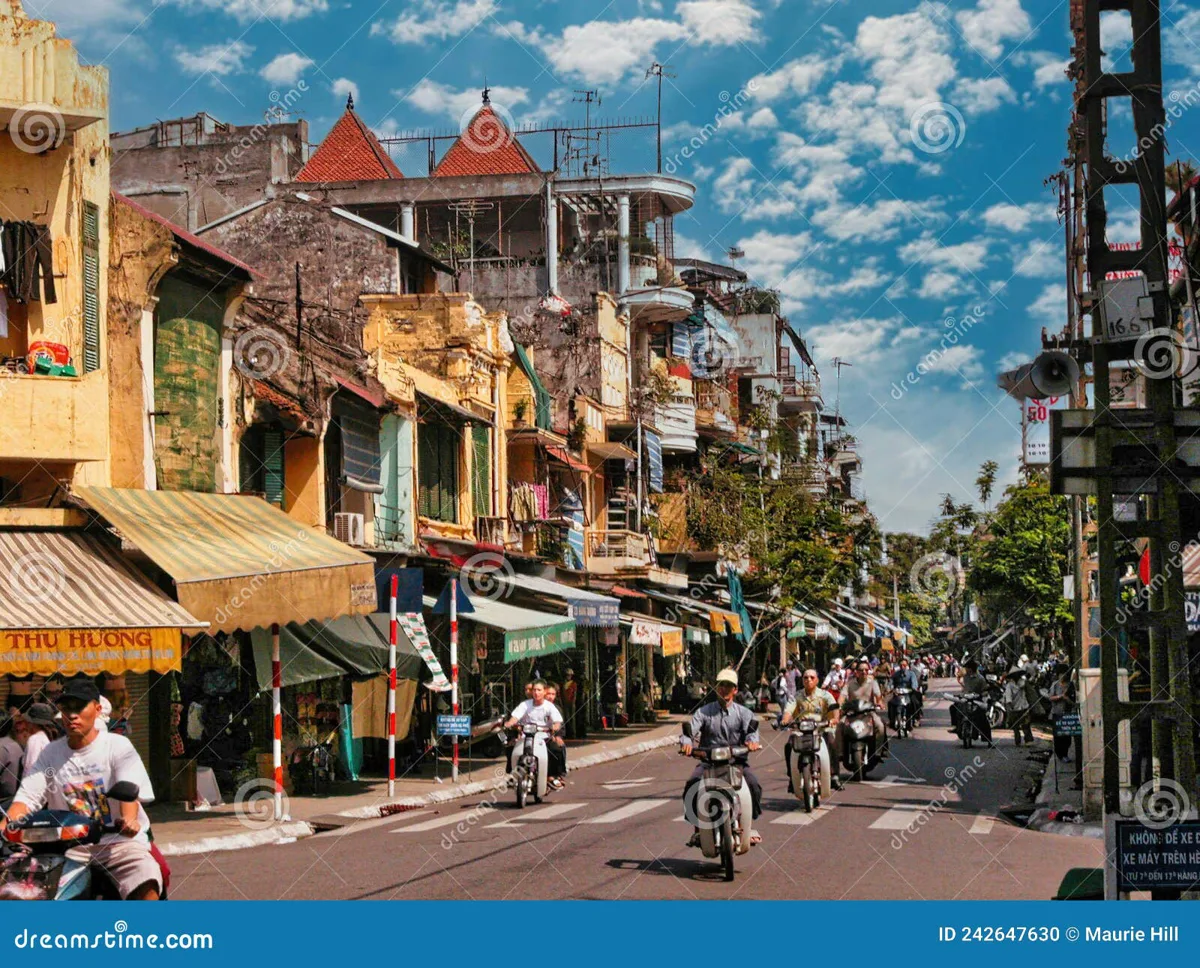
When exploring Vietnam's major cities, particularly Ho Chi Minh City and Hanoi, it is prudent to remain aware of your surroundings. While serious violent crime is uncommon, petty theft, such as pickpocketing, can occur in crowded areas. Locations like Ho Chi Minh City's Pham Ngu Lao district and Hanoi's Old Quarter are known for their high foot traffic, making them potential spots for such incidents. Visitors are advised to keep personal belongings, especially phones and wallets, secure and out of sight.
Traffic in large Vietnamese cities presents a unique challenge, characterized by a high volume of motorbikes. The sheer number of vehicles can make crossing streets feel daunting for those unaccustomed to it. During peak hours, congestion is significant. For travelers considering renting a motorbike, especially without prior experience in similar traffic conditions, engaging a local guide is highly recommended. These guides can offer advice on avoiding particularly dense areas and navigating challenging routes during busy times. Understanding accommodation options in Ho Chi Minh City's backpacker district can also help travelers stay central to many attractions while being mindful of local transport.
Tips for Pedestrian Safety
- Signal Your Intent: When crossing a street, extending a hand can signal your intention to oncoming motorcyclists, allowing them to adjust.
- Maintain a Steady Pace: Walk slowly and predictably across the street, allowing vehicles to anticipate your movement.
- Observe Your Surroundings: Continuously look in all directions, as traffic patterns can be fluid and less structured than in some Western countries.
Engaging with Local Commerce: Haggling and Currency Exchange
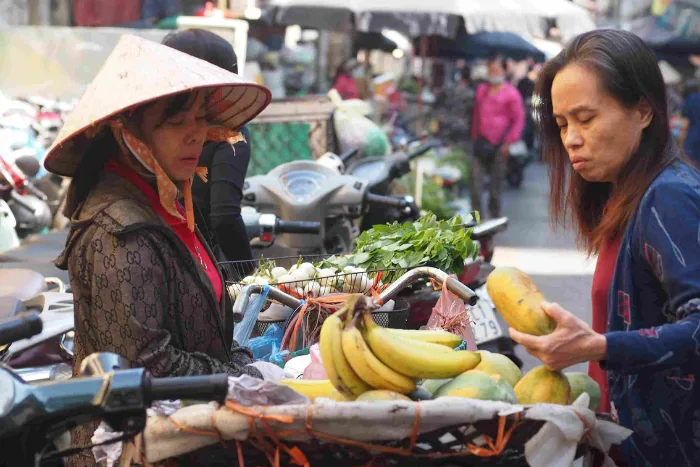
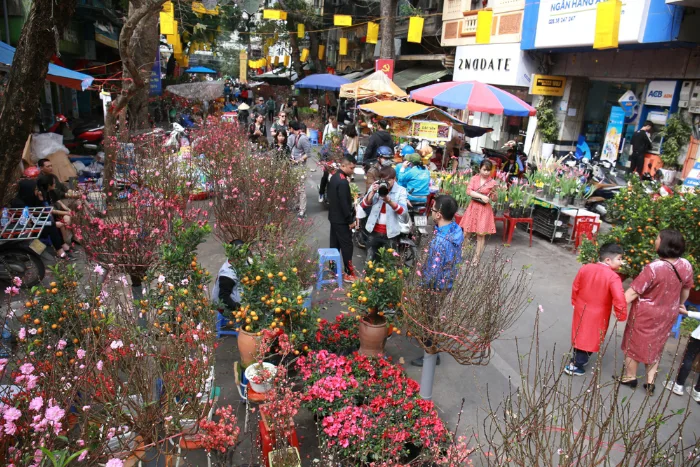
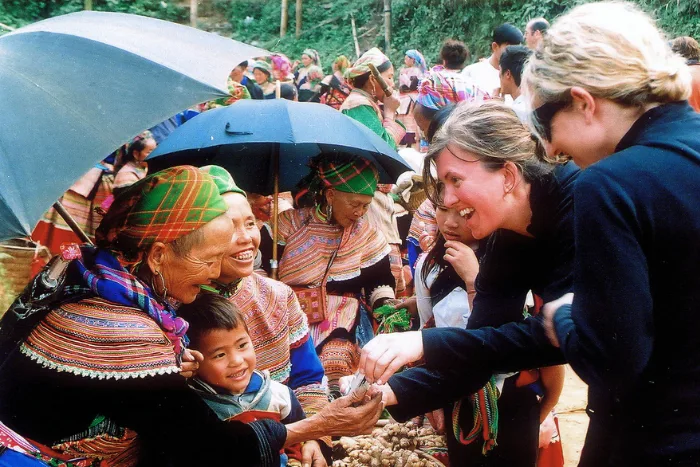
Bargaining is a common practice in Vietnam, particularly in local markets across Ho Chi Minh City and other major urban centers. Unlike in many Western retail environments, haggling over prices is often expected and can lead to more favorable deals. This practice is an integral part of the shopping experience.
To engage in bargaining, inquire about the price of an item and then propose a lower figure. If the initial offer is not accepted, a common tactic is to begin walking away; sellers may call you back with an improved price. This negotiation process can be both practical and an interesting cultural interaction. For a broader understanding of local life, consider exploring Northern Vietnam's historic craft villages, where traditional goods are often sold.
Currency Advice
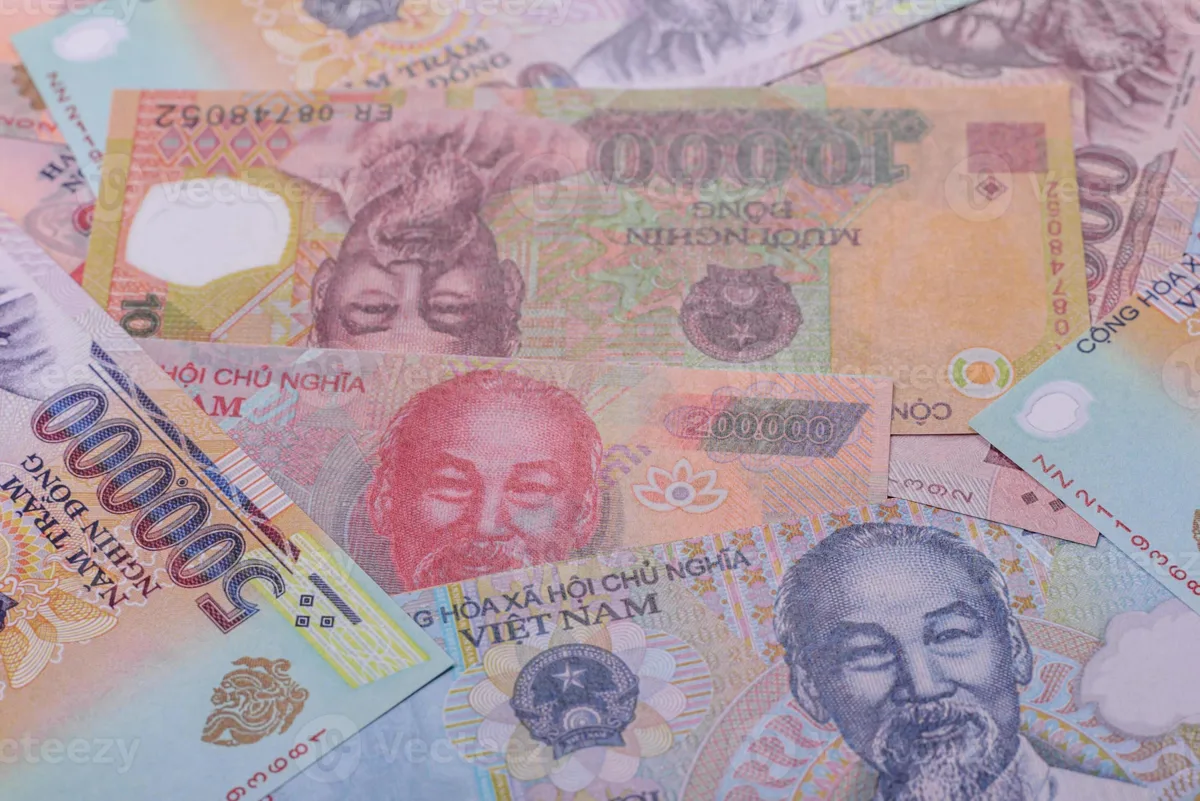
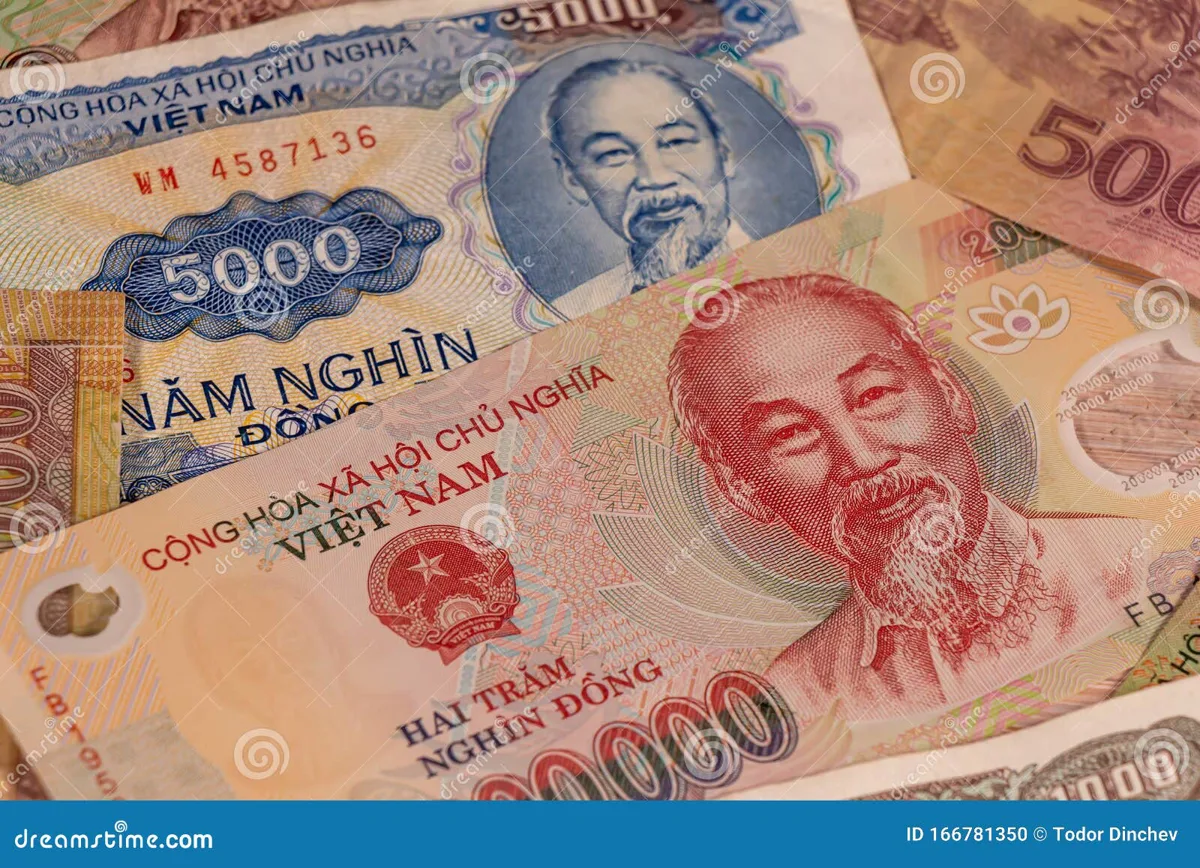
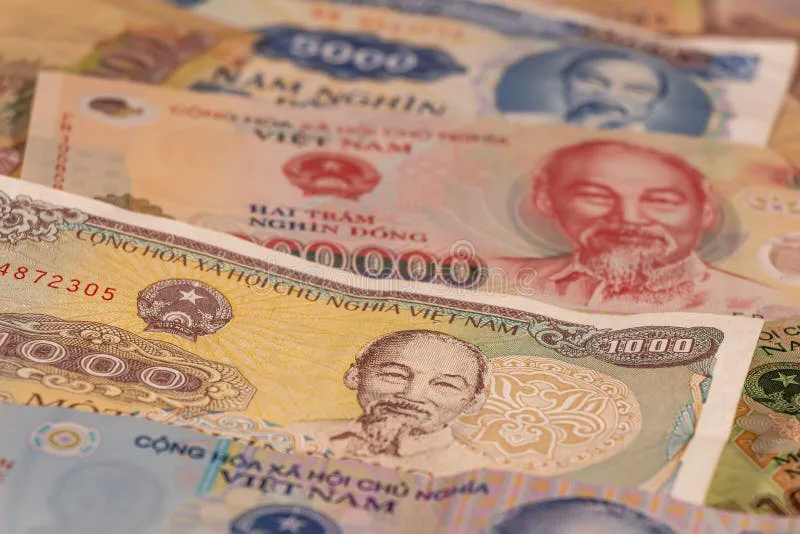
It is strongly recommended to convert your foreign currency into Vietnamese Dong (VND) for daily transactions. Paying with US dollars, while sometimes accepted, can result in unfavorable exchange rates or overpayment for goods and services. Having local currency ensures convenience and fair pricing throughout your trip.
Culinary Exploration: Enjoying Vietnamese Street Food
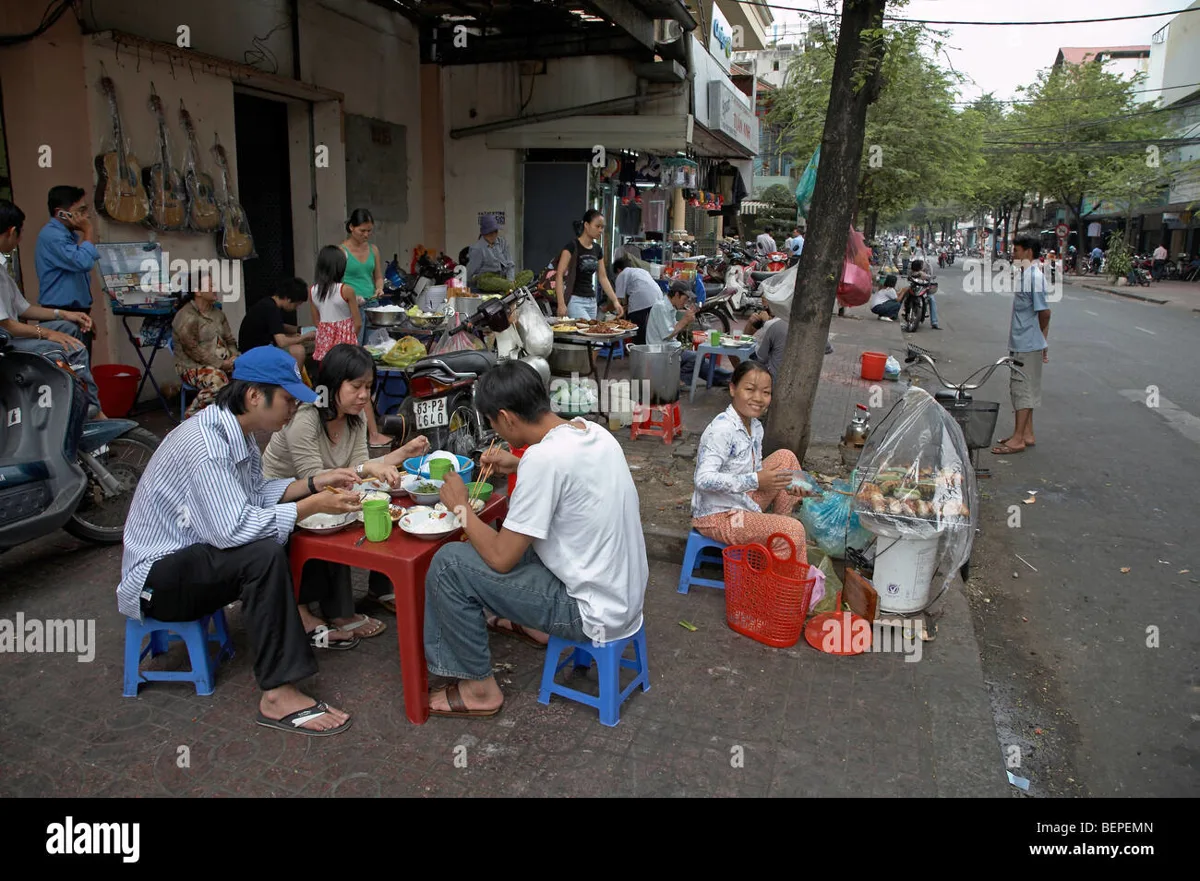
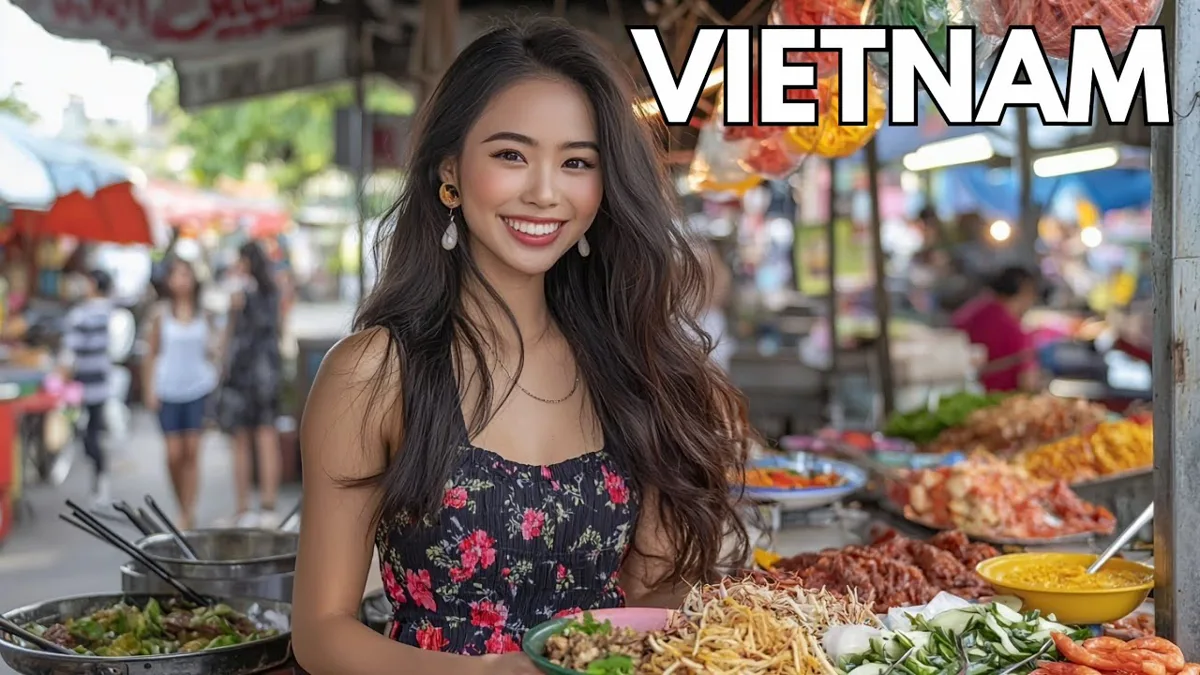
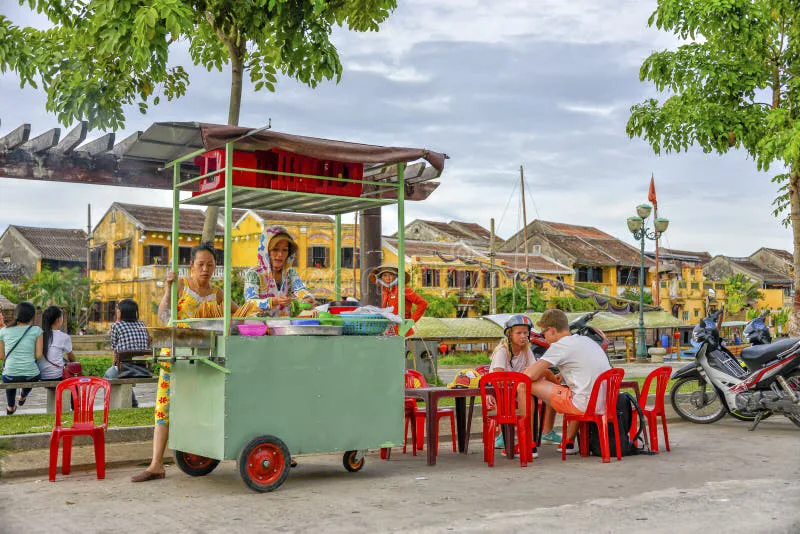
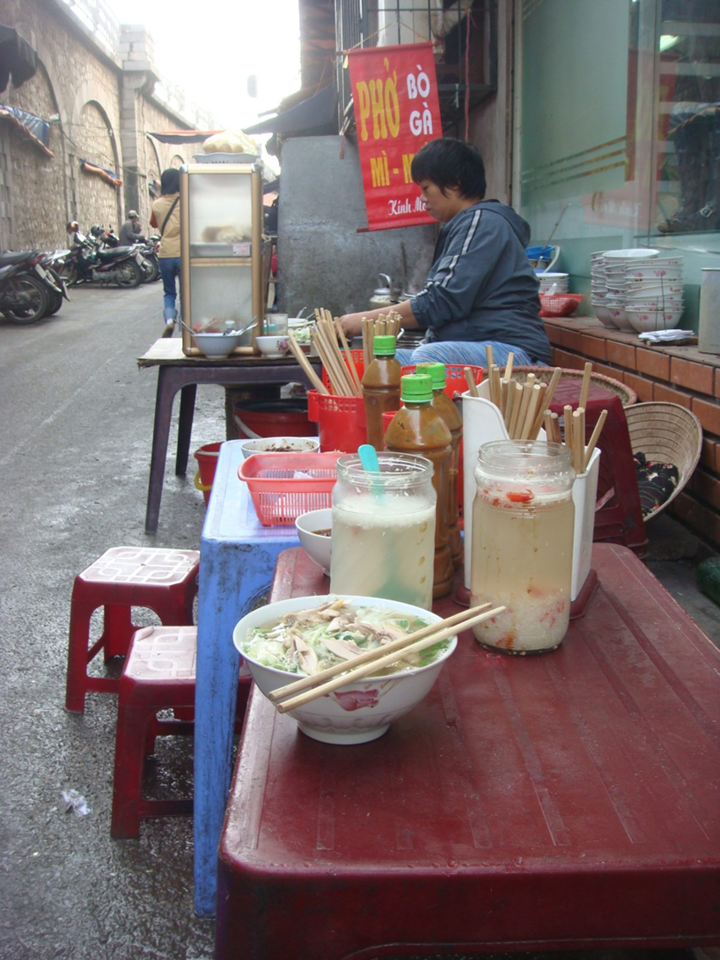
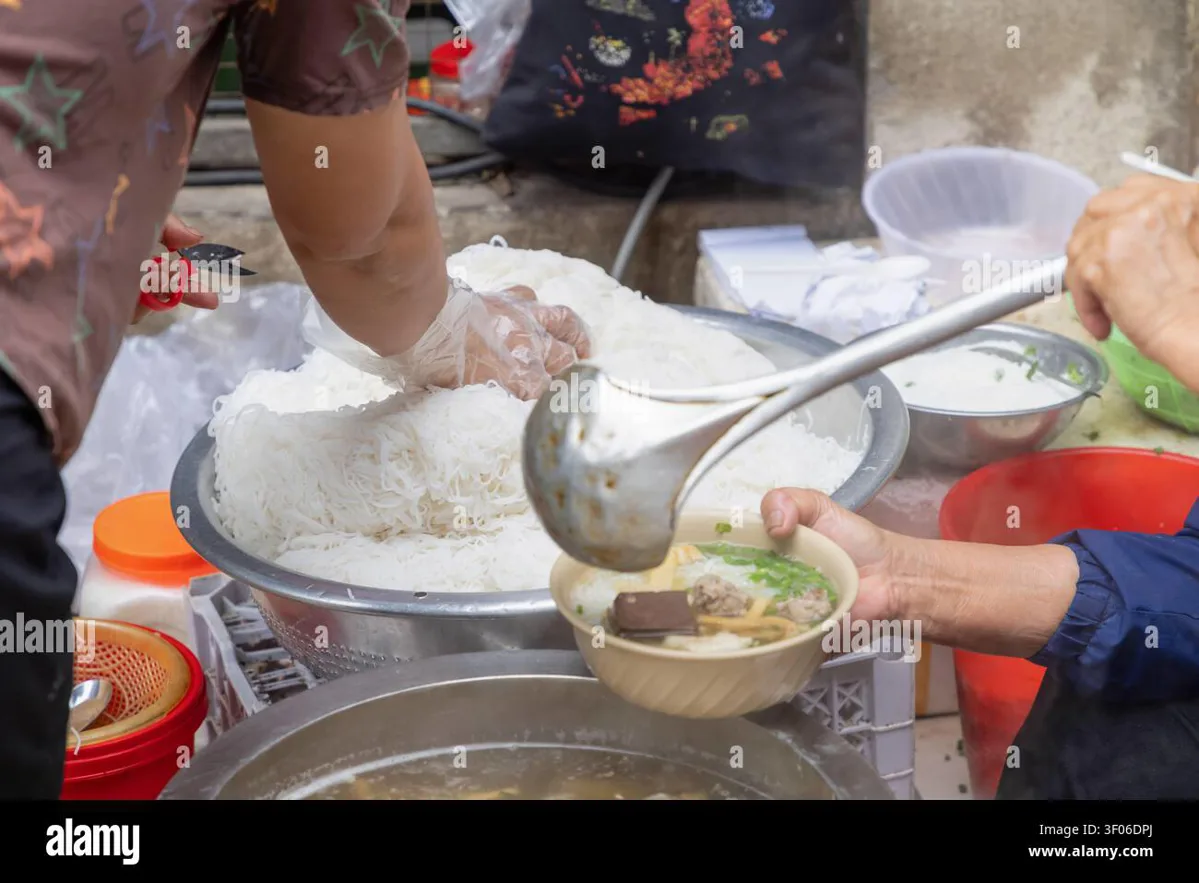
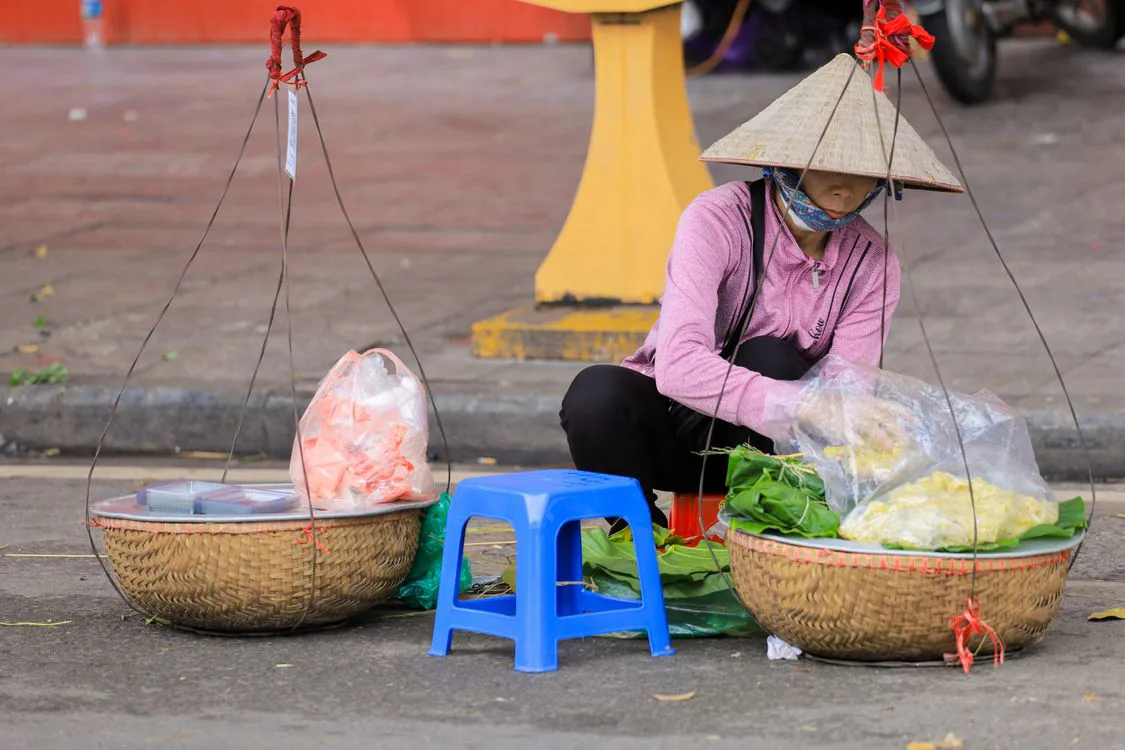
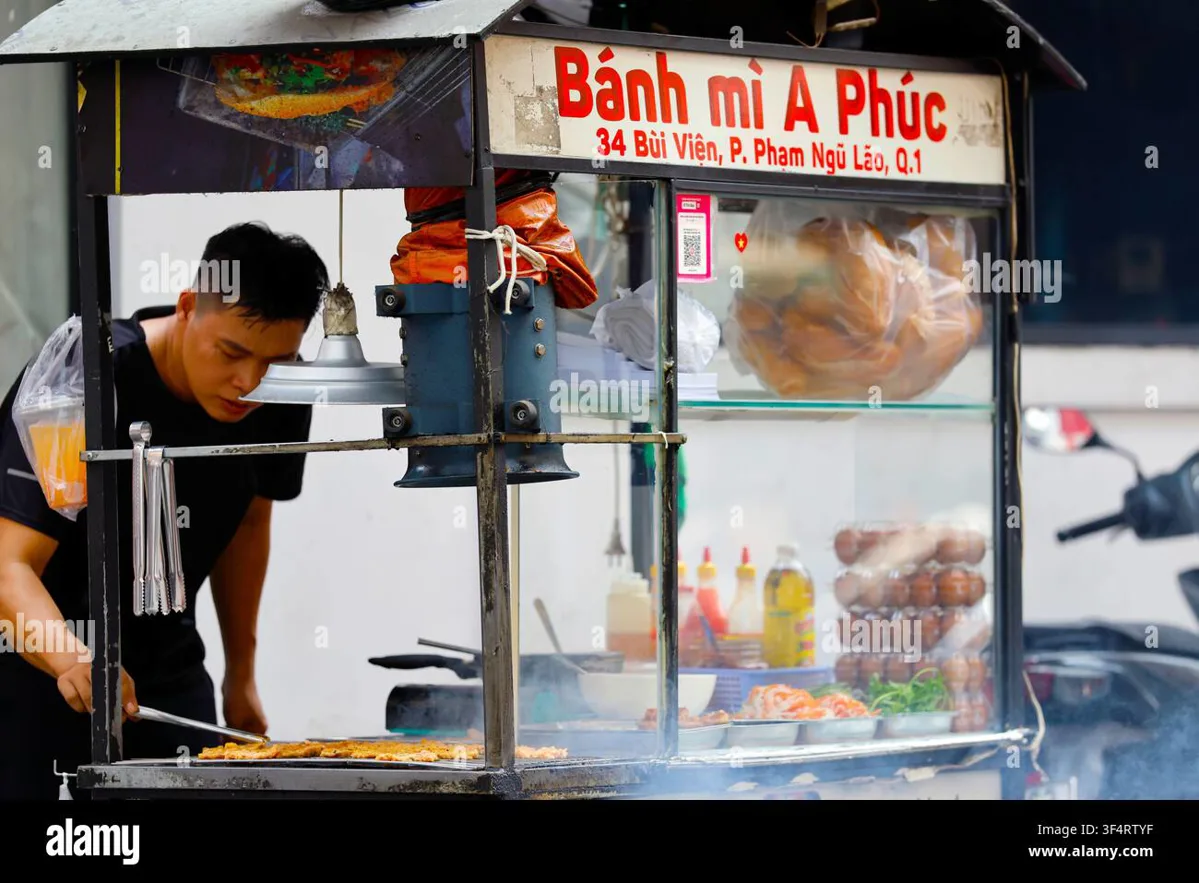
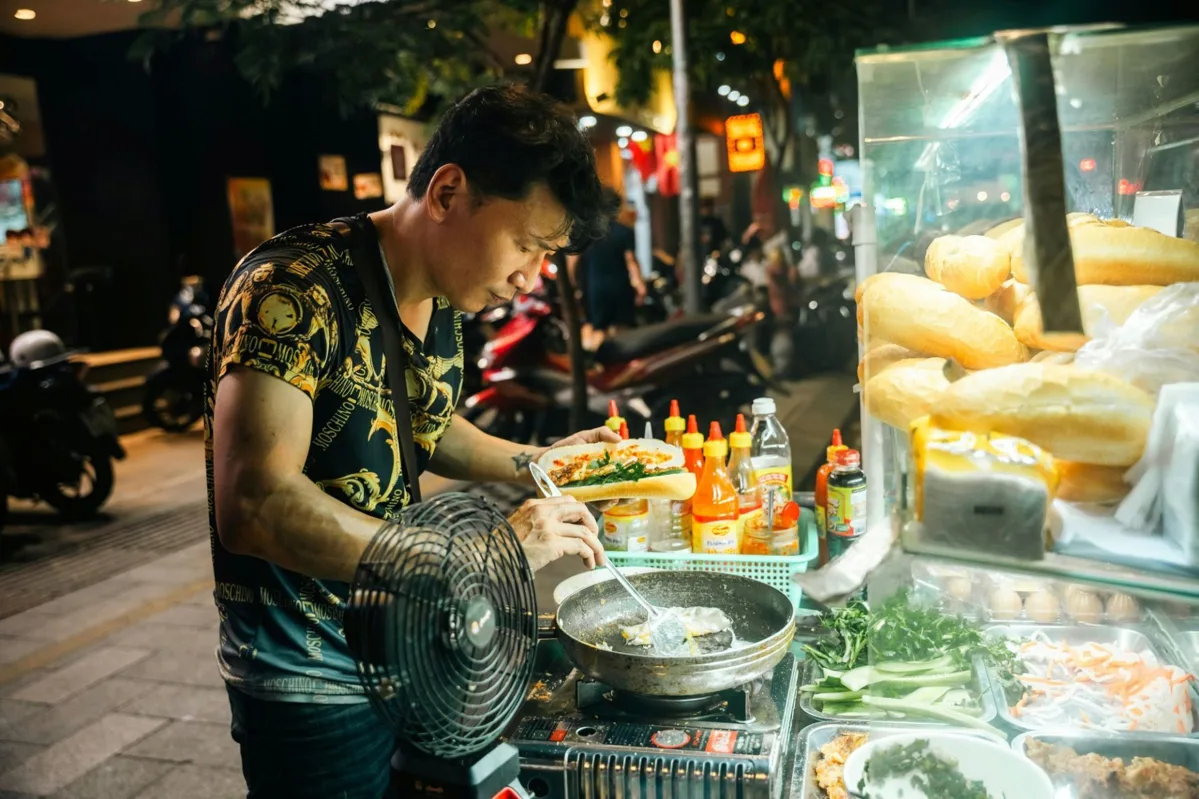
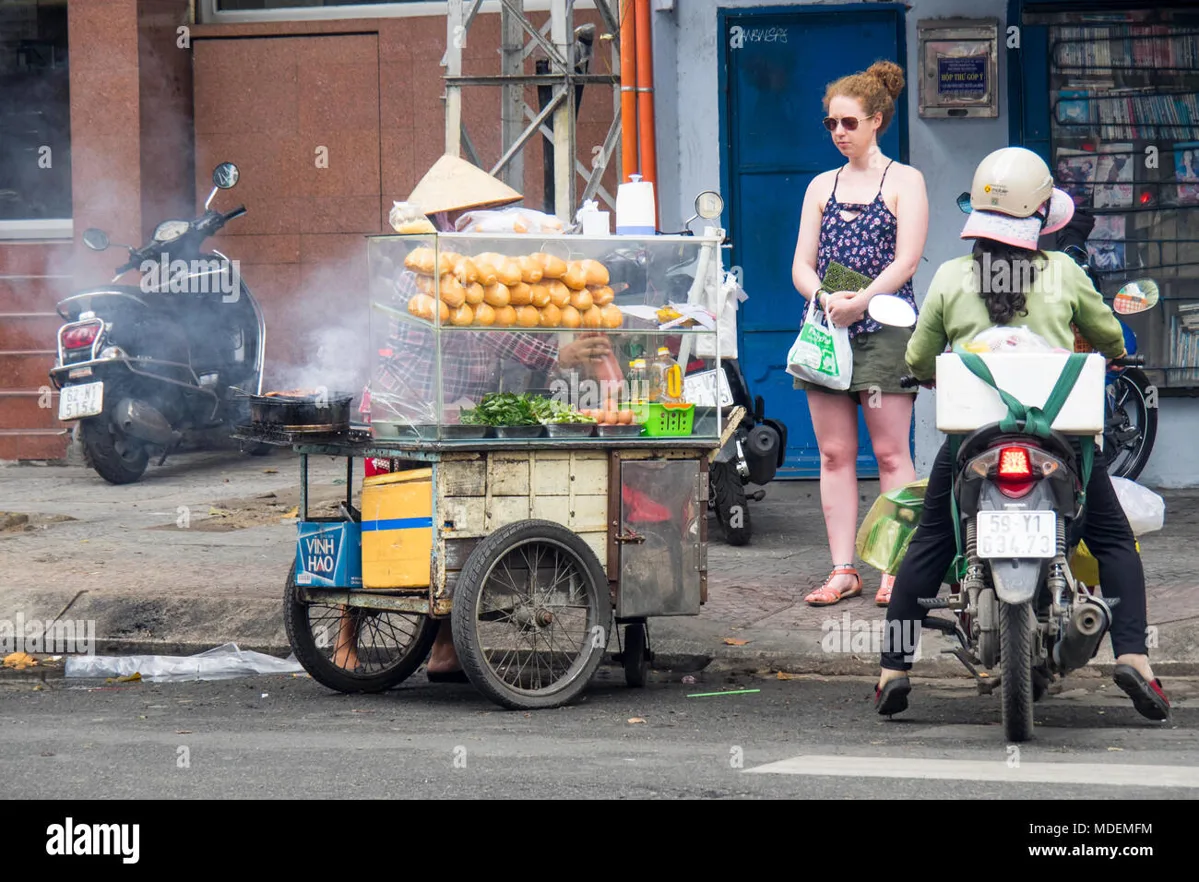
Vietnamese street food is celebrated for its diverse flavors and aromatic dishes, offering a genuine taste of the country's culinary heritage. While the experience is highly rewarding, exercising caution regarding hygiene is advisable. To minimize potential issues, consider choosing food stalls that appear busy with local patrons, as high turnover often indicates freshness and popularity.
Many visitors find that trying street food is a highlight of their trip, providing an authentic insight into local life and flavors. From pho to banh mi, the variety is extensive and caters to different tastes. To learn more about the nation's culinary traditions, exploring Vietnamese cuisine's cultural roots can deepen your appreciation.
Understanding Local Customs: Tipping and Etiquette
Historically, tipping was not a widespread custom among Vietnamese people. However, with increased international tourism, it has become more common, particularly in establishments catering to foreign visitors, such as restaurants, cafes, and hotels in major cities like Ho Chi Minh City. While not strictly mandatory in all situations, a small gratuity is now often appreciated.
For casual settings like cafes, leaving a modest amount, typically around VND 5,000 to 10,000, is a thoughtful gesture. In more formal dining establishments or for exceptional service, a slightly higher amount may be appropriate. Understanding these evolving customs contributes to a respectful and positive interaction with local service providers. For a deeper insight into the country's traditions, an overview of Vietnamese culture can be very informative.
Essential Pre-Trip Preparations
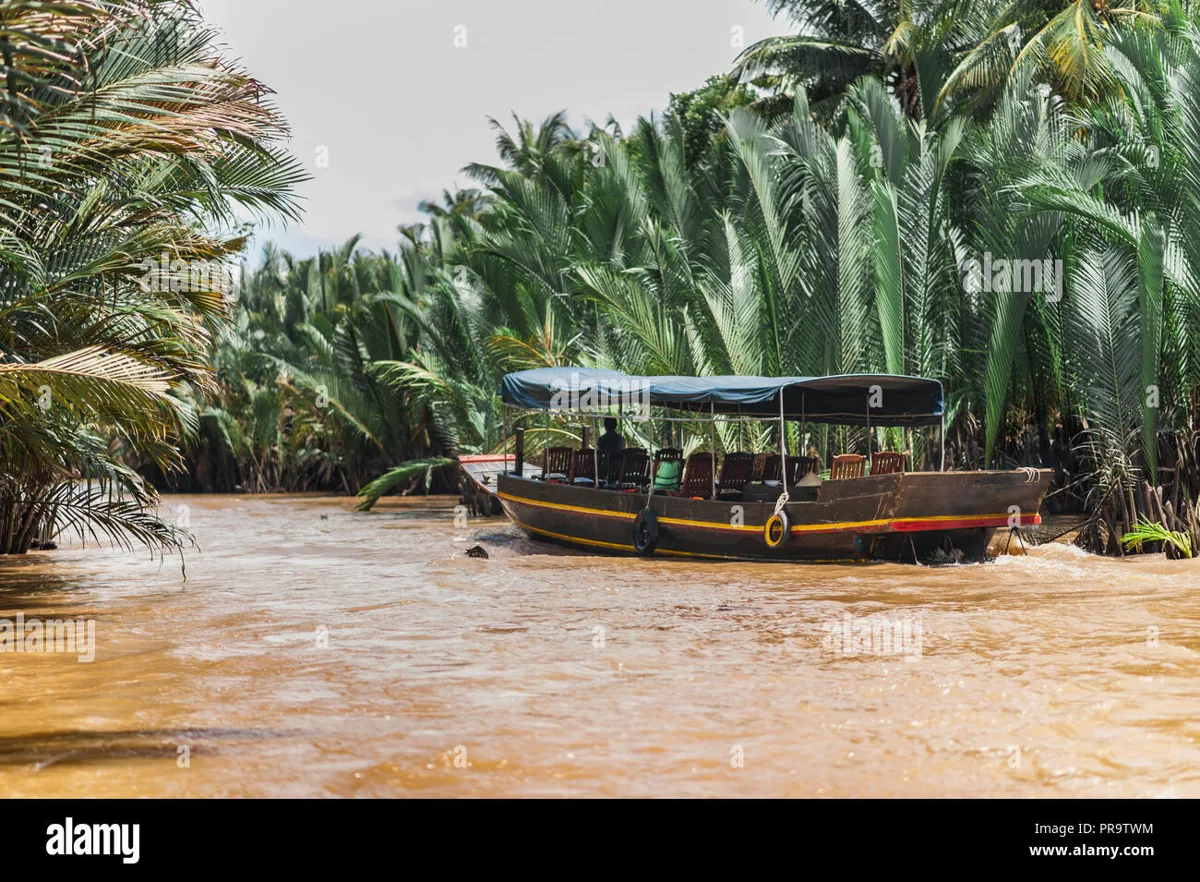
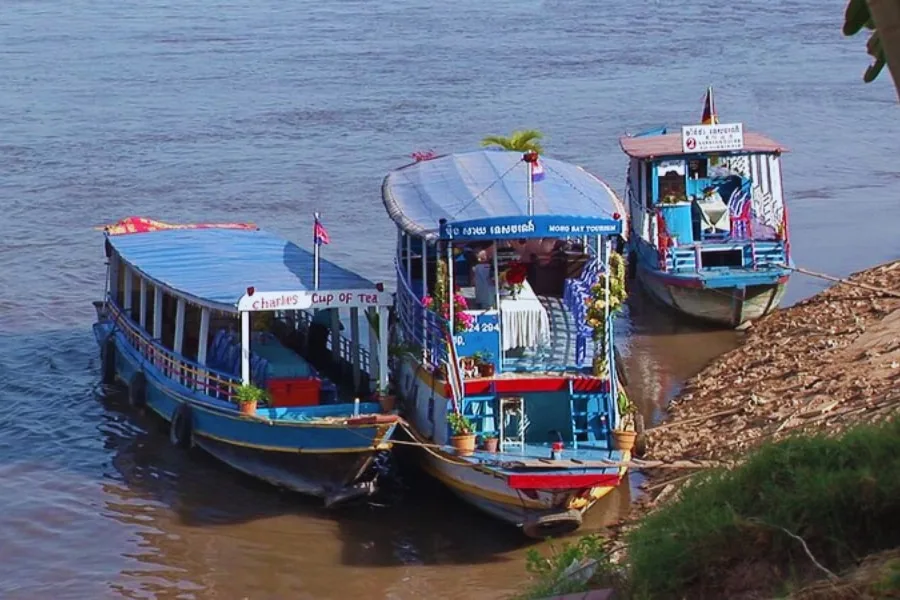
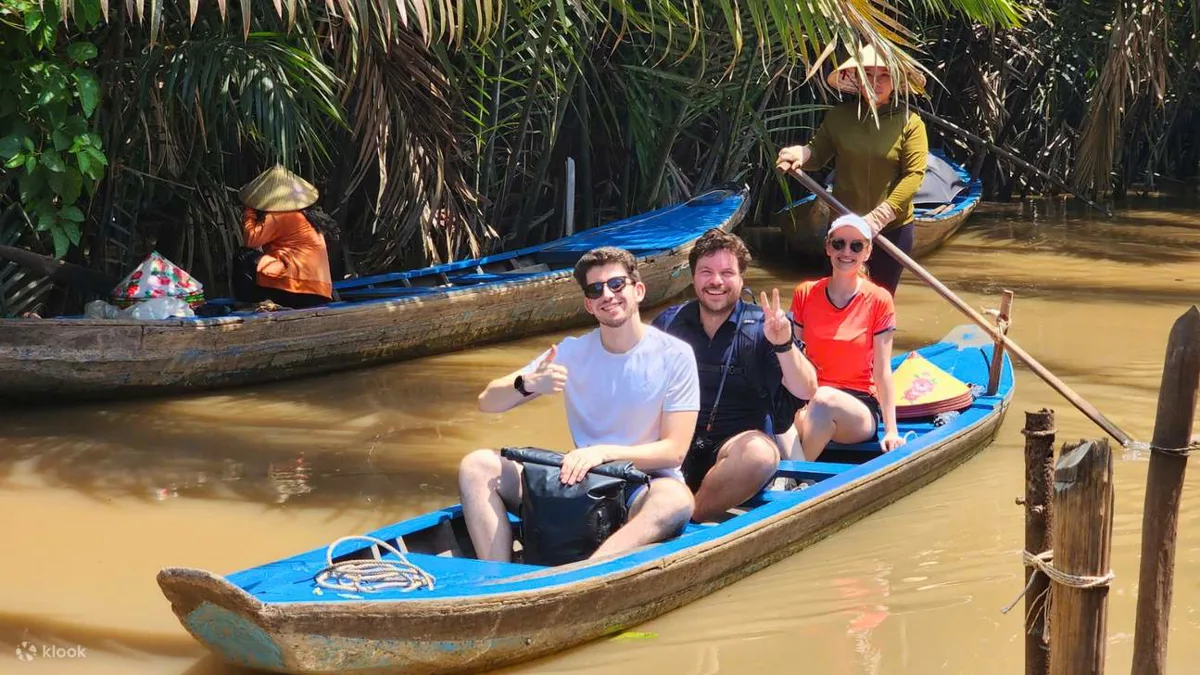
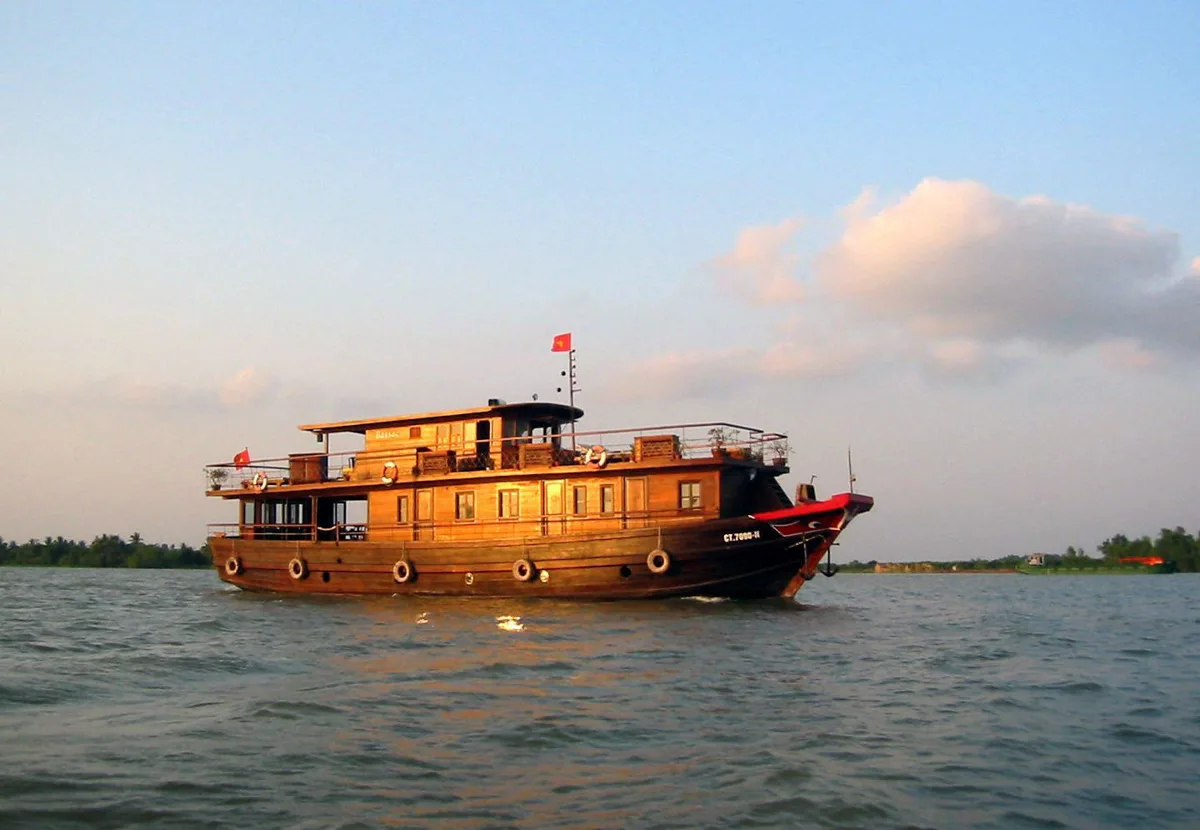
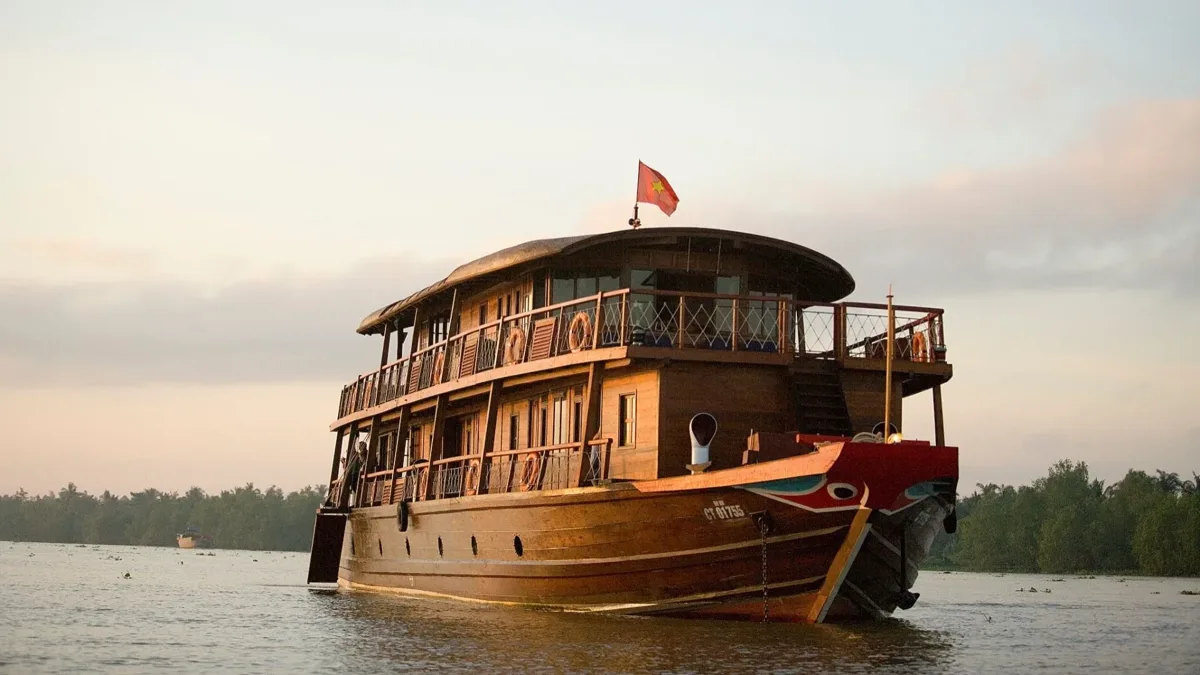

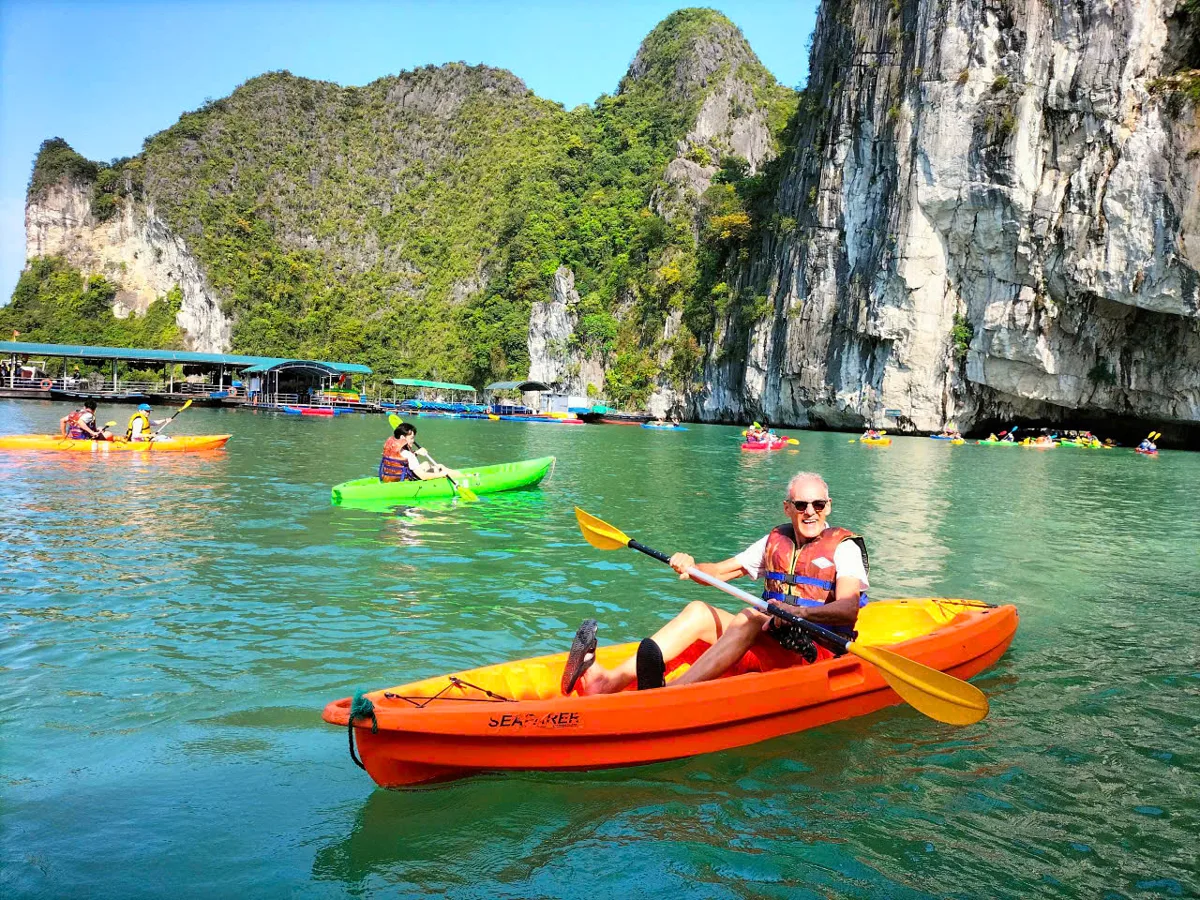

Beyond cultural and practical considerations, planning your itinerary and understanding the scope of what Vietnam offers can greatly enhance your travel experience. From the bustling energy of Ho Chi Minh City to the serene landscapes of the Mekong Delta and the historic charm of Hanoi, the country presents a wide array of destinations. Consider a comprehensive journey like the Southern to Northern Vietnam: Cities, Delta & Halong Bay – 10 Days tour to experience diverse regions.
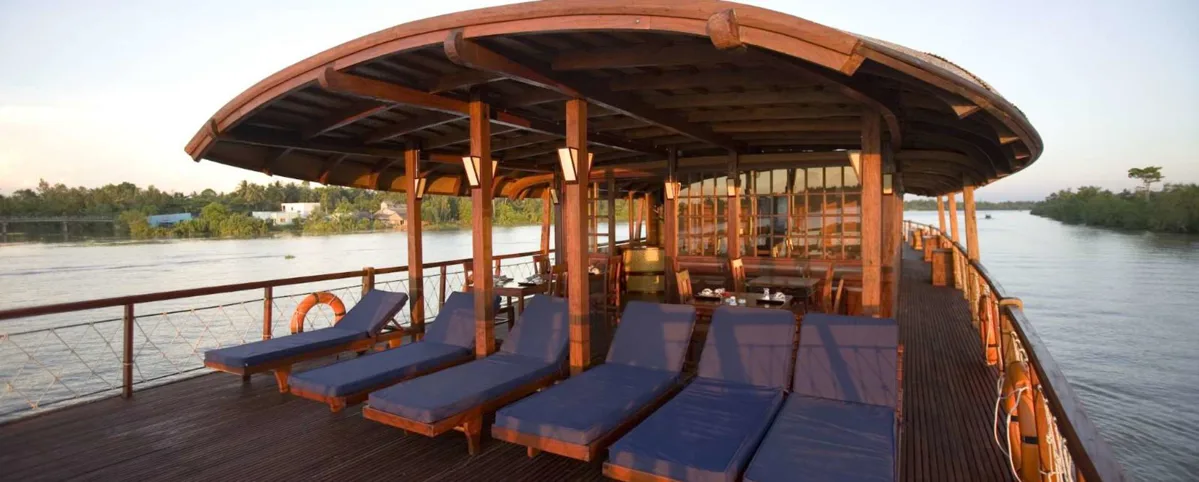
For those interested in exploring specific regions, such as the southern metropolis and its surrounding areas, a focused itinerary can be beneficial. For instance, a Ho Chi Minh City & Bassac Mekong Delta Cruise – 6 Days offers a blend of urban exploration and tranquil river experiences. Regardless of your chosen path, being informed about local practices will contribute to a more enriching and trouble-free visit.
Frequently Asked Questions
Is Vietnam generally safe for international visitors?
Vietnam is widely considered safe for international travelers, with violent crime being rare. However, visitors should be vigilant against petty theft, particularly pickpocketing in crowded tourist areas and markets. Keeping valuables secure and exercising general awareness can help prevent such incidents.
Do I need to learn Vietnamese phrases before visiting?
While not strictly necessary, learning a few basic Vietnamese phrases like greetings (e.g., "Xin chào" - hello) and polite expressions (e.g., "Cảm ơn" - thank you) can significantly enhance your interactions with locals. In major tourist areas, many people in the service industry will have some English proficiency.
What is the best way to get around in Vietnamese cities?
In large cities, motorbikes are the predominant mode of transport. Taxis and ride-hailing apps (like Grab) are readily available and convenient. For shorter distances, walking is an option, but navigating the busy traffic requires caution. Cyclos (pedicabs) offer a unique, slower way to see certain areas.
Should I drink tap water in Vietnam?
It is generally not recommended to drink tap water in Vietnam. Bottled water is widely available and affordable, and it is the safest option for hydration. Many hotels also provide complimentary bottled water for guests.
Is Wi-Fi widely available for travelers?
Yes, Wi-Fi is broadly accessible in Vietnam. Most hotels, guesthouses, cafes, and restaurants offer free Wi-Fi for customers. Purchasing a local SIM card with data is also an inexpensive and convenient option for staying connected while on the go.








