Phu Quoc Island stands as a premier destination for those seeking a seaside retreat in Vietnam. Its extensive coastline features a variety of beaches, from secluded coves to more frequented shores, each presenting unique appeal. This guide details 15 of the island's most notable beaches, offering insights into their locations, characteristics, and recommended activities to assist visitors in planning their coastal exploration.
Introduction to Phu Quoc's Diverse Coastline
Phu Quoc, Vietnam's largest island, is celebrated for its natural beauty, particularly its diverse range of beaches. The island's shores cater to different preferences, whether visitors seek tranquil environments, opportunities for water activities, or prime locations for observing sunsets. Understanding the distinct qualities of each beach can enhance a trip to this southern Vietnamese island, ensuring a memorable experience tailored to individual interests.
The island's geography contributes to the varied nature of its beaches. From the northern reaches, characterized by a more untouched landscape, to the developed southern areas, and the western coast known for its evening sky displays, Phu Quoc offers a spectrum of coastal experiences. Many areas remain relatively undeveloped, preserving a sense of natural serenity, while others have seen increased accessibility and amenities.
Northern Phu Quoc: Tranquil Retreats and Unique Features
Ganh Dau Cape
Situated on the northwestern tip of Phu Quoc, Ganh Dau Cape is recognized for its calm and beautiful beaches. Visitors often find the atmosphere here refreshing, with soft yellow sands and exceptionally clear blue waters contributing to a sense of peace. The area maintains a quiet ambiance, making it suitable for those who prefer less crowded environments. Observing the sunset at Ganh Dau, as the sky transitions through shades of rose gold and reflects on the water's surface, is a particularly recommended experience.
Rach Vem Beach
Located within Ganh Dau Commune, Rach Vem is a distinctive beach known for its fine sand and occasional wild moss. It has earned the nickname "starfish kingdom" due to the frequent presence of starfish, visible both in the clear, shallow water and resting on the white sands. The optimal period for a visit is from November to March, when conditions are ideal for activities such as swimming, observing marine life, and enjoying fresh seafood.
Doi Moi Island
Doi Moi Island, positioned opposite Vinpearl Phu Quoc and approximately one kilometer from Dai Beach, offers a largely untouched natural setting. Its pristine condition appeals to individuals who appreciate simplicity and a close connection with nature. The island features fine white sand that glistens under sunlight, providing an excellent spot for sunbathing or group activities.
Mot Island (Hon Mot)
In the northeastern part of Phu Quoc, close to the Cambodian border, lies Hon Mot, often referred to as a "forgotten fairyland" due to its undeveloped and serene character. A unique aspect of visiting Hon Mot is the opportunity to walk across a 200-meter floating pathway to the island during low tide. The clear, blue waters and abundant ancient green trees create an idyllic setting, suitable for day trips or overnight camping as tourism services are minimal.
Cua Can Beach
Cua Can Beach is characterized by its smooth, gentle white sands, formed at the confluence of the ocean and the Cua Can River. This area remains largely undeveloped, with local residents primarily managing the sparse infrastructure. The beach forms a distinctive curve, framed by surrounding mountains, creating a visually appealing landscape for relaxation and walks along the refreshing shoreline.
Sang Giau Beach
Less widely known, Sang Giau Beach is accessible via a forest path and runs parallel to Dai Beach. This secluded spot is noted for its fresh seafood and local specialties like bamboo chicken. Visitors can also find a Phu Quoc dog farm nearby. Activities available include swimming, fishing, and kayaking, catering to those seeking outdoor engagement in a quieter setting.
Dai Beach
Situated in the northwest of Phu Quoc, Dai Beach has received international recognition, being listed among the world's most beautiful and unspoiled beaches. It boasts a long, straight coastline extending 15 kilometers, where white sands meet mangrove fields, creating a harmonious natural environment. The beach offers an escape from urban environments, providing cool waters, fresh air, and ample sunshine for a relaxing experience.
Western Phu Quoc: Popular Shores and Evening Views
Ong Lang Beach
Located on the western coast, approximately six kilometers from Duong Dong town, Ong Lang Beach presents a series of sandy stretches interspersed with rocky areas. While it may not attract the same crowds as some other beaches, it maintains a simple and peaceful charm. Green trees line the coast, complementing the gently sloping golden sand and distinct greenish-blue water. The period from November to April is considered ideal for visiting, as the water is typically shallow and exceptionally clear. Ong Lang is also a favored spot for watching the sunset.
Dinh Cau Cape
Dinh Cau, situated 200 meters west of Duong Dong town, is a popular coastal location. It lies adjacent to the ancient Dinh Cau Temple, known for its moss-covered roof beneath an old oak tree. The area is frequented by visitors drawn to its historical significance and the opportunity to witness striking sunsets over the ocean.
Truong Beach
Extending for 20 kilometers in Duong To commune, Truong Beach is one of Phu Quoc's longest and most appealing shores. Its gentle golden sands are punctuated by green coconut groves, creating a visually pleasing contrast. The water here remains clear throughout the year, allowing visibility of pebbles and seaweed below the surface. This beach is also highly regarded for its sunset views, attracting photographers. For those who appreciate a lively atmosphere that still connects with nature, Truong Beach offers a suitable environment.
Vung Bau Beach
Approximately 20 kilometers from Duong Dong Town, Vung Bau Beach is a relatively untouched area where natural vegetation, including woody plants, palm trees, and coconut trees, remains largely intact. Its distinctive crescent shape has earned it the alternative name "Ban Nguyet." Beyond its natural beauty and clean air, Vung Bau provides opportunities for activities such as scuba diving to observe corals, kayaking, fishing, and night squid fishing.
Southern Phu Quoc: Renowned Sands and Archipelagos
Sao Beach
About 25 kilometers from Duong Dong Town, Sao Beach is recognized for its smooth, crescent-shaped white sand and clear blue sea. Positioned between two mountain ranges that extend close to the sea, it benefits from fresh air, creating an excellent setting for a vacation. The best time to visit Sao Beach for calm conditions is from June to October, when it is sheltered from the southwest wind, resulting in tranquil and exceptionally clear waters. This beach has been noted by publications such as CN Traveler as one of the world's most pristine.
Khem Beach
Khem Beach, located in southern Phu Quoc approximately 25 kilometers from Duong Dong town, possesses a wild and peaceful charm. Its bow-shaped expanse of fine white sand, blue seawater, and natural rock formations, combined with a border of trees, create a harmonious setting for relaxation. Visitors often report positive interactions with the local residents, who are known for their hospitality. For those interested in local products, exploring nearby markets can reveal unique purchases from a trip to Vietnam.
Thom Island (Hon Thom)
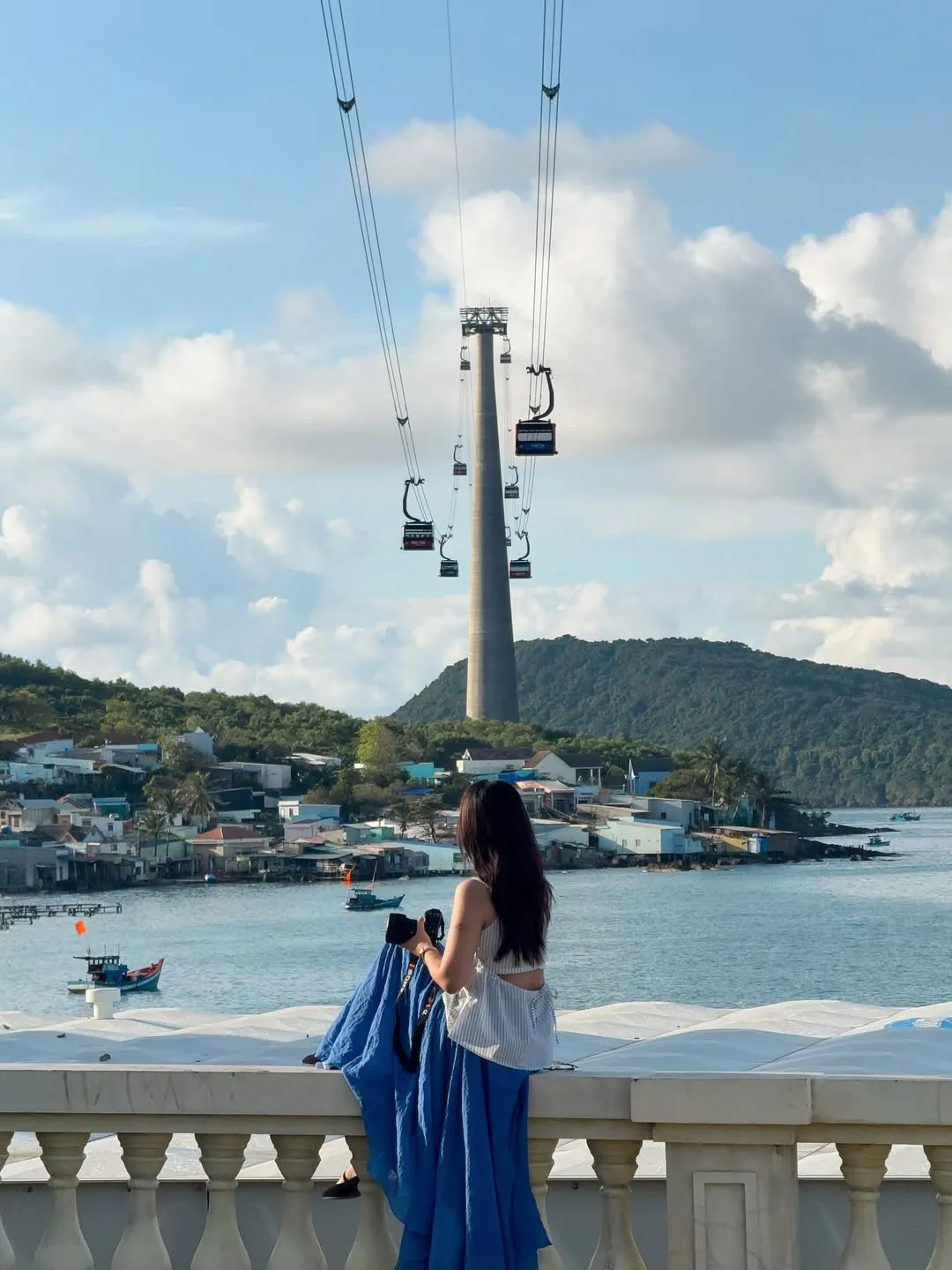
Hon Thom is the largest of 12 small islets situated south of Phu Quoc. Historically undeveloped, it began to see tourism growth with the introduction of the Hon Thom cable car system, which commenced operations on February 4, 2018. The island features several beautiful beaches, including Nom, Chuong, Nam, and Trao, all characterized by white sand, deep clear waters, and coastal trees like coconuts, poplars, or casuarinas. These features make it suitable for swimming and sunbathing.
An Thoi Archipelago
The An Thoi archipelago, located in the southern part of Phu Quoc, comprises 18 islands, with Mong Tay, Dam Ngang, May Rut, Kim Quy, and Kho being among the most well-known. These islands are celebrated for their untouched beauty, featuring crystal blue waters, creamy white sands, natural rock formations, and lush green trees that collectively form a serene landscape. Activities available include sunbathing, snorkeling, kayaking, and fishing, allowing visitors to explore the marine environment. Comparing these experiences with other coastal regions, visitors might find similarities to Halong Bay's best beaches for relaxation.
Quick Reference: Phu Quoc Beach Characteristics
| Beach Name | Location | Key Features | Ideal Visiting Period |
|---|---|---|---|
| Ganh Dau Cape | Northwest Phu Quoc | Peaceful, soft yellow sand, clear blue water, sunset views | Year-round |
| Ong Lang Beach | West coast, 6km from Duong Dong | Rocky sections, green trees, golden sand, greenish-blue water, sunset views | November - April |
| Rach Vem Beach | Ganh Dau Commune | Fine sand, wild moss, "starfish kingdom," fresh seafood | November - March |
| Doi Moi Island | Opposite Vinpearl Phu Quoc | Pristine, fine white sand, sunbathing | Year-round |
| Thom Island (Hon Thom) | South Phu Quoc | White sand, deep clear water, coastal trees, cable car access (since Feb 2018) | Year-round |
| Sao Beach | South Phu Quoc, 25km from Duong Dong | Crescent-shaped white sand, clear blue sea, fresh air, calm waves | June - October |
| Dai Beach | Northwest Phu Quoc | 15km long, white sand, mangrove fields, escape from city | Year-round |
| Khem Beach | South Phu Quoc, 25km from Duong Dong | Bow-shaped fine white sand, blue sea, rocky rapids, local hospitality | Year-round |
| Dinh Cau Cape | West of Duong Dong (200m) | Adjacent to Dinh Cau Temple, sunset views | Year-round |
| Truong Beach | Duong To commune | 20km long, golden sand, coconut groves, clear water, sunset views | Year-round |
| Mot Island (Hon Mot) | Northeast Phu Quoc | Wild, near Cambodia, floating pathway at low tide, no tourism services | Year-round |
| Vung Bau Beach | West Phu Quoc, 20km from Duong Dong | Crescent-shaped, intact vegetation, scuba diving, kayaking | Year-round |
| Sang Giau Beach | Parallel to Dai Beach (forest access) | Secluded, fresh seafood, Phu Quoc dog farm, outdoor activities | Year-round |
| Cua Can Beach | River mouth (Cua Can River) | Smooth white sand, unspoiled, unique curve, mountains | Year-round |
| An Thoi Archipelago | South Phu Quoc (18 islands) | Crystal blue water, creamy white sand, natural rock formations, snorkeling | Year-round |
Planning Your Coastal Exploration
When planning a visit to Phu Quoc's beaches, considering the time of year is important for certain locations, as indicated for Ong Lang, Rach Vem, and Sao Beach. While many beaches offer year-round appeal, specific seasons can enhance activities like swimming or marine life observation. Visitors should also consider the level of development and accessibility; some beaches are easily reached and offer amenities, while others require more effort to access and provide a more rustic experience.
Activities vary widely across the island's shores. From quiet contemplation and sunbathing to more active pursuits like snorkeling, kayaking, and fishing, Phu Quoc's beaches offer diverse options. Exploring local eateries near the more populated beaches can also provide an authentic taste of the island's seafood and regional cuisine.
Frequently Asked Questions
What is the best time of year to visit Phu Quoc for beach activities?
While Phu Quoc's beaches are generally accessible year-round, the dry season, typically from November to April, offers the most consistently clear waters and calm conditions, particularly for beaches like Ong Lang and Rach Vem. Sao Beach is often best from June to October when it is sheltered from prevailing winds.
Are all beaches on Phu Quoc easily accessible?
Accessibility varies significantly across the island. Popular beaches like Sao Beach and Truong Beach are relatively easy to reach. However, some, such as Sang Giau Beach, require navigating a forest path, and Mot Island involves a floating pathway during low tide, indicating a more adventurous approach.
Can visitors find food and drink options at most beaches?
At more developed or popular beaches like Sao Beach, Truong Beach, and Ong Lang Beach, visitors can typically find various food and drink vendors or nearby restaurants. More secluded locations, such as Mot Island or Sang Giau Beach, may have limited or no commercial services, so it is advisable to bring supplies.
Are there opportunities for water sports and other activities?
Many beaches on Phu Quoc offer opportunities for water sports. Vung Bau Beach, for instance, is noted for scuba diving to see corals, kayaking, and fishing. Other locations like the An Thoi archipelago are popular for snorkeling and kayaking. The specific activities available depend on the beach's characteristics and local offerings.
Which beaches are recommended for sunset viewing?
Several beaches on Phu Quoc are renowned for their sunset views. Ganh Dau Cape, Ong Lang Beach, Dinh Cau Cape, and Truong Beach are frequently mentioned as excellent spots to observe the evening sky as the sun descends over the ocean.