
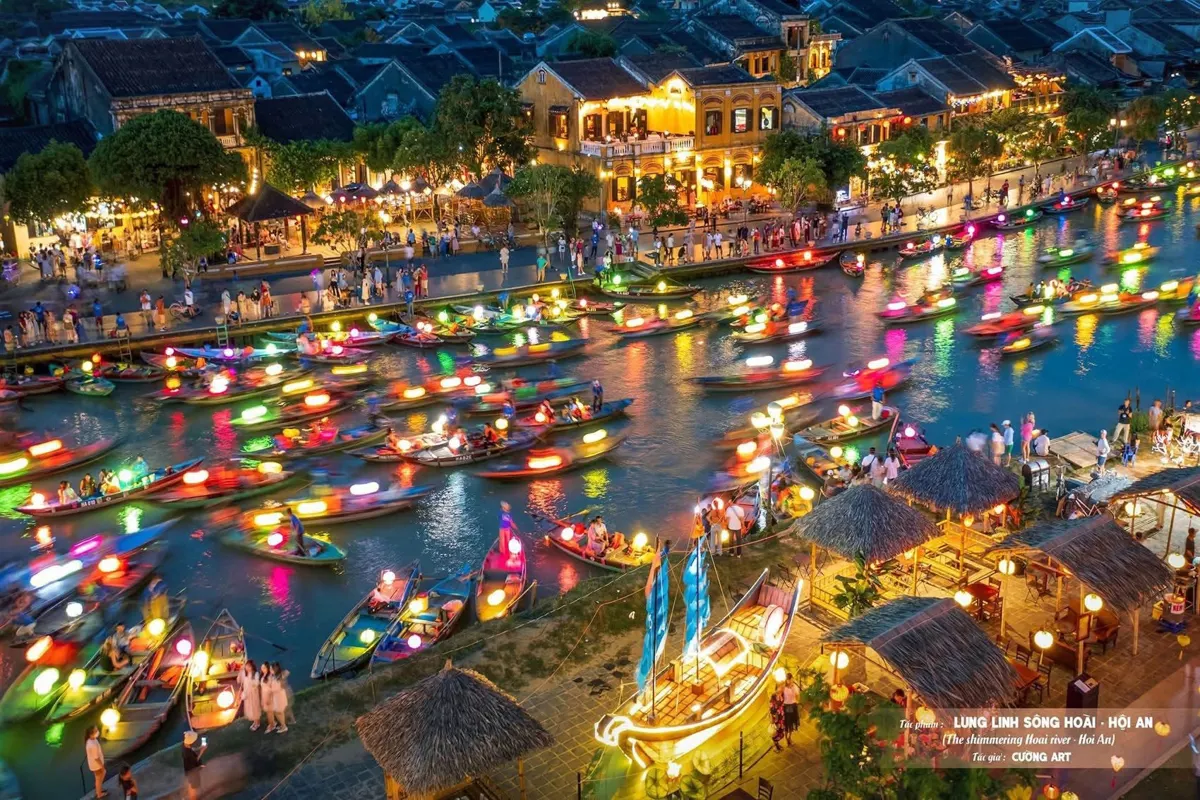
Vietnam presents a compelling destination for travelers seeking a rich and varied experience in Southeast Asia. The country is celebrated for its exceptional cuisine, ranging from flavorful street food to intricate regional dishes, alongside a landscape that transitions from dramatic mountains to serene coastlines. Visitors often highlight the warmth of the local people and the depth of its historical and cultural heritage as key attractions, making it a place that leaves a lasting impression.
A World of Culinary Delights
The culinary landscape of Vietnam is a primary draw for many visitors, renowned globally for its freshness, healthfulness, and intricate flavors. Dining here is an experience that engages all the senses, from savoring aromatic noodle soups like pho to enjoying the satisfying crunch of a banh mi sandwich. The ubiquity of street food vendors means that high-quality, authentic dishes are readily available, reflecting a deep-seated local appreciation for excellent food. Exploring the diverse offerings, whether it's the smoky notes of bun cha or other regional specialties, becomes a significant part of the travel experience. For those interested in the craft of Vietnamese cuisine, understanding the variety of hand-rolled dishes offers further insight into the country's gastronomic traditions.
Beyond the well-known staples, Vietnamese cuisine encourages exploration. Local dining customs often involve communal eating, where dishes are shared and enjoyed together, fostering a sense of connection. The competition among eateries, particularly on city sidewalks, ensures a consistently high standard, promising delicious discoveries at every turn. From casual roadside stalls to more established restaurants, the focus remains on fresh ingredients and balanced flavors.
Diverse Landscapes and Natural Wonders
Vietnam's geographical diversity offers a wide array of natural spectacles, ensuring that no two regions feel quite the same. The northern reaches feature cool, mountainous terrains, while the southern islands maintain a tropical climate throughout the year. Iconic natural formations include the limestone karsts of Ha Long Bay, which create a distinctive seascape, and the terraced rice fields of Sa Pa, which present an impressive agricultural landscape. Travelers interested in these agricultural marvels can explore Vietnam's northern rice terraces for a deeper appreciation.
Beyond these famous sites, the country holds other significant natural attractions. Son Doong, recognized as the world's largest cave, offers extensive opportunities for exploration, including multi-day expeditions. The mountainous areas of Ha Giang provide dramatic vistas, while Cao Bang is home to powerful waterfalls. In contrast, the coastal town of Mui Ne features striking sand dunes, offering a different kind of natural beauty. This extensive range of environments means that travelers can experience everything from cool highland climates to warm coastal breezes within a single trip.
Rich History and Cultural Heritage
Vietnam's long and complex history is evident throughout the country, with historical sites and cultural artifacts present in both urban centers and rural areas. The nation is home to eight UNESCO World Heritage Sites, each preserving a unique aspect of its past. Hanoi, the capital, serves as a significant historical hub, particularly its Old Quarter, where ancient pagodas, traditional gateways, and historic houses are interwoven into the urban fabric. This area provides a tangible link to centuries of Vietnamese life and architecture.
Further south, the city of Hue, once an imperial capital, showcases remnants of feudal dynasties. Here, visitors can explore the elaborate tombs of former kings and the grounds of forgotten palaces, offering insight into the grandeur and traditions of past rulers. The presence of these historical treasures, from ancient temples to colonial-era buildings, allows travelers to connect with Vietnam's narrative at almost every turn, providing a profound sense of place and heritage.
The Spirit of Vietnamese Cities and People
Vietnam's cities pulse with a youthful energy and offer a multifaceted experience for visitors. Major urban centers like Ho Chi Minh City, the country's largest metropolis, are characterized by their dynamic atmosphere, offering endless opportunities for culinary exploration, photography, and cultural engagement. From expansive parks to serene temples, and from lively sidewalk dining to tranquil cafes, these cities provide a layered experience. The evening often culminates at rooftop bars, offering panoramic views of the urban landscape.
The Vietnamese people are widely recognized for their resilience, industriousness, and warm hospitality. While individual interactions vary, many travelers report encountering friendly and welcoming locals. Family and community bonds are highly valued, and visitors often have opportunities to learn about the diverse traditions of Vietnam's 54 ethnic minority groups. This cultural richness, combined with the energetic pace of city life, contributes significantly to the overall travel experience. For those seeking to understand the urban rhythm, exploring Ho Chi Minh City beyond its main attractions can offer deeper insights.
A distinctive aspect of Vietnamese culture is its pervasive coffee tradition. Coffee is more than just a beverage; it's a social ritual and a significant part of daily life. Cafes, ranging from modern establishments to those with colonial charm, are found everywhere, serving as popular meeting spots. The country's creative approach to coffee is evident in unique preparations like refreshing coconut coffee for warmer weather or creamy egg coffee during cooler months. Many travelers find themselves quickly developing an affinity for these unique local brews.
Engaging Activities and Experiences
For those seeking adventure, Vietnam offers numerous opportunities to step away from urban settings and engage with its natural environment. Just a short distance from major cities, travelers can find themselves in entirely different worlds, presenting new and exciting challenges. The northern mountain ranges, with their ethnic villages and expansive views, are particularly appealing to intrepid explorers. Activities such as rock climbing are available at locations like the crags in Huu Lung, while canyoning can be experienced at Datanla Waterfall in Da Lat.
Caving enthusiasts can undertake significant expeditions in places like Phong Nha, offering memorable underground adventures. Beyond organized activities, simply navigating the country on two wheels provides an authentic perspective. Riding a bicycle through emerald rice paddies in the early morning or taking a motorbike along the banks of lakes and rivers after dark allows for a more intimate connection with the landscape and local way of life. For those venturing into the northern provinces, discovering experiences in Ha Giang can reveal further authentic adventures.
Practical Considerations for Travelers
When planning international travel, health and safety are often primary concerns. Vietnam has demonstrated a robust capacity to manage public health challenges, as evidenced by its response to global health crises. The country's decisive actions and strong community cooperation have allowed for periods of stability, enabling safe movement and interaction within its borders. This commitment to public well-being provides a reassuring environment for visitors.
While general travel precautions are always advisable, the overall experience in Vietnam is often described as secure. Travelers can typically enjoy their explorations with confidence, knowing that the country prioritizes the safety and health of both its residents and guests. This aspect contributes to Vietnam's appeal as a destination where visitors can relax and fully engage with their surroundings.
Frequently Asked Questions
What are the main reasons people visit Vietnam?
Travelers are drawn to Vietnam for its exceptional culinary scene, diverse natural landscapes, rich historical sites, and the welcoming nature of its people. The country offers a blend of vibrant city life and opportunities for outdoor adventure.
Is Vietnam a safe country for tourists?
Vietnam is generally considered a safe destination for tourists. The country has demonstrated effective public health management and maintains a secure environment for visitors, though standard travel precautions are always recommended.
What kind of food can I expect in Vietnam?
Vietnamese cuisine is celebrated for its fresh ingredients, healthy preparations, and complex flavors. Popular dishes include pho (noodle soup), banh mi (sandwiches), and bun cha (grilled pork with noodles). Street food is particularly prominent and offers a wide array of delicious options.
Are there many historical sites to see in Vietnam?
Yes, Vietnam is rich in history, featuring numerous ancient pagodas, imperial cities, and eight UNESCO World Heritage Sites. Key historical destinations include Hanoi's Old Quarter and the former imperial city of Hue, which offer deep insights into the nation's past.
What unique cultural experiences does Vietnam offer?
Beyond its historical sites, Vietnam offers unique cultural experiences such as its widespread coffee culture, opportunities to learn about 54 distinct ethnic minority groups, and the chance to explore cities and countryside via motorcycle or bicycle, providing an authentic local perspective.








