
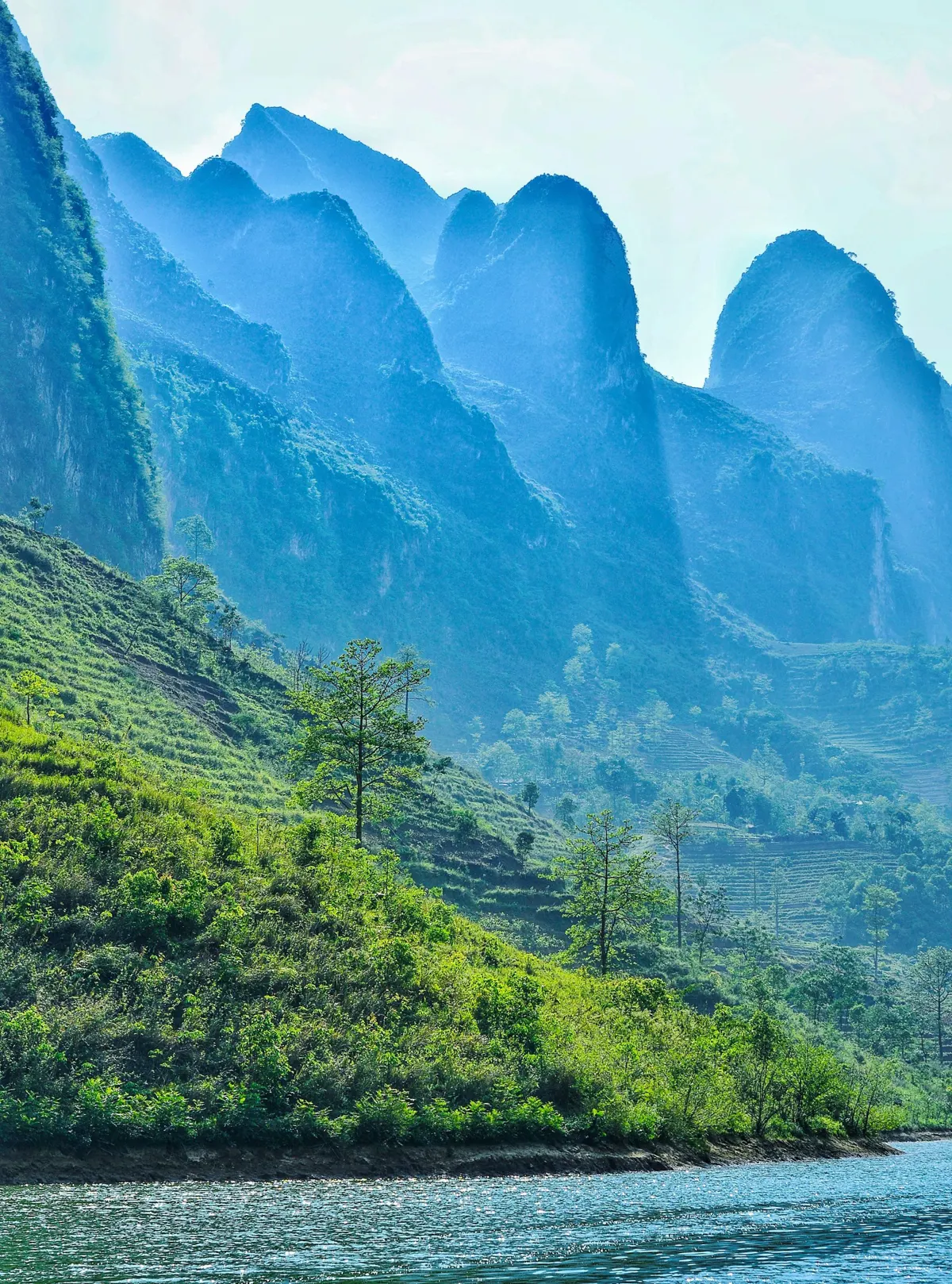
Ha Giang Province, situated in Vietnam's northern reaches, presents a diverse landscape ranging from dense forests to elevated rock formations. While many visitors focus on the well-known mountain pass circuit, the region also provides numerous rewarding experiences away from the primary thoroughfare. This guide outlines several top activities for those planning a trip to Ha Giang.
Authentic Stays and Community Connections
After traveling from Hanoi, consider a stop for rest in Thôn Tha village. Located just a short distance from Ha Giang City, Thôn Tha offers a glimpse into daily life in the province. Welcoming residents provide comfortable accommodations in traditional stilt houses. During mealtimes, guests can anticipate family-style servings that often include crispy spring rolls, fresh green vegetables, tender pork ribs, and rice.
For those interested in organized tours that support local communities, YESD (Youth Employment and Society Development) is a social enterprise. This organization facilitates connections between travelers and rural communities, such as Thôn Tha, through multi-day excursions across Ha Giang. YESD tours can be tailored to individual preferences and are available for travel by car or motorbike. For travelers seeking a deeper connection with local life, homestays offer an authentic experience of Vietnamese culture.
Elevated Views and Local Flavors
Enjoying a hot beverage with an expansive view is a popular activity in Ha Giang. Quản Bạ Pass, which serves as an entry point to the Đồng Văn Geopark, is an ideal location for this. Here, Cafe Cổng Trời operates a veranda where patrons can savor robusta coffee while overlooking the winding mountain road. The establishment also features a specialty shop offering Red Dao essential oils and herbal bath products sourced from Northern Vietnam.
The largest settlement along the Ha Giang circuit is Đồng Văn, an excellent spot to sample a regional culinary specialty: bánh cuốn. These steamed rice rolls, filled with pork, wood-ear mushrooms, and egg, are typically served with a warm broth containing chives and pork sausage (chả). This traditional morning meal offers a satisfying start to the day. Visitors can try this dish at Bánh Cuốn Gia Truyền on Phố Cổ Street.
Mountain Pathways and Historical Sites
The Nho Quế River Viewpoint is a prominent attraction in Ha Giang, but experiencing its full grandeur often involves a physical ascent. The 'sky path' is a narrow, steep road that ascends through Flower H'mong villages before continuing along the mountain's side to an adjacent peak. Sturdy footwear is advisable for this approximately two-hour walk, which covers a total distance of 500 meters. The vistas along this route are expansive, encompassing mountain ranges, the Nho Quế River, and the historic Happiness Road, a route that took 1,300 volunteers seven years to construct.
For additional panoramic outlooks, a 20-minute walk from Đồng Văn leads to Đồn Cao Fortress. This shorter excursion provides another opportunity to observe the region's dramatic topography. The Ha Giang Loop itself is a renowned multi-day route through this mountainous frontier, attracting many adventurers.
Cultural Insights and Local Craftsmanship
In the valley town of Sà Phìn, one of Ha Giang's notable cultural sites is the H'mong King Palace. Surrounded by tall pine trees, the entrance to this fortified residence is marked by intricately carved wooden doors that open into three connected courtyards. Vương Chính Đức, the H'mong king, gained influence at the beginning of the 20th century and invested his wealth in constructing this elaborate home, which included a large stone bath reportedly used for bathing in goat's milk.
Phố Cáo Market serves as a weekly gathering point where various minority groups from across the province convene to trade a range of items, from household goods to apparel and unique spices. Observers may notice individuals dressed in traditional attire, such as the colorful skirts of the Flower H'mong or the tightly laced tunics of the Black H'mong. This market provides a compelling window into the diverse cultures of Vietnam's deep north. It is recommended to inquire with a tour guide or homestay host about the local market schedules and optimal visiting times, as these timetables can be variable.
In the foothills of Quản Bạ District, Lùng Tám is home to the Lùng Tám Linen Co-op, a social enterprise operated by the ethnic Flower H'mong community. Visitors can tour the workshop to observe the process of spinning, stretching, drying, and plant-dyeing community-grown hemp, which is then handwoven on looms into linen fabrics. Adjacent to the workshop, a gift shop offers opportunities to speak with founder Ms. Mai about sustainable fashion practices. For those interested in exploring Vietnam's diverse landscapes, motorbiking in Vietnam offers an immersive way to travel.
Recommended Stops and Local Flavors in Ha Giang
| Location/Venue | Description | Address/Details |
|---|---|---|
| Thôn Tha Village Homestays | Traditional stilt homes offering lodging and family-style meals (spring rolls, greens, pork ribs, rice). | Near Ha Giang City. Contact YESD for tours. |
| Cafe Cổng Trời | Coffee with views overlooking Quản Bạ Pass. Sells Red Dao essential oils and herbal bath products. | Quản Bạ Pass, Đồng Văn Geopark entrance. |
| Bánh Cuốn Gia Truyền | Serves traditional bánh cuốn (steamed rice rolls with pork, mushrooms, egg, and broth). | Phố Cổ Street, Đồng Văn. |
| H'mong King Palace | Historic residence of Vương Chính Đức, featuring carved wooden doors and three courtyards. | Sà Phìn valley town. |
| Phố Cáo Market | Weekly market where minority groups trade goods, offering cultural observation. | Phố Cáo. Market schedule varies; inquire locally. |
| Lùng Tám Linen Co-op | Workshop and gift shop showcasing Flower H'mong hemp weaving and sustainable fashion. | Foothills of Quản Bạ District. Founder: Ms. Mai. |
Frequently Asked Questions
What is the primary appeal of Ha Giang Province for travelers?
Ha Giang Province is primarily appealing for its dramatic mountainous landscapes, rich ethnic minority cultures, and opportunities for adventure travel, particularly along its scenic routes. It offers a chance to experience rural Vietnamese life and unique local traditions.
Are there specific food items unique to Ha Giang that visitors should try?
Yes, one notable local dish is bánh cuốn, a northern specialty consisting of steamed rice rolls filled with pork, wood-ear mushrooms, and egg, served with a hot broth. Other regional foods often include fresh greens, various pork preparations, and traditional rice dishes, especially in homestay settings.
How can travelers engage with local communities in Ha Giang?
Travelers can engage with local communities by staying in homestays, such as those in Thôn Tha village, where they can experience daily life and family meals. Visiting local markets like Phố Cáo Market also provides direct interaction and insight into cultural practices and trade among ethnic minority groups.
What kind of physical activity can one expect in Ha Giang?
Ha Giang offers various opportunities for physical activity, including hiking along mountain paths like the 'sky path' near the Nho Quế River Viewpoint, which can involve steep ascents. Shorter walks to viewpoints, such as the hike to Đồn Cao Fortress from Đồng Văn, are also available. Motorbiking is a popular way to explore the region's extensive road network.
Is it easy to find unique souvenirs in Ha Giang?
Yes, Ha Giang provides opportunities to find distinctive souvenirs, especially those reflecting local craftsmanship. The Lùng Tám Linen Co-op, for instance, offers handwoven hemp fabrics and products made by the Flower H'mong community. Local markets also sell a variety of goods, including traditional clothing and spices.








