
Exploring Vietnam by motorbike offers a distinctive perspective on the country's varied terrain and local customs. While the road conditions and traffic can present challenges, many travelers find that riding provides a deeper engagement with the environment and its people. This guide provides an overview of motorbiking in Vietnam, highlighting popular routes, important safety considerations, and practical advice for a well-prepared trip.
Navigating Vietnam's Roads by Motorbike
Vietnamese roads are often characterized by heavy traffic, particularly during peak hours, and can feature varying surface quality. Roadside areas frequently host local stalls, markets, and even livestock. Despite these conditions, Vietnam remains a popular destination for motorbike exploration. Understanding local traffic patterns and selecting appropriate routes are key to a rewarding experience.
One common aspect of driving in Vietnam is the frequent use of vehicle horns. This is typically a local custom to signal presence rather than an aggressive gesture, and riders should become accustomed to it. When changing direction or merging, it is advisable to use your motorbike's signal and maintain a clear line of sight to your intended path, allowing others to anticipate your movements. For crossing oncoming traffic, proceeding slowly and steadily is often effective, as other vehicles tend to adjust their course.
Notable Motorbike Routes Across Vietnam
Vietnam offers several celebrated routes for motorbike enthusiasts, each presenting unique scenery and experiences. For those venturing into the northern regions, exploring other mountain destinations like Sapa and experiencing Mount Fansipan by cable car offers additional perspectives on Vietnam's highland beauty.
The Ha Giang Loop: Northern Highlands Adventure
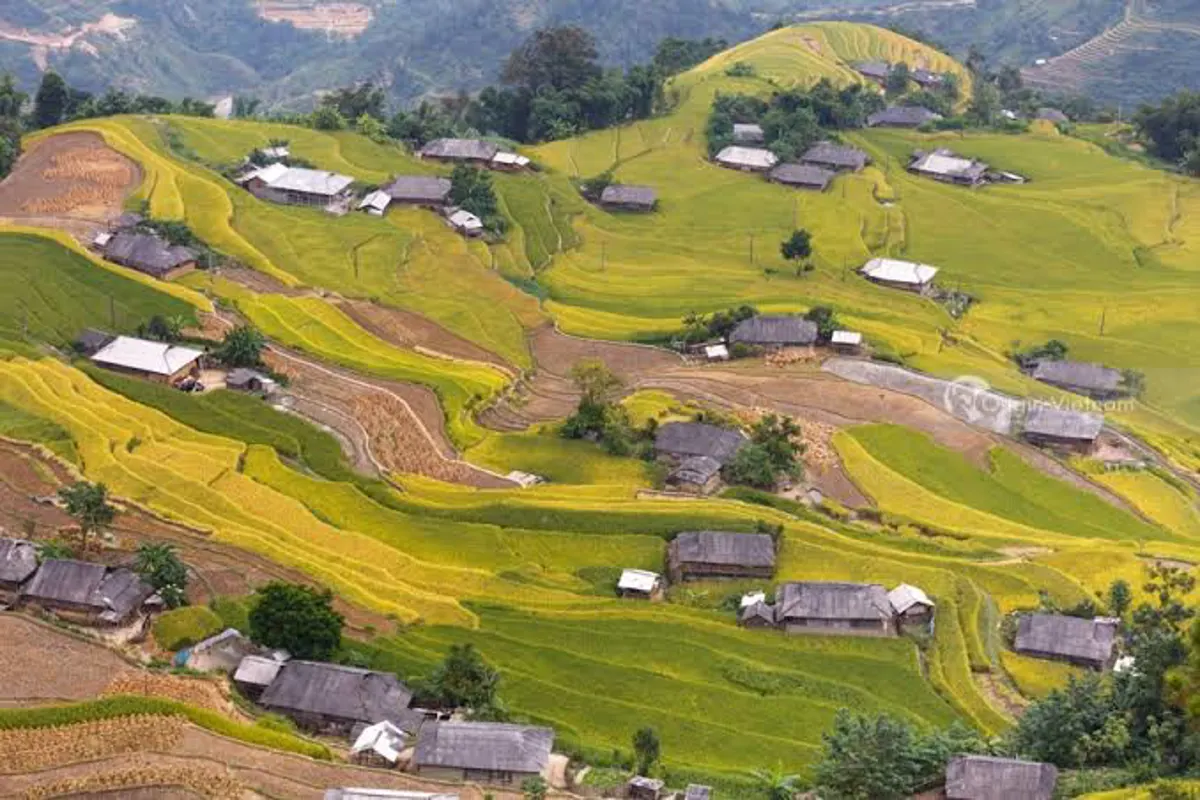
The Happiness Road in Ha Giang is widely considered one of Vietnam's most scenic routes. Spanning 185 kilometers, it connects Ha Giang City to Dong Van and Meo Vac. The initial 20 kilometers are relatively flat, transitioning into winding, elevated passes that ascend and descend along mountain slopes. Riders will pass striking limestone formations, granite outcrops, terraced rice fields, and layers of pine forests. Along the way, stops can include Dong Van districts to visit the Lung Cu flag tower, the historic Vuong palaces, and local weekly markets. The Ma Pi Leng Pass offers numerous viewpoints situated above sheer cliff faces, providing expansive vistas of the landscape.
Hai Van Pass: Coastal Mountain Views
Known as the "ocean cloud pass," Hai Van Pass is a prominent mountain route distinguished by its hairpin turns, dense jungles, and views of the sea on one side, with the Vietnamese interior on the other. This 13-mile pass links the cities of Da Nang and Hue. Points of interest include the Hai Van Gate national relic site and The Old French Bunker. The pass is often enveloped in white clouds throughout the year, attracting visitors who come to observe this natural phenomenon. Travelers can also pause at Lang Co lagoon, Elephant Springs, and various beaches for relaxation. For those interested in coastal relaxation, discovering Halong Bay's best beaches provides further options.
Southern Coastal and Highland Journey: Ho Chi Minh City to Nha Trang
This 600-kilometer coastal route offers a journey through beaches and mountains, providing an alternative to busier main roads. The initial segment from Ho Chi Minh City to Mui Ne features mangrove forests, unspoiled beaches, and mountain scenery. Mui Ne, sometimes referred to as Vietnam's Hawaii, is a suitable place for an extended stop to rest. Continuing from Mui Ne to Da Lat involves traversing the Dai Ninh and Prenn passes. The section from Da Lat to Nha Trang is often highlighted for its scenic beauty, passing through farmlands, rolling hills, and the Long Lanh Pass.
Urban Motorbike Experiences and Food Tours
Motorbikes are a primary mode of transport within Vietnamese cities, offering a practical way to explore urban environments. For those new to city riding, guided motorbike tours are a popular option. Cities like Hanoi, Ho Chi Minh City, and Hoi An are known for their motorbike food tours. Participants can choose to ride their own motorbike or ride as a passenger with a guide. These tours often take visitors to local eateries and areas that might be less accessible when exploring independently, providing an opportunity to sample various Vietnamese dishes. While navigating large city traffic can initially seem challenging, guides typically offer assistance and instruction to help riders adapt.
Essential Safety Tips for Motorbiking in Vietnam
Riding a motorbike in Vietnam requires careful attention to safety and an understanding of local road customs. Adhering to these guidelines can help ensure a safer and more enjoyable experience:
- Junction Awareness: Exercise caution at intersections. Not all drivers consistently follow traffic lights or signals, so defensive riding is important.
- Road Obstructions: Be vigilant for animals on the road, which can include cows, dogs, rats, snakes, and monkeys, particularly in rural areas.
- Horn Usage: Become accustomed to the frequent use of horns by local drivers. This is often a way to signal presence rather than express aggression. Consider using your own horn to make other drivers aware of your location.
- Large Vehicles: Maintain extra awareness around trucks and buses, as they are larger and may have different braking distances and blind spots.
- Pre-Ride Check: Before starting your journey, thoroughly inspect your motorbike. Check tires, brakes, lights, and fuel levels to ensure it is in good working order.
- Hydration: Carry sufficient water, especially on longer rides or during warmer weather, to stay hydrated.
For travelers planning longer journeys or considering alternatives to motorbiking, understanding Vietnam's sleeper train options can be beneficial for covering significant distances comfortably. Additionally, when stopping in towns and cities, remember to explore local markets for unique purchases and souvenirs to commemorate your trip.
Comparing Popular Motorbike Routes in Vietnam
| Route | Length (Approx.) | Key Features | Best For |
|---|---|---|---|
| Ha Giang Loop (Happiness Road) | 185 km | Winding mountain passes, limestone karsts, terraced rice fields, Ma Pi Leng Pass, Lung Cu flag tower. | Adventurous riders, stunning northern highland scenery, cultural immersion. |
| Hai Van Pass | 13 miles (21 km) | Coastal mountain road, hairpin turns, ocean views, Hai Van Gate, French Bunker, frequent cloud cover. | Shorter scenic rides, connecting Da Nang and Hue, coastal vistas. |
| Ho Chi Minh City – Da Lat – Nha Trang | 600 km | Coastal sections, mangrove forests, beaches, mountain passes (Dai Ninh, Prenn, Long Lanh), farmlands. | Longer multi-day trips, diverse landscapes from coast to highlands, relaxed pace. |
Frequently Asked Questions
Is motorbiking in Vietnam suitable for all travelers?
Motorbiking in Vietnam is generally recommended for those who are comfortable with varied road conditions and assertive traffic. It requires patience and a degree of confidence in navigating unfamiliar environments. For individuals less experienced with motorbikes or heavy traffic, guided tours where you can ride as a passenger are a good alternative.
What are the main challenges of riding a motorbike in Vietnamese cities?
The primary challenges in cities include dense traffic, particularly during rush hours, and a driving culture where horns are used frequently and traffic rules may be interpreted flexibly by some drivers. Roadsides can also be crowded with vendors and pedestrians, requiring constant vigilance.
How can I ensure my safety while riding?
Prioritize safety by wearing appropriate gear, including a helmet. Always check your motorbike's condition before setting out. Practice defensive driving, especially at junctions, and be aware of other vehicles, particularly larger ones like trucks and buses. Staying hydrated and being mindful of animals on the road are also important precautions.
Are guided motorbike tours recommended?
Yes, guided motorbike tours are highly recommended, especially for first-time visitors or those unfamiliar with local driving customs. Guides can provide instruction on navigating traffic, ensure necessary gear is provided, and lead you to interesting locations, such as local food spots in cities, that you might otherwise miss.








