
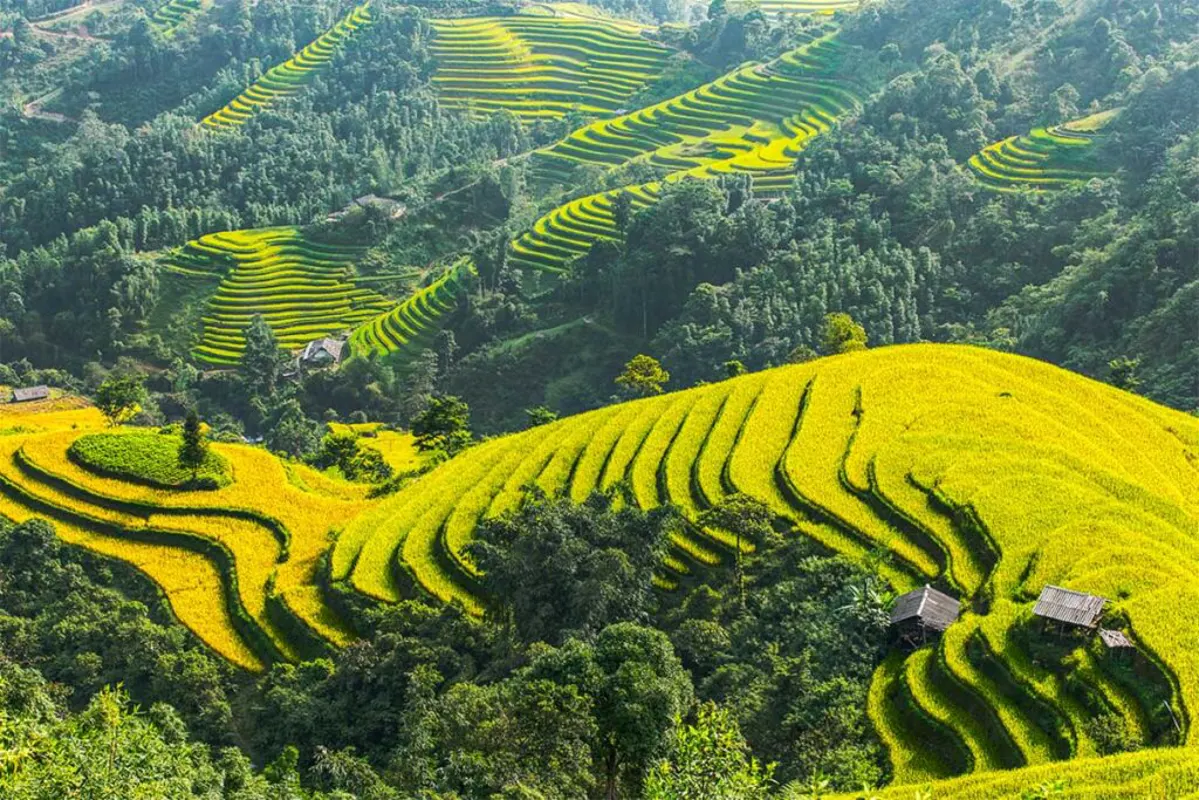
Ha Giang, a mountainous area in northern Vietnam now part of the expanded Tuyen Quang Province, offers travelers a unique opportunity to experience a less-explored side of the country. Defined by its towering limestone formations, intricate mountain roads, and enduring local customs, this destination provides a genuine look into a Vietnam that feels both ancient and full of life. For many years, this border province was primarily known among dedicated adventurers and motorcycle enthusiasts.
The Ha Giang Loop is more than just a route; it represents an expansive, verdant terrain that promises to reshape your perspective on travel destinations.
Navigating the Ha Giang Loop: A Northern Vietnamese Expedition
For those with an inclination for exploration, the Ha Giang Loop presents an compelling challenge. This is not a casual drive; it is an exhilarating, multi-day journey carved into the limestone mountains, offering a series of ascents and descents. As travelers navigate the renowned sharp turns, they will find themselves surrounded by what is often called the "Green Maze" – a complex network of high karst peaks, valleys tinted emerald, and agricultural fields clinging to steep cliffs.
A particularly memorable point along the route is the Ma Pi Leng Pass. From this vantage point, observing the Nho Que River, which appears like a slender blue-green ribbon far below, offers a profound sense of scale. It is important to note that for safety and to fully appreciate the scenery, visitors are strongly advised against riding alone and should instead arrange for a local driver to navigate these roads.
Cultural Encounters in Ha Giang's Highlands
To characterize Ha Giang solely by its physical geography would overlook a significant aspect of its appeal. The true essence of the region lies in its diverse cultural landscape, home to a rich variety of ethnic minority groups, including the Hmong, Tay, and Dao communities.
Visiting the Sunday Markets in towns like Dong Van or Meo Vac offers a remarkable cultural experience. On Sundays, these towns transform into lively centers where residents from nearby villages gather to exchange goods, socialize, and share stories. This creates a stimulating environment filled with traditional clothing, the aromas of local foods, and an infectious energy distinct from typical tourist settings. Visitors often encounter warm greetings, waves from children, and sometimes an offer of corn wine from hospitable locals, reflecting the authentic nature of the region's welcome.
Ha Giang in June: The "Flooded Season" Experience
What makes Ha Giang particularly captivating is its capacity to evoke a sense of genuine exploration rather than mere tourism. Venturing off the main pathways might lead one through the historic, earth-walled dwellings of Lao Sa village, or into expansive fields of pink buckwheat blossoms covering the valleys. A visit to Ha Giang in June reveals a particularly dramatic and visually striking landscape. This period marks the onset of the summer wet season, transforming the region's drier winter appearance into one of intense, saturated greens, powerful waterfalls, and a significant agricultural event known as the "flooded season." While afternoon rains are frequent, beginning excursions early in the day often rewards travelers with clear skies and misty mountain valleys. For those planning a trip in June, specific locations showcase the best of Ha Giang's summer allure.
Hoang Su Phi Rice Terraces
The Hoang Su Phi rice terraces represent a prominent mountain destination, widely recognized for its dramatic "mirror of the sky" phenomenon during June. This month is crucial for irrigation, as local ethnic minority farmers direct water from mountain peaks to flood the fields for the upcoming rice crop. From elevated viewpoints, the tiered agricultural steps, typically dry, become vast, shimmering surfaces that reflect the summer clouds. These newly irrigated paddies create exceptional photographic opportunities when sunlight penetrates the cloud cover. Visitors can observe the traditional farming methods employed by the Dao, Nung, and La Chi peoples as the planting season commences. The valleys surrounding these terraces develop an intense, deep green hue that is not present during the drier autumn or winter months. For more on similar landscapes, consider exploring northern Vietnam's terraced landscapes.
Nho Que River and Tu San Canyon
The Nho Que is a distinct turquoise-colored river that flows through Tu San Canyon, recognized as Southeast Asia's deepest gorge. June is an excellent time to visit, as the initial monsoon rains swell the river to its maximum volume, making boat excursions or kayak tours feel particularly grand. Positioned directly beneath the towering rock faces of the Ma Pi Leng Pass, the river canyon often retains a beautiful layer of low-lying morning mist before the summer sun warms the valley.
- Full waterways: Unlike the shallower conditions of winter, summer rains maintain the river's depth, swift current, and rich, vibrant color.
- Dramatic canyon views: Gliding between the 800-meter-high vertical cliffs offers a cool, refreshing respite from the humid summer heat experienced on the roads above.
- Atmospheric photography: The combination of sudden sunbeams and lingering post-rain mist gives the canyon a fantastical appearance.
Du Gia Waterfall
Du Gia is a pristine and active waterfall situated within the verdant Du Gia village valley. While many streams in Ha Giang diminish significantly during the dry season, June's rainfall invigorates this cascade, transforming it into a powerful, dual-stream waterfall. It is often regarded as a prime summer attraction on the loop, offering a natural, cool swimming area at its base. In summer, the waterfall's cold, clear mountain water collects in a deep pool, ideal for swimming after a warm morning of travel. Visiting in June also means experiencing the lively atmosphere of the valley's homestays with fewer visitors compared to the peak autumn season.
Yen Minh Pine Forests
The Yen Minh Pine Forests offer a tranquil, refreshing woodland retreat directly alongside the winding QL4C highway. June highlights the best of this pine area, as consistent rains encourage new needles to emerge, filling the air with a crisp, earthy pine scent. It serves as an excellent, shaded stopping point to rest, cool down, and stretch away from the exposed, sun-drenched mountain passes. Brief afternoon showers frequently pass through the trees, creating a moody, misty, and peaceful green landscape. The dense pine canopy and elevated altitude provide a noticeable temperature reduction compared to the humid lower valleys. For broader travel insights, consider a guide to North Vietnam.
Ha Giang's June Highlights
homogenous>| Destination | Key Feature in June | Experience |
|---|---|---|
| Hoang Su Phi Rice Terraces | "Mirror of the Sky" phenomenon | Witness traditional irrigation, vibrant green valleys, and reflections of clouds. |
| Nho Que River | Full volume, turquoise water | Boat or kayak tours through Tu San Canyon, dramatic cliff views, morning mist. |
| Du Gia Waterfall | Powerful, twin-stream cascade | Natural swimming pool, cool mountain water, lively village atmosphere. |
| Yen Minh Pine Forests | Crisp pine fragrance, misty atmosphere | Shaded rest stop, cooler temperatures, peaceful woodland scenery. |
Practical Advice for Navigating Ha Giang
Planning a trip to Ha Giang requires attention to practical details to ensure a rewarding and safe experience. The terrain is rugged, and the roads, while scenic, demand careful navigation. As previously mentioned, securing a local driver is highly recommended for those less familiar with mountain driving conditions, prioritizing safety and allowing passengers to fully appreciate the views.
Travelers should prepare for varying weather, especially during the wet season, with appropriate gear for rain and cooler temperatures at higher altitudes. Respect for local customs and traditions is paramount when interacting with the diverse ethnic communities. Homestays offer an authentic way to engage with the culture and support local economies. Ha Giang is particularly suited for individuals seeking adventure, cultural immersion, and a deep connection with nature, away from more developed tourist areas. For those interested in highland retreats, the Panhou Retreat in Hoang Su Phi offers a unique experience.
Frequently Asked Questions
What is the Ha Giang Loop?
The Ha Giang Loop is a renowned multi-day motorcycle route in northern Vietnam, famous for its challenging mountain passes, dramatic karst landscapes, and opportunities to experience the culture of local ethnic minority communities.
Is the Ha Giang Loop safe for solo riders?
While some experienced riders undertake the loop solo, it is strongly advised to hire a local driver for safety reasons, especially given the winding, steep, and sometimes challenging road conditions. This also allows travelers to focus on the scenery rather than navigation.
What can I expect from Ha Giang's culture?
Ha Giang offers rich cultural experiences, including interactions with Hmong, Tay, and Dao ethnic groups. Visitors can observe traditional farming, attend vibrant Sunday markets for trading and socializing, and experience authentic local hospitality.
Why visit Ha Giang in June?
June marks the start of the summer wet season, known as the "flooded season." This period brings lush, vibrant green landscapes, powerful waterfalls, and the unique "mirror of the sky" phenomenon at the Hoang Su Phi rice terraces as farmers irrigate their fields.
What ethnic groups live in Ha Giang?
Ha Giang is home to a diverse population of ethnic minority communities, with prominent groups including the Hmong, Tay, and Dao peoples, each contributing to the region's rich cultural mosaic.








