
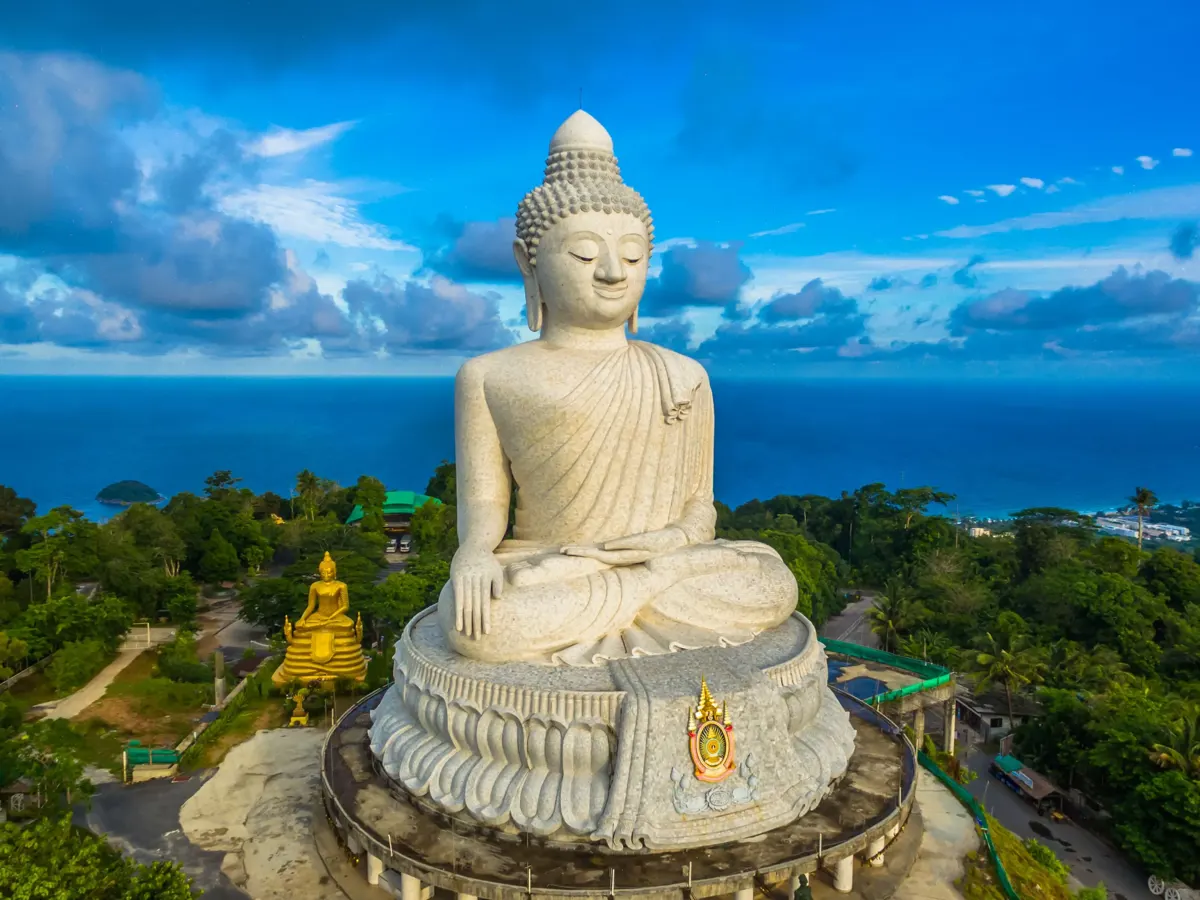
For travelers planning a trip from Thailand's capital to its largest island, Phuket, understanding the various transportation options is key. This popular domestic route, spanning approximately 860 kilometers, offers several ways to reach the southern island, each with distinct advantages regarding speed, cost, and comfort.
Air Travel from Bangkok to Phuket
The quickest method to travel between Bangkok and Phuket is by air. Flights typically take around 1 hour and 30 minutes. While airfare can sometimes be higher than ground transport, booking in advance or selecting a budget carrier can result in prices comparable to bus tickets. This option significantly reduces travel time and potential fatigue associated with longer journeys.
Numerous daily flights connect Bangkok to Phuket, with approximately 28 departures from Suvarnabhumi Airport (BKK) alone. Passengers can also find flights departing from Don Mueang Airport (DMK), which is often favored by low-cost airlines. Major carriers operating this route include Thai AirAsia, Bangkok Airways, Nok Air, and Thai Airways. Comparing prices across different airlines online is advisable to secure the most economical fares.
Bus Services Between Bangkok and Phuket
For those prioritizing cost savings, traveling by bus presents a viable alternative. The journey by road from Bangkok to Phuket generally takes between 14 and 16 hours. While this is a considerably longer travel duration, it allows passengers to observe the changing landscapes of Thailand.
Bus services typically offer two main categories: standard and VIP. VIP buses provide enhanced comfort, which can be particularly beneficial for such an extended trip, often at a slightly higher but still affordable price point compared to standard services. Given the significant travel time, opting for a VIP bus is often recommended for a more relaxed experience.
Private Car Transfers to Phuket
A private car transfer offers a more personalized and comfortable travel experience, though it comes at a higher cost than bus travel. Prices for a private vehicle typically range from 10,000 to 15,000 Baht per car. This option is frequently chosen by private groups or those booking through tour operators.
Advantages of a private car include greater flexibility, a faster journey compared to buses, and often the benefit of a dedicated driver who can assist with navigation. This method is particularly suitable for travelers who prefer direct service and wish to avoid the potential inconveniences of public transport schedules or multiple stops.
Train and Bus Combination to Phuket
Direct train service from Bangkok to Phuket is not available. Travelers opting for a rail journey must combine it with a bus segment. The initial part of this route involves a train ride from Bangkok's Hua Lamphong Station to Phun Phin, which serves as the railway station for Surat Thani. This train segment typically lasts about 12 hours.
Upon arrival at Phun Phin, passengers must then transfer to a bus for the remaining journey to Phuket, which takes approximately another 5 hours. While this combined method is generally not expensive, it requires more time and effort due to the transfer between modes of transport, making it a less popular choice for many travelers. This multi-leg journey is reminiscent of overnight rail journeys in Vietnam, where careful planning is essential.
Comparing Travel Options to Phuket
Selecting the most appropriate travel method depends on individual priorities such as budget, time constraints, and desired comfort level. Air travel offers speed and convenience, while buses provide a budget-friendly option for those with more time. Private cars cater to comfort and flexibility, and the train-bus combination offers a unique, albeit longer, journey.
Each mode of transport provides a distinct experience of traveling across Thailand. Considering the distance and the nature of the destination, evaluating these factors will help travelers make an informed decision for their trip to Phuket.
| Travel Method | Estimated Duration | Typical Cost (Relative) | Comfort Level | Directness |
|---|---|---|---|---|
| Air | 1 hr 30 min | Higher (can be budget with early booking) | High | Direct |
| Bus | 14-16 hours | Low | Moderate (VIP better) | Direct (road) |
| Private Car | Faster than bus | High (per car) | High | Direct (road) |
| Train + Bus | ~17 hours | Moderate | Moderate | Indirect (requires transfer) |
Frequently Asked Questions
What is the fastest way to get from Bangkok to Phuket?
The fastest method of travel is by airplane, with flights typically lasting around 1 hour and 30 minutes.
Is it possible to travel from Bangkok to Phuket by train directly?
No, there is no direct train service to Phuket. Travelers must take a train to Surat Thani (Phun Phin Station) and then transfer to a bus for the remainder of the journey.
How long does a bus trip from Bangkok to Phuket take?
A bus journey from Bangkok to Phuket usually takes between 14 and 16 hours, depending on the service type and stops.
Are budget airlines available for flights to Phuket?
Yes, several low-cost airlines operate flights from Bangkok to Phuket, often departing from Don Mueang Airport (DMK). Booking in advance can help secure more affordable fares.
What is the approximate cost of a private car transfer to Phuket?
A private car transfer from Bangkok to Phuket typically costs between 10,000 and 15,000 Baht per vehicle.








