
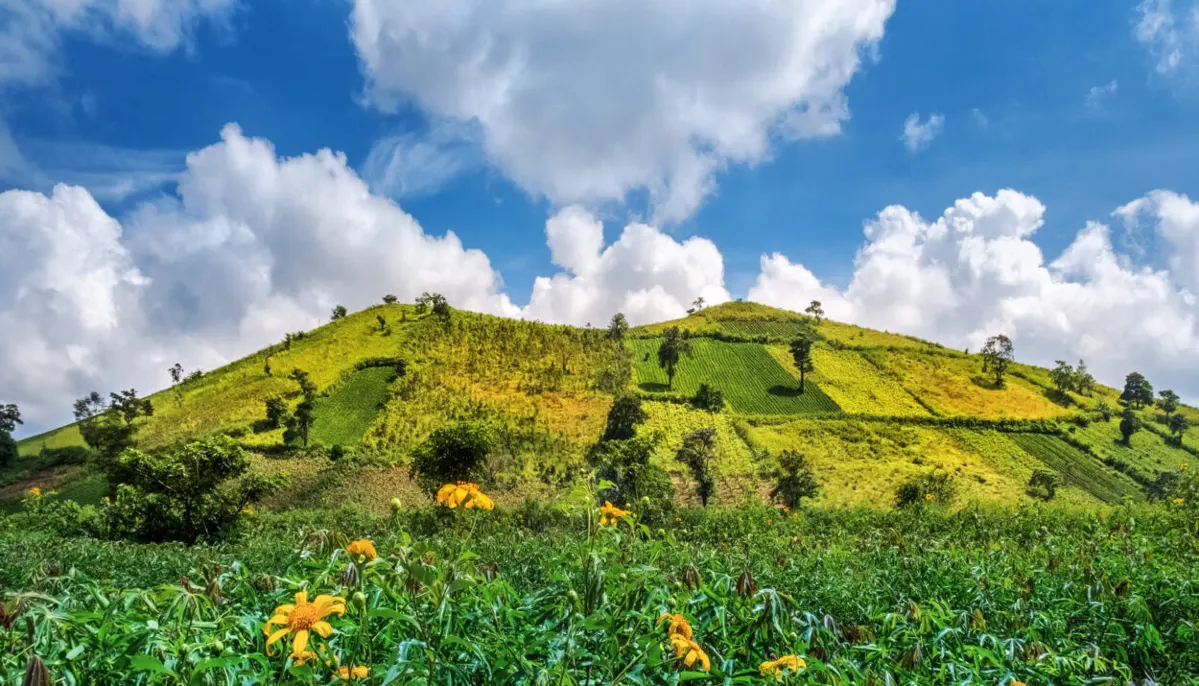
Gia Lai province, situated on a high plateau, presents a distinct travel experience in Vietnam's Central Highlands. Averaging 700 to 800 meters above sea level, this region naturally offers a cooler climate compared to the country's coastal areas, especially during summer months. Visitors come to Gia Lai to find respite from heat, explore dramatic volcanic landscapes, and engage with the deep-rooted heritage of its indigenous communities.
As a significant anchor for the upcoming Visit Vietnam Year 2026 regional celebrations, Gia Lai is increasingly welcoming international travelers to uncover its authentic highland characteristics. The provincial capital, Pleiku, serves as the primary entry point, providing convenient access to both natural attractions and cultural sites.
The Refreshing Climate of Vietnam's Central Highlands
Gia Lai's most notable geographical feature is its elevated position, which contributes to significantly milder temperatures than those found in Vietnam's low-lying plains. Throughout the summer, the atmosphere remains noticeably cooler and clearer, frequently refreshed by mountain air currents. These breezes often carry the distinct scents of the region's red basalt soil and extensive pine forests, creating a unique sensory experience.
For those seeking cooler conditions, Gia Lai provides a comfortable environment for exploration. Summer temperatures typically fluctuate between 20°C and 30°C, making it an appealing destination for travelers looking to avoid intense heat. The journey into Pleiku itself offers a preview of this tranquil atmosphere, with dense canopies of ancient pine trees lining the routes and contributing to a sense of peaceful seclusion.
Dramatic Volcanic Landscapes and Natural Wonders
The geological history of Gia Lai, marked by past volcanic activity, has shaped a diverse and striking natural environment. This includes serene crater lakes, rugged mountain formations, and powerful waterfalls, all contributing to the province's distinctive appeal.
- T’Nung Lake (Bien Ho): Often referred to as the "Eye of Pleiku," this expansive, oval-shaped body of water occupies an extinct volcanic crater. Surrounded by hills covered in pine, its deep blue surface reflects the highland sky, offering a profoundly calm setting.
- Chu Dang Ya Volcano: Located in the rural areas, this inactive volcano stands as a prominent geographical landmark. While it gains popularity in winter for its fields of wild sunflowers, its fertile crater slopes transform in summer into a rich mosaic of local agricultural crops, displaying various shades of green and other hues.
- Phu Cuong Waterfall: This impressive waterfall descends over a sheer basalt cliff into a pristine forested valley. The powerful cascade generates a considerable mist, which naturally cools the surrounding air, making it a particularly striking sight during the summer rainy season.
Exploring these natural sites allows visitors to appreciate the powerful forces that shaped this part of Vietnam. The varied terrain offers opportunities for quiet contemplation by the water, scenic drives through agricultural lands, and invigorating experiences near cascading falls. Many find the diverse experiences in Vietnam's highlands to be a highlight of their trip.
Ancient Heritage and Indigenous Culture
Beyond its natural beauty, Gia Lai holds a rich cultural heritage, deeply rooted in its indigenous ethnic communities, primarily the Jrai and Bahnar peoples. These groups maintain traditions that have been passed down through generations, offering visitors insights into a way of life distinct from Vietnam's urban centers.
The Communal Spirit of the Rong House
A central feature of traditional Jrai and Bahnar villages is the Rong House. These impressive structures, characterized by their steeply angled, axe-blade-shaped thatched roofs, serve as more than just buildings. They are the social and architectural heart of the community, hosting village councils, sacred ceremonies, and communal celebrations. The design and function of the Rong House embody the collective spirit and cultural identity of the highland people.
Space of Gong Culture
Gia Lai plays a crucial role in preserving the Space of Gong Culture, which has been recognized as a Masterpiece of the Oral and Intangible Heritage of Humanity by UNESCO. In the tranquil summer evenings, the deep, multi-tonal sounds of bronze gongs resonate through the villages. These performances accompany traditional dances, preserving ancient rhythms and movements that have remained consistent for centuries. Experiencing the gong culture offers a profound connection to the region's artistic and spiritual traditions, providing a unique perspective on Vietnamese culture.
Practical Travel Information for Gia Lai
Planning a trip to Gia Lai involves understanding its accessibility and what to expect regarding local amenities and cuisine. The province is well-equipped to welcome travelers seeking a different kind of Vietnamese adventure.
Accessibility and Getting There
Pleiku Airport (PXU) serves as the main aviation hub for Gia Lai province. It offers direct flights connecting to major Vietnamese cities, including Hanoi and Ho Chi Minh City, making the Central Highlands relatively straightforward to reach for both domestic and international visitors. From Pleiku, local transport options are available to reach various attractions within the province.
Local Gastronomy: Flavors of the Highlands
Gia Lai's culinary scene offers distinctive dishes that reflect its highland environment and indigenous influences. Food enthusiasts can explore unique flavors not commonly found in other parts of Vietnam. Notable local specialties include:
- Dry Pho (Pho Hai To - Two Bowls Pho Noodle Soup): A unique variation of the classic Vietnamese noodle soup, served without broth in one bowl, with a separate bowl of broth on the side.
- Grilled Chicken Cooked in Bamboo Tubes (Ga Nuong Com Lam): Chicken marinated and then grilled inside bamboo tubes, imparting a smoky flavor and tender texture, often served with sticky rice also cooked in bamboo.
- Premium Highland Coffee: The Central Highlands are renowned for their coffee plantations, and Gia Lai produces high-quality beans, offering rich and aromatic coffee experiences.
While specific restaurant addresses and phone numbers were not provided in the source material, these dishes are widely available at local eateries throughout Pleiku and surrounding areas. Visitors are encouraged to explore local markets and restaurants to sample these authentic flavors.
Who Should Visit Gia Lai?
Gia Lai appeals to travelers seeking a blend of natural beauty, cultural immersion, and a break from the typical tourist routes. It is particularly suitable for:
- Nature Enthusiasts: Those interested in volcanic landscapes, serene lakes, and powerful waterfalls will find much to explore. The cooler climate also makes outdoor activities more comfortable.
- Cultural Explorers: Individuals keen on learning about Vietnam's indigenous ethnic groups, their traditions, and the UNESCO-recognized Gong Culture will find Gia Lai profoundly rewarding.
- Summer Escapists: Travelers looking to avoid the intense heat of coastal regions during the summer months will appreciate Gia Lai's consistently pleasant temperatures.
- Authenticity Seekers: The province offers a glimpse into a less commercialized side of Vietnam, focusing on genuine local experiences and untouched natural environments.
Compared to more frequented destinations like Sapa for responsible travelers, Gia Lai offers a distinct Central Highlands experience with its own unique cultural and geographical characteristics.
Frequently Asked Questions
What is the best time of year to visit Gia Lai for cooler weather?
Gia Lai generally offers cooler temperatures throughout the year due to its elevation. However, for the most pleasant and refreshing climate, particularly to escape summer heat from other regions, the period from May to September typically provides average temperatures between 20°C and 30°C, making it ideal.
How can I experience the indigenous culture in Gia Lai?
To experience indigenous culture, visitors can seek out traditional villages where the Jrai and Bahnar peoples reside. Observing Rong Houses, which are central community structures, and attending performances of the Space of Gong Culture, especially in the evenings, offer direct engagement with their heritage. Local guides can often facilitate these cultural interactions.
What kind of natural attractions can I find in Gia Lai?
Gia Lai's natural attractions are largely shaped by its volcanic past. Key sites include T’Nung Lake, an extinct volcanic crater lake, Chu Dang Ya Volcano known for its seasonal agricultural patterns, and Phu Cuong Waterfall, a powerful cascade over basalt cliffs. These locations provide opportunities for sightseeing and appreciating the region's geological features.
What are some unique local dishes to try in Gia Lai?
When visiting Gia Lai, be sure to sample local culinary specialties such as Dry Pho (Pho Hai To), a distinctive noodle soup served with broth on the side. Another popular dish is Grilled Chicken Cooked in Bamboo Tubes (Ga Nuong Com Lam), which offers a unique smoky flavor. The region is also known for its high-quality highland coffee.








